Booklouse
The booklouse, often mistaken for lice or for moving dust, is a minute insect that thrives in damp, dark, poorly ventilated places. Harmless to people, it becomes a nuisance once it infests a pantry, a bookcase or a bathroom. It feeds mainly on mould, organic residue and paper, which explains its presence in damp areas that are not well kept. In Quebec, and particularly in greater Montreal, it is common in older houses, basement apartments and buildings with poor ventilation.
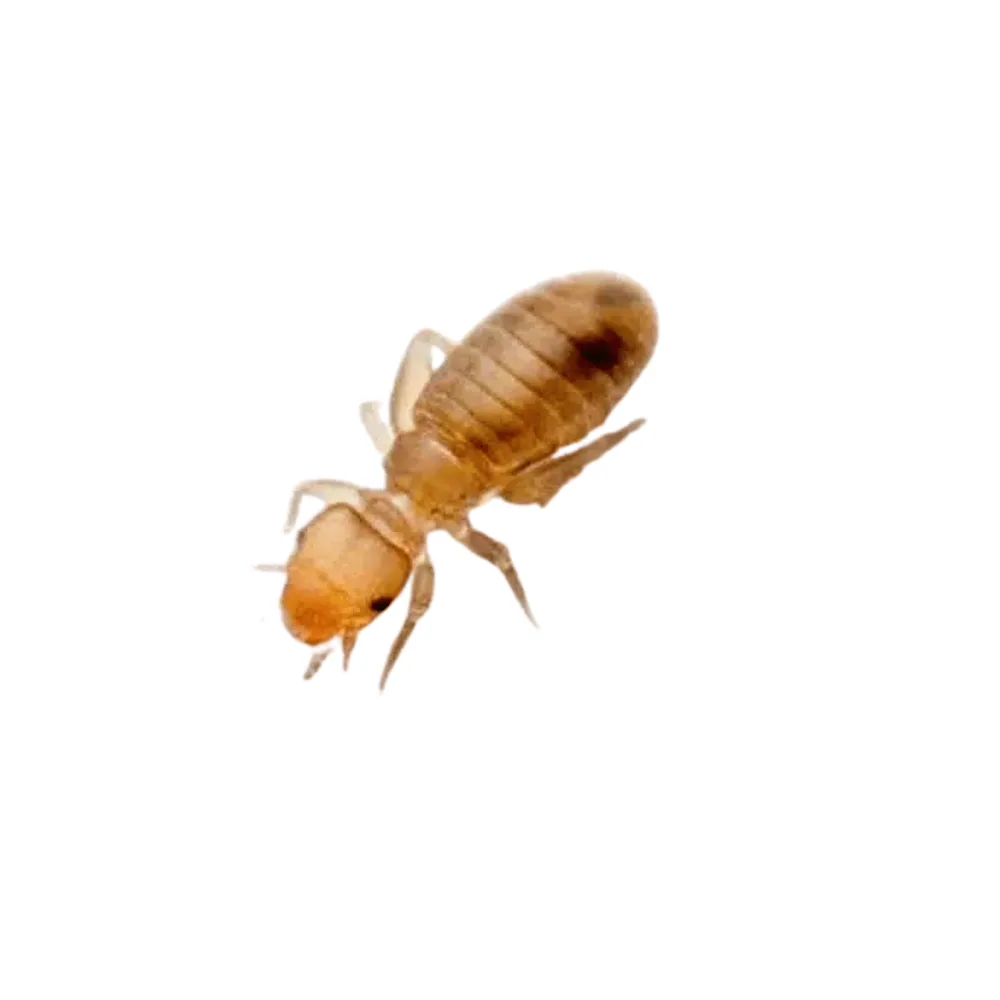
Appearance
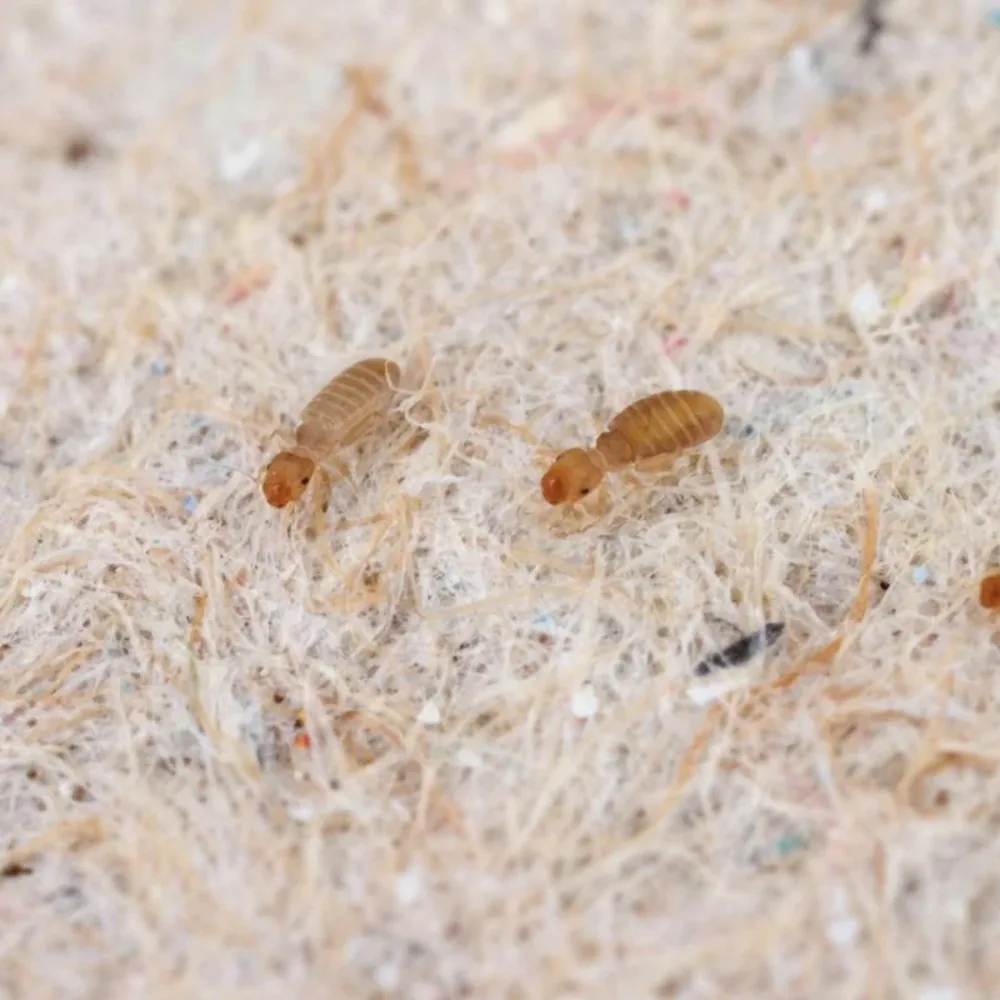
- Size: 1 to 2 mm
- Translucent to pale brown body
- Oval shape, often mistaken for a mite
- Long, fine antennae
- Some species have wings, though they barely fly
- Visible to the naked eye, but usually noticed as moving dust
Behaviour
- Active all year in heated buildings
- Does not sting or bite
- Cannot survive in dry conditions
- Can appear in large numbers with no visible build-up beforehand
- Discreet, rarely seen moving except when cleaning or disturbing an area
Life cycle
- Life cycle: 1 to 3 months
- Egg laying: several dozen eggs at a time
- Ideal conditions: humidity above 60%, temperature between 20 and 30 °C
- Eggs are laid in micro-cracks, under ledges or in dark corners
- An infestation can go unnoticed until the environment is disturbed by cleaning or renovation
Diet
- Microscopic moulds
- Organic residue in cracks or damp wood
- Glue from labels or book bindings
- Dust containing food particles
- Paper, cardboard, flour or the starch in packaging
UNDERSTAND, PREVENT, ACT
Booklice usually reveal a humidity or ventilation problem. They are not dangerous to health, but they signal conditions that suit other pests and encourage mould. They do not damage the structure, though they can cause minor harm to books, packaging and contaminated foodstuffs.
Common mistakes to avoid:
- Mistaking them for lice or bed bugs: booklice do not bite and do not feed on blood
- Using insecticides: of little lasting use, especially if the humidity is left alone
- Ignoring sources of condensation: fogged windows, poorly ventilated corners and failing shower joints are often behind it
- Overlooking items stored in cardboard or paper boxes, which can house entire colonies
Measures that last:
- Reduce ambient humidity with a dehumidifier or better ventilation
- Repair any water seepage or plumbing leak
- Clean surfaces with a dry or lightly disinfected cloth, leaving no standing water
- Keep books, documents and foodstuffs in airtight containers
- Use silica gel sachets or baking soda to absorb humidity in cupboards
Where an infestation persists, an inspection by a pest management specialist identifies the areas at risk and sets out a preventive plan.
Risks, common mistakes and lasting solutions
Booklice are no danger to people or pets, but large numbers can be distressing, particularly in a home library, a kitchen or a shared bathroom.
What the booklouse does not do:
- It does not bite
- It transmits no disease
- It causes no structural damage
What its presence usually indicates:
- High humidity in the air or in the materials
- A build-up of dust or organic residue
- Insufficient ventilation in enclosed areas
How to be rid of it for good:
- Correct the sources of humidity
- Use a HEPA vacuum on cracks and corners
- Raise stored items off the floor so air can circulate
- Avoid absorbent materials such as newspaper or cardboard boxes in rooms at risk
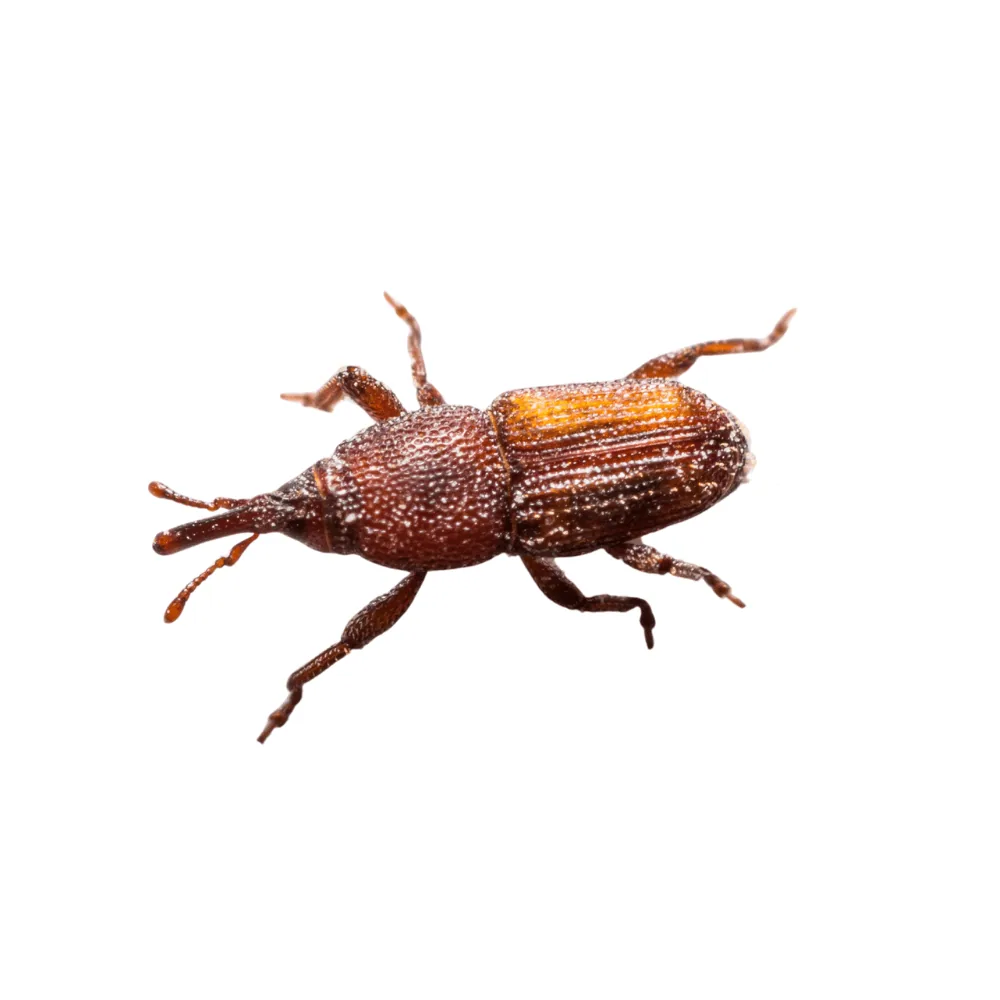
Related species
Request a quote
Need help? We’re here!
A certified technician assesses your situation and proposes a treatment plan suited to it.