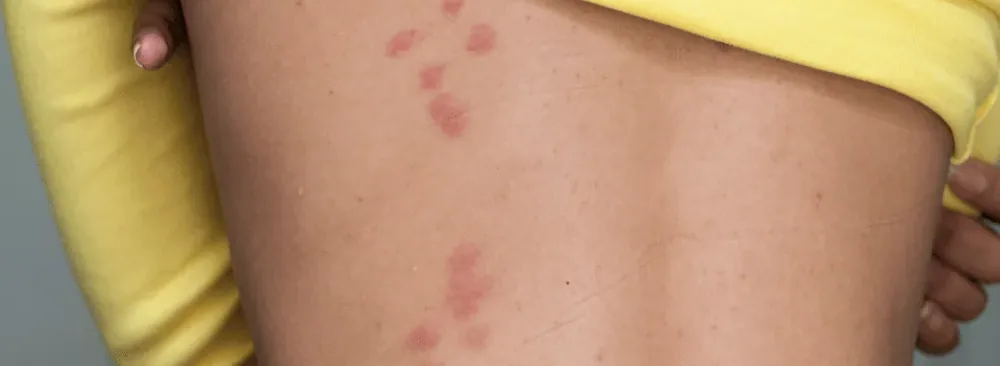
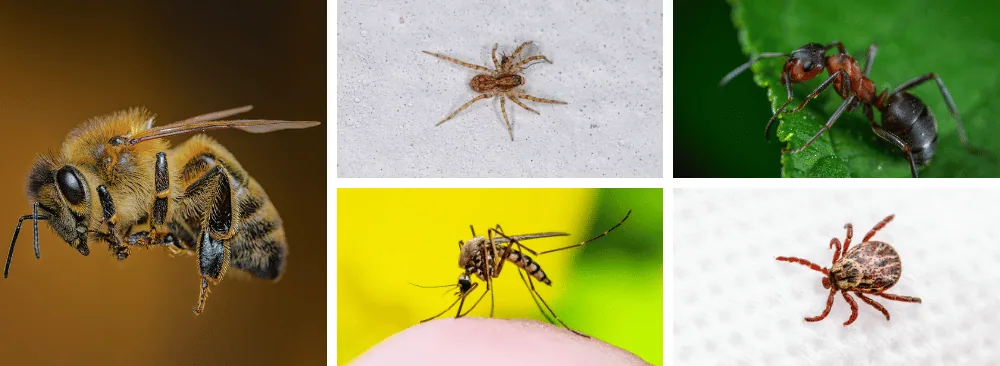
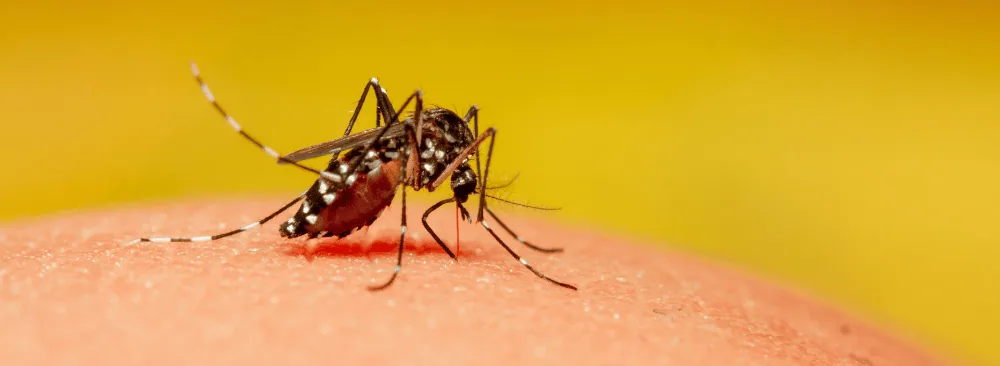
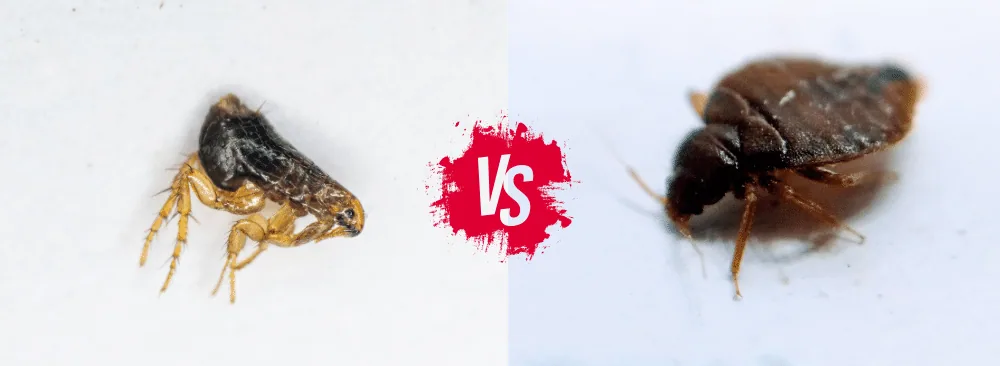
Red bumps in a row when you wake up, itching that is worse in the morning: here is how to recognize a bed bug bite, tell it apart from mosquito and flea bites, soothe it and know when to call an exterminator.
Furniture pulled away from walls, fabrics bagged, how long to stay out, what to do after the treatment: the complete checklist to prepare your home for bed bug extermination, with our preparation sheets to download.
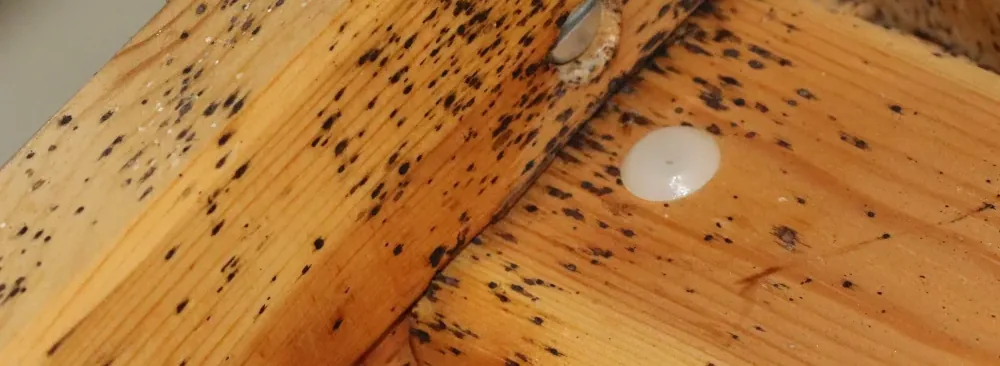
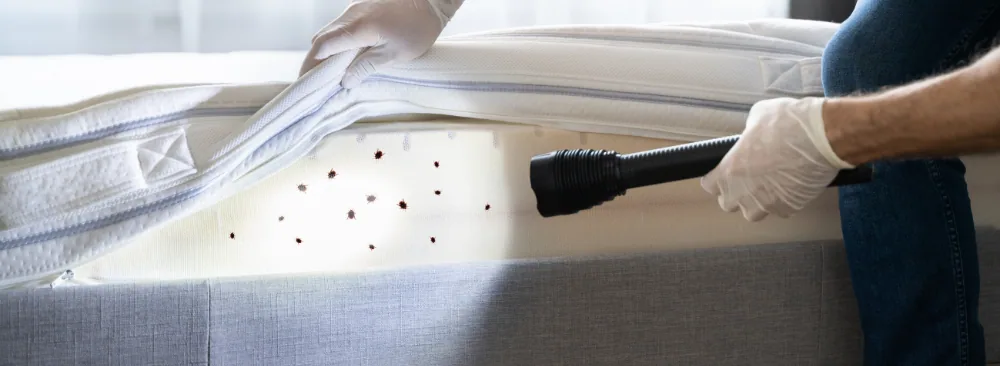
Bites in a row when you wake up, black spots on the mattress: here is how to confirm a bed bug infestation, what to do at the first signs, which mistakes to avoid and how professional treatment works in Greater Montreal.
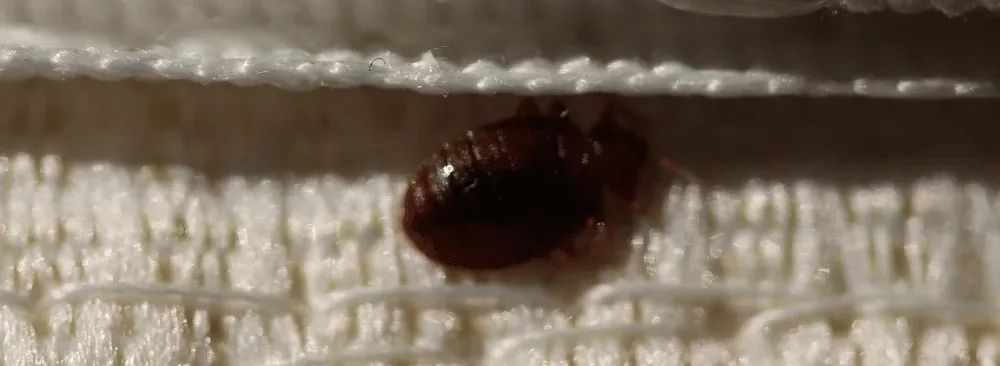
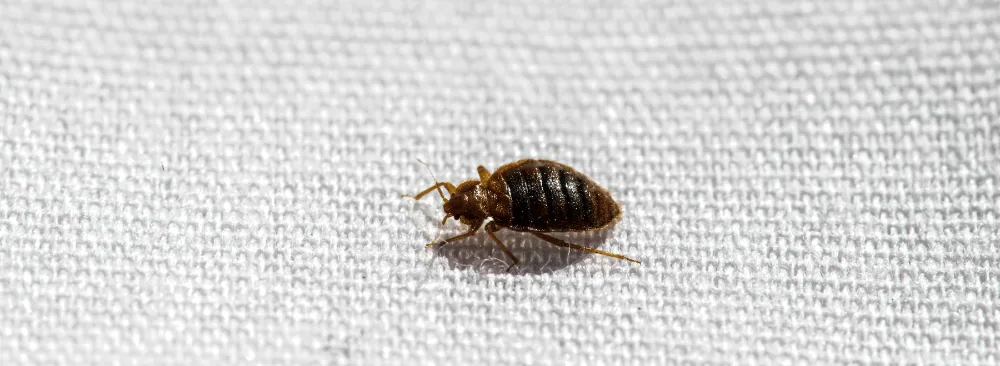
Adults, nymphs, eggs, black spots on the mattress, stains on the sheets and shed skins: this picture guide helps you recognize bed bugs and the signs they leave, and avoid confusing them with look-alike insects.
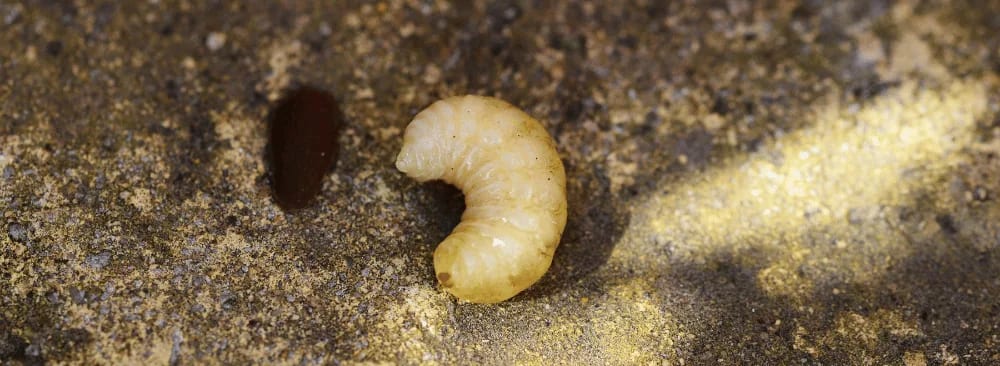
Fly larvae, better known as grubs, are a common nuisance in many homes and gardens. White worms are the larvae of different fly species and are often problematic due to the discomfort they cause and hygiene concerns.
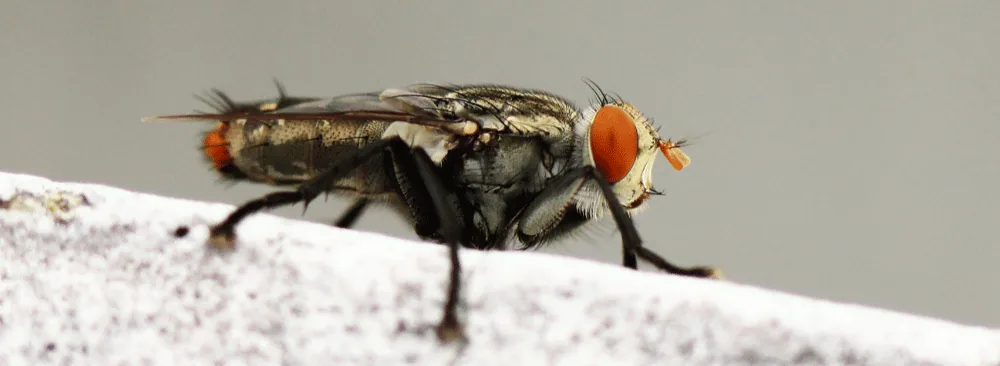
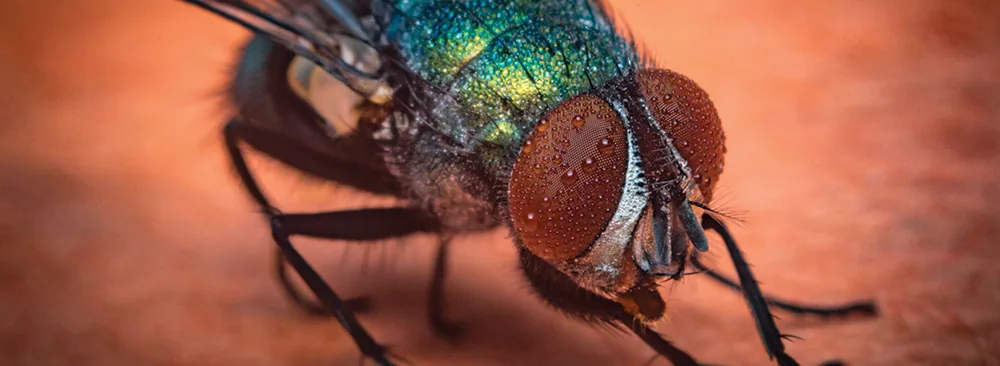
In Quebec, even a single strong odour or an overlooked piece of waste can attract blow flies, whose rapid reproduction can quickly turn a minor inconvenience into a serious sanitation issue.
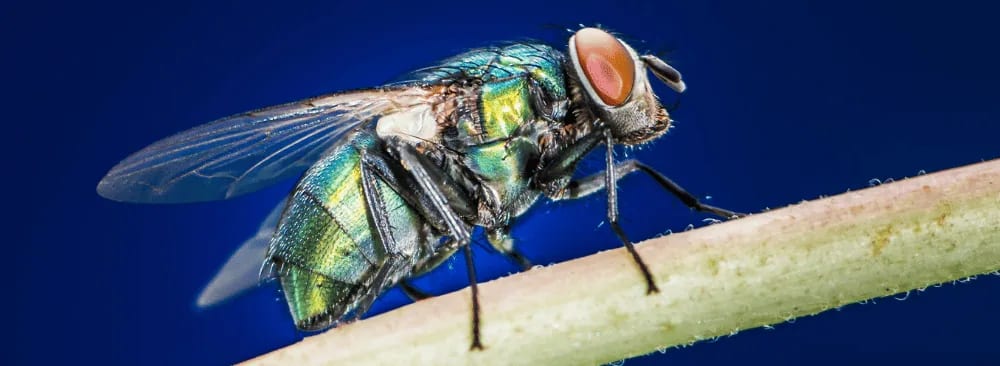
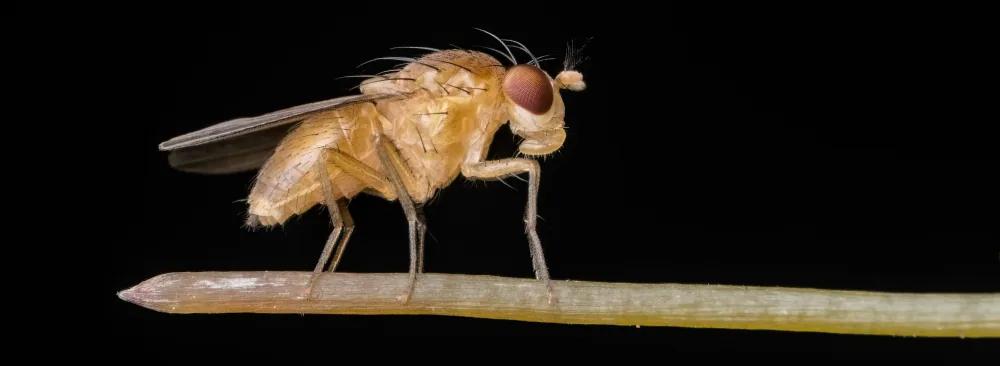
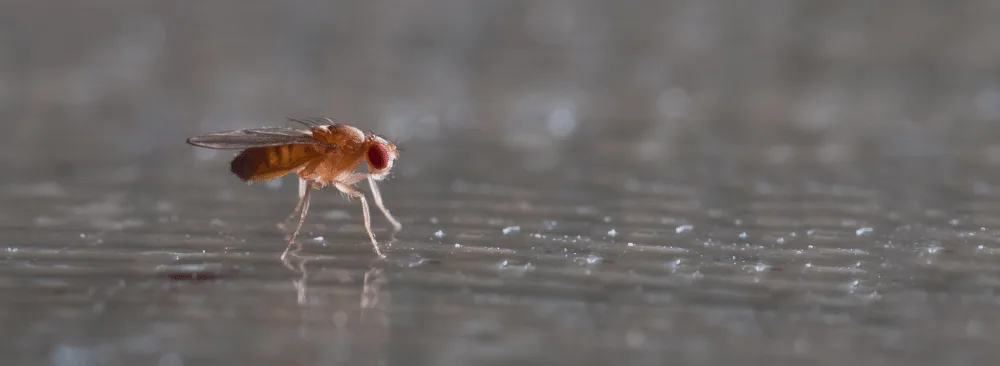
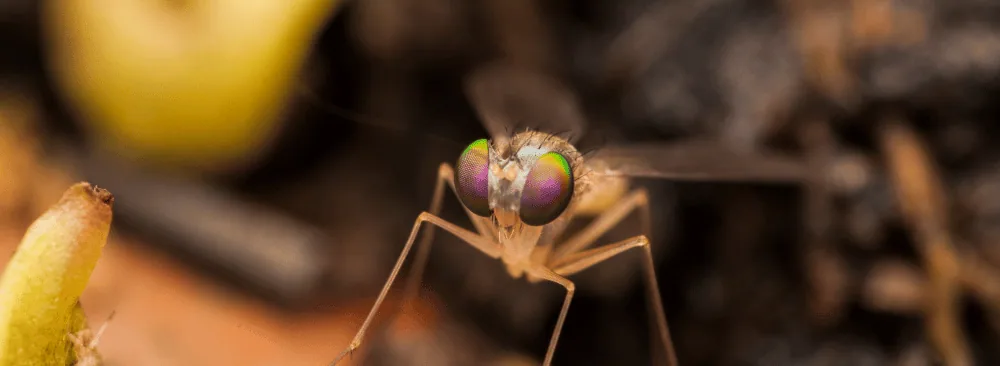
Fruit flies (Drosophila melanogaster) are small brown flies with red eyes, attracted to ripe fruits and fermented substances. They can contaminate food by laying eggs or carrying germs. In contrast, houseflies (Musca domestica) are larger, gray-colored, and often breed in organic waste. To prevent their appearance, it is advisable to maintain strict hygiene, cover food, and regularly empty trash bins.
In Quebec, seasonal pests are insects or rodents whose activity fluctuates with the seasons. For instance, carpenter ants become active in spring, while Asian lady beetles seek shelter indoors during autumn. These recurring infestations are often influenced by environmental factors like weather conditions or food availability. Effective prevention involves understanding these cycles and implementing season-specific measures.
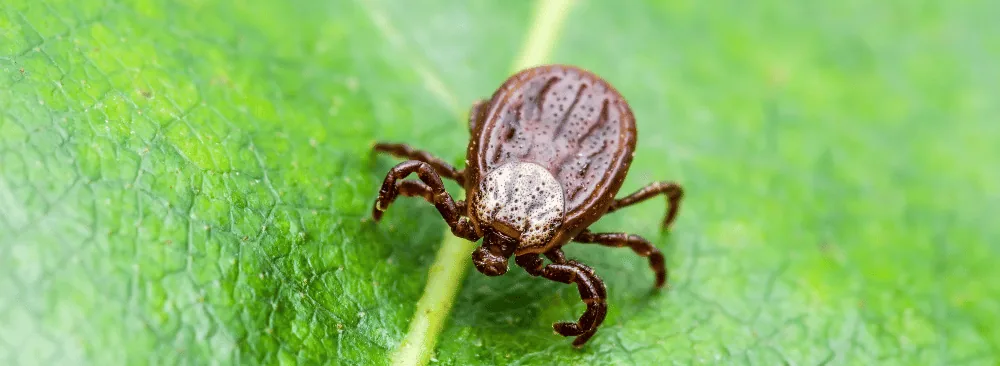
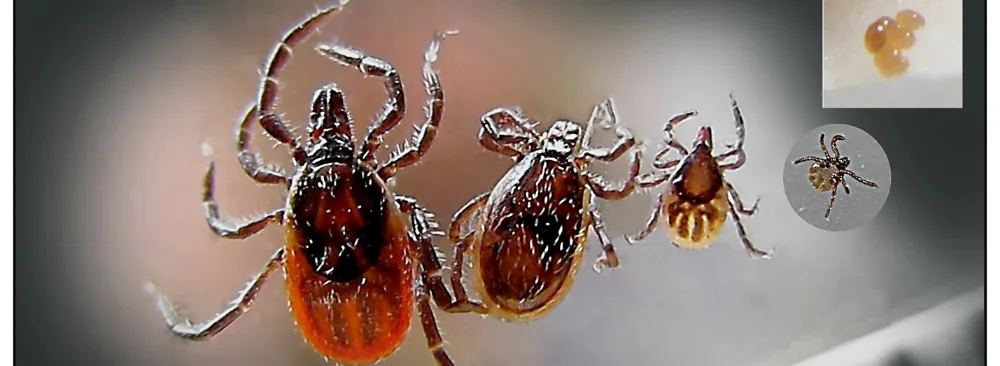
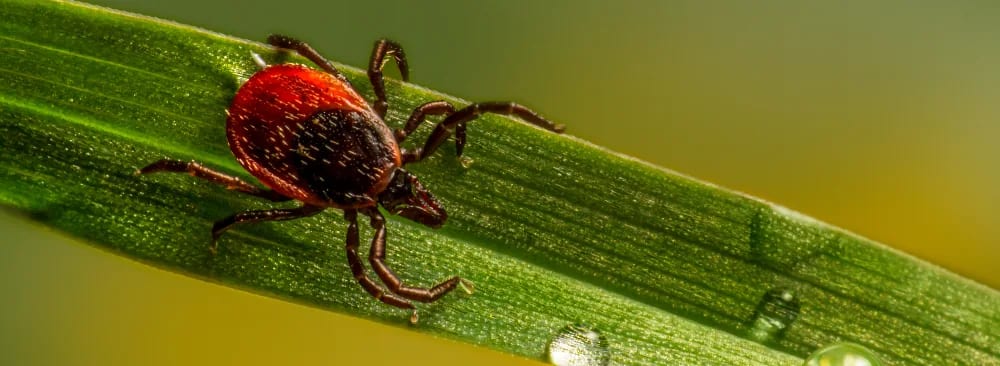
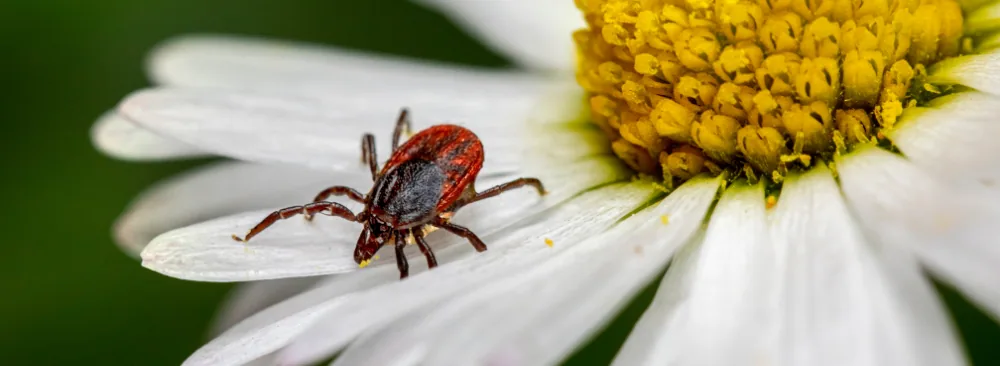
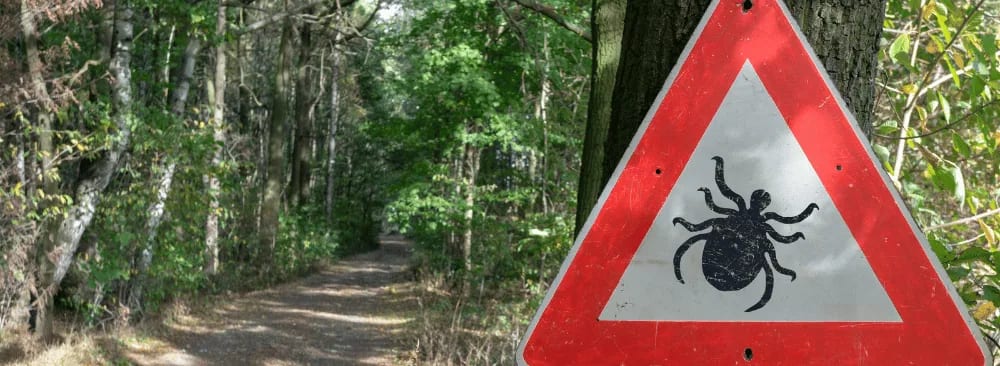
In Quebec, several tick species are present, including the blacklegged tick (Ixodes scapularis), the primary vector of Lyme disease. Due to climate change, their geographic distribution is expanding northward, increasing public health risks. It is crucial to be aware of these species and take preventive measures, such as wearing long clothing during outdoor activities, using repellents, and regularly checking skin and clothing after spending time in nature.
Due to climate change, ticks are active earlier and for longer periods in Quebec, increasing the risk of diseases like Lyme disease. To protect your family and pets, wear long clothing during outdoor activities, use appropriate repellents, regularly check skin and fur, and consult a veterinarian for suitable preventive treatments.
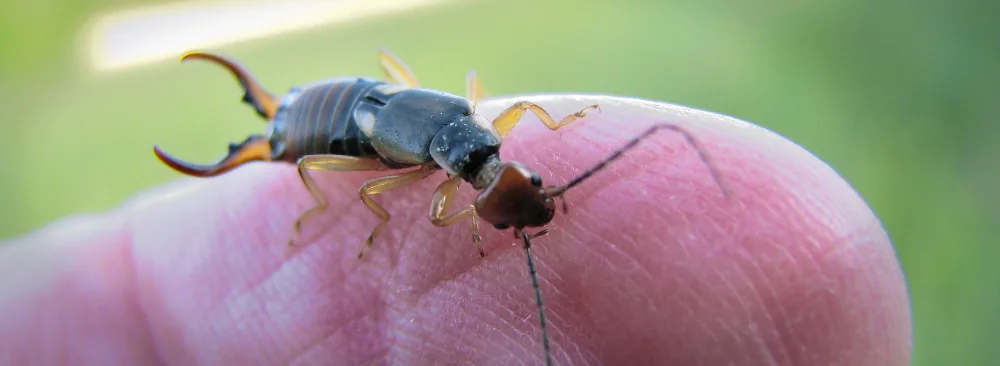
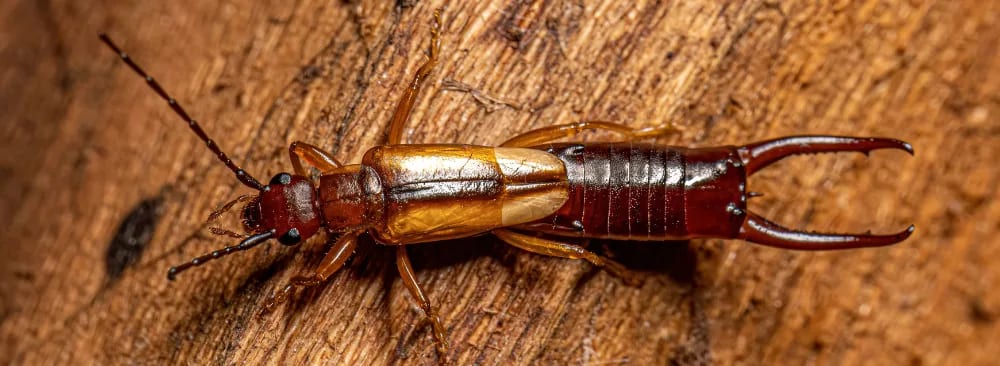
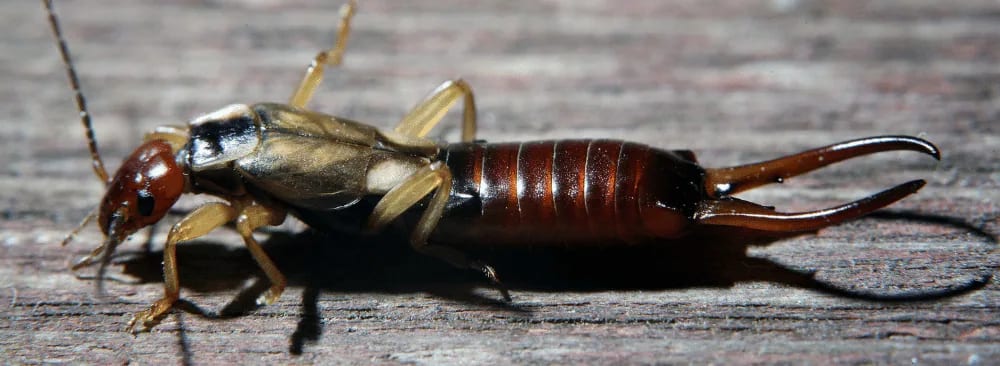
Earwigs, drawn to moisture and dark areas, often seek shelter inside Quebec homes during summer, especially after heavy rains or during dry spells. While generally harmless, their presence can become bothersome. To prevent their entry, it's advisable to seal cracks, reduce indoor humidity, and keep the exterior environment tidy.
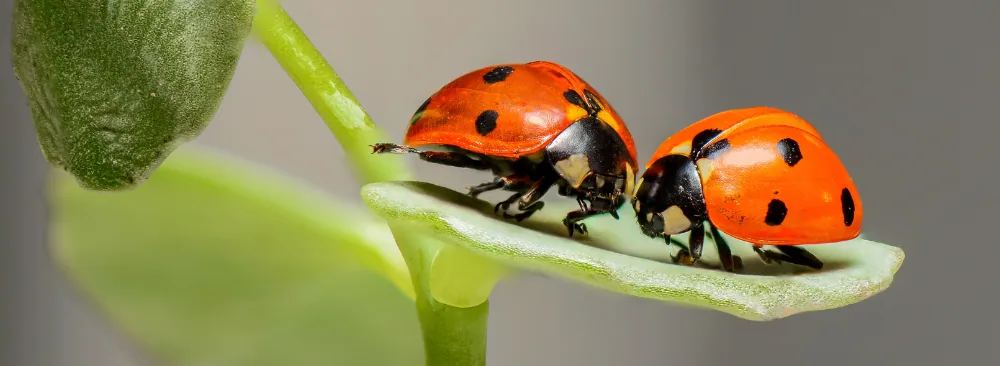
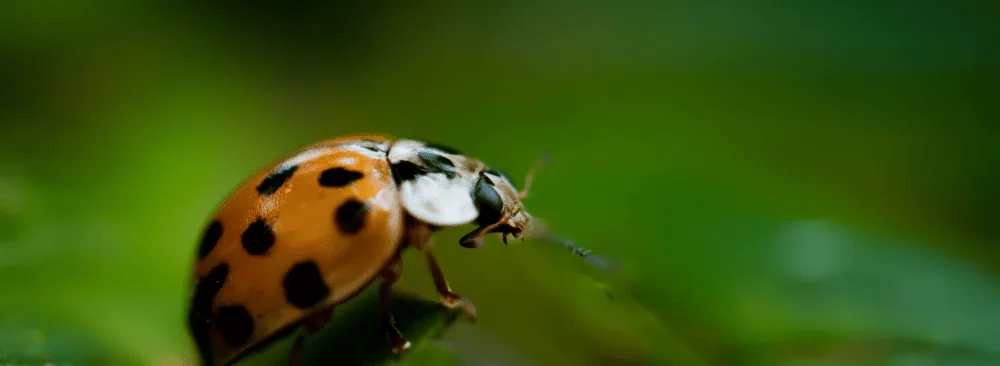
In autumn, Asian lady beetles seek shelter in homes for the winter, drawn by warmth and light. While harmless, their large numbers can be bothersome. To deter them, it's advisable to seal entry points, use natural repellents like white vinegar, and gently remove them with a vacuum equipped with a bag.
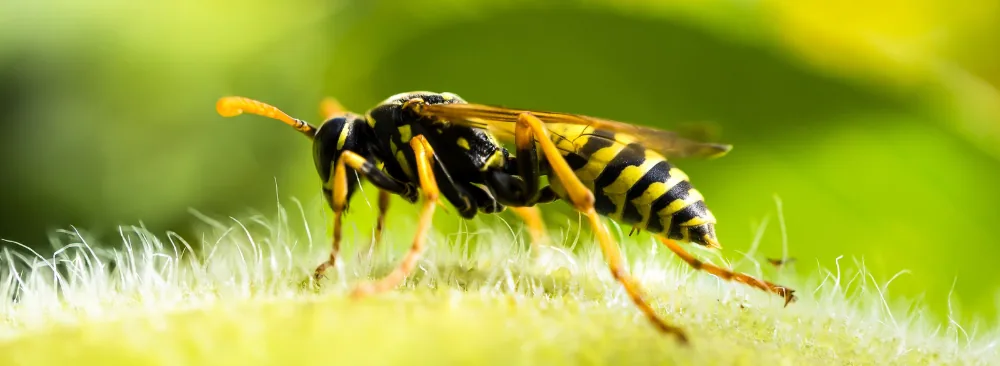
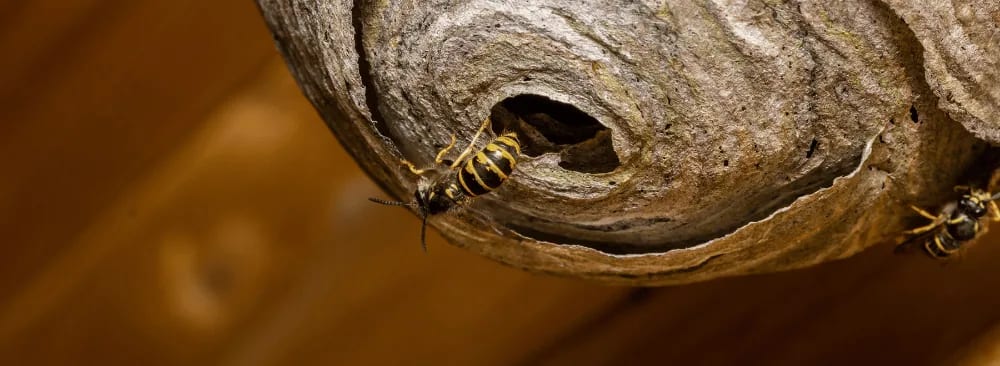
In Quebec, wasps such as the Eastern yellowjacket, European paper wasp, and bald-faced hornet become particularly active during the summer, building nests in various locations like eaves, attics, or shrubs. While they play a significant ecological role, their proximity to inhabited areas can pose dangers, especially for allergic individuals. The article emphasizes the importance of correctly identifying the species and nest location to determine the best intervention method, whether through safe DIY solutions or by consulting professional pest control services.
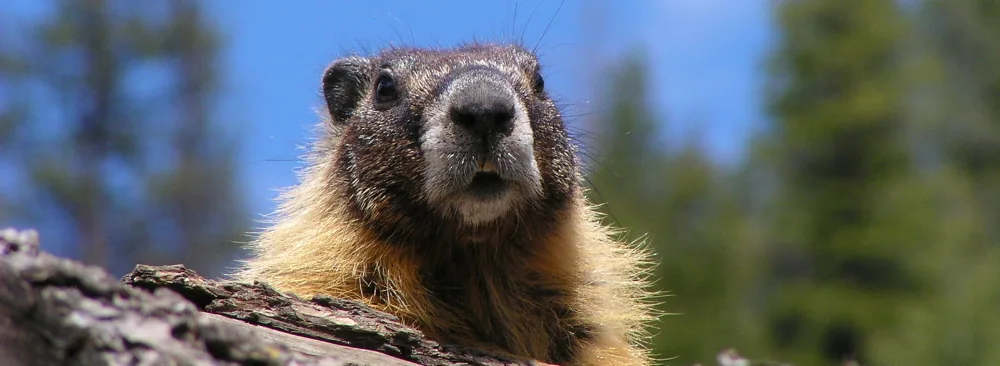
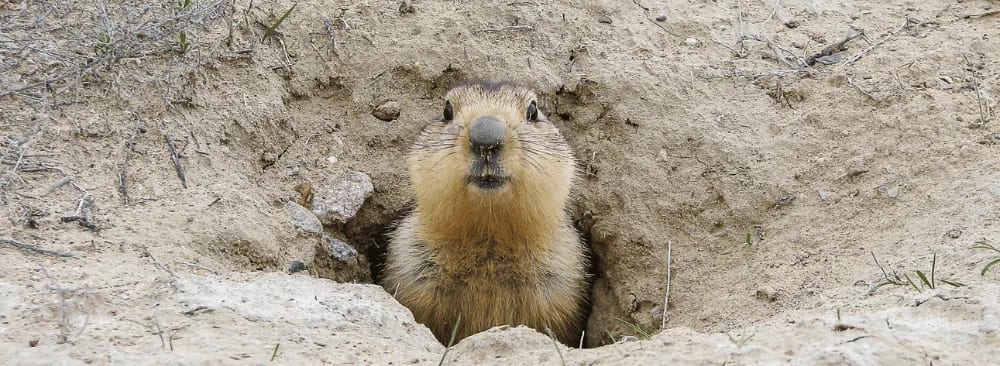
Groundhogs, although important to the ecosystem, can cause significant damage to Quebec gardens by digging burrows and feeding on plants. To prevent these intrusions, environmentally friendly methods are recommended, such as installing buried fencing, using natural repellents like garlic or cayenne pepper, and modifying the habitat to make it less attractive. These strategies, combined with regular monitoring, help effectively protect green spaces while respecting local wildlife.
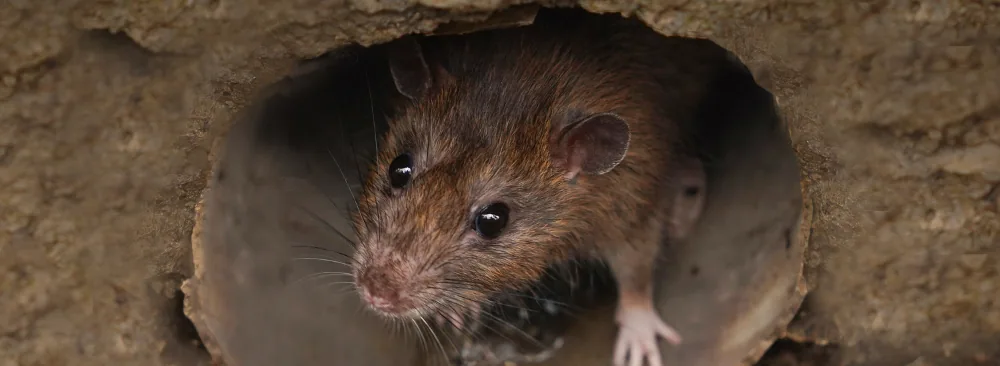
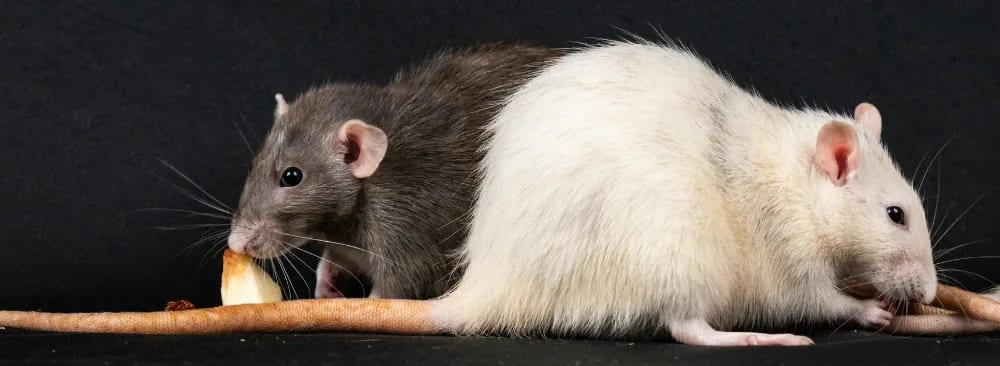
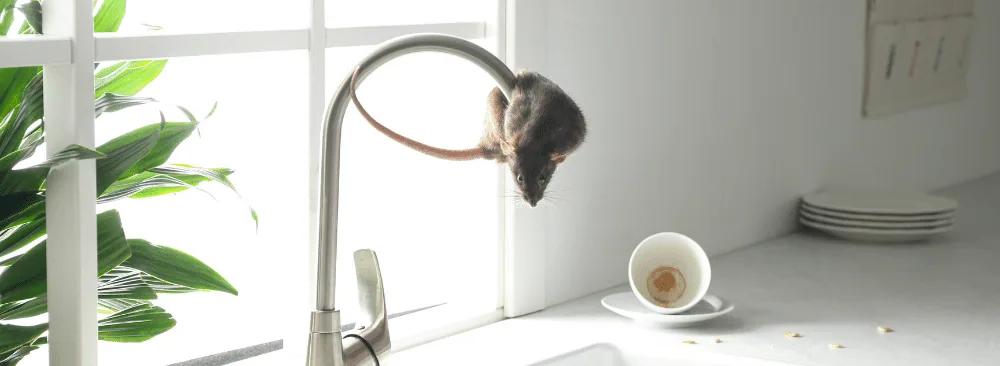
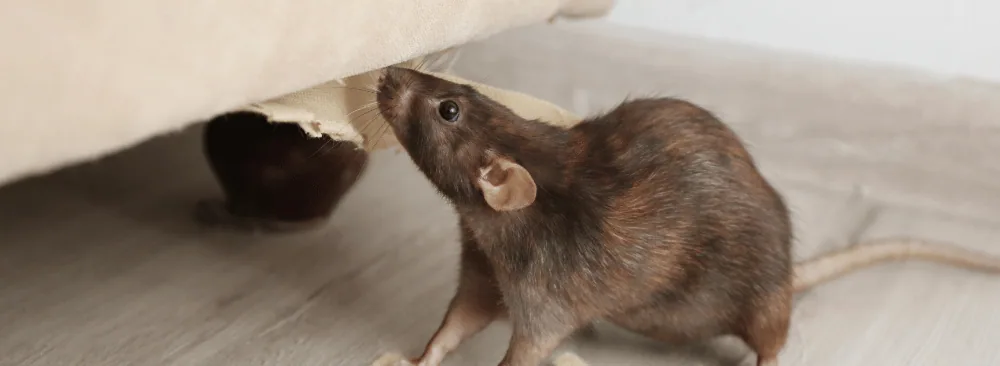
Rats can cause insidious damage to plumbing systems by gnawing on pipes, particularly PVC, creating entry points into homes. These intrusions can lead to issues such as foul odors, leaks, and health risks associated with disease transmission. Regular inspection of pipes, installation of rodent-proof devices, and sealing of cracks are essential to prevent such infestations.
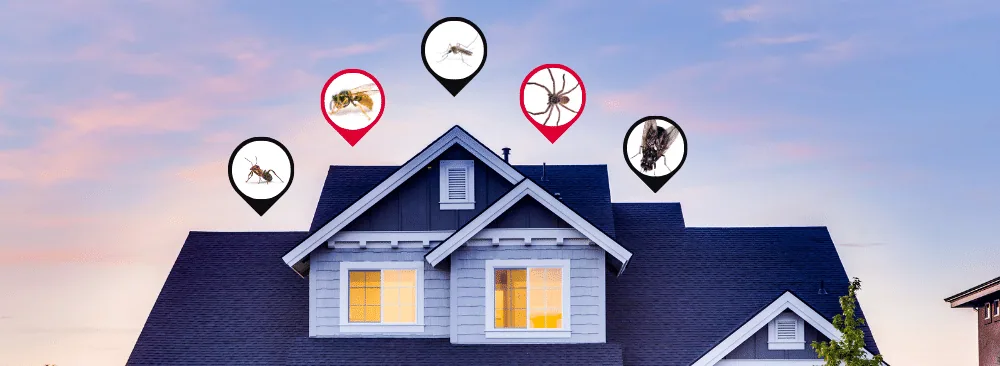
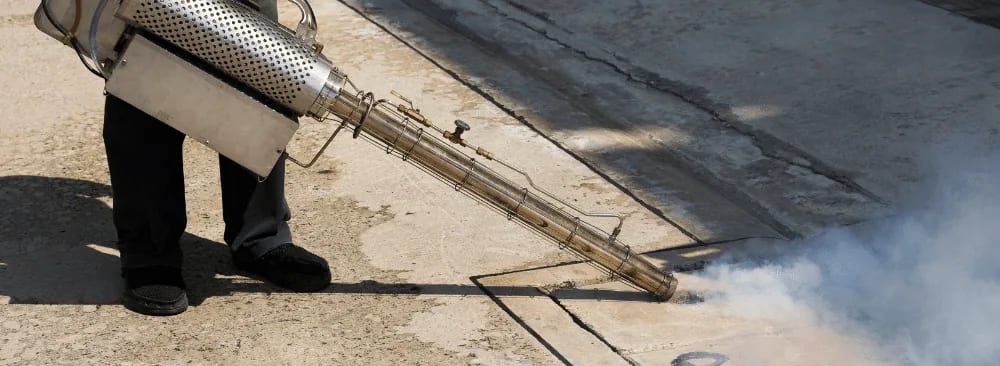
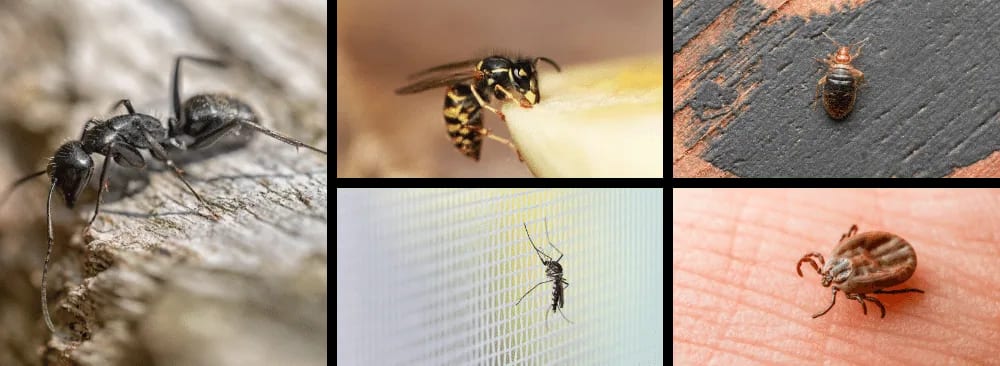
In Quebec, flying insects such as mosquitoes, houseflies, and wasps pose public health risks, notably as vectors of diseases like West Nile virus. Their proliferation is influenced by seasonal factors such as temperature and humidity. Integrated control methods, including habitat management and the use of innovative technologies, are essential for effective and sustainable control.
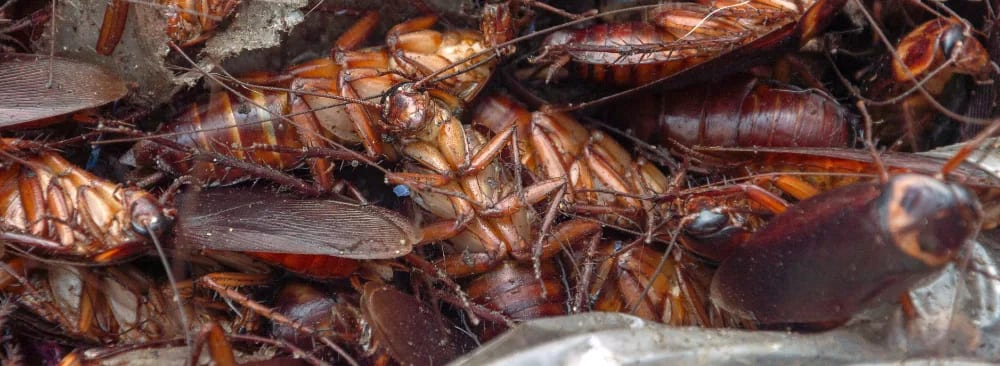
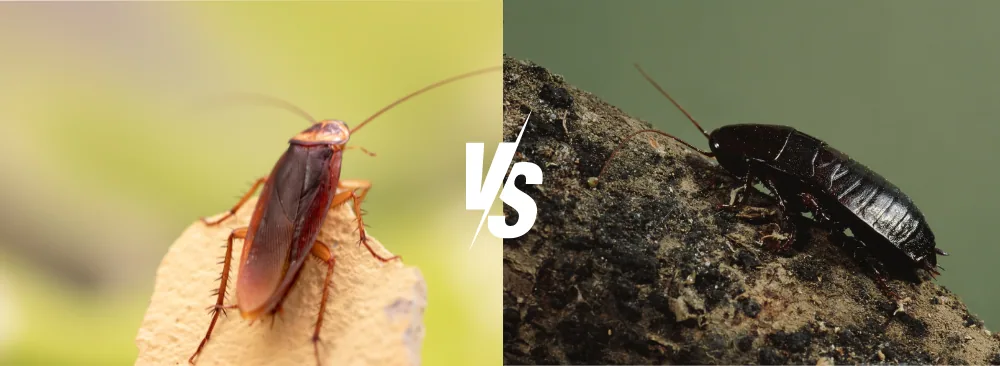
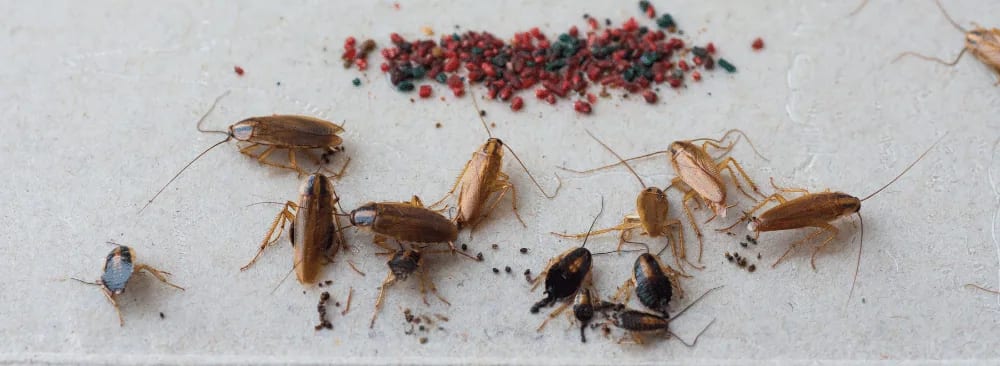
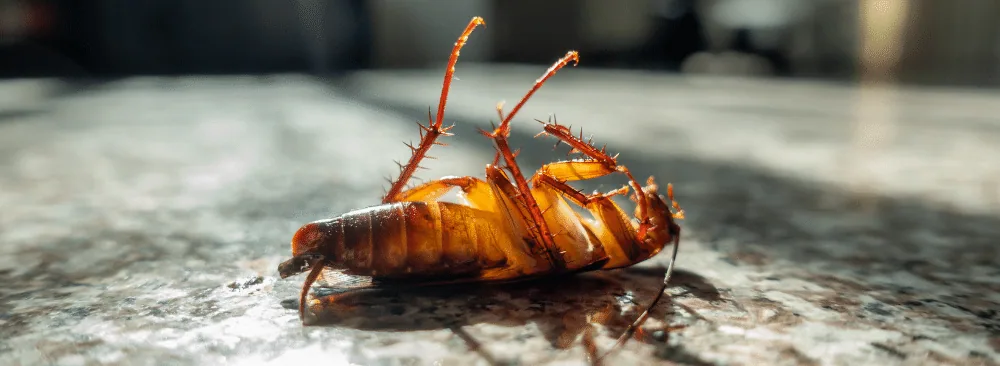
The color of cockroaches is a key factor in identifying different species. For instance, the German cockroach has a light brown hue with two dark stripes, while the Oriental cockroach is uniformly dark brown. These differences are not merely aesthetic; they influence behavior, habitat, and resistance to treatments. Accurate identification is thus essential for effective pest management.
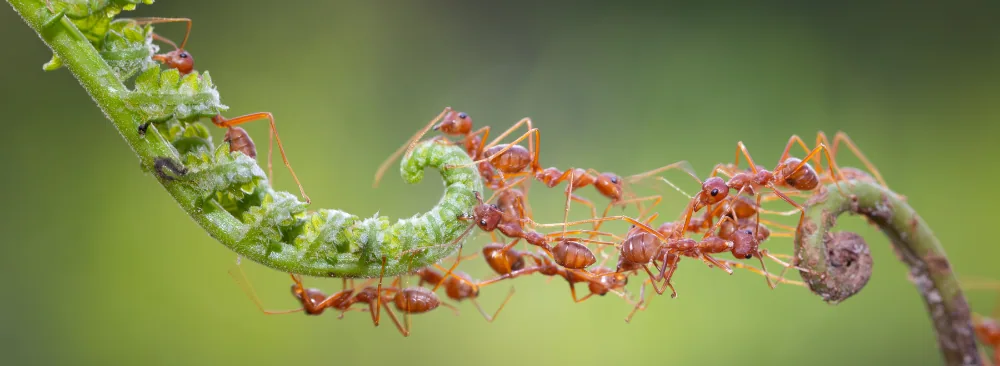
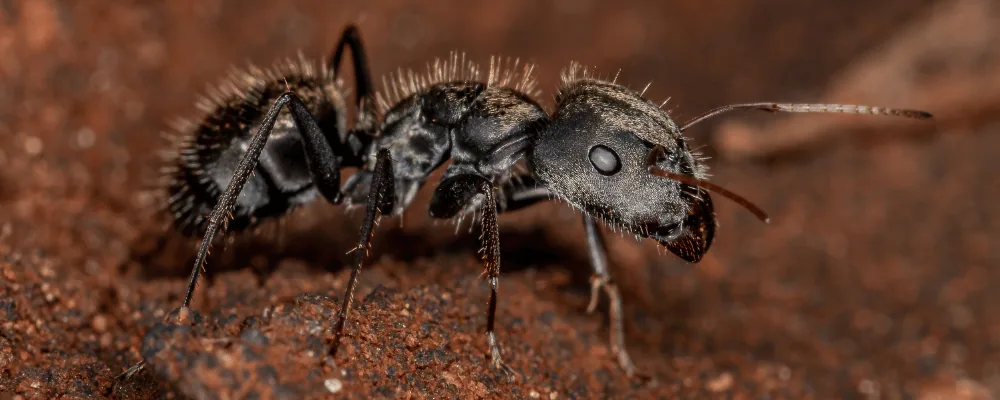
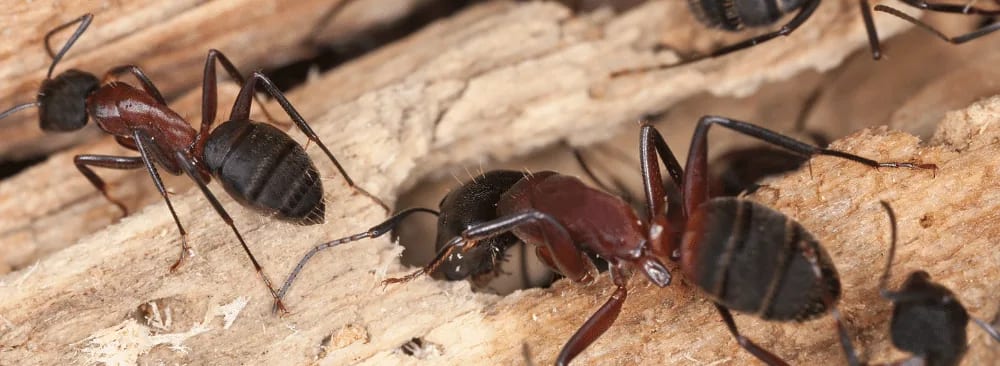
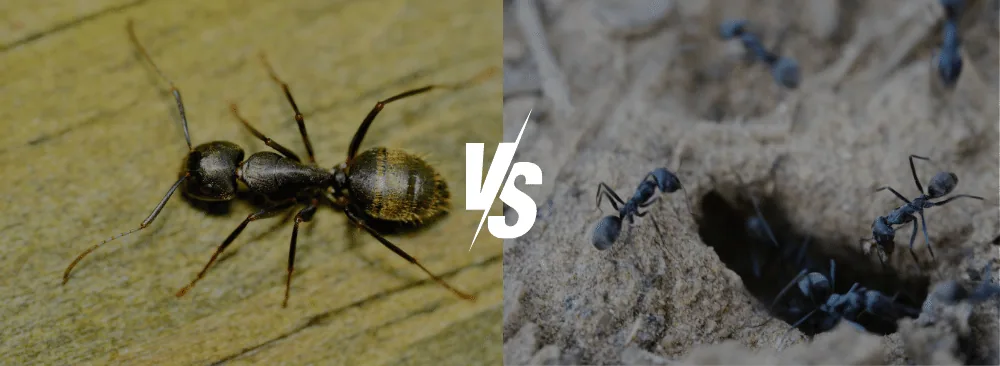
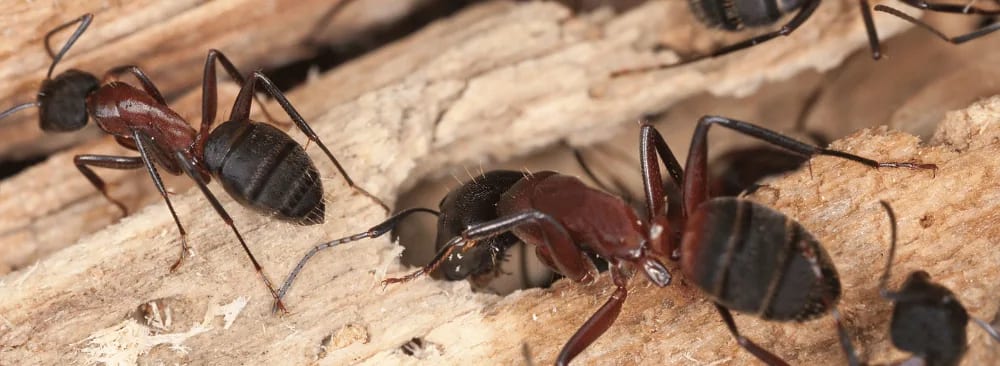
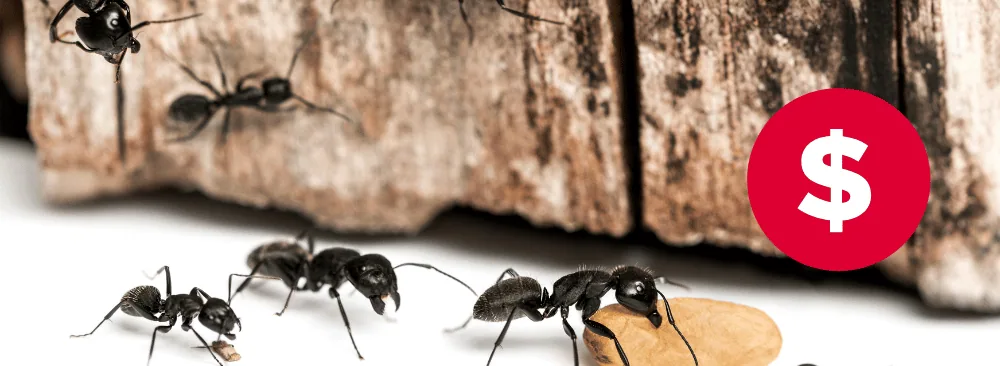
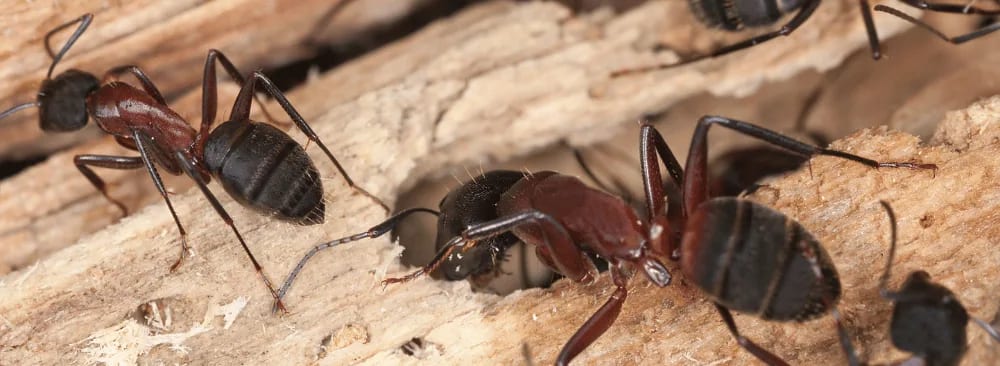
Carpenter ants can cause structural damage by excavating wood to establish their nests. Signs of infestation include sawdust piles, rustling noises within walls, and sightings of worker ants. An effective approach combines nest identification, use of insecticidal baits, and addressing moisture issues to prevent future infestations.
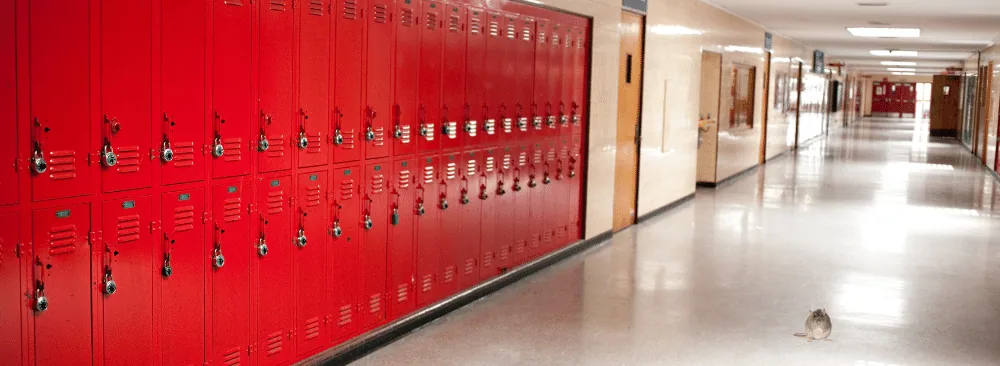
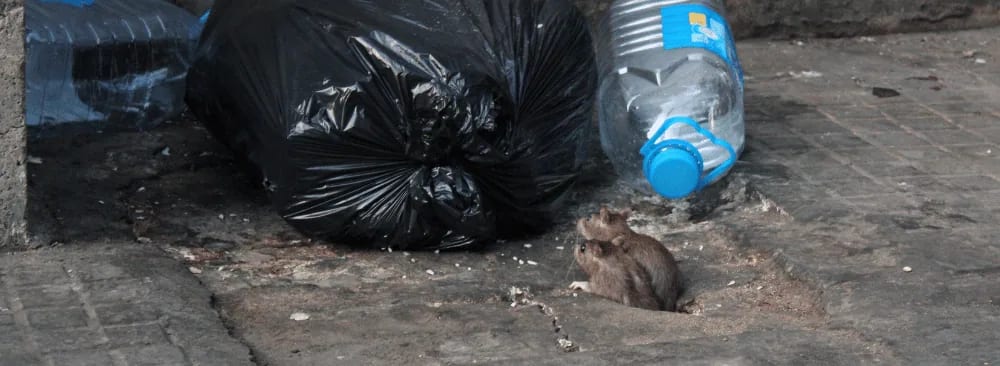
In Montreal, rat infestations are increasingly common due to the city's dense urban environment and varying climatic conditions. Effectively addressing this issue requires selecting a qualified exterminator with the necessary certifications, substantial experience, and environmentally friendly methods. A professional approach ensures not only the elimination of rodents but also the prevention of future infestations.
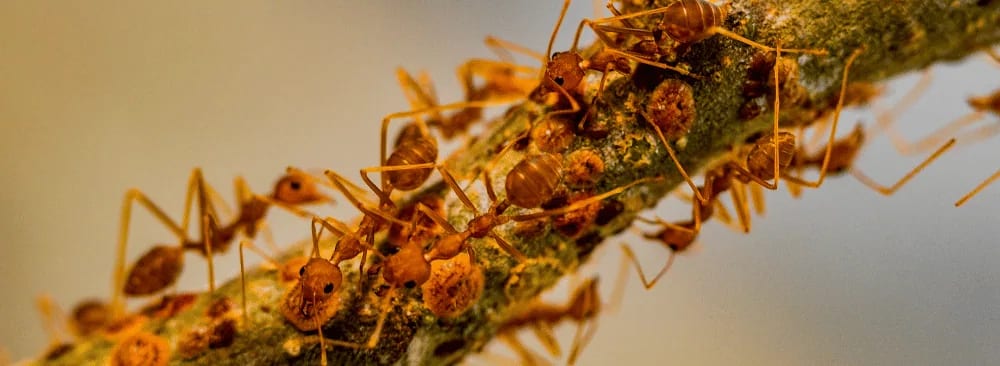
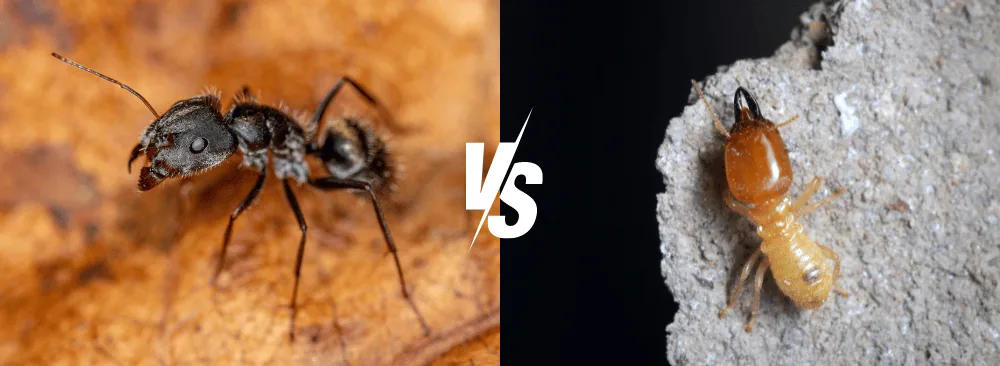
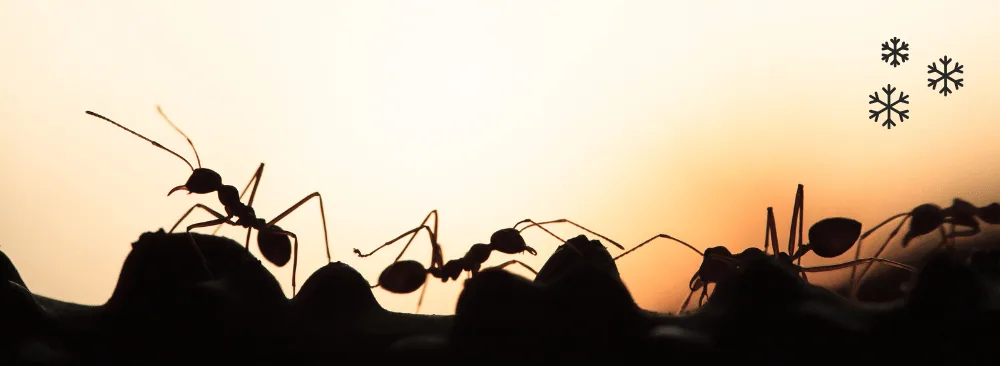
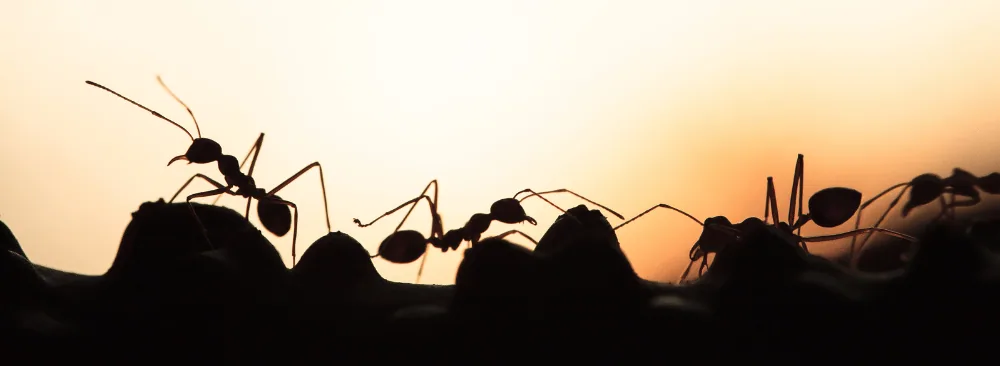
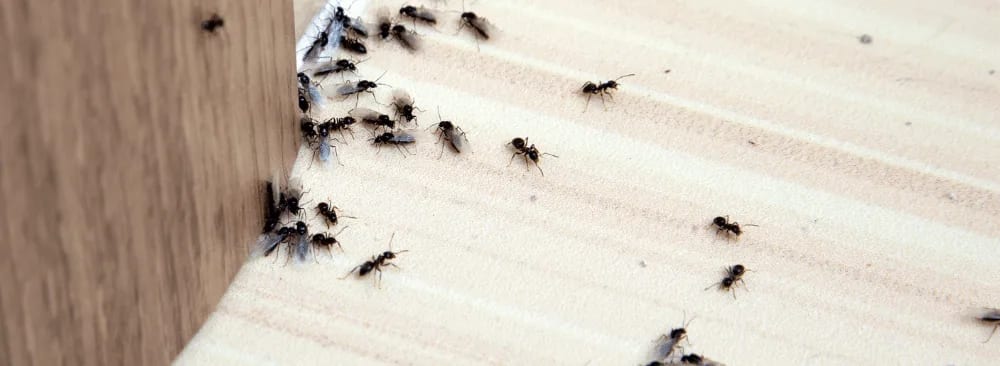
Ant infestations are a common nuisance in homes, especially during warmer months. Effective management involves identifying the ant species—such as carpenter ants, pharaoh ants, or pavement ants—and implementing targeted strategies. Integrated Pest Management (IPM) emphasizes prevention, monitoring, and targeted treatments to minimize environmental impact while effectively reducing ant populations. Key steps include sealing entry points, eliminating food sources, and addressing moisture issues. For persistent problems, professional pest control services can provide customized solutions to ensure a long-term, ant-free environment.
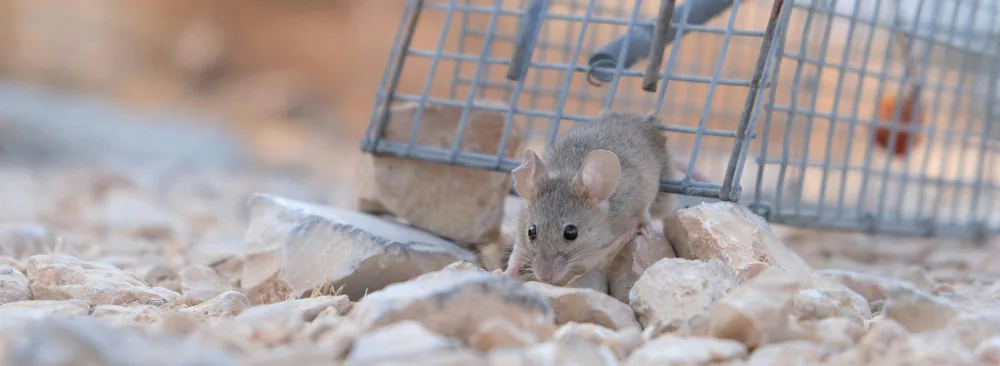
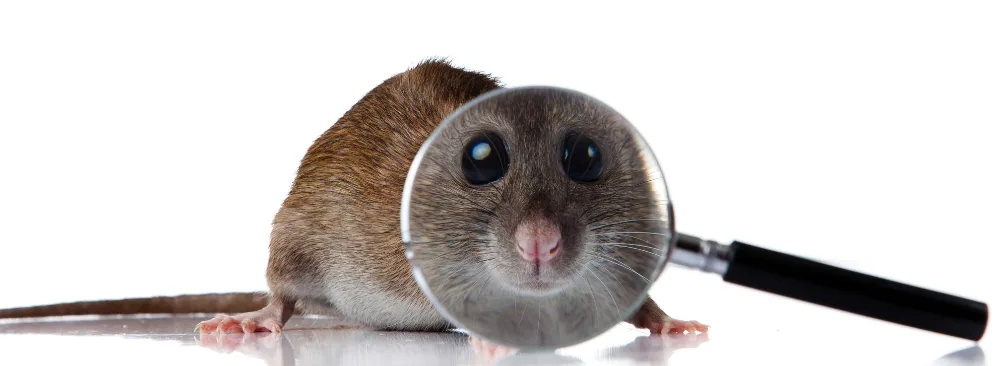
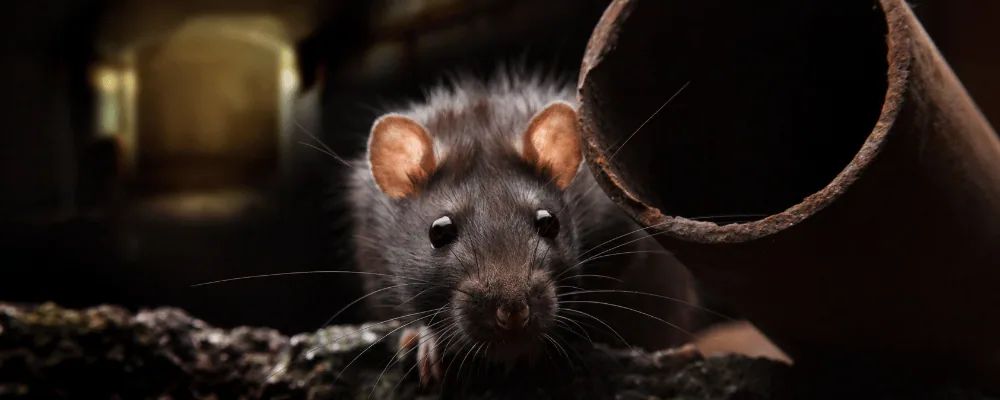
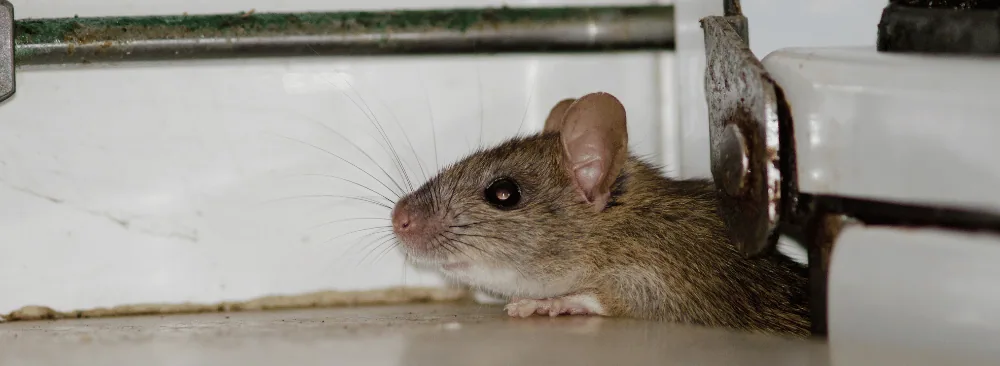
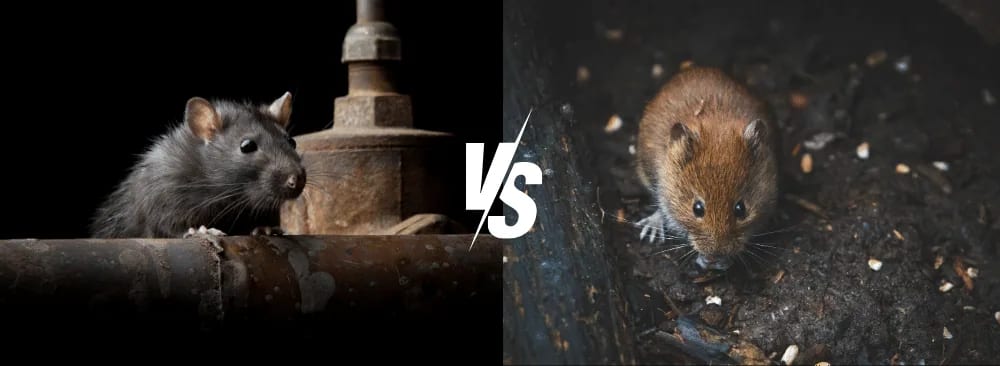
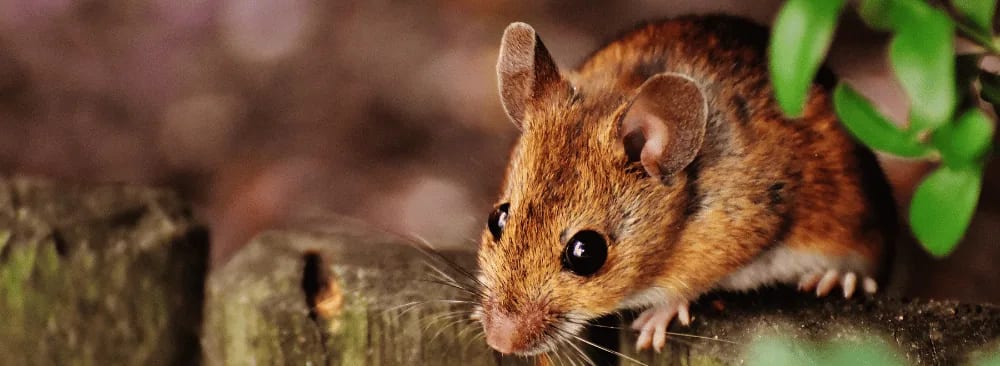
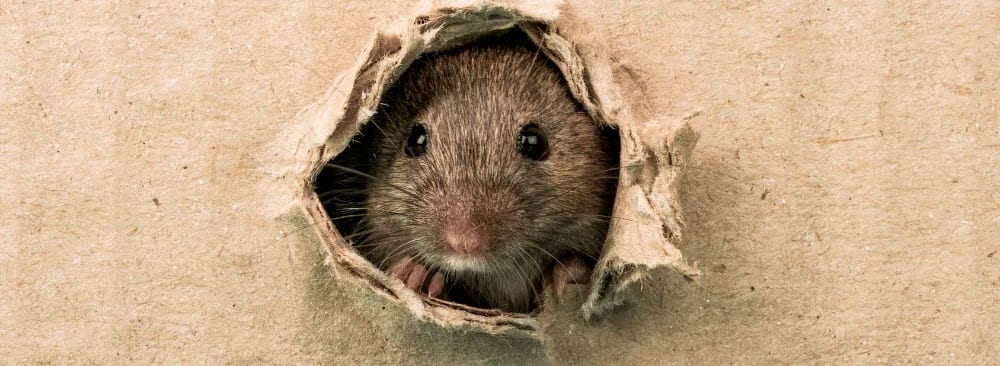
While both rats and mice are rodents, they exhibit significant differences in size, behavior, and habitat. Rats are larger, with thick tails and smaller ears, whereas mice are smaller, featuring thin tails and large ears. Recognizing these distinctions is crucial for implementing effective and species-specific pest management strategies.
Some insects, such as poplar weevils, brown marmorated stink bugs, clover mites, and certain spiders, can be mistaken for ticks due to their similar appearance. However, these species differ significantly in behavior, habitat, and the risks they pose to human health. Accurate identification is essential to avoid unnecessary concern and to apply the right preventive measures.
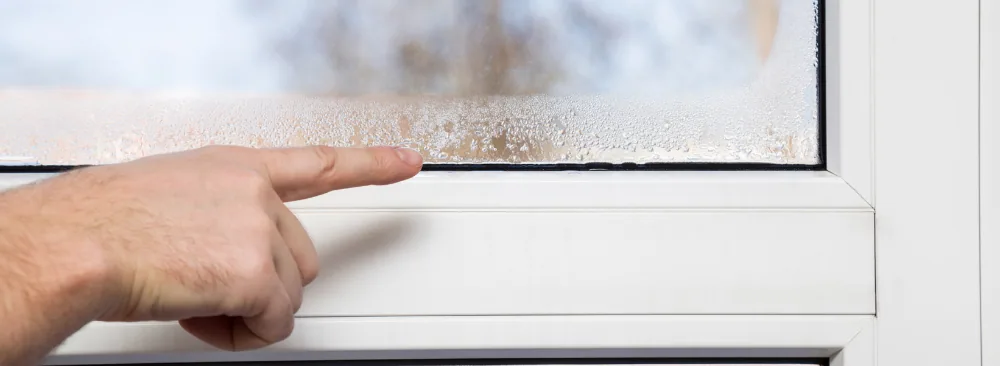
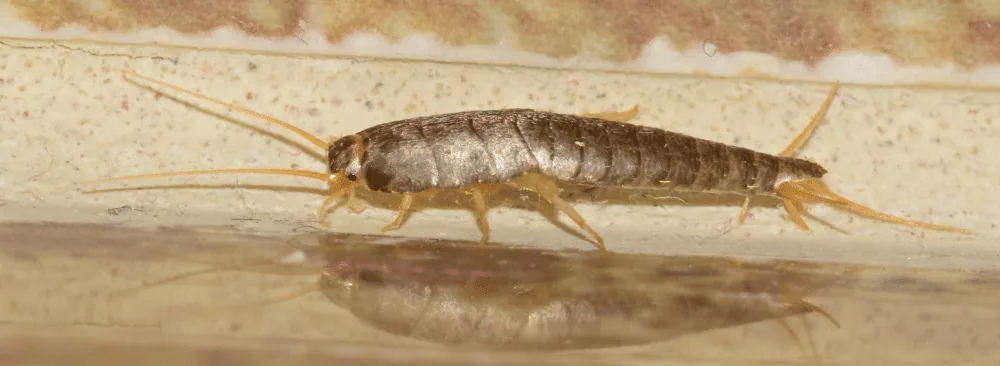
Moisture insects—such as silverfish, earwigs, centipedes, and springtails—are common nuisances in homes with high humidity levels. These pests thrive in damp environments, often causing discomfort and potential damage to property. An effective control strategy combines environmental management, sanitation, and, if necessary, professional pest control intervention. The first step is to maintain indoor humidity between 30% and 50%.
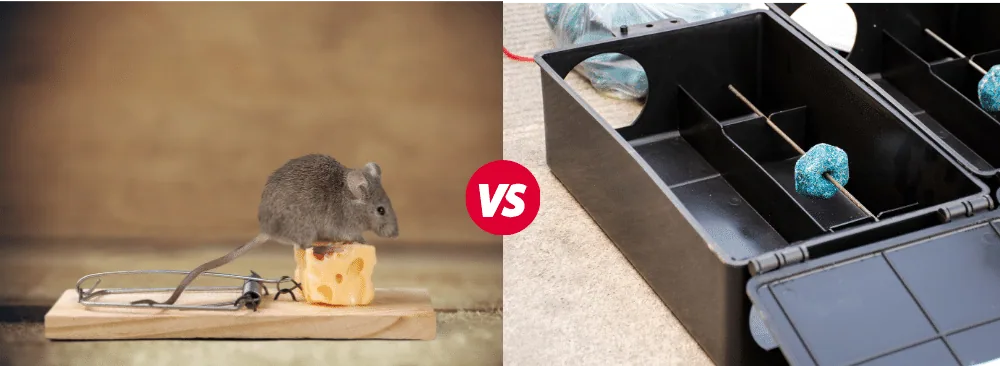
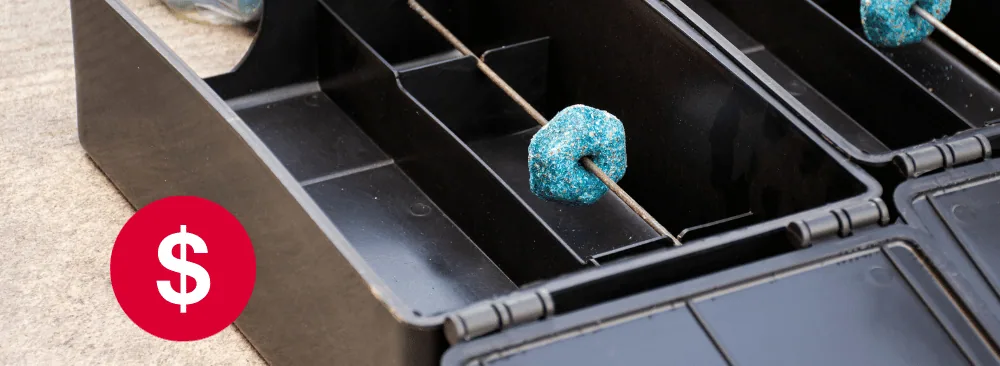
When dealing with a rodent infestation, homeowners must choose between mouse traps and rodenticides. Traps, free of chemicals, provide immediate results and are safer for households with children or pets. Rodenticides, effective for larger infestations, pose health and environmental risks. An integrated approach, combining physical and chemical methods, is often recommended for effective and sustainable management.
Heat treatment is an effective and eco-friendly method to eliminate bed bugs at all life stages. By exposing infested areas to high temperatures, typically between 49°C and 60°C (120°F to 140°F), for several hours, this process reaches hidden spots where these pests reside. Unlike chemical treatments, heat penetrates cracks, furniture, and fabrics, ensuring complete eradication without toxic residues.
Explore the winter behavior of carpenter ants, their ability to adapt, and the survival strategies that allow them to thrive even in the coldest months.
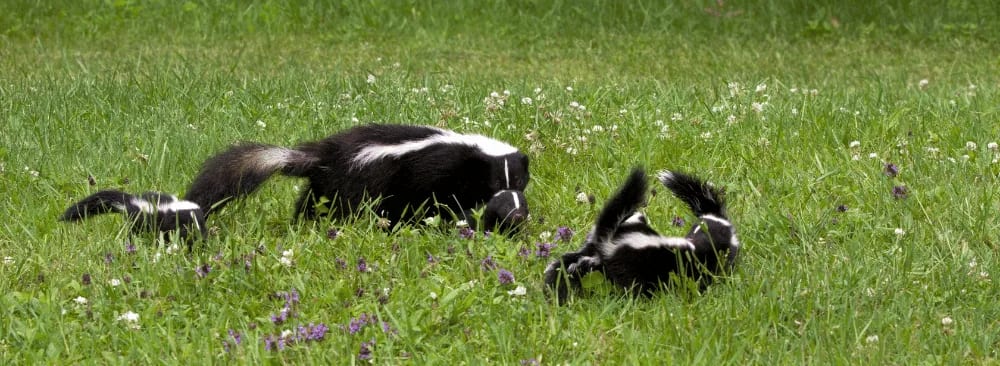
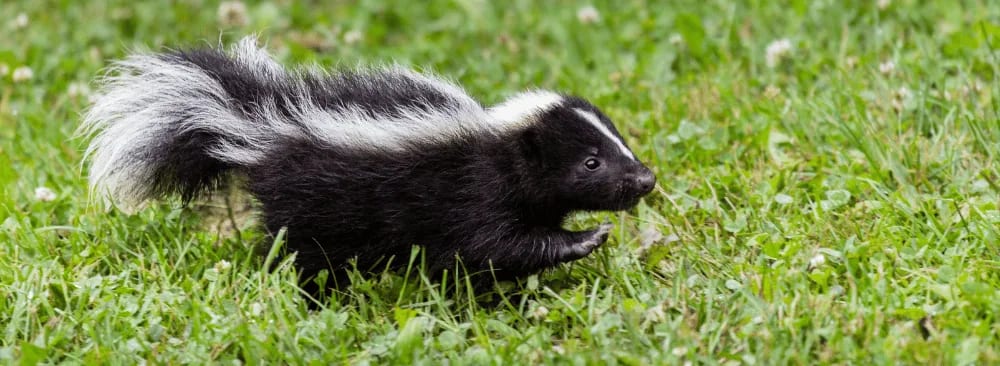
Skunk lurking under your shed? Discover safe and humane methods to remove it. Turn to us for expert advice and proven solutions to handle wildlife nuisances.
Biopesticides are effective against bed bugs, offering eco-friendly and safe solutions. Discover the techniques used by pest management professionals in Quebec.