Rice weevil
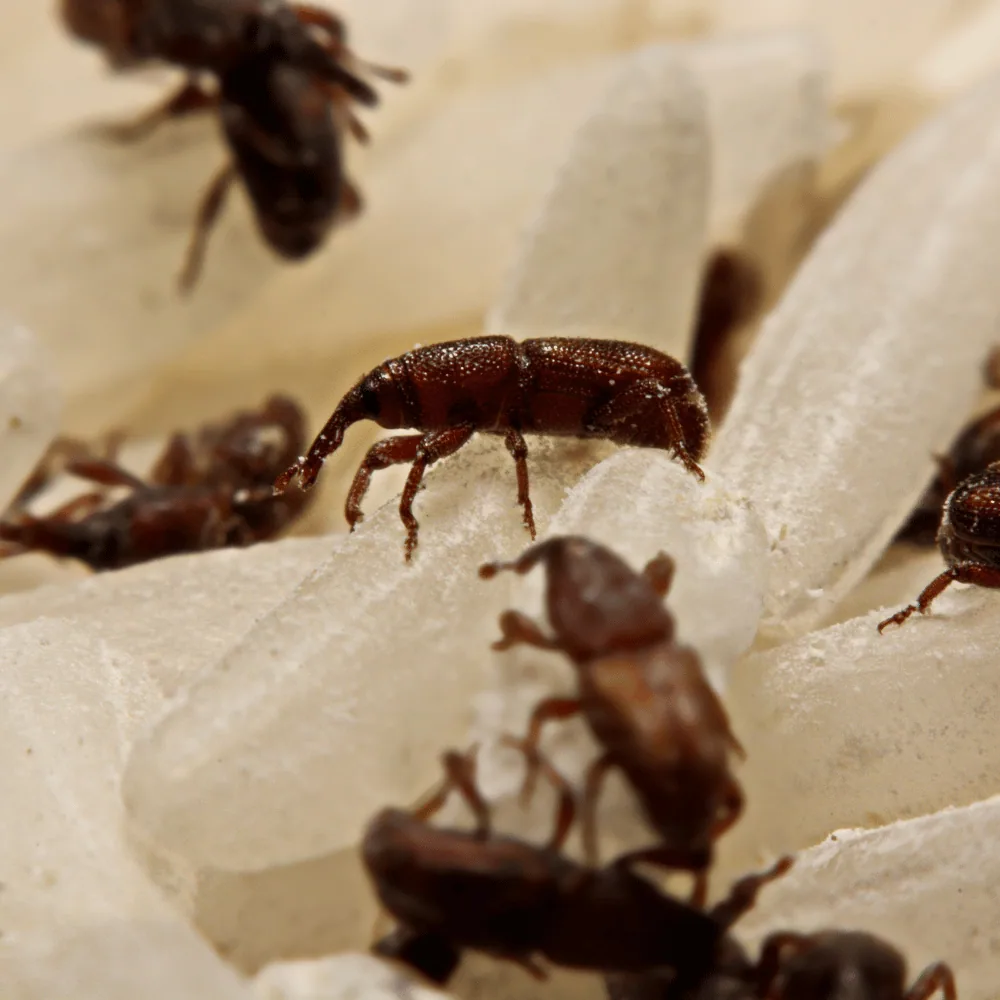
The rice weevil, Sitophilus oryzae, is a beetle found wherever dry foodstuffs are stored — homes, warehouses, mills and grocery stores. Rice attracts it above all, but it will also infest wheat, corn, pasta, barley, quinoa, pulses and even pet kibble. Its way of breeding is insidious: it lays directly inside the grain, which is why an infestation is so often missed at first. In Quebec it is one of the most frequently seen stored-product insects, particularly in poorly ventilated pantries and in forgotten bags of grain.
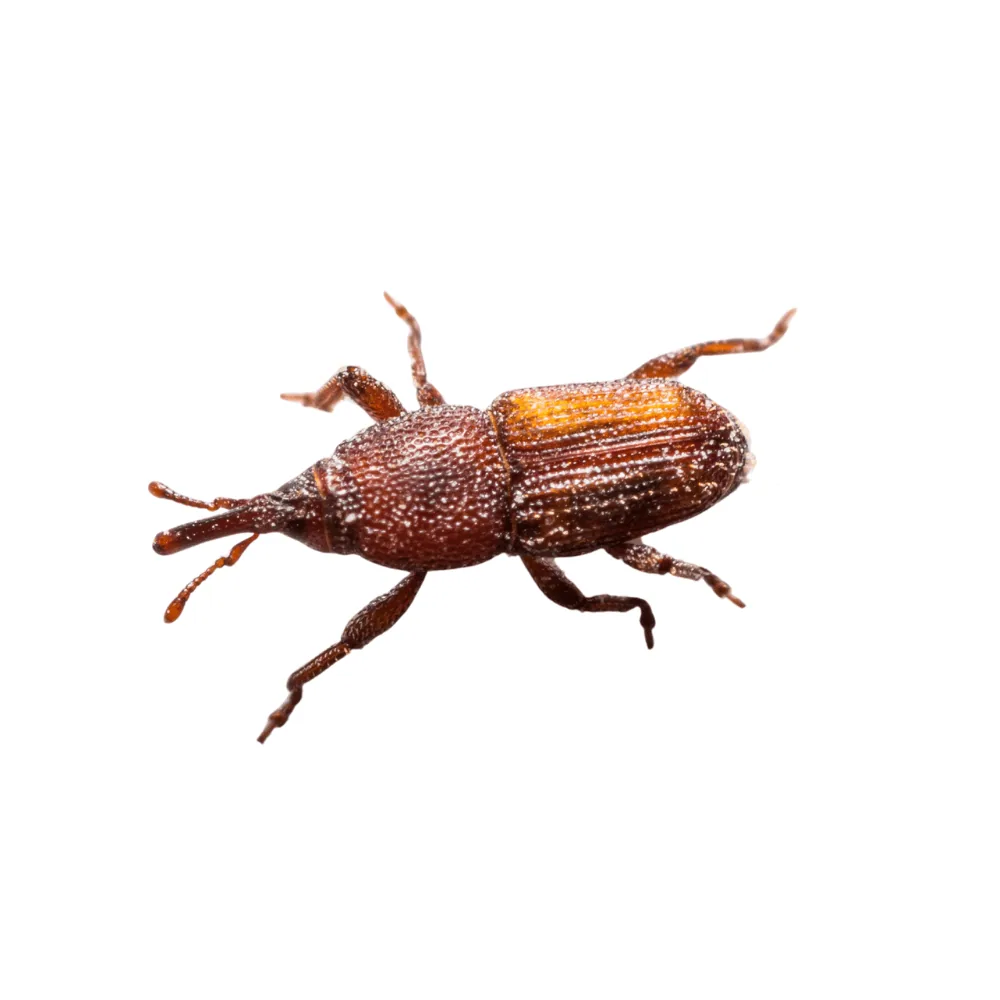
Appearance
- Size: about 2.5 to 4 mm
- Reddish-brown to dark brown
- Elongated body with a rostrum, a snout-like extension of the head
- Two pairs of wings, though it does not always fly
- Antennae curved forward
- Four small pale spots on the wing cases
Behaviour
- Makes no noise and does no visible damage to the building
- Does not bite or sting
- Moves slowly, usually seen around bags or in dark corners
- Travels in bags of rice, bulk containers or goods bought where ventilation is poor
- Tolerates dry, enclosed places very well
Life cycle
- Cycle length: 25 to 40 days depending on temperature
- Egg laying: up to 300 eggs per female
- Hatching: 3 to 5 days
- Larval stage: 18 to 25 days
- Pupation: 5 to 7 days
- Adult: lives up to 6 months
- Optimal conditions: around 27 °C and 70% humidity
Diet
- Rice
- Wheat, flour, semolina
- Corn, oatmeal, oats
- Barley, quinoa
- Dry pulses (lentils, chickpeas)
- Pet kibble
- Pasta
UNDERSTAND, PREVENT, ACT
Finding insects in your food is a shock. It is not, however, a question of personal hygiene: these insects usually arrive in bags or boxes that were already infested at the store or the depot. Their presence points to long storage or to goods that were never inspected.
Common mistakes:
- Assuming they came in from outside, when they were most often already inside a sealed package
- Keeping food in its original bag: thin plastic will not contain an infestation
- Reaching for a household insecticide: ineffective, and dangerous around food
- Ignoring the packages next to the infested one: weevils move between them, sealed or not
What to do instead:
- Inspect every container as you buy it, especially bulk or discounted goods
- Transfer grain straight into airtight glass or rigid plastic containers
- Vacuum and wipe the pantry regularly
- Keep products away from heat and humidity
- Freeze susceptible grain (72 hours at -18 °C kills the eggs)
- Use bay leaves or repellent sachets, as prevention only
Once an infestation is under way, every suspect product has to go, even unopened ones. A full clean of the pantry — corners, cracks and containers included — is essential. Professional help is worth it when the problem keeps coming back or reaches several storage areas.
Risks, common mistakes and lasting solutions
The rice weevil is no direct threat to health, but it causes real financial loss by contaminating food. Its activity can render large quantities of dry goods unfit to eat.
Mistakes to avoid:
- Keeping contaminated food in the belief that it can be "sorted"
- Forgetting the corners, cracks and shelf joints
- Reusing the same containers without disinfecting them
Measures that last:
- Store everything in airtight containers
- Check the back of the pantry often
- Freeze susceptible products before storing them
- Buy smaller quantities when they are used slowly
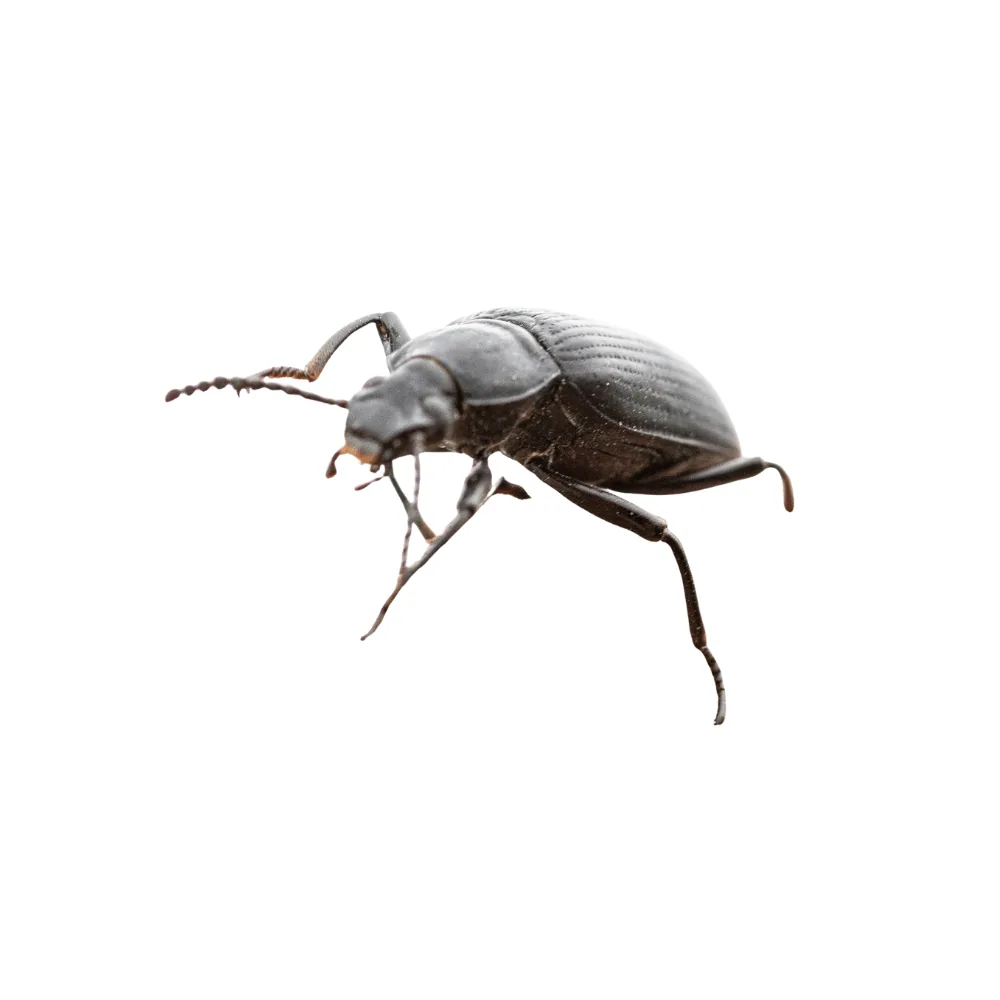
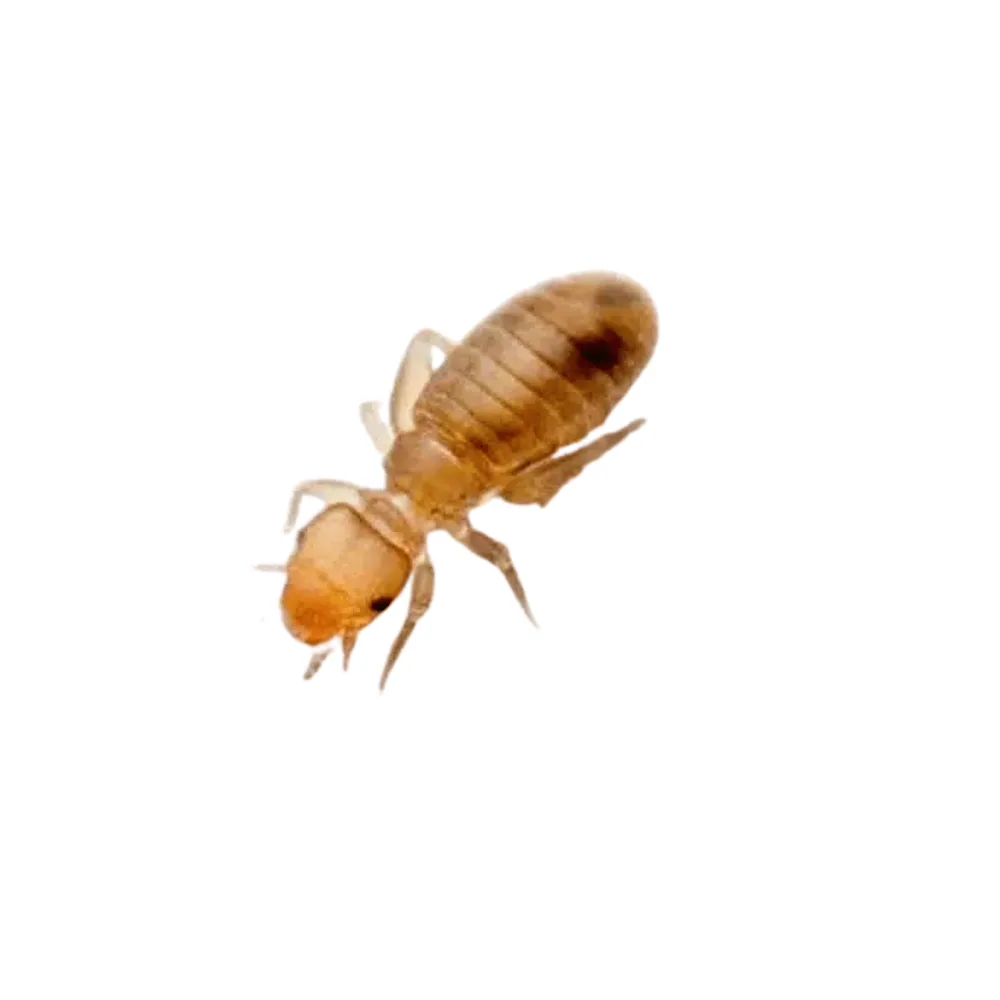
Related species
Request a quote
Need help? We’re here!
A certified technician assesses your situation and proposes a treatment plan suited to it.