Fruit fly
The fruit fly, also known as drosophila, is a tiny insect often seen circling ripe fruit, a forgotten glass or a compost bin. It is common in home kitchens, food businesses, bars, restaurants and grocery stores, particularly in summer and during hot spells. It is no major health hazard, but it does create a genuine hygiene problem and can damage a business’s reputation. A single forgotten food source is enough to set off a rapid infestation, so short and so efficient is its breeding cycle.
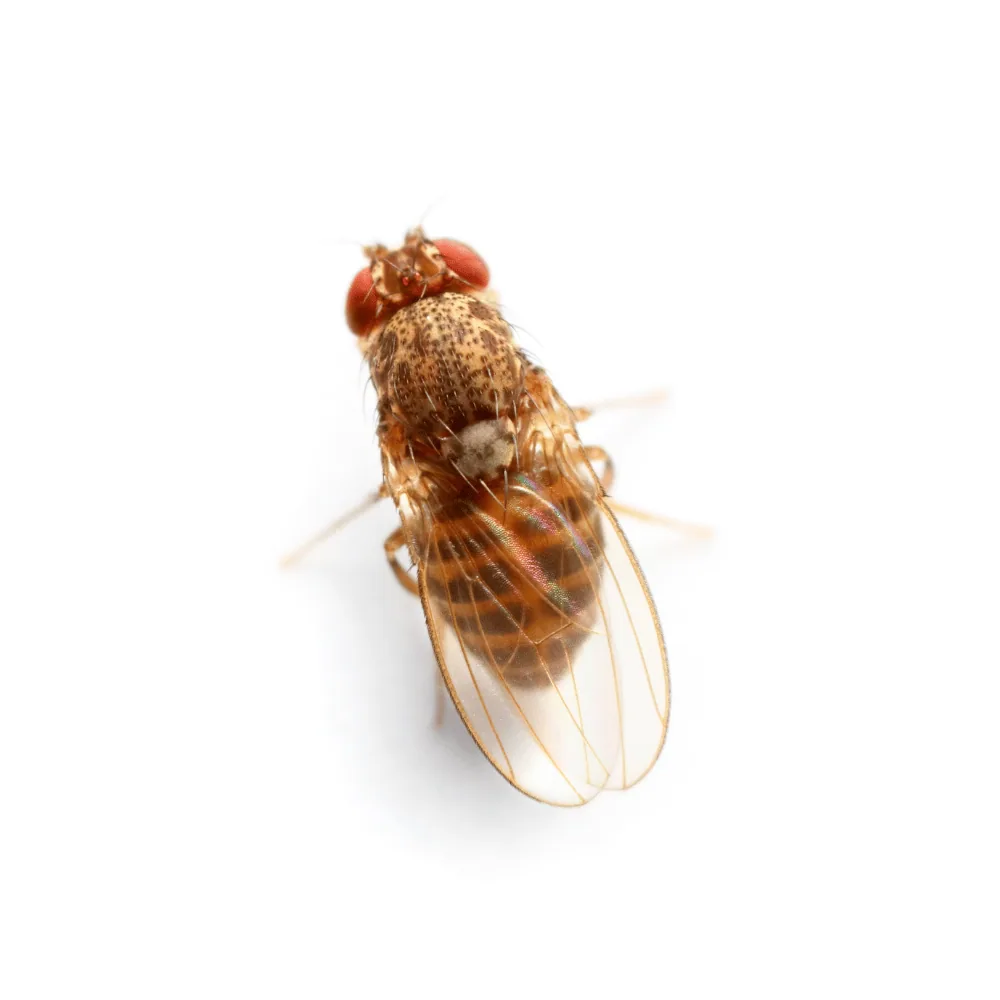
Appearance
- A tiny insect 3 to 4 mm long
- Yellow-brown to brownish body, the abdomen banded with darker rings
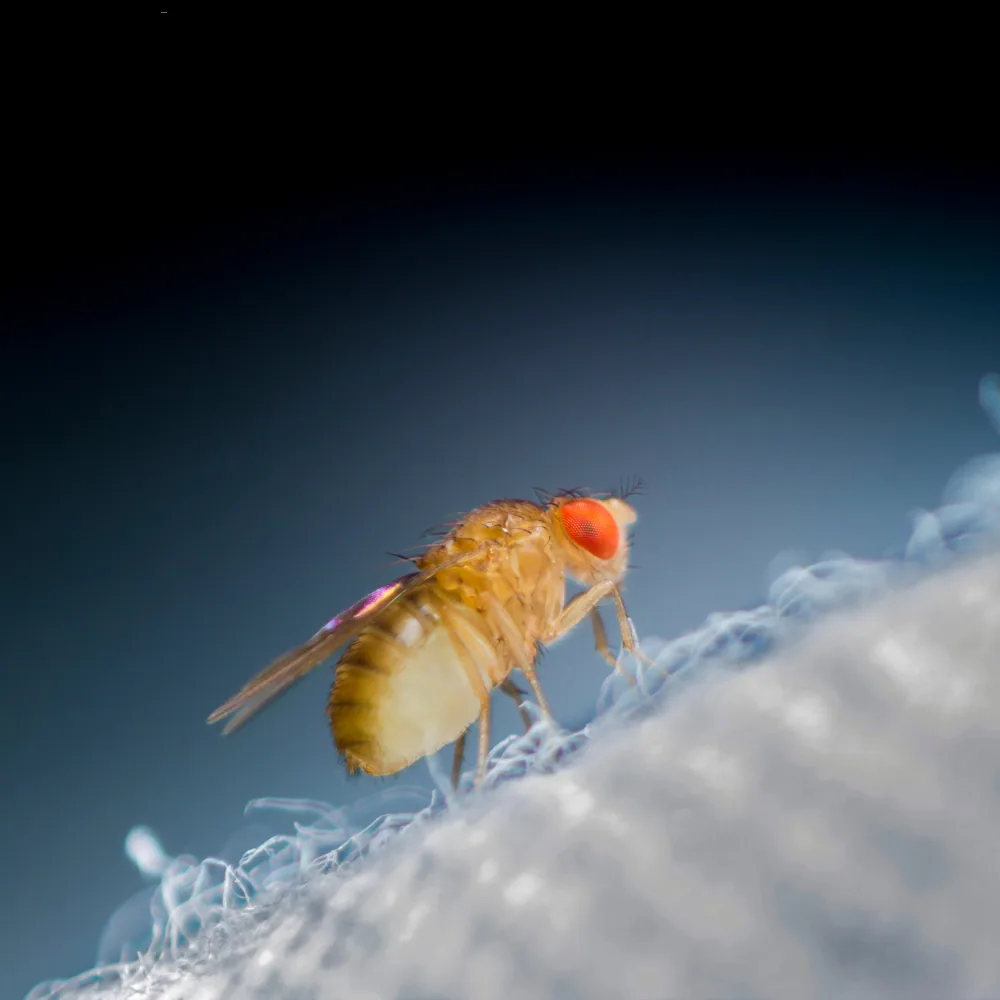
- Large compound eyes, usually bright red
- Short antennae and translucent wings folded over the body at rest
- Does not sting or bite
Behaviour
- Drawn to the smell of fermentation: ripe fruit, wine, beer, vinegar, compost
- Often seen flying in small circles above food or drains
- Takes off at the slightest movement or passing shadow, which makes it hard to catch
- The female lays directly on or near fermenting matter
- Can breed year-round inside heated buildings
Life cycle
- A female can lay up to 500 eggs in her lifetime
- Eggs hatch in less than 24 hours
- Larvae develop in 5 days
- Pupation lasts 3 to 4 days
- An adult lives 10 to 20 days
Diet
- Very ripe fruit (bananas, tomatoes, melons and the like)
- Juice, beer, wine, vinegar
- Syrup, honey, jam
- Sticky residue in drains or composters
- Yeasts and the micro-organisms behind fermentation, which the larvae feed on above all
UNDERSTAND, PREVENT, ACT
In Montreal and several Quebec cities, the fruit fly is among the pests most frequently reported in home kitchens and food businesses. Even a few of them usually mean an active breeding site: a forgotten piece of fruit, a container that was never properly cleaned, a compost bin in poor condition. Contrary to popular belief, they do not only come from outside — they can emerge from a poorly rinsed wine cork or a spill of sweet juice under a counter.
Several mistakes are common. Homemade traps (vinegar, soap, a paper funnel) may catch some adults, but they do nothing about the cause. An aerosol kills part of the visible population without disrupting the larval cycle. And simply moving the fruit into the fridge achieves nothing if the counter or the floor is still contaminated.
To act effectively:
- Remove all fruit left in the open, or keep it in airtight containers
- Empty and clean every bottle end (wine, vinegar, beer), forgotten glass, trap and sticky surface
- Thoroughly wash indoor compost containers, bin buckets and recycling boxes
- Check the damp spots: under the sink, floor mats, fridge door seals, floor drains
- Clean the small invisible build-ups: fryer edges, gaps between appliances
If flies persist despite all this, a targeted inspection of hard-to-reach places may be needed. In restaurants, bars and grocery stores, professional help can be necessary to find every breeding site. Pheromone traps or UV units can round out a broader clean-up.
Risks, common mistakes and lasting solutions
The fruit fly does not bite and transmits no serious disease, but it can contaminate food on contact, above all in a commercial setting. Its presence undermines how clean a place appears, and points to a lapse in food-safety practice or insufficient cleaning.
Common mistakes:
- Relying on traps: they treat the symptom, not the cause
- Superficial cleaning: larvae can live in a millimetre of liquid
- Ignoring drains and traps: sugary residue gathers there fast
- Loose storage: barely ripe fruit already attracts females
What works:
- Remove every source of fermentation, visible or not
- Clean all surfaces methodically with a degreaser
- Wash drains with an enzyme product rather than bleach
- Check under and between appliances
- Use netting or lids on compost and fruit
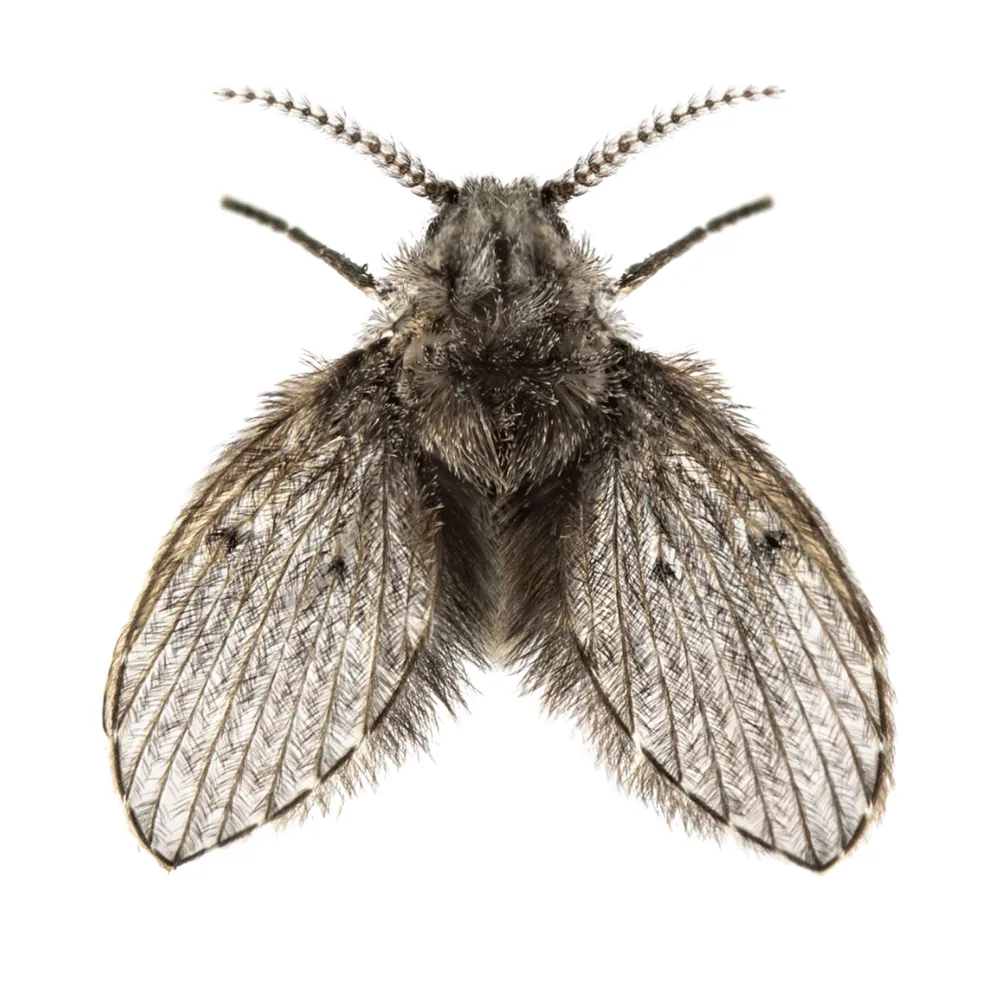
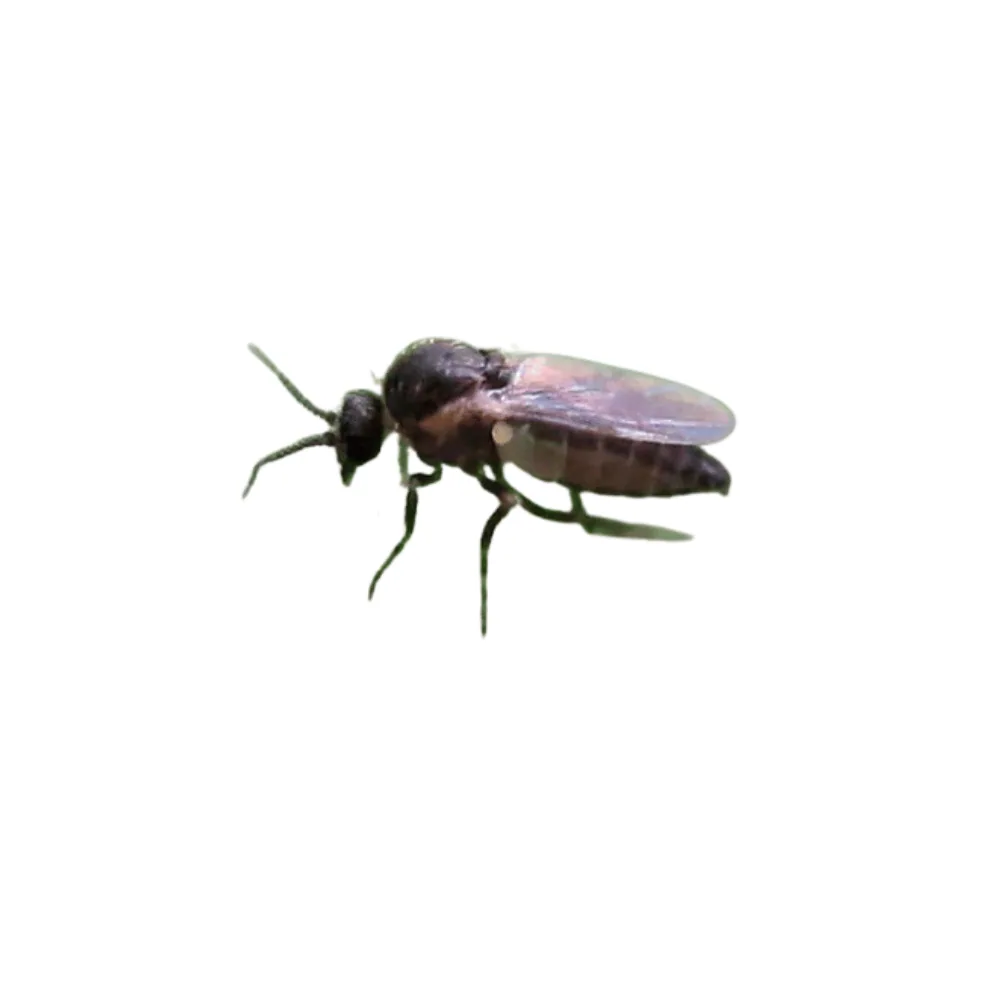
Related species
Request a quote
Need help? We’re here!
A certified technician assesses your situation and proposes a treatment plan suited to it.