Drain fly
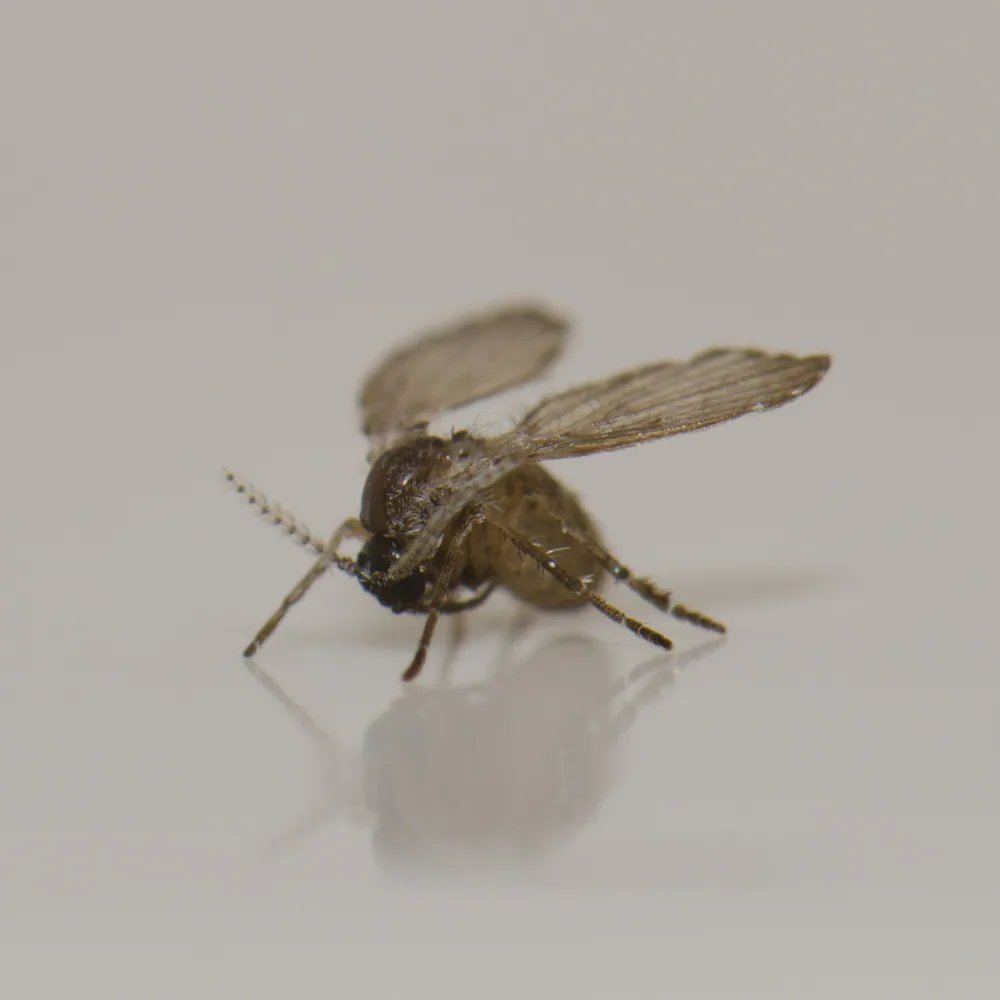
The drain fly, also called the filter fly, is a very small insect found in houses, apartment buildings, restaurants and commercial premises. It is drawn to moisture and organic deposits, which is why it turns up around sinks, showers, bathtubs, floor drains and air conditioning units. Harmless to people, it can nonetheless become a real nuisance once it multiplies and the breeding source goes untreated.
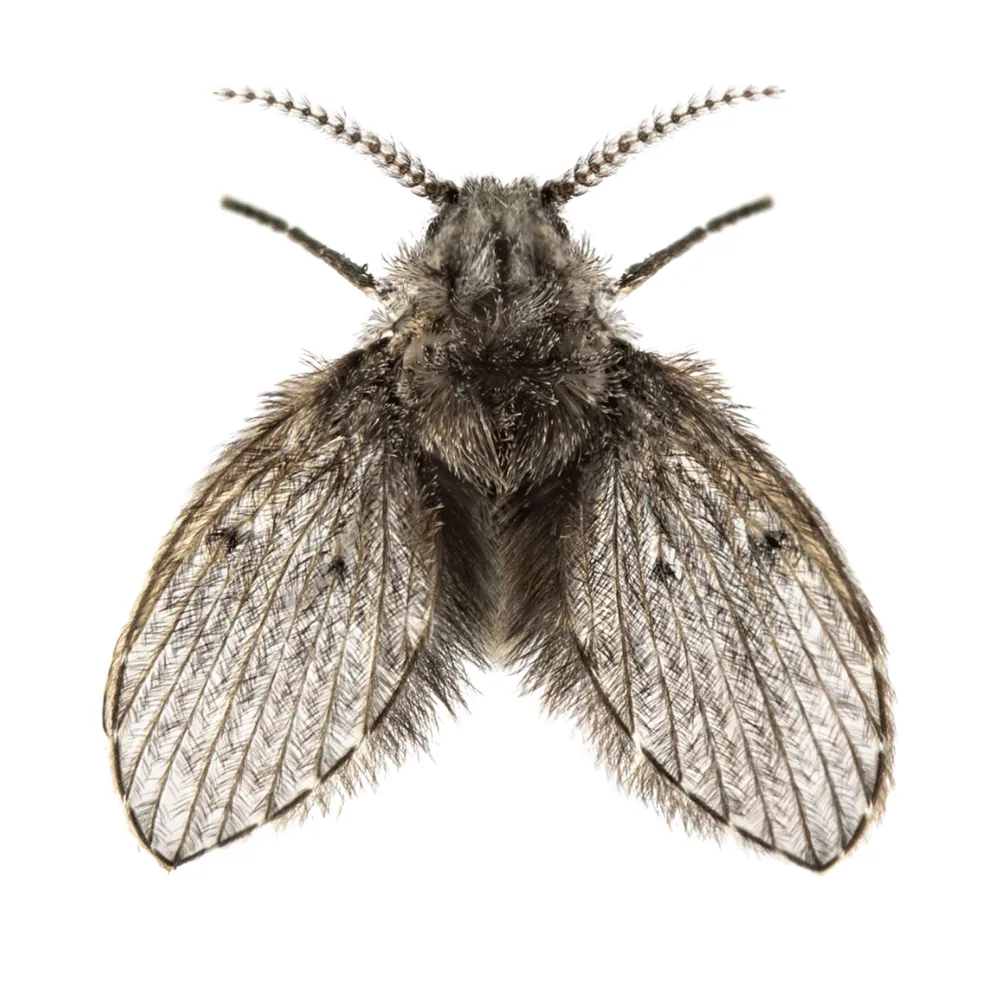
Appearance
- Size: 1.5 to 5 mm
- Pale grey to dark brown
- Body and wings covered in fine hairs, giving a fuzzy or velvety look
- Two broad wings, held open at rest
- Does not sting or bite
- Slow, erratic, poorly controlled flight
Behaviour
- Active mainly at night, but visible by day in damp rooms
- Sits motionless on walls or around windows
- Never strays far from where it breeds
- Causes no material damage
- Its presence usually reflects a lack of cleaning or ventilation
- Can point to a plumbing problem (a dry trap, a badly designed drain)
Life cycle
- Full cycle: 20 to 30 days
- Egg laying: 30 to 100 eggs, in damp organic deposits
- Eggs hatch in 24 to 48 hours
- Larval stage: 9 to 15 days
- Pupation: about 2 days
- Adult: lives 2 to 3 weeks
- The cycle speeds up in warm, humid conditions
Diet
- The organic biofilm — grease, soap, hair — lining the pipes
- Stagnant organic matter in floor traps, sumps and siphons
- Residue in septic tanks or condensate trays
- Larvae filter bacteria, fungi and algae out of standing water
- Adults eat little: occasionally nectar or liquids loaded with organic matter
UNDERSTAND, PREVENT, ACT
In Montreal and most Quebec cities, the drain fly is one of the insects most often reported in humid dwellings and poorly ventilated basements. Harmless as it is, its repeated presence almost always points to organic matter building up in the pipes, or to a plumbing fault: a dry trap, a reversed slope, water seeping in. Ignoring those signals leads quickly to a chronic infestation.
A few mistakes are unfortunately common. Aerosols kill only the adults you can see, never reaching the larvae well protected inside the biofilm. Bleach is often ineffective against greasy deposits and can damage pipes, especially in older buildings. It is also wrong to assume these flies come from outside: they are born, feed and die inside the drainage system. And blocking a drain without treating the cause can make things worse, or simply move the problem elsewhere in the plumbing.
The most reliable method starts with inspecting the secondary drains: laundry room, basement bathroom, sump and any other rarely used drainage point. Cleaning the pipe walls mechanically with a soft brush removes the biofilm where the larvae develop. An enzyme cleaner suited to residential plumbing dissolves the residue without attacking the pipes.
It also helps to run hot water regularly through little-used drains, so the traps stay full and do not dry out. Good ventilation in damp rooms, with an extractor fan or a dehumidifier, makes the environment far less suitable for them.
In apartment buildings an infestation can spread quickly from one unit to the next through the plumbing. Coordinated action with the manager and, where needed, a camera inspection will pinpoint the source. If the infestation persists despite the basic measures, a professional is strongly advised: it targets the right places, avoids ineffective treatments and, above all, ends the problem for good.
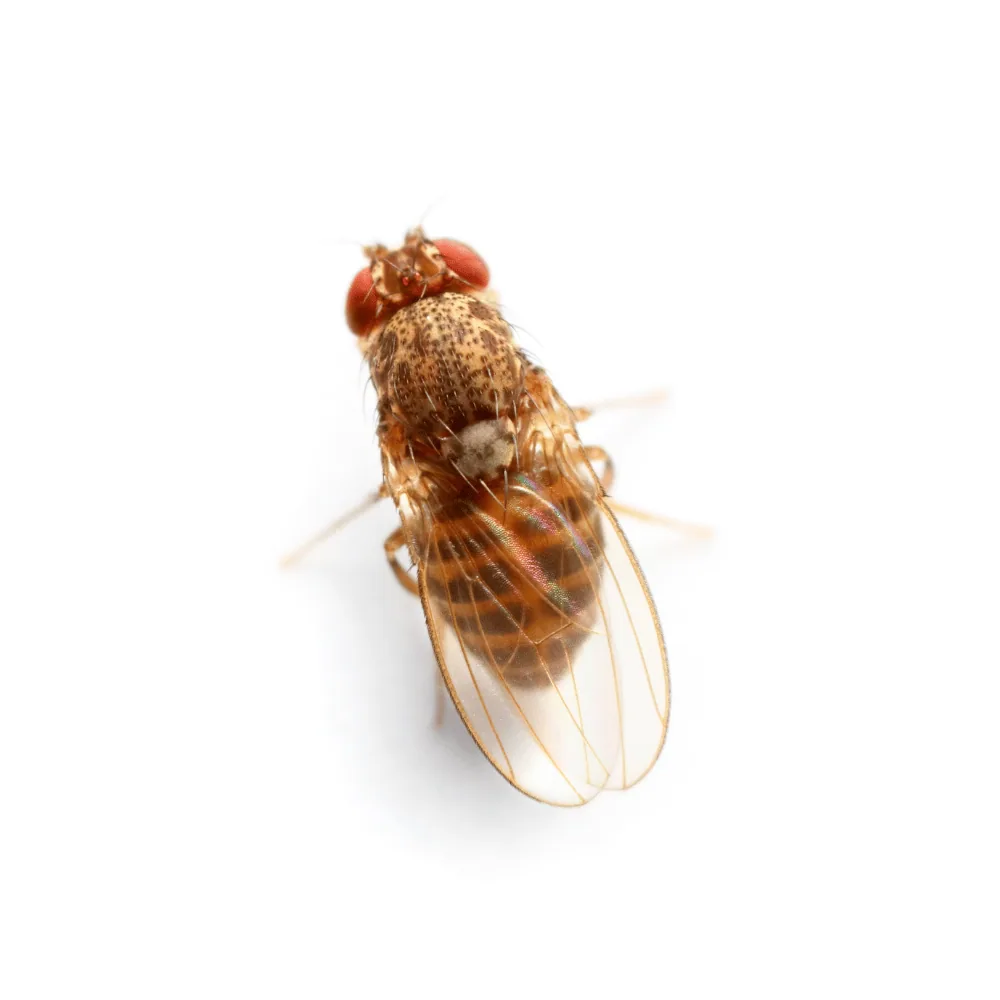
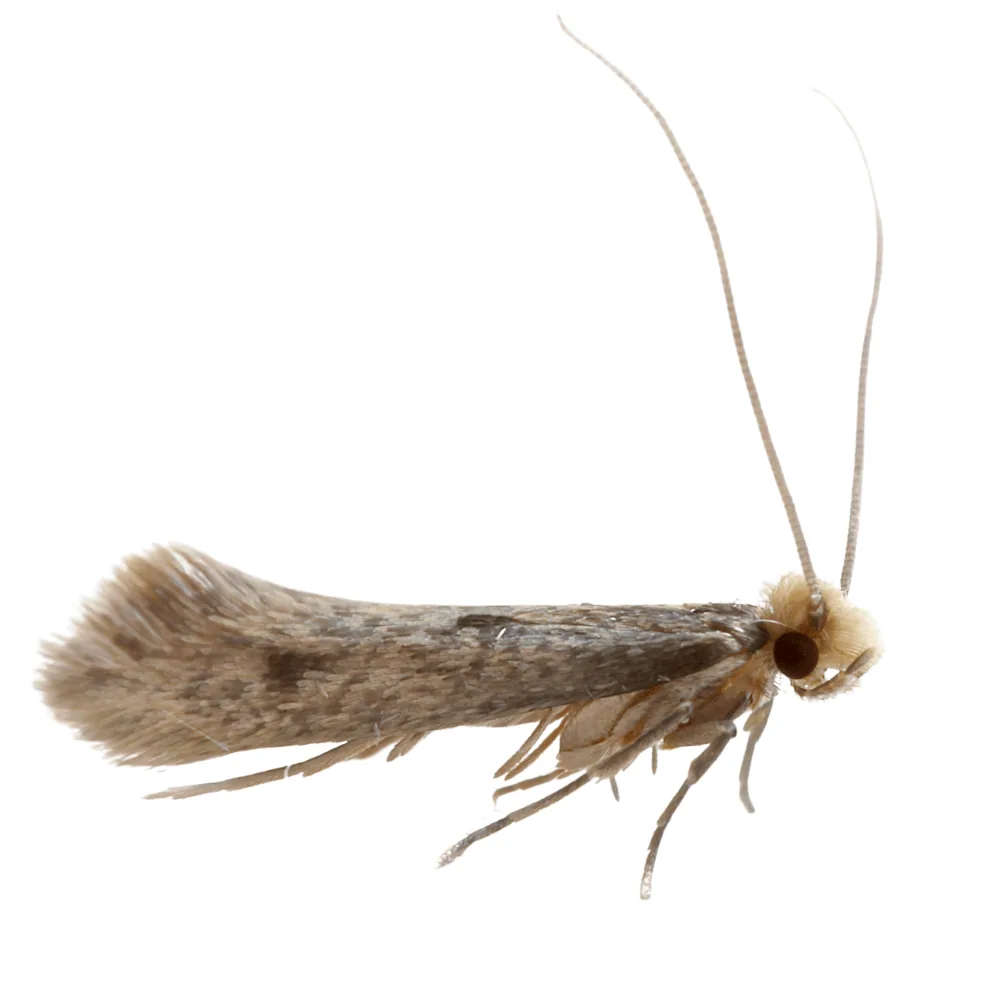
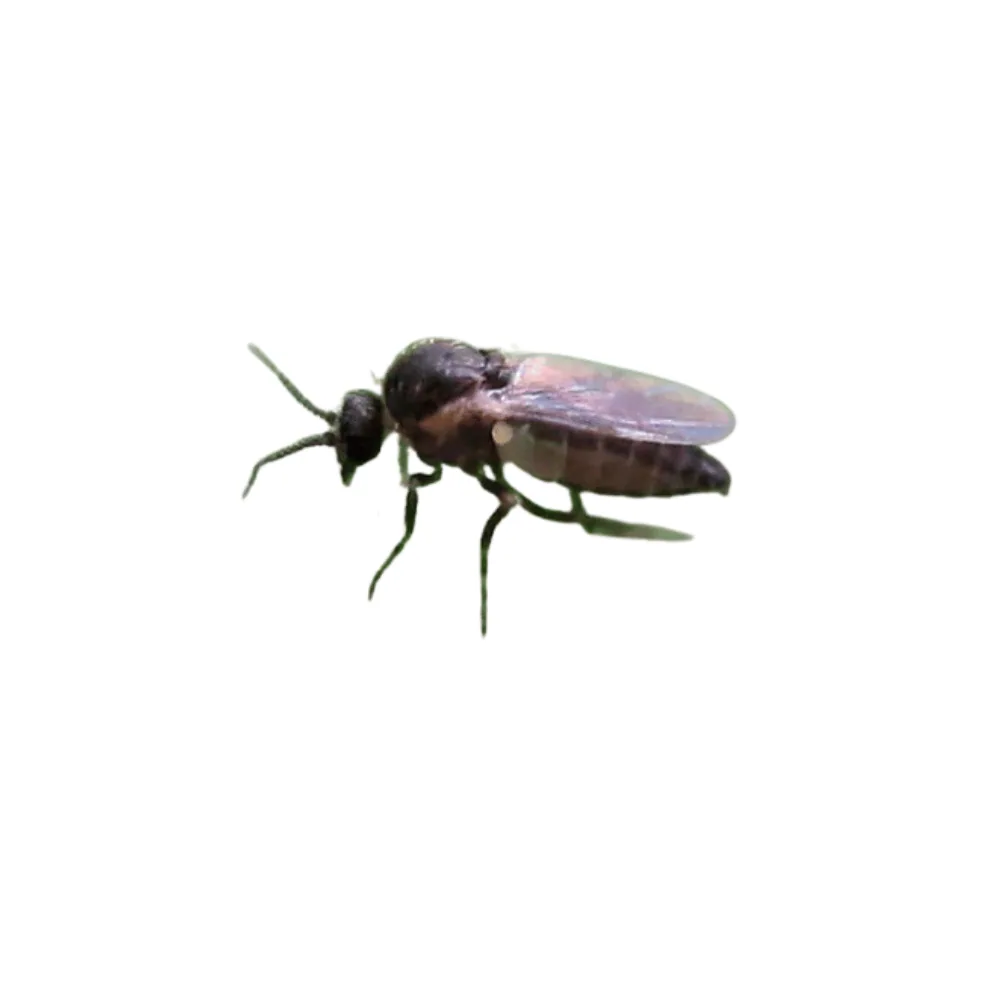
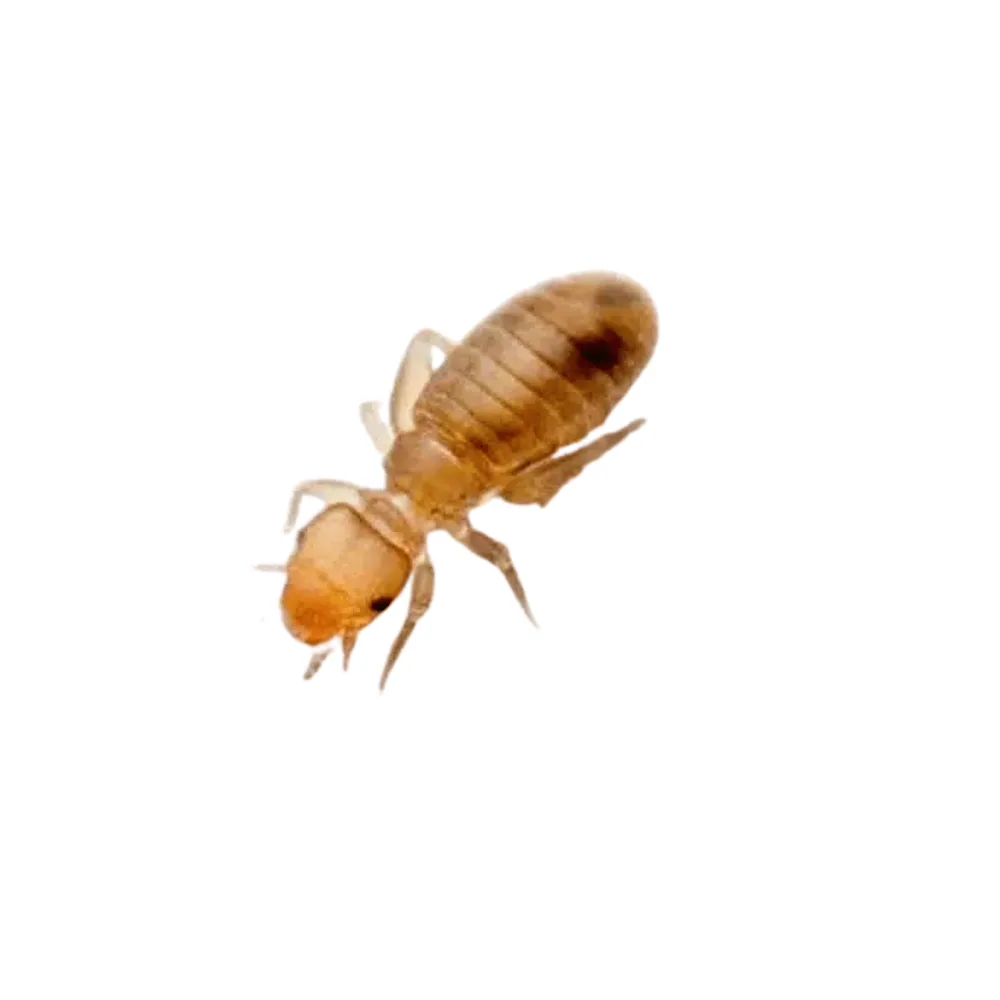
Related species
Request a quote
Need help? We’re here!
A certified technician assesses your situation and proposes a treatment plan suited to it.