STRATEGIES FOR PIGEON MANAGEMENT IN URBAN AREAS
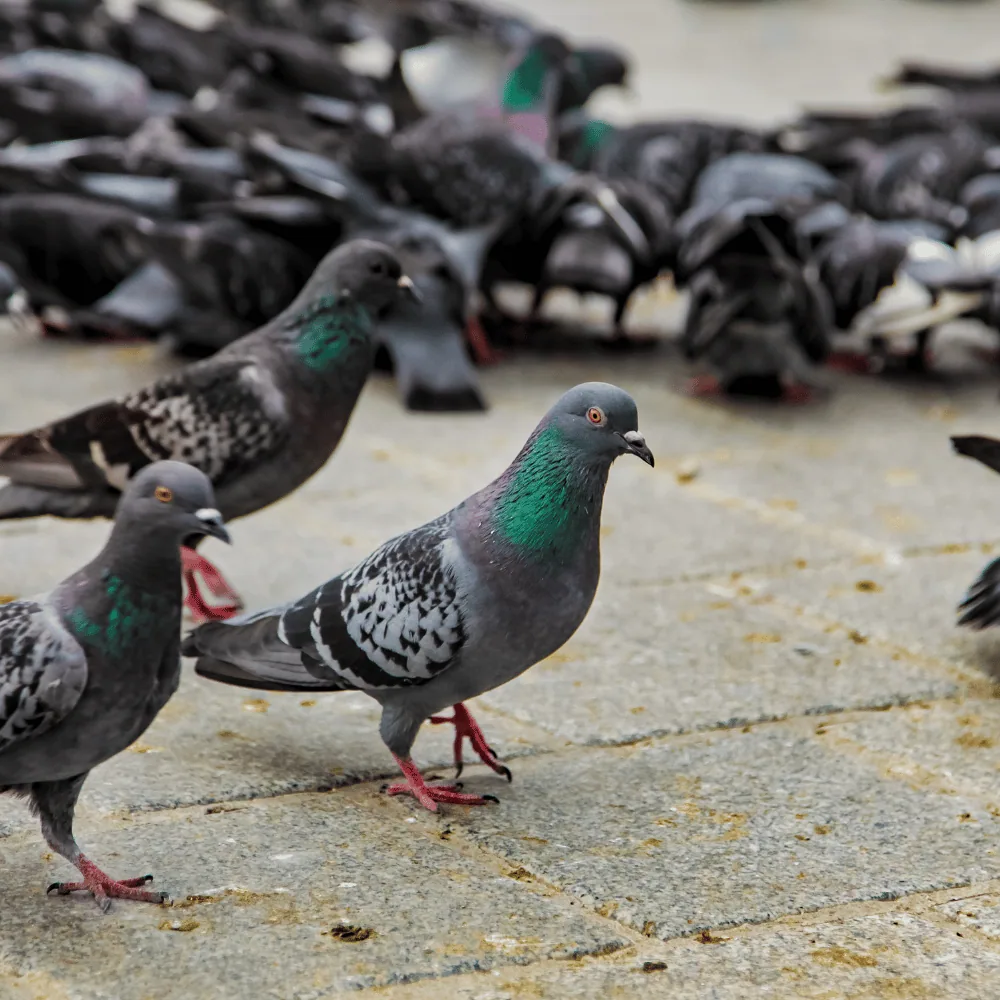
Pigeons, while appreciated by some, can become a source of nuisance and health concern in urban environments. Their abundance, the material damage caused by their acidic droppings, and the risk of diseases they can transmit necessitate careful management. This article offers proven strategies to effectively control the pigeon population in cities.
Evaluation by Bird Control Experts
Identifying Activity Areas
Professionals start with a detailed evaluation to identify areas most affected by pigeons, such as roofs, ledges, and public squares, to determine the scope of intervention and necessary installations.
Assessing Structural Damage Risks
Special attention is given to the risks of structural damage related to the presence of pigeons, including material damage caused by their acidic droppings.
Professional Control Solutions
Installation of Repellent Devices
Professionals use a range of repellent devices for pigeons, such as:
– Anti-pigeon spikes: Prevent pigeons from perching on structures without causing them harm.
– Protective nets: Block access to potential nesting areas.
– Electrical systems: Provide a harmless but effective barrier to discourage pigeons from landing on buildings.
Habitat Modification Techniques
Habitat modification is a key strategy, including reducing sources of food and water and eliminating potential nesting sites, making the environment less attractive to pigeons.
Awareness and Collaboration with Communities

Public Education
Pest management professionals also work to educate the public on the importance of not feeding pigeons and on practices that promote harmonious cohabitation with urban wildlife.
Collaboration with Local Authorities
The implementation of pigeon management strategies in urban areas is often carried out in collaboration with local authorities to ensure a coherent and environmentally respectful approach.
Conclusion
Managing pigeons in urban areas requires a professional approach, combining pest management expertise and respect for animal welfare. The strategies employed aim to effectively control the pigeon population, while minimizing negative impacts on the birds and the environment. Through rigorous evaluation, the use of advanced systems, and close collaboration with communities and authorities, pest management professionals contribute to creating safer and more pleasant urban spaces for everyone.