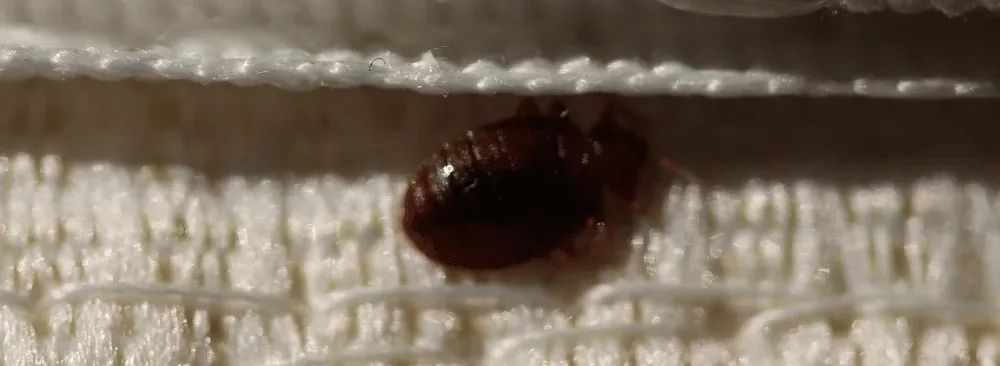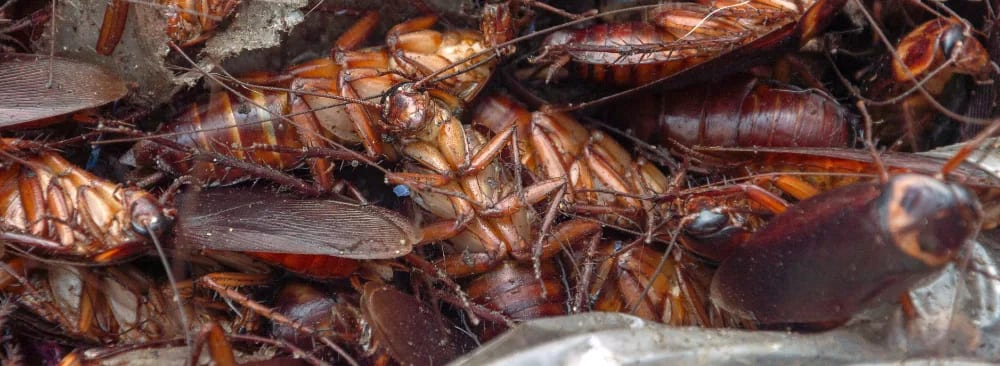
A COMPLETE GUIDE TO IDENTIFYING COCKROACHES BY COLOR
Cockroaches, known to be hardy pests, are a common concern in residential and commercial environments. Accurate identification is essential for effective control and prevention strategies.pest One of the most reliable methods of identification is to examine their color, which varies from species to species. This introduction will explore the importance of color in cockroach identification, offering an insight into how these variations can help distinguish species.
Cockroaches come in a wide range of colors, from the light brown of the German cockroach to the darker brown of the Oriental cockroach. These color differences are not just aesthetic; they reveal the species’ behavior, habitat and potential health risks. For example, the reddish-brown hue of the American cockroach often signals its presence in warm, humid environments, while the distinctive stripes of the brown-banded cockroach suggest a preference for drier, warmer areas.
It’s essential that pest control professionals and homeowners understand these color variations. By recognizing specific color patterns and markings, individuals can more accurately identify the species they’re dealing with, allowing for targeted and effective control measures. This guide will look at the color characteristics of common cockroach species, offering a better understanding that improves both identification and subsequent management efforts.
Identify cockroaches by color
Color variations and their role in identification
Cockroaches come in a range of colors that can be useful for species identification. A cockroach’s color depends on its species, age and environmental factors. Most often, cockroaches are brown, but shades can vary considerably, providing clues to their identity. For example, the German cockroach is usually light brown with two dark stripes on its pronotum, while the American cockroach is reddish brown with a distinctive yellowish figure-eight pattern on its head. These color differences are not just aesthetic, but are essential for distinguishing species and implementing appropriate pest control measures.
The Oriental cockroach, often referred to as the « black beetle », is actually dark brown in color and has a shiny appearance. This species is known for its preference for damp, cool environments, which can also affect its coloration. In contrast, the brown-banded cockroach is beige to light brown with two light bands on its wings and abdomen, which can appear broken. These bands are a key identifying feature that distinguishes it from other species.
Environmental influences on cockroach coloration
The environment plays an important role in cockroach coloration. Factors such as exposure to light, humidity and temperature can alter the appearance of these insects. Cockroaches found in darker, more humid environments tend to appear darker due to the accumulation of dirt and the effects of humidity on their exoskeleton. For example, the Oriental cockroach thrives in areas damp, dark such as basements and sewers, which can accentuate its dark coloration.
Conversely, cockroaches inhabiting drier, well-lit areas may appear lighter. The brown-banded cockroach, which prefers drier environments such as tall cupboards and behind picture frames, often appears lighter due to less exposure to moisture. Understanding these environmental influences is essential for accurate identification and effective pest management.
The implications of color for pest control
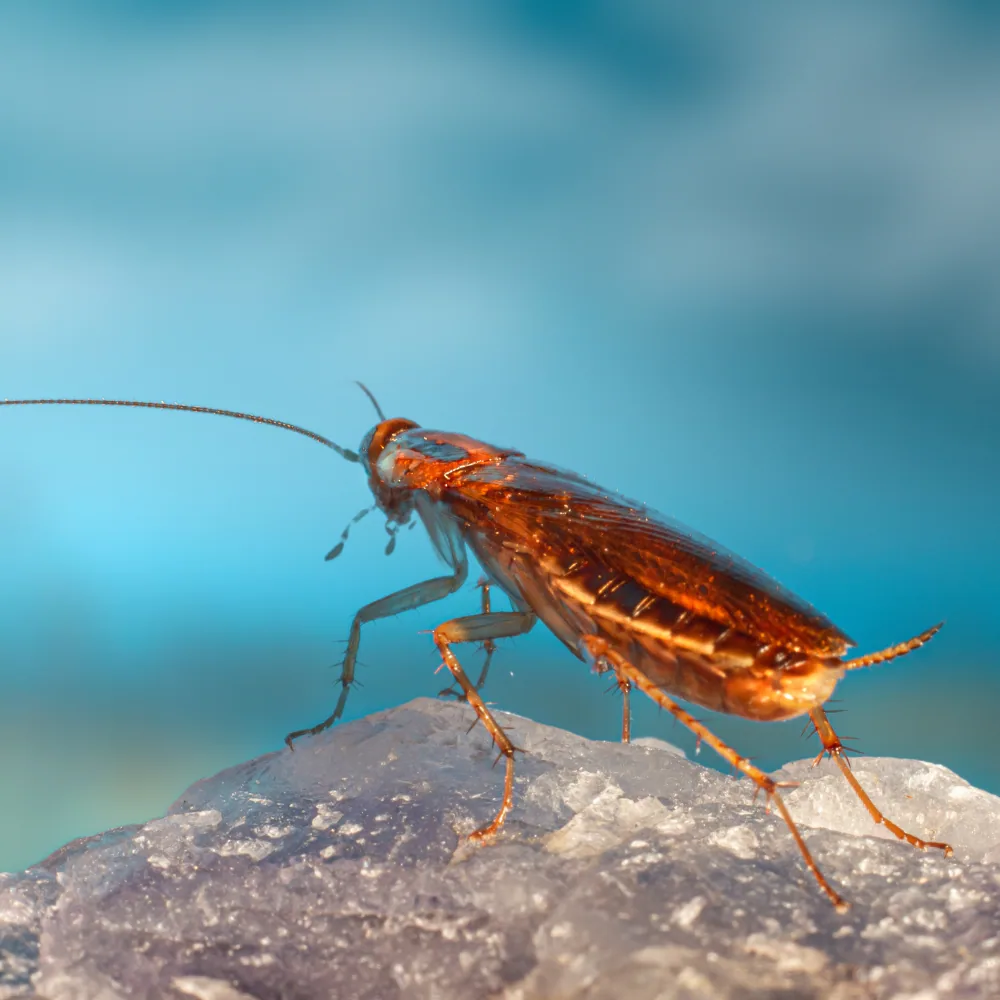
The color of a cockroach is not only an identification tool, it also has implications for pest management strategies. Different species, identifiable by their color, have different behaviors, habitats and levels of pesticide resistance. For example, the German cockroach, identifiable by its light brown color and distinctive stripes, is known for its rapid reproduction and resistance to many common insecticides. This requires the use of targeted control measures, such as baits and insect growth regulators, to effectively manage infestations.
Similarly, the oriental cockroach, which is darker and often found in humid environments, may require different control strategies, such as humidity control and exclusion techniques, to prevent infestations. Understanding the color and associated behaviors of cockroach species enables more precise and effective pest management, reducing the likelihood of resistance build-up and ensuring the success of eradication efforts.
Common cockroach species in Canada
German cockroach
The German cockroach, scientifically known as Blattella germanica , is one of the most widespread cockroach species in Canada. This species is generally light brown with two distinct dark stripes on its pronotum. Males are generally lighter in color than females, which are darker brown. The German cockroach is well adapted to indoor environments, thriving in warm, damp areas such as kitchens and bathrooms. This species is particularly renowned for its rapid reproductive rate, with females capable of producing up to 100,000 young per year. This prolific reproductive capacity makes it a persistent pest in both residential and commercial environments.
German cockroaches are predominantly nocturnal, becoming active at night as they search for food and water. They are omnivorous and consume a wide variety of organic matter, including food scraps, soap, toothpaste and even non-food products such as paper and glue. Their presence is often indicated by the presence of small, dark droppings and a characteristic musty odor. Because of their ability to spread diseases such as gastroenteritis and salmonella, effective management strategies are essential to control infestations.
American cockroach
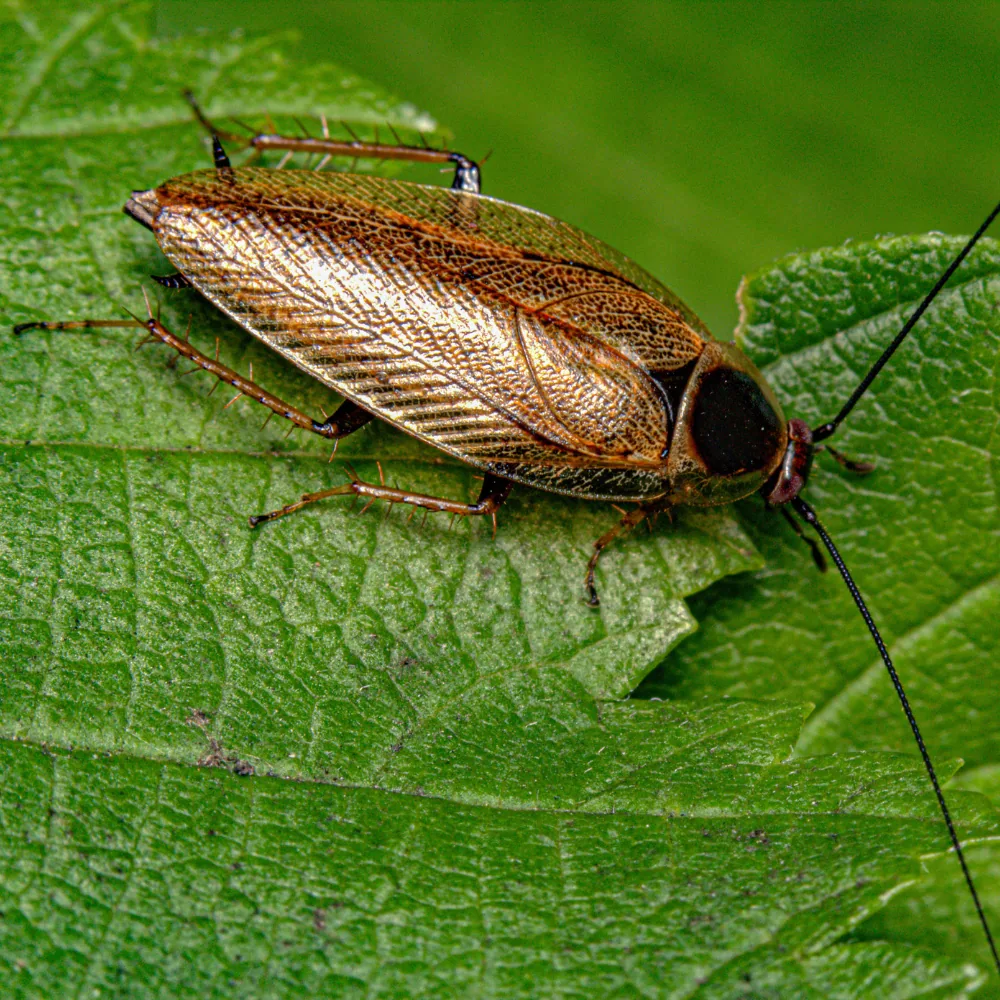
The American cockroach, or Periplaneta americana , is another common species found throughout Canada. This is one of the largest cockroaches, measuring between 1.1 and 2 inches in length. Its coloring is generally reddish-brown, with a yellowish figure-of-eight pattern on the head. Despite its name, the American cockroach is native to Africa and the Middle East, and was introduced to North America by ship centuries ago.
This species prefers warm, humid environments, often inhabiting basements, sewers and other damp areas. American cockroaches are known for their ability to fly short distances, although they live mainly on the ground. They are omnivorous scavengers, feeding on a variety of organic matter, including decomposing matter and food residues. Their presence in homes and commercial establishments can present health risks, as they are capable of spreading pathogens that cause food poisoning and other illnesses.
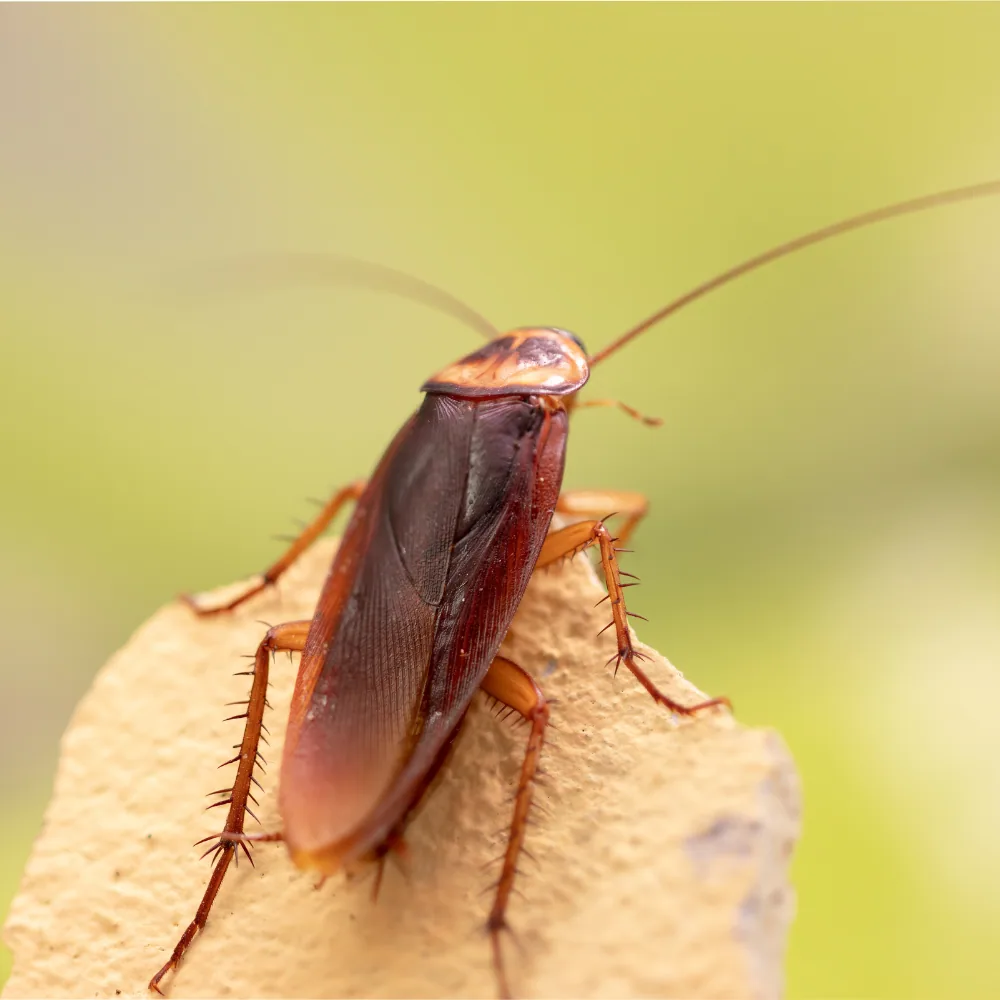
Oriental cockroach
The oriental cockroach, Blatta orientalis , is distinguished by its shiny dark reddish-brown to almost black coloration. This species is relatively large, measuring around 2.5 cm in length, and is often referred to as the « water bug » due to its affinity for damp environments. Oriental cockroaches are generally found in damp basements, sewers and drains, as well as in outdoor locations such as woodpiles and under mulch.
Unlike other cockroach species, Oriental cockroaches are slow and don’t climb well, so they’re less likely to be found in elevated areas. They are mainly nocturnal and feed on decomposing organic matter, starchy foods and other detritus. This species is considered one of the dirtiest cockroaches in Canada due to its ability to spread diseases such as E. coli, dysentery and salmonella via contaminated surfaces and food.
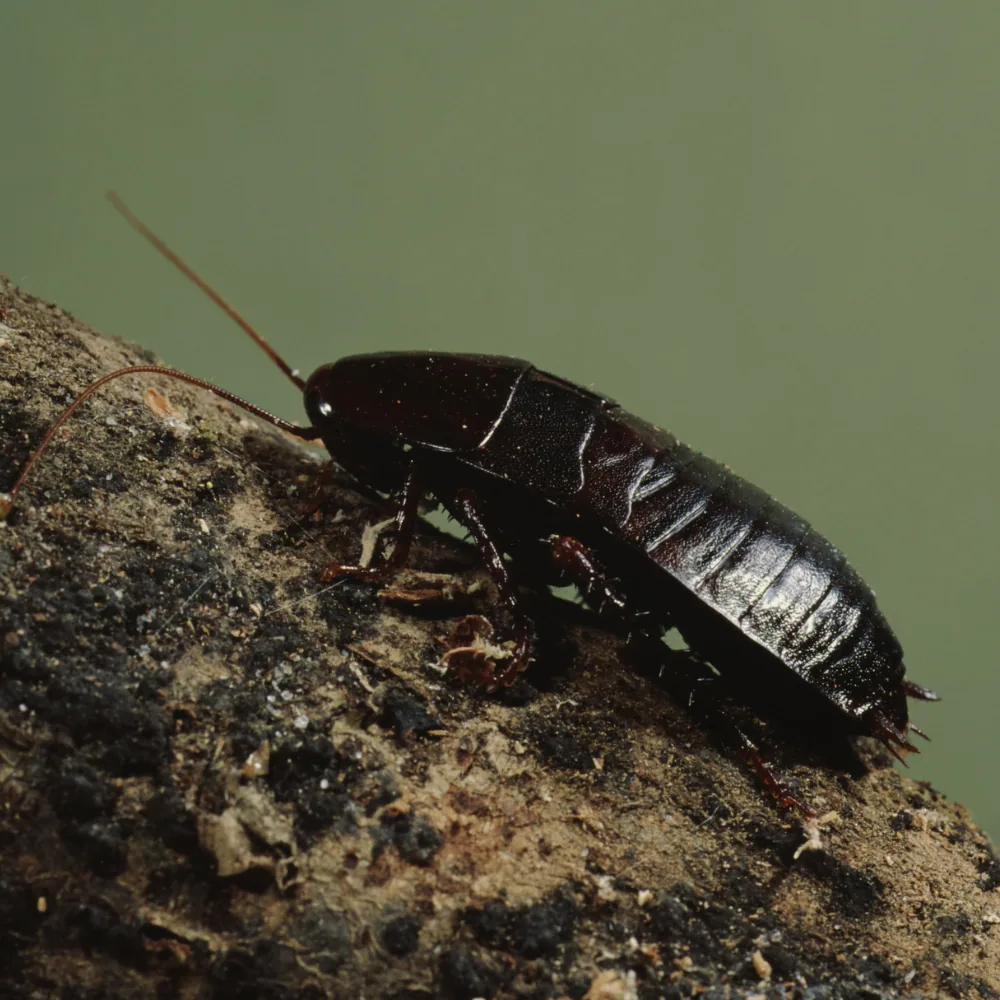
Brown-banded cockroach
The brown-banded cockroach, Supella longipalpa , is one of the smallest cockroach species in Canada, measuring around 1.3 cm in length. It is characterized by its coloration beige to light brown and two light stripes on its wings and abdomen. Unlike other cockroach species, the brown-banded cockroach doesn’t need as much humidity and can be found in drier areas of homes, such as high cupboards, bedrooms and living rooms.
These cockroaches are mainly nocturnal and tend to avoid light. They have a varied diet, consuming a wide variety of materials, including food, paper, fabric and even sewage. Brown-banded cockroaches are known to carry bacteria and protozoa that can cause gastroenteritis and diarrhea, as well as trigger allergies and asthma in sensitive individuals.
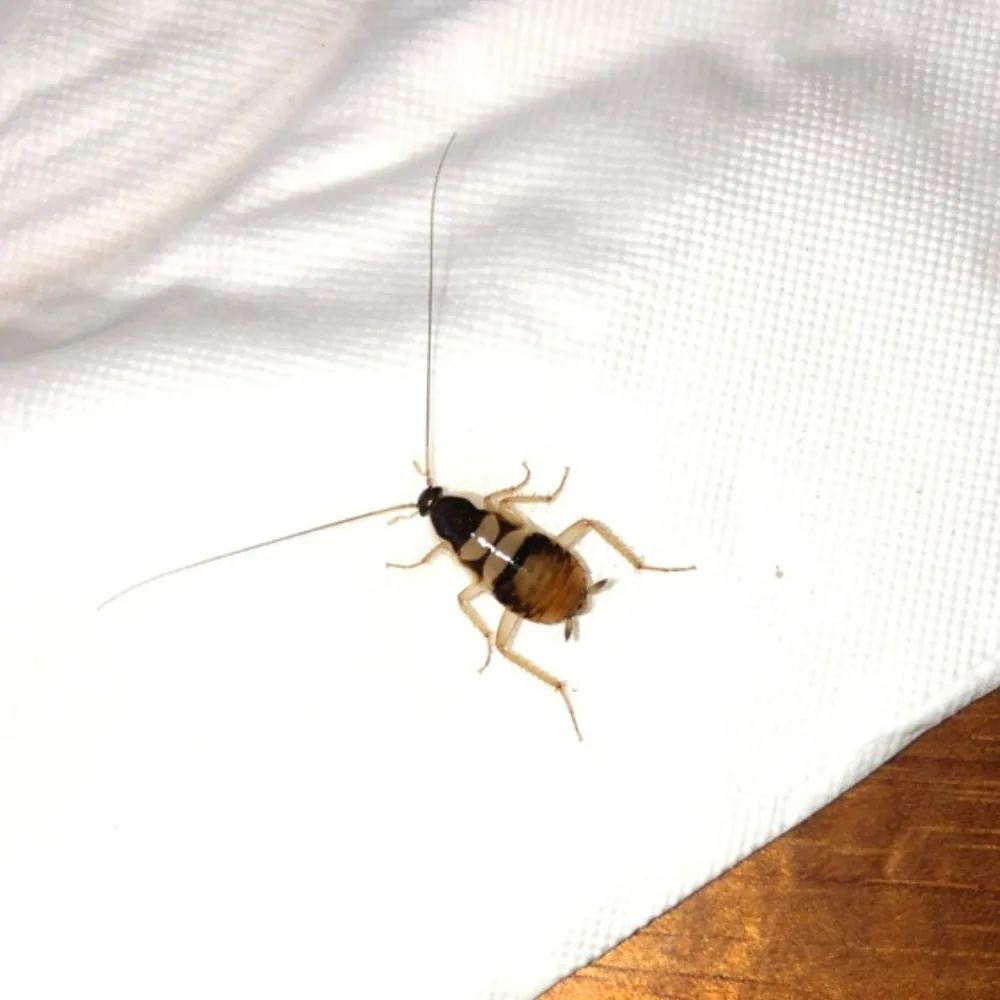
Pennsylvania wood cockroach
The Pennsylvania cockroach, Parcoblatta pensylvanica , is generally found in wooded areas and is less likely to invade homes than other species. This cockroach is dark brown with yellowish sides on its thorax, and males have longer wings than females. They are generally found on tree trunks, the lower branches of oaks and elms, and in woodpiles and tree stumps.
Unlike other cockroach species, Pennsylvania cockroaches prefer cooler temperatures and don’t thrive indoors. They feed mainly on decaying organic matter and are not considered a significant health hazard to humans. However, they can occasionally enter homes through open windows and doors.
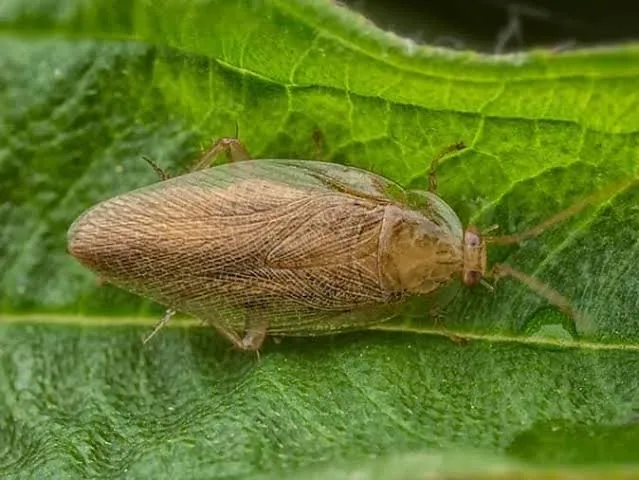
Table: Distinctive characteristics of common cockroach species in Canada
| Species | Color | Size (inches) | Distinctive features | Preferred habitat |
| German cockroach | Light brown | 0,5 à 0,6 | Two dark stripes on the pronotum | Hot, humid areas such as kitchens and bathrooms |
| American cockroach | Reddish brown | 1.1 à 2 | Yellowish eight on the head | Hot, damp areas such as sewers and basements |
| Oriental cockroach | Dark reddish brown | 1 | Glossy appearance, slow, poor climbers | Damp, dark areas such as basements and sewers |
| Brown-banded cockroach | From beige to light brown | 0,5 | Two light stripes on wings and abdomen | Dryer areas such as tall cupboards and living rooms |
| Pennsylvania wood cockroach | Dark brown | 0,5 à 1,2 | Yellowish sides on thorax, longer wings in males | Wooded areas, tree trunks and wood piles |
Behavioral adaptations and survival strategies
Cockroaches have developed a series of behavioral adaptations that enhance their survival in various environments. These adaptations include nocturnal activity patterns, omnivorous feeding habits and rapid reproduction. Most cockroach species are nocturnal, becoming active at night in search of food and water. This behavior reduces their exposure to predators and human activity.
Cockroaches consume a wide variety of organic matter, including food scraps, decomposing matter and even non-food products such as paper and glue. This dietary flexibility enables them to thrive in environments with limited food resources. For example, the German cockroach is known for its ability to exploit a variety of food sources, making it a persistent pest in urban environments.
Reproductive strategies also play an important role in the survival of cockroach populations. Cockroaches reproduce rapidly, with some species capable of producing hundreds of young in a single lifetime. This high reproductive rate enables them to rapidly establish and maintain populations in favorable environments. The brown-banded cockroach is particularly prolific, with a single female capable of producing up to 600 young in her lifetime.
Implications for pest control
Understanding the characteristics and habitats of different cockroach species is essential to developing effective pest control strategies. Different species require tailored approaches based on their habitat preferences and specific behavioral traits. For example, controlling German cockroach infestations often involves reducing humidity and eliminating food sources in kitchens and bathrooms. Regular cleaning and sealing of entry points can help prevent infestations.
To control the American cockroach, pest control efforts should focus on controlling moisture levels in basements and other damp areas. Sealing cracks and crevices, as well as maintaining proper sanitation, can help reduce their presence in homes and commercial establishments.
Oriental cockroaches require a different approach, focusing on reducing humidity and improving ventilation in basements and other sensitive areas. Regular inspection and maintenance of plumbing and drainage systems can also help prevent infestations.
By understanding the unique characteristics and habitat preferences of cockroach species, pest control professionals can implement targeted control measures that effectively treat infestations and reduce the risks associated with these persistent pests.
Health problems and infestation indicators
Health risks associated with cockroaches
Cockroaches are known to cause a variety of health problems, mainly due to their ability to carry and spread pathogens. These insects can harbor bacteria, viruses and parasites on their bodies, leading to contamination of food and surfaces. The German cockroach, for example, is particularly known for spreading diseases such as salmonella, E. coli and staphylococcus, which can cause food poisoning and other gastrointestinal problems. Studies have shown that cockroach allergens, mainly present in their saliva, droppings and dead skin, can trigger allergic reactions and aggravate asthma symptoms, particularly in children and the elderly. The presence of cockroach allergens in homes has been associated with an increase in asthma-related morbidity, with research indicating that exposure to these allergens can lead to the development of asthma in previously unaffected people. This is of particular concern in urban areas where cockroach infestations are more frequent.
Cockroach infestation indicators
Early identification of a cockroach infestation can prevent further health risks. Common signs of an infestation include the presence of droppings, which vary in appearance depending on the species. German cockroach droppings resemble black pepper or coffee grounds, while larger species such as the American cockroach produce cylindrical droppings. A distinct musty odor is often associated with cockroach infestations, resulting from the pheromones they release to communicate with each other. In addition, spotting cockroaches during the day is a reliable indicator of a heavy infestation, as these nocturnal creatures generally hide during daylight hours. Oothecae are another sign of infestation. They are often found in hidden areas such as behind appliances or in cracks and crevices. The presence of dead skin, which cockroaches leave behind as they grow, is also a reliable indicator of infestation.
Table: Health risks and infestation indicators by cockroach species
| Cockroach species | Health risks | Infestation indicators |
| German cockroach | Allergens, Salmonella, E. coli, Staphylococcus | Small droppings, musty smell, oothecae, dead skin |
| American cockroach | Allergens, Salmonella, E. coli | Large droppings, musty smell, egg crates, dead skin |
| Oriental cockroach | Allergens, Salmonella, E. coli, Dysentery | Musty smell, eggshells, moulting, slow movements |
| Brown-banded cockroach | Allergens, Salmonella, E. coli | Egg capsules, moulting, presence in warm, dry areas |
| Pennsylvania wood cockroach | Limited health risks, mainly allergens | Presence in cool, damp areas, slow movements |
Behavior patterns and their impact on health
Cockroach behavior greatly influences their potential to affect human health. German cockroaches, for example, are highly adaptable and thrive in warm, humid environments, making kitchens and bathrooms ideal habitats. Their rapid reproduction rate and ability to hide in small crevices make them difficult to control. American cockroaches prefer warm, damp environments such as basements and sewers, where they can easily access food and water. Oriental cockroaches, often found in cooler, wetter locations, are less mobile but can still present health risks due to their ability to spread pathogens. Brown-banded cockroaches, which require less humidity, may inhabit areas that other species avoid, such as living rooms and bedrooms. Understanding these behavior patterns is essential for effective pest management and minimizing health risks.
Environmental factors influencing infestation
Environmental conditions play an important role in cockroach infestations. Urban areas, with their abundance of food and shelter, offer ideal conditions for the proliferation of cockroach populations. The availability of food sources, such as garbage and unsealed food containers, can attract cockroaches and encourage infestations. In addition, structural conditions such as cracks in walls, gaps around pipes and poorly sealed windows and doors can provide entry points for cockroaches. Seasonal changes can also have an impact on cockroach behavior, with infestations often increasing during the warmer months, when roaches are more active. Implementing preventive measures, such as sealing entry points and maintaining cleanliness, can reduce the likelihood of infestations and the associated health risks.
Management strategies to mitigate health risks
Effective management of cockroach infestations involves a combination of preventive measures and targeted treatments. Regular cleaning and sanitation practices can reduce the food and water sources that attract cockroaches. Sealing cracks and crevices, repairing leaks and maintaining proper waste management can also prevent infestations. In the event of severe infestation, professional pest control services may be required to apply insecticides and other treatments. Integrated pest management (IPM) strategies, which combine chemical and non-chemical methods, can effectively control cockroach populations while minimizing health risks. Educating the public about the health risks associated with cockroaches and the importance of preventive measures is also essential to reducing infestations and protecting public health.
Conclusion
Research into cockroach identification by color highlights the importance of color variation as an essential tool for species identification and effective pest control. Cockroaches exhibit a range of colors influenced by species, age and environmental factors, with common species such as Germanic, American, Oriental and Brown-banded cockroaches each displaying distinctive color patterns. These color differences are not merely superficial, but are essential for distinguishing species, understanding their behavior and implementing targeted pest control measures. For example, the light-brown color with dark stripes of the German cockroach facilitates identification and informs the use of specific control strategies due to its rapid reproduction and resistance to common insecticides.
The study also highlights the influence of the environment on cockroach coloration, where factors such as humidity and light exposure can alter their appearance. This understanding is essential for accurate identification and effective pest management, as different species thrive in varying environmental conditions. The implications for pest management are profound, as identifying cockroaches by color enables more precise control measures, reducing the likelihood of resistance build-up and ensuring the success of eradication efforts. In the future, further research into environmental adaptations and patterns of cockroach behavior will improve our ability to manage infestations and mitigate the health risks associated with these pests.
FAQ
What are the most common cockroach species in Canada? The most common cockroach species in Canada are the German cockroach (Blatella germanica), the American cockroach (Periplaneta americana), the Oriental cockroach (Blatta orientalis), the Brown-striped cockroach (Supella longipalpa) and the Pennsylvania cockroach (Parcoblatta pensylvanica). Each species has distinct color patterns and habitat preferences, which are essential for pest identification and management.
How does cockroach coloration affect their habitat preferences? Cockroach coloration is an adaptive feature that facilitates camouflage and reflects their environmental preferences. For example, the dark coloration of the Oriental cockroach helps it blend in with dark, damp environments, while the lighter coloration of the Brown-banded cockroach is suited to drier, well-lit areas. Understanding these color adaptations is essential to identifying their preferred habitats and implementing effective control measures.
What are the health risks associated with cockroach infestations? Cockroaches are known to carry and spread pathogens such as Salmonella, E. coli and Staphylococcus, which can cause food poisoning and other gastrointestinal problems. Their allergens, present in saliva, feces and shed skin, can trigger allergic reactions and aggravate asthma symptoms. Effective pest management is essential to mitigate these health risks.
What are the main indicators of a cockroach infestation? Common signs of a cockroach infestation include the presence of droppings, a musty smell, eggs and dead skin. Spotting cockroaches during the day, despite their nocturnal nature, often indicates a significant infestation. Early identification of these indicators can help prevent the escalation of health risks and reinforce control efforts.
How can cockroach infestations be effectively managed? Effective management involves a combination of preventive measures and targeted treatments. Regular cleaning, sealing entry points and maintaining adequate sanitation can reduce the food and water sources that attract cockroaches. In severe cases, professional pest control services may be required. Integrated pest management (IPM) strategies, which combine chemical and non-chemical methods, are often the most effective approach.
What role does environmental adaptation play in cockroach survival? Cockroaches are highly adaptable insects, able to thrive in a variety of environments thanks to their physiological and behavioral adaptations. Their ability to exploit human environments, rapid reproduction and dietary flexibility contribute to their persistence as pests. Understanding these adaptations is essential for developing effective pest control strategies and reducing the health risks associated with infestations. To find out more about pest management strategies, visit Exterminatek .