ANIMAL EXCLUSION: A HUMANE AND EFFECTIVE METHOD
Exclusion is a pest management technique that involves installing one-way devices at entry points used by nuisance animals, such as raccoons, squirrels, and sometimes skunks, to prevent them from re-entering once they have left. This method is prioritized over capture as it avoids the stress associated with managing animals in cages and is highly appreciated for its effectiveness and humane approach.
Principle of exclusion
How it works: Exclusion uses one-way traps installed at precise points where animals enter buildings. These traps allow animals to exit but prevent them from returning, ensuring they cannot re-enter the space.
Example for raccoons, squirrels, and other animals
1. Trap installation**:** A one-way trap is installed at the main entry point used by the animal to enter the building. This trap allows the animal to exit but prevents it from re-entering.
2. Installation duration**:** The trap is typically left in place for about a week, which is sufficient to exclude all the present animals.
3. Removal and sealing**:** After the exclusion is complete, the trap is removed and the entry point is sealed to prevent future intrusions.
Advantages of exclusion
– Humane method**:** The animal does not experience any stress related to capture in a cage, making this technique more respectful of their well-being.
– Autonomous efficiency**:** The client does not need to check cages daily, as the one-way trap operates autonomously.
– Long-term prevention**:** Once exclusion is complete and entry points are sealed, the risk of new intrusions is significantly reduced.
Materials and trap installation
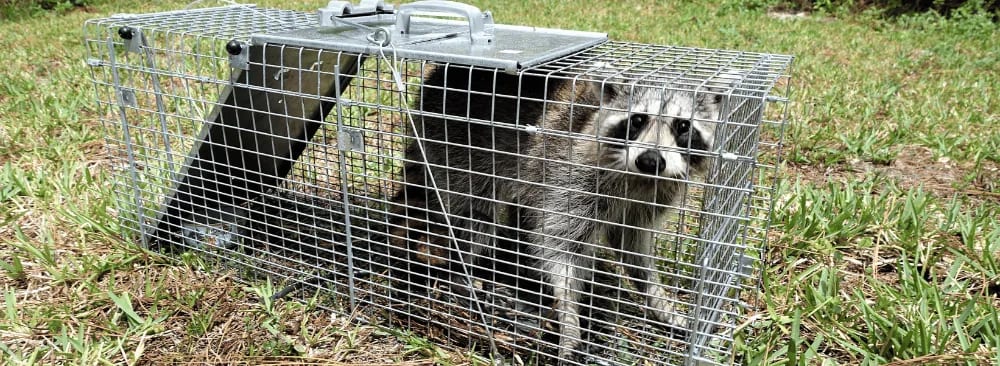
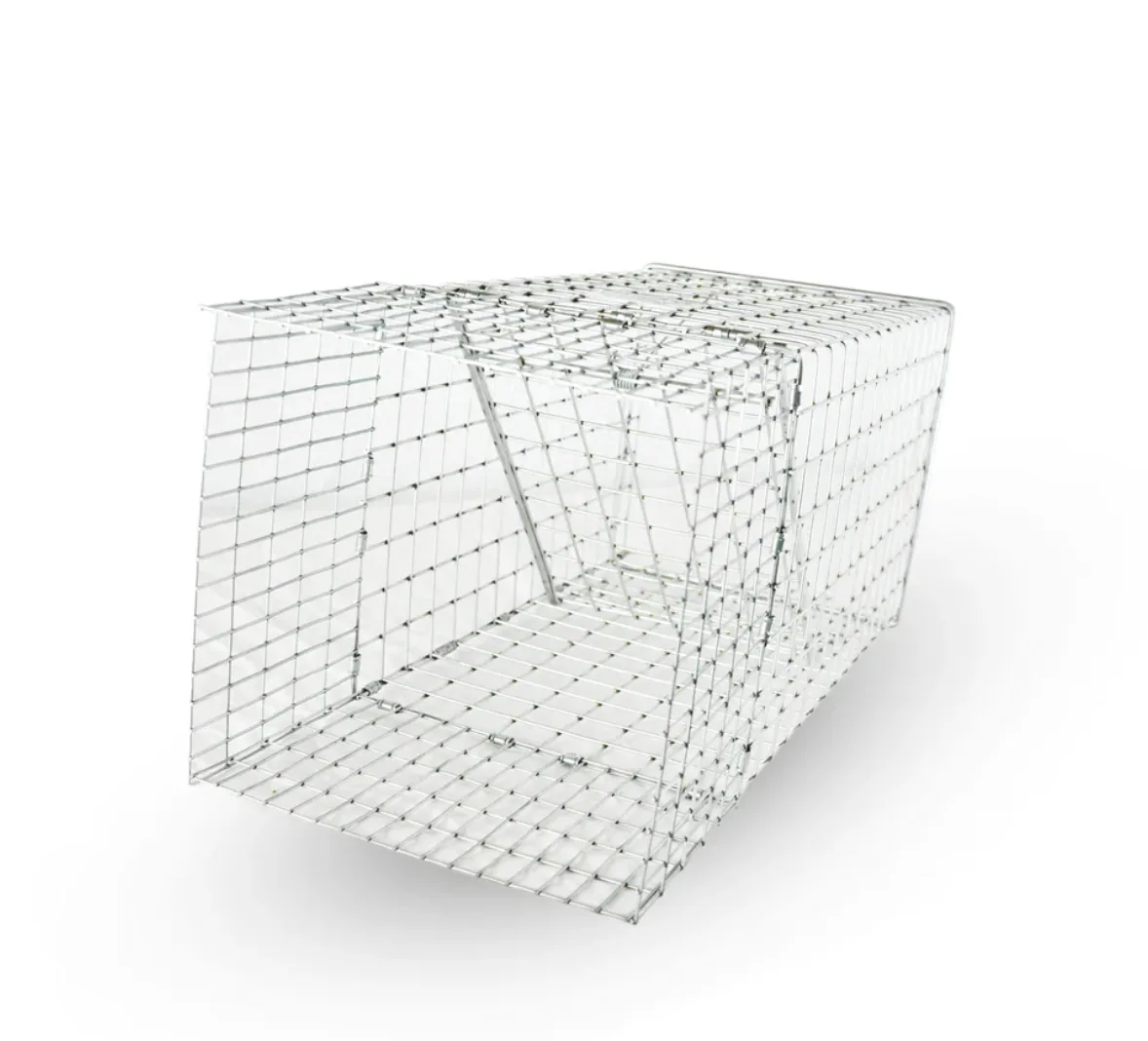 – Choose the right trap size**:** Traps should be adapted to the targeted animal. For example, a 12x12x36 inch trap is ideal for raccoons, while a 9x9x24 inch trap is better suited for squirrels. For more information on preventive strategies to keep raccoons away, you can consult this article Keep raccoons away.
– Trap materials**:** Traps should be made of galvanized steel or corrosion-resistant metal to withstand animal bites and scratches.
– Closing mechanism**:** One-way doors should be reliable and well-tested to prevent animals from returning. If you want to see how these cages work, here’s a video demonstrating the use of one of the cages by the Exterminateur en ligne here.
Specific cases of exclusion
– Squirrels**:** A smaller trap, 9x9x24 inches, is recommended. Robust wire cages with a PVC coating are ideal.
– Skunks**:** Although rarer, exclusion can be successfully practiced using suitable traps and taking additional precautions.
– Bats and birds**:** Use exclusion nets made of robust nylon, with small meshes, to allow their exit while preventing their return.
– Groundhogs**:** This method generally does not apply to groundhogs.
Additional measures
To ensure the effectiveness of exclusion and prevent future intrusions, it is recommended to take additional measures:
– Regular maintenance**:** Repair holes and reinforce structures to prevent new intrusions.
– Manage attractants**:** Minimize potential food and shelter sources by properly managing waste and storing food securely.
– Use natural repellents**:** Use natural repellents to discourage animals from approaching your property.
Conclusion
Exclusion is a humane, effective, and sustainable method for managing animal intrusions in homes and businesses. It not only solves the immediate problem but also prevents future intrusions without the complications associated with capturing and managing animals in cages. For a professional evaluation and personalized assistance, please contact us.