BIOPESTICIDES AGAINST BED BUGS
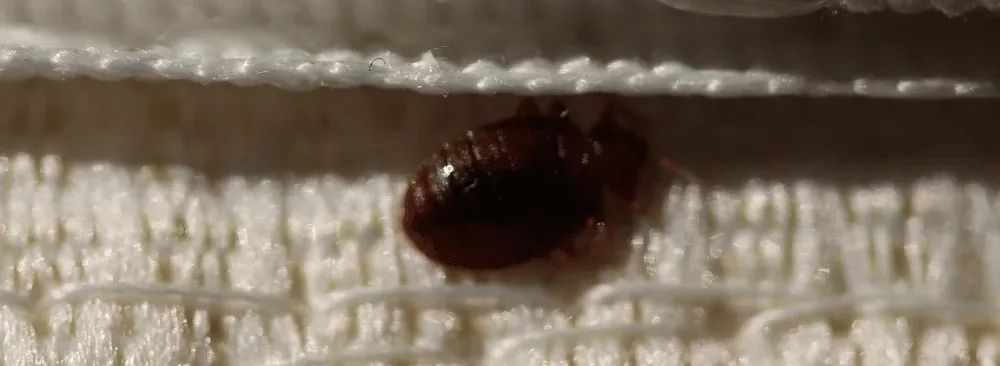
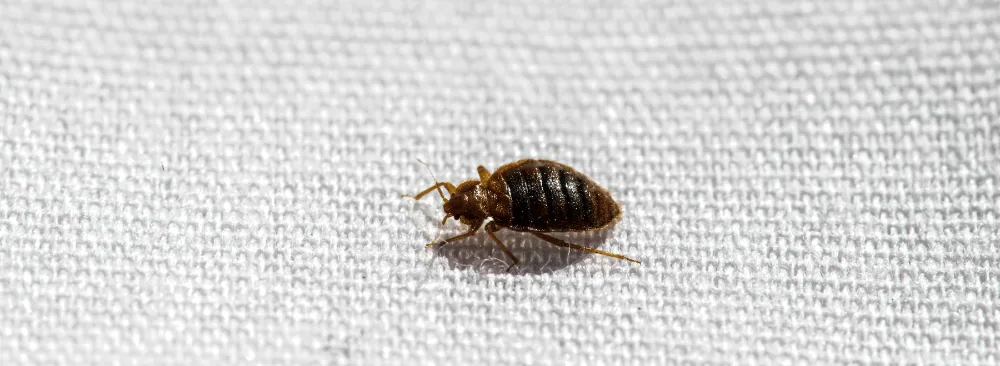
Bed bugs are small parasitic insects that feed on human blood. They are brown, oval, and flat, measuring about 5 to 7 millimeters in length. Bed bugs are highly invasive pests and difficult to eliminate. They hide in the smallest crevices of our homes, especially in beds, mattresses, furniture, and textiles. Their presence causes numerous health and well-being problems.
Problems related to bed bugs
Allergies and irritations
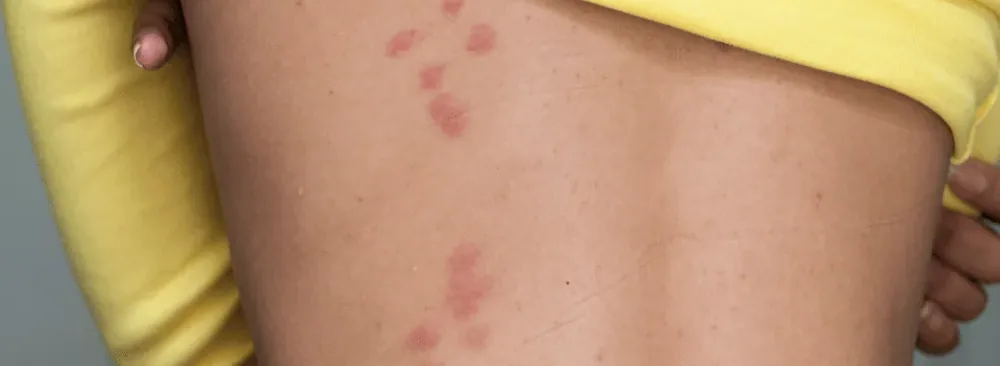
Bed bug bites cause itching, redness, and skin irritations. Some individuals may also develop allergic reactions to the bites, leading to swelling, rashes, or breathing difficulties.
Infestations and spread
Bed bugs reproduce rapidly, leading to significant infestations. They are also highly resilient and can survive for several months without feeding. Moreover, they spread easily from one home to another, making their eradication even more challenging.
Traditional methods of bed bug control
Chemical insecticides
Chemical insecticides are commonly used to eliminate bed bugs. However, these products can be harmful to the environment and human health. Additionally, bed bugs are increasingly developing resistance to insecticides, reducing their effectiveness.
Traps and physical barriers
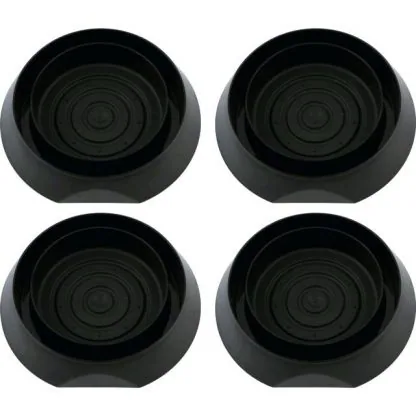
Traps and physical barriers, such as anti-bedbug mattress covers or sticky traps, can help reduce the bed bug population. However, these methods are not always sufficient to completely eliminate an infestation.
Biopesticides: An ecological alternative
Advantages of biopesticides
Biopesticides are products made from microorganisms, plants, or natural substances. They offer an ecological and less harmful alternative to chemical insecticides. Biopesticides are generally specific to certain pest species, reducing their impact on non-target organisms and the environment.
Examples of effective biopesticides
Biopesticides are eco-friendly alternatives for combating bed bugs and other pests. They are generally less harmful to humans and animals compared to traditional chemical insecticides. Several examples of biopesticides have proven effective against bed bugs:
-
Essential oils: Certain essential oils, such as lavender, citronella, or peppermint, have shown some effectiveness against bed bugs. Essential oils work by disrupting the insect’s nervous system, which can kill or repel them. However, it is important to note that essential oils are not always effective for completely eliminating an infestation.
-
Entomopathogenic nematodes: Entomopathogenic nematodes are small parasitic worms that attack harmful insects, including bed bugs. Once inside the host, the nematodes release bacteria that quickly kill the insect. These nematodes are highly specific to their host, minimizing effects on other organisms.
-
Beauveria bassiana: This is a natural entomopathogenic fungus that infects insects and kills them within a few days. It is particularly effective against bed bugs as it attacks their exoskeleton and kills them from within. Beauveria bassiana is also used in the biopesticide Aprehend, which will be discussed in the next section.
Aprehend: An innovative biopesticide
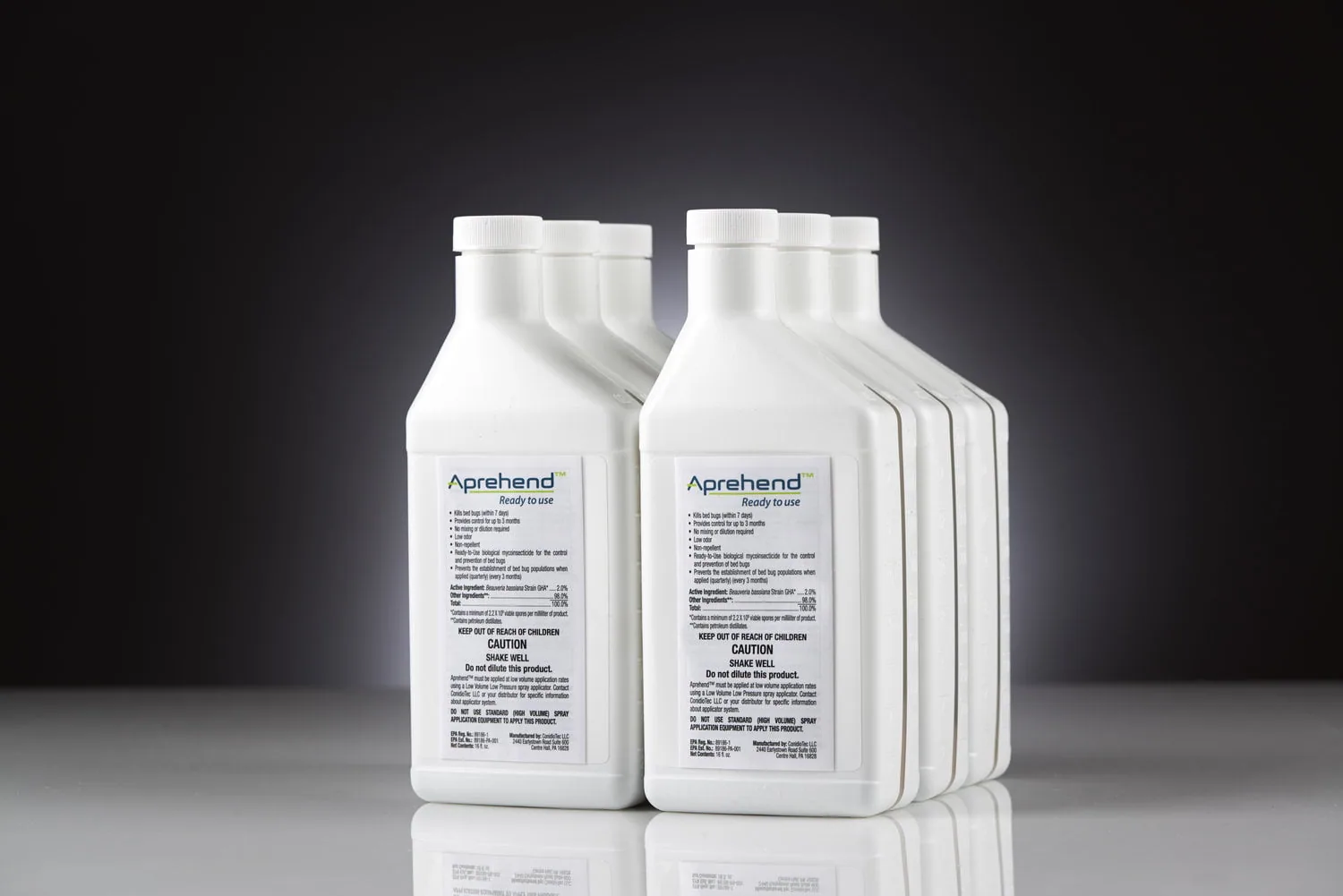
How aprehend works
Aprehend is an innovative biopesticide based on Beauveria bassiana, specifically developed to combat bed bugs. This product works by creating a fungal barrier on surfaces where it is applied. When a bed bug comes into contact with the barrier, the fungal spores adhere to its body and begin to grow. The fungus then penetrates the insect’s exoskeleton and multiplies inside, causing the bed bug’s death within a few days.
Advantages and effectiveness of aprehend
Aprehend offers several advantages over traditional methods of bed bug control, making this ecological solution particularly attractive to many users.
-
Long-term effectiveness: One of Aprehend’s main strengths is its long-term effectiveness. A single application can protect an infested area for about three months. This reduces the frequency of treatments and saves time and effort for users.
-
Non-toxicity: Aprehend is composed of entomopathogenic fungal spores specifically designed to infect and kill bed bugs. Unlike chemical insecticides, this biopesticide is non-toxic to humans and pets, making it safer to use in living spaces.
-
Environmental friendliness: By using a natural and biodegradable product like Aprehend, users contribute to reducing chemical pollution in the environment. Additionally, entomopathogenic fungi are a renewable resource, making them a sustainable alternative to chemical insecticides.
-
Reduced resistance: Bed bugs have developed resistance to chemical insecticides, making them less effective. In contrast, it is unlikely that bed bugs will develop resistance to entomopathogenic fungi, as these fungi infect and kill bed bugs naturally.
Using Aprehend at home
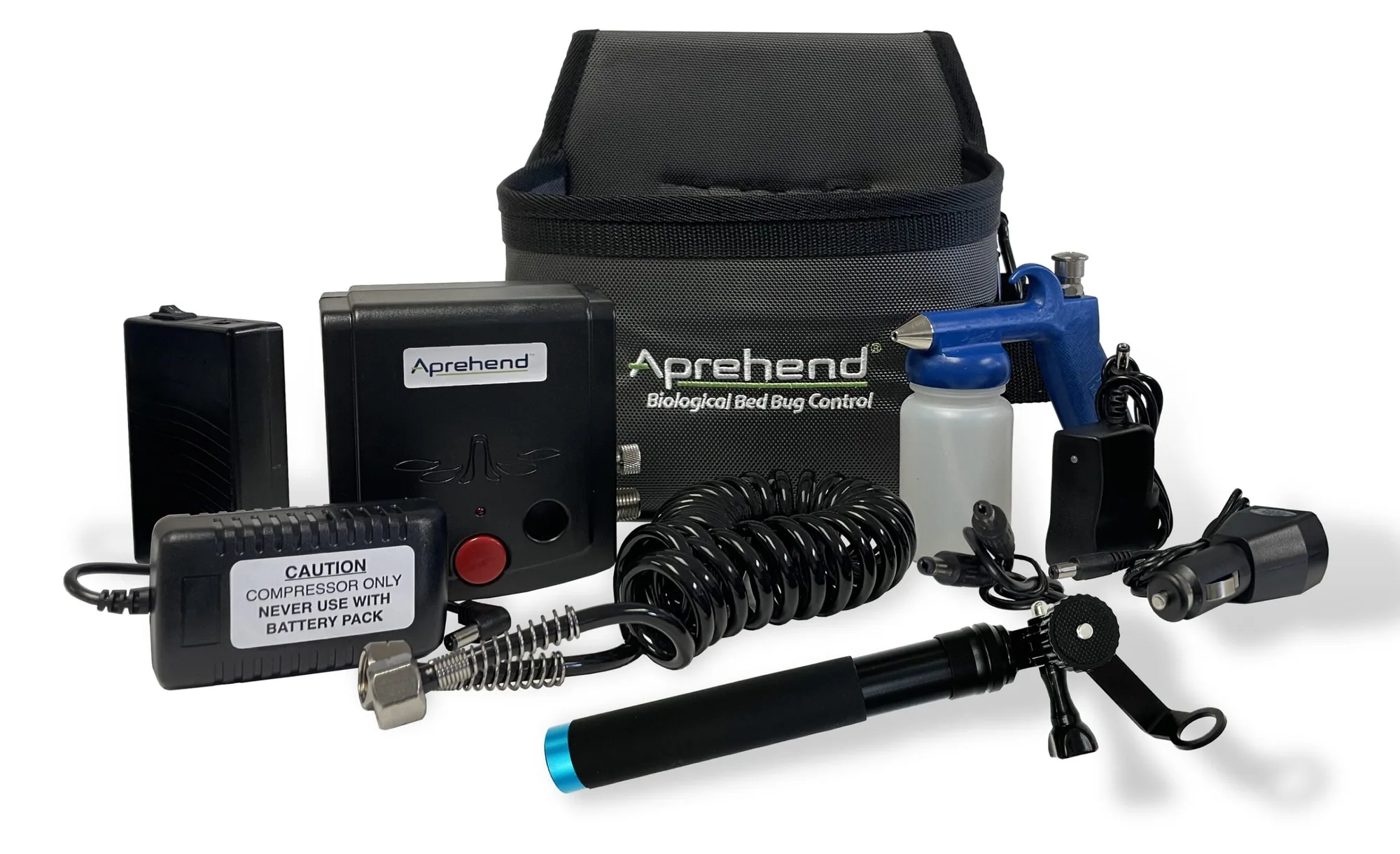
When applying aprehend at home, it is essential to follow certain precautions and recommendations to ensure effective and safe treatment:
– Read and follow the manufacturer’s instructions on the product packaging carefully.
– Wear gloves and long-sleeved clothing to avoid direct contact with the product.
– Apply Aprehend only in areas specifically identified as infested with bed bugs, such as baseboards, bed frames, mattresses, and box springs.
– Avoid spraying the product directly on sheets, pillows, or clothing.
– Allow treated areas to dry completely before reusing them.
– Keep Aprehend out of reach of children and pets.
FAQ on biopesticides and bed bugs
Question: Are biopesticides safe for children and pets?
Answer: Yes, biopesticides are formulated from natural biological agents, making them generally non-toxic to humans and animals. However, it is important to follow the manufacturer’s instructions to ensure proper use.
Question: How long does it take to eliminate an infestation with a biopesticide?
Answer: This depends on the severity of the infestation and the product used. For example, some biopesticides like Aprehend begin to act within a few days, but it may take several weeks to completely eradicate an infestation.
Question: Are biopesticides effective against large infestations?
Answer: Yes, but their effectiveness depends on proper application. For large infestations, it is often recommended to combine their use with other methods (vacuuming, heat treatment) and to hire professionals.
Question: Can bed bugs develop resistance to biopesticides?
Answer: So far, bed bugs have not shown significant resistance to biopesticides because these products use biological agents that act differently from traditional chemical pesticides.
Conclusion:
In conclusion, with the increase in bed bug infestations and the problems they cause, it is essential to find effective and environmentally friendly solutions. Traditional methods, such as chemical insecticides, pose risks to health and the environment. Biopesticides thus appear as a promising alternative for combating these pests.
Aprehend is a concrete example of an innovative, effective, and environmentally friendly biopesticide. Its fungal spore-based formulation enables long-lasting control of bed bugs without harming the health of occupants and minimizing risks to ecosystems. Additionally, its application at home is simple and secure, making it a practical solution for individuals.
However, it is important to remember that prevention remains the best strategy to avoid bed bug infestations. Adopting good hygiene practices, regularly checking for these insects, and using traps and physical barriers are measures that can help limit their spread.