How to Get Rid of Blow Flies Effectively in Quebec
In Quebec, blow flies are more than just a nuisance — they are a genuine hygiene and public health concern. Attracted by strong odours, waste, or dead animals, these insects can quickly invade homes or businesses. Here’s a complete guide to understanding, preventing, and effectively eliminating blow flies.
Understanding the Blow Fly
What Is a Blow Fly?
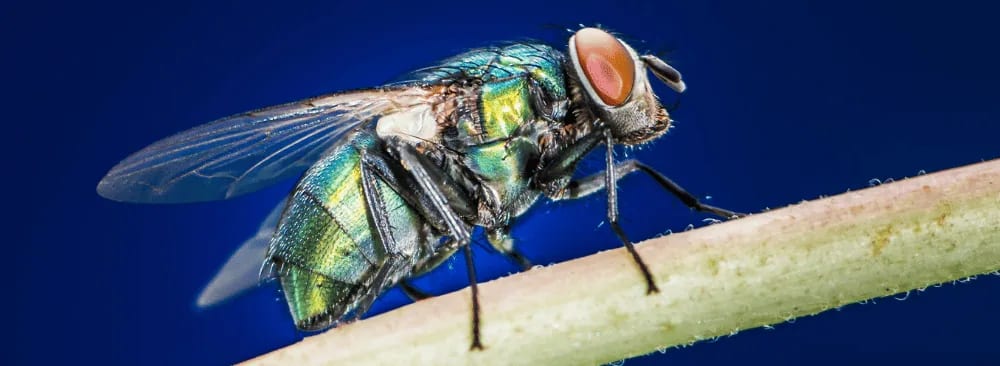
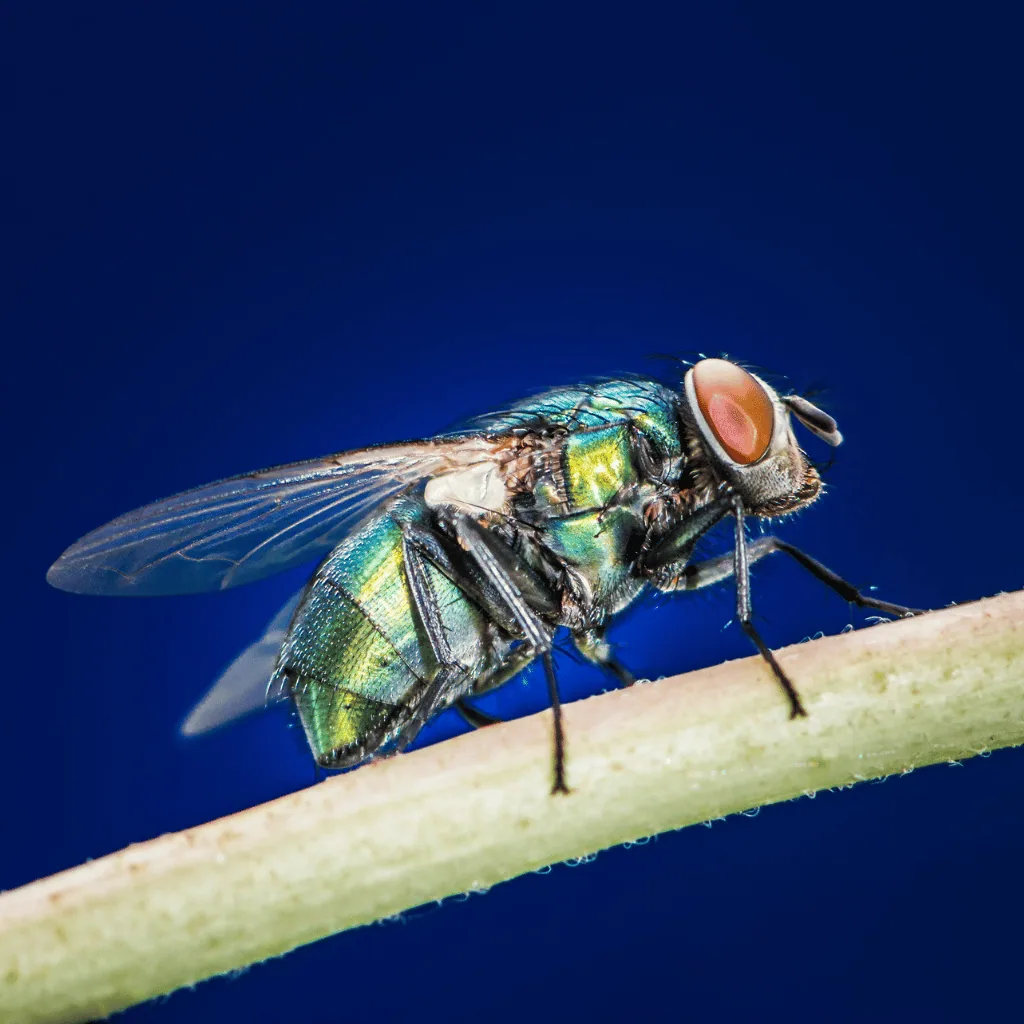
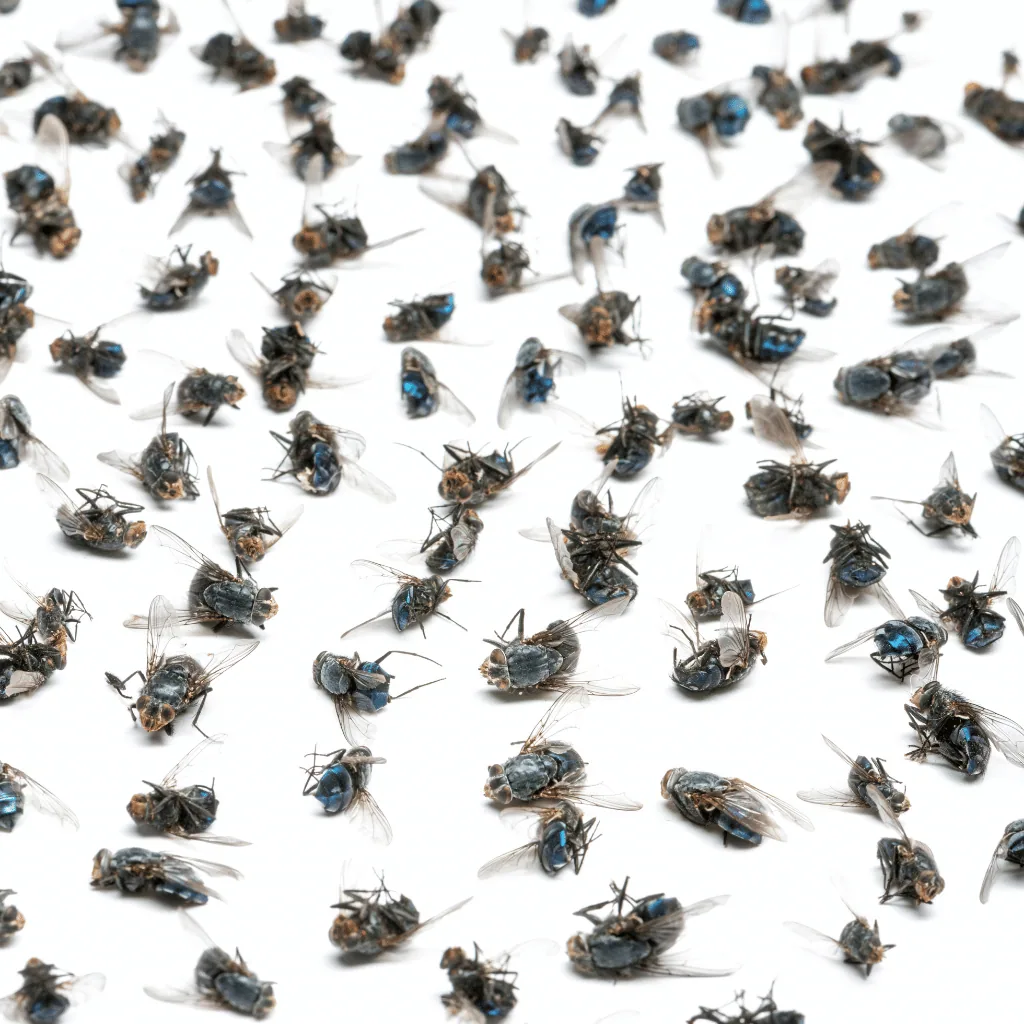
The blow fly, also known as the bluebottle or greenbottle fly, belongs to the Calliphoridae family. It can be identified by its metallic blue or green body and loud buzzing flight. While these insects play an ecological role in decomposition, they become pests when they enter indoor environments. To learn more about their behaviour and prevention measures, consult the official Health Canada page.
Life Cycle and Reproduction
Their life cycle is extremely fast: a female can lay up to 2,000 eggs on decaying organic matter. In less than ten days, these eggs become larvae, then pupae, and finally adults. This speed explains why even minor negligence, like leaving out waste, can lead to an infestation.
Differences from the Common Housefly
Blow flies are larger and shinier than common houseflies. While houseflies are attracted to sweet substances, blow flies prefer protein sources such as meat or carcasses. Their presence often indicates a hidden source of decay, such as a dead rodent or improperly managed garbage. For visual comparison, visit the internal housefly page on Exterminatek’s website.
Why Blow Flies Invade Your Home
Common Sources of Attraction
Blow flies are irresistibly drawn to strong odours: raw meat, fish, food waste, open garbage, or animal carcasses. In a home, even a dead rodent behind a wall or an unsealed bin can trigger an infestation. Food businesses, butcher shops, and restaurants are particularly at risk.
Favourable Conditions in Quebec
Quebec’s hot and humid summers promote rapid blow fly reproduction. In the fall, they seek shelter inside homes to survive the winter. A well-insulated but poorly maintained house can therefore become an ideal refuge for these opportunistic insects.
Signs of an Infestation
Visual Indicators
The most obvious signs include the presence of blue or green flies around windows, trash bins, or damp areas. Larvae or brown pupae may appear near drains or in hidden areas such as under sinks — a clear sign that the breeding cycle is already underway.
Odours and Unusual Behaviour
A smell of rotting meat, sewage, or decaying organic matter is often a sign of infestation. If flies seem to emerge from a wall or ceiling, a small animal carcass may be the source. In that case, quick action is crucial to prevent further spread.
Health Risks and Concerns
Food Contamination and Bacteria
Blow flies can carry bacteria such as Salmonella and E. coli, which cause food poisoning. By landing on food, they can transfer harmful pathogens. For more information on food safety and prevention, visit the Government of Quebec’s official portal.
Health and Economic Consequences
Beyond the health risks, infestations can harm the reputation of food-related businesses and lead to cleaning or disinfection costs. In homes, odours and the rapid spread of flies can cause significant discomfort and stress.
Natural Methods to Get Rid of Blow Flies
Homemade Traps
An effective trap can be made by mixing apple cider vinegar, sugar, and dish soap in a bowl covered with plastic wrap pierced with small holes. Attracted by the smell, flies enter and drown. This eco-friendly method helps reduce their numbers without using harsh chemicals.
Cleaning and Hygiene
Eliminate all odour sources: empty garbage bins, clean drains, disinfect surfaces, and inspect ducts. Regular cleaning is the best defence against infestations. Companies like Exterminatek also recommend inspecting attics, basements, and wall cavities for hidden breeding sites.
Repellent Plants and Essential Oils
Basil, peppermint, and lavender naturally repel flies. Essential oils like eucalyptus, citronella, or clove can be used in sprays to create an environment that deters flying insects.
Effective Products and Treatments
Aerosols and Professional Traps
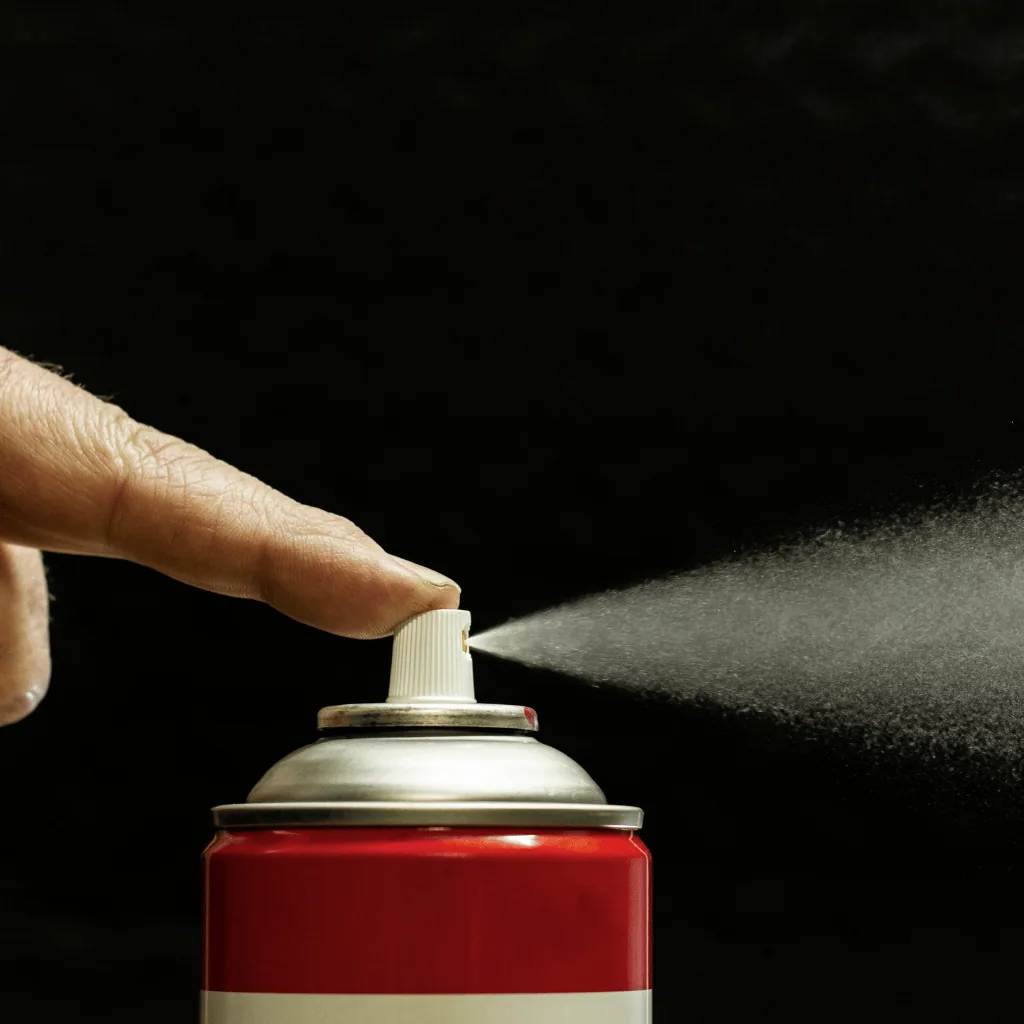
Aerosols containing pyrethrins eliminate adult flies but provide only temporary results. Light traps and automatic diffusers help maintain control in high-risk areas. Always use these products cautiously, especially where food is present.
Professional Treatments
Licensed exterminators use approved products and targeted techniques such as residual spraying or fogging. These treatments are safe and comply with Quebec’s environmental standards. A full inspection allows identification of the infestation source and prevents recurrence.
When to Call a Professional Exterminator
Recognizing a Severe Infestation
If flies keep reappearing despite cleaning, or if larvae are visible, it’s time to contact a professional. A trained technician can locate the hidden source and apply the most appropriate solution.
Benefits of Professional Service
Hiring Exterminatek provides several benefits: accurate diagnosis, fast intervention, safe products, and personalized follow-up. The team ensures not only that adult flies are eliminated but also that larval breeding sites are destroyed for long-term results.
Prevention and Best Practices
Waste Management
Store garbage in sealed containers and empty them frequently. Clean bins weekly with hot water and mild disinfectant. In commercial spaces, it’s essential to follow daily disposal protocols for organic waste.
Sealing and Maintenance
Check window screens, door seals, and vents. Flies can enter through very small gaps. Regular maintenance of these entry points greatly reduces the risk of infestation.
Ongoing Monitoring
After treatment, monitor sensitive areas and maintain consistent hygiene practices. An annual inspection by a professional helps prevent future infestations.
Conclusion
Blow flies represent a real health and sanitation concern. By understanding their habits, maintaining proper hygiene, and acting quickly in case of infestation, you can prevent serious problems. For complex situations, a professional intervention remains the most effective and sustainable solution.
Frequently Asked Questions (FAQ)
1. How can I tell if I have an infestation?
The presence of metallic blue or green flies, larvae, or strong odours usually indicates an active breeding site.
2. Are blow flies dangerous to health?
Yes. These insects can transmit pathogens and contaminate food. It’s best to prevent any contact between flies and food surfaces.
3. Are natural repellents effective?
They can help reduce fly presence but are not sufficient to eliminate an established infestation.
4. How much does a professional service cost?
Costs vary depending on the size of the infestation and the treated area. Exterminatek offers free evaluations and customized solutions.
5. Can I prevent blow flies from returning?
Yes — with proper hygiene, maintenance, and regular follow-ups. A clean and well-ventilated home is the best protection against blow flies.