EXTERNAL INSPECTION AND IDENTIFICATION
In the world of pest management, there are two primary areas of focus: the inside and the outside of your home. The pests that invade your home generally originate from the surrounding environment—outside. By identifying potential access points and securing them, you can effectively prevent their intrusion. The first step to protecting your home is ensuring proper caulking.
1. Why is an exterior inspection important?
Pests like rodents, crawling insects, and flying insects generally originate from the external environment before entering your home. Regular inspections of the surroundings can help:
- Identify structural weak points.
- Repair openings before they become entry points.
- Prevent material damage caused by infestations (e.g., wood damaged by carpenter ants).
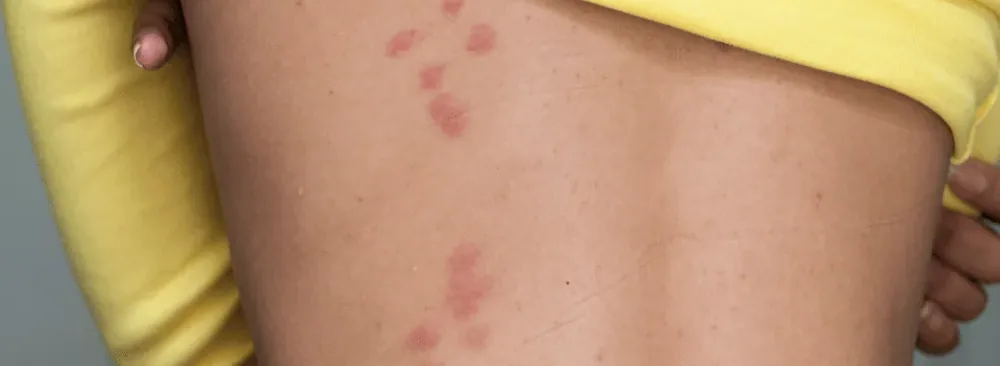
- Reduce health risks, particularly from rodent droppings or insect bites.
2. Key steps for an effective exterior inspection
a) Inspect potential entry points
Do a complete perimeter check of your home and carefully examine the following areas:
- Piping and cable entry points: Plumbing pipes, electrical cables, or ventilation ducts can leave small gaps, ideal for insects or rodents.
- Door and window frames: Check for cracks or spaces beneath doors and around frames.
- Garage and patio doors: These areas are often poorly sealed or worn over time, allowing pest access.
- Deck, balcony, or patio connections: Supporting structures can leave gaps where rodents might sneak in.
- The junction between siding and the structure: The space beneath exterior siding can become a hiding spot for insects or small animals.
- Roof openings: Gaps between soffits (exterior ceilings) and walls are common access points for birds and rodents.
- Vegetation touching the structure: Tree branches or shrubs in contact with your home act as bridges for insects and rodents.
b) Look for signs of pests
- Droppings: Rodent droppings are a clear sign of their presence.
- Scratches or bite marks: Rodents often gnaw materials to widen openings.
- Nests: Insects like wasps or spiders can establish nests in corners or cracks.
- Trails or tunnels in the soil: Moles and rats sometimes dig around foundations.
c) Seal weak points
Once entry points are identified, the next step is to secure them with caulking or other suitable materials. This includes:
- Using silicone sealant to close gaps around cables or pipes.
- Installing door sweeps to cover gaps under doors.
- Adding metal screens to vents or larger holes.
Sometimes caulking requires only minor fixes, but if the work is extensive, you may need to hire a pest control company offering these services (consult with your exterminator about the caulking materials used).
3. Recommended materials for caulking
When caulking, it’s important to use durable materials that are effective against pests:
- Silicone or polyurethane sealants: Resistant to weather and rodents.
- Stainless steel mesh: Ideal for covering vents or larger openings.
- Expanding foam strips: Useful for sealing deep cracks or uneven spaces.
To find caulking products and sealants suitable for your needs, explore the selection available at Home Depot.
4. Additional preventive measures
a) Install rodenticide boxes
Rodenticide boxes can be strategically placed around your home to prevent rodent intrusion, particularly in the fall. These devices contain poisoned bait accessible only to targeted pests.
b) Keep vegetation away
- Trim tree branches to keep them from touching the house.
- Move shrubs and climbing plants away from exterior walls.
c) Reduce sources of attraction
- Regularly clean garbage bins and ensure they are tightly sealed.
- Avoid storing firewood or materials directly against the walls.
d) Use natural repellents
- Sprinkle cayenne pepper or cinnamon around identified entry points to deter certain insects.
- Essential oils, such as peppermint, can also repel rodents and certain insects.
5. When to call a professional?
In some cases, necessary interventions may exceed the homeowner’s abilities:
- Extensive infestation: If you suspect an infestation already in progress.
- Difficult-to-seal entry points: Professional exterminators can use specialized materials or advanced techniques.
- Annual preventive inspection: An expert can identify risk areas that you may have missed.
6. Why is exterior inspection a smart investment?
By investing in regular exterior inspections and preventive measures, you can:
- Avoid costly repairs caused by structural damage.
- Protect your family’s health from pest-related risks.
- Maintain your property’s value over the long term.
7. Frequently Asked Questions (FAQ)
Q: How often should I inspect the exterior of my home?
A: Ideally, an inspection should be done at every seasonal change, especially in spring and fall.
Q: What pests are most common in Quebec?
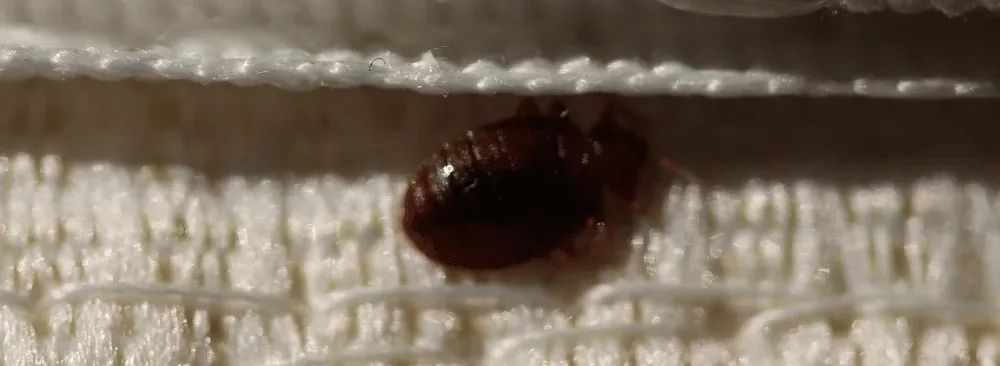
A: Common pests include carpenter ants, bed bugs, cockroaches, spiders, and rodents like mice and rats.
Q: Is caulking alone enough to prevent an infestation?
A: Caulking is an essential step but must be combined with other measures, such as vegetation management and the use of repellents.
Conclusion
A thorough exterior inspection and appropriate preventive measures are essential for protecting your home from pests. By identifying and effectively securing weak points in your structure, you can significantly reduce the risk of intrusion. If in doubt or in need of assistance, do not hesitate to contact a professional exterminator for a complete inspection and tailored solutions.
With these tips, your home will remain a safe and pest-free refuge year-round.