COMPLETE GUIDE TO HEAT TREATMENTS FOR BED BUGS
Heat treatments for bed bugs have become one of the most effective and environmentally-friendly methods of eradicating these persistent pests. Unlike traditional chemical treatments, heat treatments use high temperatures to target all life stages of bed bugs, including eggs, nymphs and adults, guaranteeing complete extermination. This method is particularly advantageous as it penetrates hard-to-reach areas, such as cracks, crevices and the inside of furniture, where bed bugs often hide.
The process involves raising the temperature of the infested area to lethal levels, typically between 49 and 60°C (120 and 140°F) , and maintaining it for several hours. Studies have shown that bed bugs begin to die at 45°C (113°F) when exposed for 90 minutes, while eggs require higher temperatures of 48°C (118°F) maintained for the same length of time to achieve 100% mortality. These results underline the importance of precise temperature control and uniform heat distribution during treatment.
Professional heat treatments are widely regarded as the gold standard for large-scale infestations due to their ability to eliminate bed bugs in a single session without the need for repeated chemical applications. Licensed pest control providers use specialized equipment, such as industrial heaters and fans, to ensure even heat distribution throughout the treated space. For smaller infestations or individual objects, DIY methods such as the use of tumble dryers, steam cleaners or portable heating chambers can also be effective. However, it is difficult to achieve consistent and complete heat exposure throughout an entire room or house without professional help.
Research, including studies published in journals such as PLOS One and Journal of Economic Entomology , confirms that bed bugs have a limited ability to develop resistance to heat treatments. This makes heat a reliable option for long-term pest control. However, experts stress the importance of combining heat treatments with other) strategies integrated pest management (IPM, such as chemical applications or preventive measures, to minimize the risk of reinfestation.
Although heat treatments are highly effective, preparation is essential for success. Objects sensitive to high temperatures, such as candles, electronics and certain plastics, must be removed or protected before treatment. In addition, space must be kept to a minimum to allow optimum heat circulation.
Overview of heat treatment against bed bugs
Thermal lethality and disruption of the bedbug life cycle
Thermal treatment of bed bugs is a scientifically validated method that uses high temperatures to eliminate all life stages of bed bugs, including eggs, nymphs and adults. Studies have shown that bed bugs have a thermal death point of around 45°C (113°F) when exposed for 90 minutes or more. However, to ensure complete eradication, professional heat treatments generally raise the temperature to 49°C to 60°C (120°F to 140°F) for an extended period. This range is lethal for bed bugs and their eggs, which are often more resistant to chemical treatments. Heat penetrates all areas of an infestation, including furniture, walls and carpets, making it particularly effective in combating hidden populations.
Exposure to temperatures of 49°C resulted in 100% mortality of bed bugs within minutes. This rapid lethality underlines the effectiveness of heat treatment compared with traditional chemical methods, which often require multiple applications and may not affect eggs. What’s more, heat treatments disrupt the bedbug life cycle by killing the eggs before they hatch, thus preventing reinfestation. This is an essential advantage over chemical treatments, which generally require follow-up visits to target newly hatched nymphs.rate
Heat application equipment and techniques
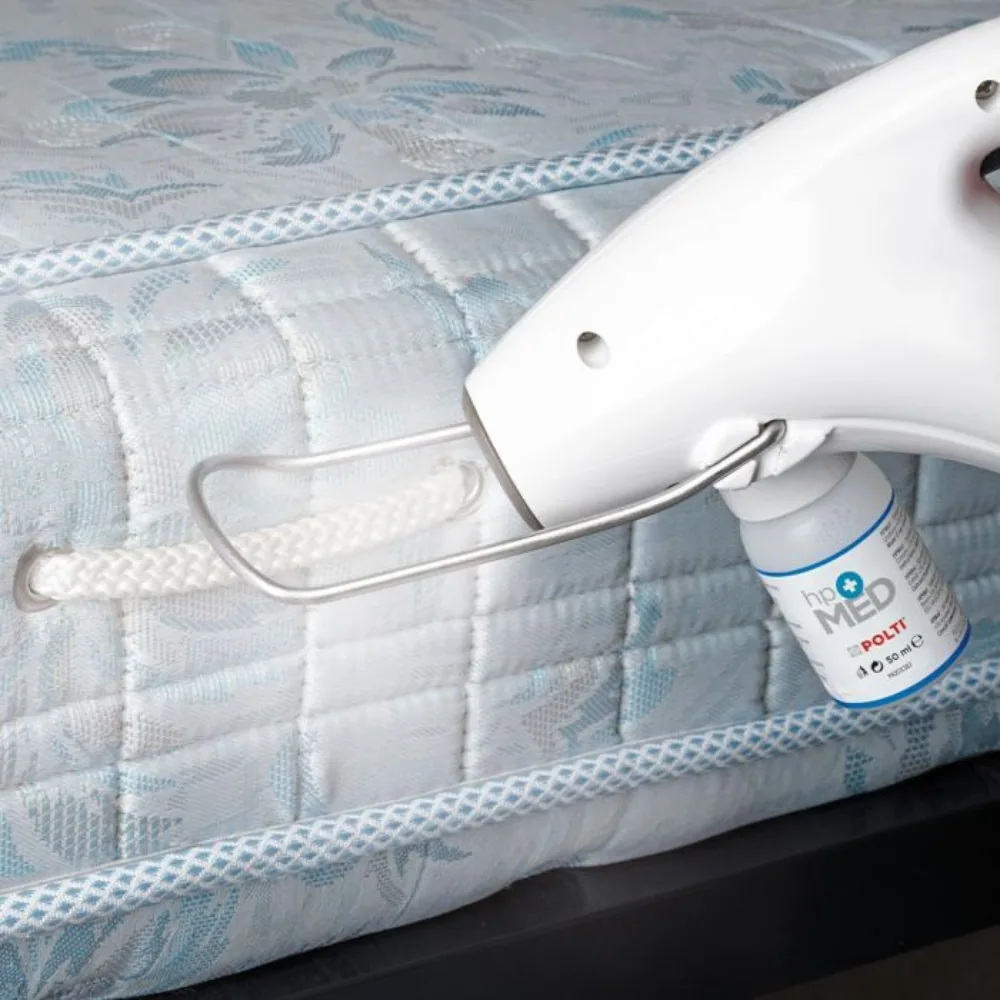
The success of heat treatment depends largely on the equipment used and the methodology employed. Specialized heaters, such as electric, propane or diesel systems, are used to generate and distribute heat evenly throughout the treatment area. These systems are equipped with thermostatic controls to maintain temperatures within the range lethal to bed bugs, while avoiding damage to household items.
During the treatment process, technicians strategically place heaters and fans to ensure even heat distribution. Sensors are deployed in hard-to-reach areas, such as cracks, crevices and behind furniture, to monitor temperature levels. This ensures that all areas of infestation reach the required thermal threshold. Placing heat sensors in crowded environments is essential to achieve complete eradication, as bed bugs may seek refuge in cooler areas if heat distribution is uneven.
The acclimatization technique is often used to minimize damage to sensitive materials. By gradually increasing the temperature in 10°F increments once 100°F is reached, technicians allow materials to adapt to the heat, reducing the risk of warping or melting. This method is particularly useful for protecting items such as vinyl blinds, laminate flooring and electronic appliances.
Limits and challenges of heat treatment
Despite its great effectiveness, heat treatment is not without its limitations. One of the main challenges is the possibility of bed bugs escaping to cooler areas during the treatment process. For example, in structures with suspended ceilings or gaps between exterior cladding and interior drywall, bedbugs may find refuge if these areas don’t reach lethal temperatures. This problem is particularly pronounced in environments such as dormitories, collective housing and caravans.
Another drawback is the initial cost of heat treatment, which can be prohibitive for some homeowners. The equipment and expertise required for effective application contribute to higher costs compared to traditional chemical treatments. What’s more, not all elements of a home can withstand the high temperatures used during heat treatments. Sensitive materials, such as wax candles, oil paints and certain electronic devices, must be removed or protected before treatment. Failure to prepare the space properly can result in damage to these items, underscoring the importance of careful preparation.
The table below summarizes the main advantages and limitations of heat treatment for bed bugs:
| Aspect | Benefits | Limits |
| Efficiency | Kills all life stages, including eggs, in a single treatment. | Bed bugs can escape to cooler areas if heat distribution is uneven. |
| Environmental impact | Chemical-free and safe for humans and pets. | High energy consumption during the treatment process. |
| Preparation | Minimal chemical residues; no subsequent application of pesticides required. | Heat-sensitive components must be removed or protected. |
| Cost | The high success rate reduces the need for repeat treatments. | Higher initial cost than chemical treatments. |
| Time | Rapid eradication, often completed within a day. | Larger or cluttered spaces may require longer processing times. |
Post-treatment monitoring and additional measures
To ensure the long-term success of heat treatment, post-treatment monitoring is essential. Bed bugs are notoriously resistant, and even a few survivors can lead to reinfestation. Technicians recommendoften the use of desiccant dust formulations, such as diatomaceous earth, as an additional measure. These products offer long-lasting residual activity and can target any bed bugs that may have survived the heat treatment.
Homeowners are advised to regularly inspect treated areas for signs of bedbug activity, such as dead skin or live insects. Maintaining cleanliness, reducing clutter and sealing cracks and crevices can help prevent future infestations. In addition, preventive measures such as covering mattresses and box springs with protective covers can create a barrier against bed bugs and facilitate early detection.
In multi-unit buildings, it’s essential to inspect and treat adjacent units to prevent the spread of bed bugs. This is especially important in apartment buildings, where bed bugs can easily migrate from one unit to another through shared walls and electrical conduits. Municipal by-laws in some areas, such as Montreal, require building owners to deal with infestations promptly, and may require the use of certified pest control specialists.
By combining heat treatment with diligent monitoring and preventive measures, homeowners and pest control professionals can achieve long-term control of bedbug infestations.
Preparation steps for heat treatment
Completely prepare the house for heat penetration
Effective heat treatment against bed bugs relies heavily on careful preparation to ensure that the heat penetrates all infested areas, leaving no hiding places for bed bugs or their eggs. This section provides a detailed guide to preparing your home to maximize the effectiveness of the treatment while minimizing the risk to your property.
To begin with, owners need to clear the treatment area. Unlike chemical treatments, which can bypass certain obstructions, heat treatment requires unobstructed airflow to achieve even temperature distribution. By removing unnecessary objects such as cardboard boxes, piles of clothing and unused furniture, heat can reach every corner of the room. Cluttered environments can create cooler zones where bed bugs can survive, as demonstrated by thermal remediation studies conducted by pest control experts.
Another important step is to open all drawers, cupboards and closets. This allows heat to penetrate into the enclosed spaces where bed bugs often hide. Items stored in these spaces, such as books, papers and small electronic devices, should be inspected and, if necessary, removed to avoid heat damage. In addition, upholstered furniture, mattresses and cushions should be positioned to allow maximum heat exposure to their undersides and internal crevices. This differs from the existing section on « Heat application equipment and techniques », which focuses on the placement of radiators and sensors rather than the homeowner’s role in preparing furniture.
Vacuuming the area to be treated is another essential step. If heat treatment effectively kills bed bugs, vacuuming removes debris, bed bug carcasses and eggshells, which might otherwise insulate live bugs from lethal temperatures. Homeowners should use a vacuum cleaner with a HEPA filter to capture microscopic particles, and immediately dispose of the vacuum bag in a sealed plastic bag to prevent reinfestation.
Finally, it’s essential to seal cracks and crevices in walls, baseboards and furniture. Heat treatment can encourage bed bugs to hide in untreated areas, leading to reinfestation. Homeowners should use caulking or sealant to close gaps in these areas, ensuring that bed bugs cannot escape from the treatment zone. This step is particularly important in multi-unit dwellings, where untreated neighboring units can act as reservoirs for reinfestation.
Protecting heat-sensitive objects and materials
Heat-sensitive objects and materials must be identified and removed or protected before treatment to prevent damage. This section describes the steps owners should take to protect their property while ensuring successful treatment.
Electronic devices such as laptops, televisions and games consoles are particularly vulnerable to high temperatures. These devices should be unplugged, inspected for signs of infestation and stored in a cool, safe place outside the treatment area. For items that cannot be removed, such as built-in devices, pest control professionals may recommend the use of heat-resistant covers or insulating materials to protect them from direct exposure to heat.
Works of art, musical instruments and collectors’ items should also be removed from the treatment area. Objects such as oil paintings, vinyl records and wooden instruments can warp, melt or crack under high temperatures. Owners should consult pest control professionals to determine whether these items require special handling or storage. For example, some pest control companies offer off-site storage or treatment options for valuable or irreplaceable items.
Clothes and linen must be washed and dried at high temperature before treatment. Heat treatment alone cannot penetrate tight fabrics, so pre-washing and drying ensure the elimination of bed bugs and their eggs. Items that cannot be washed, such as dry-clean-only garments, should be stored in sealed plastic bags and kept out of the treatment area.
Wooden furniture, especially antique or delicate furniture, requires special attention. Owners should consult pest control professionals to determine whether these items can withstand heat treatment, or whether they require protective measures. For example, insulating blankets or heat shields can be used to protect furniture from direct exposure to heat, while allowing the surrounding area to reach lethal temperatures.
Coordination with pest control professionals
Collaboration with pest control professionals is essential for successful heat treatment. This section provides tips on how owners can work effectively with professionals to ensure optimal results.
Prior to treatment, homeowners should schedule a consultation with the pest control company to discuss the details of the process. This includes understanding the temperature range required for bedbug eradication, the duration of the treatment and potential risks to household items. Homeowners should also request a detailed list of preparation instructions tailored to the unique layout and contents of their home.
During the consultation, homeowners should inform pest control professionals of any heat-sensitive elements or areas of concern. For example, built-in electronics, structural elements such as wooden beams, and areas with limited air circulation may require special attention.
On the day of treatment, owners must ensure that all residents, including pets, are relocated to a safe place. Heat treatment can take several hours, and high temperatures pose a risk to humans and animals. Pest control professionals may recommend temporary accommodations for the duration of the treatment, as well as a waiting period after treatment to allow the treated area to cool and stabilize.
Finally, homeowners must maintain open communication with pest control professionals throughout the process. This includes providing feedback on the effectiveness of the treatment, reporting any signs of reinfestation, and scheduling follow-up inspections if necessary. By working closely with professionals, homeowners can ensure that treatment is complete and that any remaining bed bugs are promptly dealt with.
| Preparation stage | Key actions | Goal |
| Decluttering | Remove unnecessary items and open all drawers, cupboards and closets. | Ensures unobstructed air circulation and heat penetration in all infested areas. |
| Vacuuming | Vacuum the area to be treated using a HEPA filter and dispose of the bag safely. | Removes bedbug debris and carcasses, reducing isolation of living insects. |
| Sealing cracks and crevices | Use caulk or sealant to close gaps in walls, baseboards and furniture. | Prevents bed bugs from escaping the treatment zone and hiding in untreated areas. |
| Removing heat-sensitive components | Unplug and store electronics, artwork and collectibles in a safe place. | Protects valuable or delicate objects from heat damage. |
| Pre-treatment consultation | Discuss the process, risks and preparation requirements with professionals. | Ensures that the treatment is tailored to the home’s unique layout and contents. |
Effectiveness and limitations of heat treatment against bed bugs
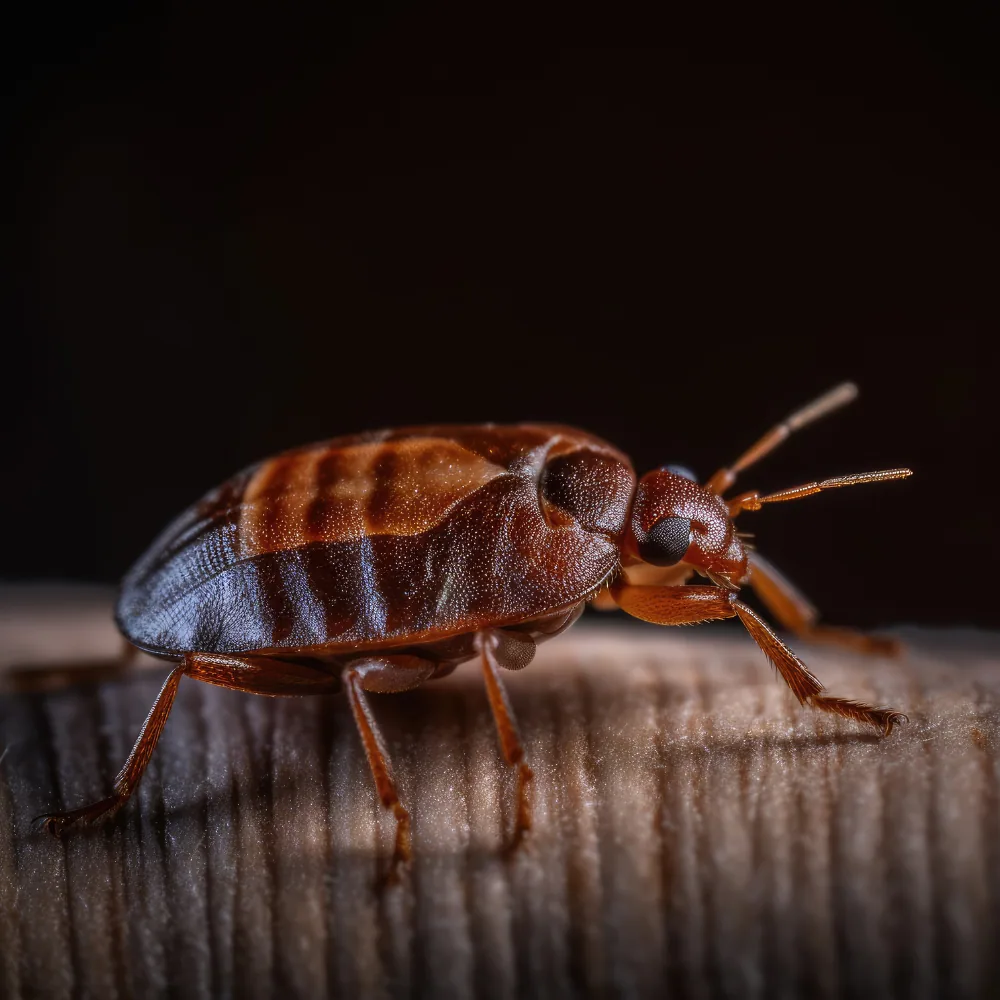
Thermal efficiency across the life stages of bed bugs
Heat treatment is widely recognized as a highly effective method of eradicating bed bugs at all stages of their life cycle, including eggs, nymphs and adults. Studies have shown that lethal temperatures for bed bugs range from 45°C (113°F) to 50°C (122°F), depending on exposure time and life stage. Research by Kells and Goblirsch (2011) determined that bedbug eggs require a higher lethal temperature (LTemp99 = 54.8°C or 130.64°F) than adults (LTemp99 = 48.3°C or 118.94°F) to achieve 99% mortality. At 45°C (113°F), adult bedbugs succumb in 94.8 minutes, while eggs can survive for up to seven hours. This discrepancy underlines the importance of maintaining precise temperature thresholds for extended periods to ensure complete eradication.
Localized heat treatments, such as those targeting furniture or specific infested areas, have also proved effective when properly executed. Complete mortality of bed bugs within two to seven hours is reported when heat was applied to furniture surrounded by polystyrene sheathing panels. This method of containment ensures that the heat is concentrated around the treated material, thus improving efficacy. However, the success of these treatments depends on achieving uniform heat distribution and avoiding colder areas where bed bugs may seek refuge.
Sublethal thermal stress and its consequences
Exposure to sublethal heat, while insufficient for complete eradication, can considerably weaken bedbug populations and disrupt their reproductive capacities. Experimental studies have shown that exposing bed bugs to temperatures of 34°C, 36°C or 38°C for two to three weeks results in significant mortality during the exposure period. Survivors show reduced egg production, lower hatching success and impaired moulting and proliferation of offspring during a subsequent seven-week recovery period at 22°C. These results suggest that sublethal heat stress can serve as an additional measure in integrated pest management (IPM), particularly when combined with other control methods such as chemical treatments or desiccant dusts.
Factors influencing heat treatment efficiency
The success of heat treatment depends on several critical factors, including temperature uniformity, exposure time and environmental conditions. Studies have highlighted the importance of achieving uniform heat distribution throughout the treatment area to eliminate all bed bugs, including those hiding in hard-to-reach places. Specialized heating and ventilation units are used to circulate warm air evenly, while temperature sensors monitor conditions in potential refuge areas such as cracks, crevices and behind furniture.
One of the main challenges is to ensure that all areas of the treatment zone reach and maintain lethal temperatures. Inadequate heat penetration can allow bed bugs to survive in cooler areas, leading to reinfestation. For example, environments with suspended ceilings, thick insulation or cluttered spaces can impede heat distribution.
In addition, the flooring material in the treatment area can influence heat retention. Certain types of flooring, such as concrete or tiles, can dissipate heat more efficiently than carpeted surfaces, creatingpotentially cooler microenvironments. Taking these variables into account requires careful planning and execution by qualified professionals to optimize treatment results.
Heat treatment limits
Although heat treatment offers many advantages, it is not without its limitations. One major drawback is the initial cost, which can be prohibitive for some homeowners. The specialized equipment and expertise required for effective application contribute to higher expenses compared to traditional chemical treatments. For example, heat treatments of an entire part can require equipment costing over $400, plus professional service fees.
Another limitation is the risk of damaging heat-sensitive objects. Electronic devices, works of art and fragile furniture may not withstand the high temperatures used during processing. Owners must remove or protect these objects to avoid damage, which can increase the complexity and cost of the process.
What’s more, heat treatment is not a stand-alone solution for bedbug control. Although it effectively eliminates live insects and eggs, it offers no residual protection against reinfestation. Bed bugs can re-enter treated areas from adjacent rooms or external sources, requiring ongoing preventive measures. This limitation highlights the importance of integrating heat treatment with other control strategies, such as sealing entry points, reducing clutter and using mattress covers.
Comparative analysis of heat treatment parameters
| Parameter | Optimum range/requirements | Challenges |
| Lethal temperature | 45°C (113°F) to 50°C (122°F) | Higher temperatures are required for eggs than for adults. |
| Exposure time | 2 to 7 hours for complete mortality | Longer periods are required for egg eradication. |
| Environmental conditions | Even heat distribution is essential | Cooler areas may allow survival. |
| Cost | 400 or more for equipment, plus professional fees | Forbidden for some owners. |
| Residual protection | No | Requires integration with other control measures. |
Advances in heat treatment research
Recent studies have explored the possibility of bed bugs developing heat resistance, a concern that could compromise the long-term efficacy of this method. Research by Ashbrook et al (2019) investigated whether bed bugs could be selected for heat resistance under laboratory conditions. Although initial experiments showed a slight increase in survival, the resistance did not persist beyond the fourth generation. This finding suggests that the ability of bed bugs to develop heat resistance is limited, alleviating concerns about reduced treatment efficacy over time.
Integration with additional measures
To improve the effectiveness of heat treatment, pest control professionals often recommend combining it with additional measures such as desiccant powders or chemical treatments. Desiccant powders, such as diatomaceous earth, offer residual activity that can target bed bugs that survive heat treatment. These products are particularly useful for treating cracks, crevices and other potential refuge areas that may not reach lethal temperatures when heat is applied.
Post-treatment monitoring and preventive measures
Advanced techniques for monitoring residual bedbug activity
Post-treatment monitoring is an essential element in ensuring the success of bedbug heat treatments. While previous content covered general monitoring practices such as visual inspections and the use of desiccant dusts, this section looks at advanced techniques that improve detection accuracy and ensure continuous monitoring. Passive monitoring tools, such as bedbug interceptors and sticky traps, are effective in capturing residual bedbugs in the treated environment. However, the integration of active monitoring systems, such as CO₂-emitting traps, can significantly improve detection rates by mimicking human presence to attract bed bugs. These traps are particularly useful in low-infestation scenarios where visual signs may be minimal. CO₂ traps can detect bed bugs within 24 to 48 hours, offering a rapid assessment of treatment effectiveness.
Thermal cameras are another advanced tool for post-treatment monitoring. These devices detect the thermal signatures of bed bugs, which can be particularly useful for identifying infestations hidden in furniture or wall voids. Although thermal imaging requires specialized equipment and expertise, it provides a non-invasive method for locating residual bed bugs that may have survived heat treatment. In addition, canine detection services, which use dogs trained to sniff out bedbug pheromones, can complement traditional monitoring methods. Canine inspections have demonstrated detection accuracy of up to 97%, making them a good resource in post-treatment assessments.
Environmental modifications to prevent reinfestation
While current content emphasizes cleanliness and clutter reduction, this section focuses on structural and environmental modifications that create long-term barriers to bedbug reinfestation. Sealing cracks and crevices in walls, baseboards and furniture is essential to eliminate potential hiding places. Silicone-based sealants are particularly effective for this purpose, as they are durable and resistant to environmental degradation. In addition, installing door sweeps and sealing gaps around windows and water and electricity pipes can prevent bedbugs from entering the house from adjacent units or from outside.
Encasing mattresses and box springs in certified anti-bedbug covers is another preventive measure that offers a dual benefit: it traps residual bedbugs inside the encasement, preventing them from feeding and reproducing, and it simplifies future inspections by providing a smooth surface with no seams or cracks. Research indicates that envelopes can reduce bedbug populations by up to 90% in two weeks when combined with other control measures.
Implementing Integrated Pest Management (IPM) strategies, such as maintaining low humidity levels and using bedbug-resistant furniture materials, can further deter reinfestation. Bed bugs thrive in humid environments, so using dehumidifiers to keep indoor humidity below 50% can inhibit their reproduction. Metal or hard plastic furniture is less suitable for bed bugs than upholstered or wooden furniture. These environmental modifications not only reduce the likelihood of reinfestation, but also improve the effectiveness of ongoing monitoring efforts.
Long-term behavioral adjustments and travel precautions
While preventive measures at home are crucial, behavioral changes and travel precautions play an equally important role in minimizing the risk of bedbug reintroduction. Travelers should inspect hotel rooms for signs of bedbug activity, such as excrement stains or live insects, before unpacking. Luggage should be placed on racks rather than on beds or the floor, and clothing should be stored in sealed plastic bags during travel. On returning home, all clothing should be washed in hot water and dried at high temperature for at least 30 minutes to kill any bed bugs that may have crept in.
Acquiring second-hand furniture presents another risk of reintroducing bedbugs. Before bringing used items home, they should be thoroughly inspected and, if possible, treated with heat or insecticides. Furniture can be isolated in a sealed plastic bag or container and exposed to temperatures above 49°C for several hours to ensure complete eradication of bed bugs. Bed bugs cannot survive prolonged exposure to temperatures above 49°C.
Educating household members about bedbug prevention is also essential to long-term success. Simple practices, such as avoiding clutter, vacuuming regularly and inspecting personal belongings after outings in public, can significantly reduce the risk of reinfestation. What’s more, maintaining open communication with neighbors and landlords in multi-unit buildings can facilitate early detection and coordinated treatment efforts, thus preventing the spread of bed bugs within dwellings.
| Preventive measure | Key actions | Expected result |
| Sealing cracks and crevices | Use silicone-based sealants to seal gaps in walls, skirting boards and furniture. | Eliminates potential bedbug hiding places |
| Encasing mattresses and box springs | Install certified bedbug covers | Traps residual bed bugs and simplifies future inspections |
| Maintain low humidity | Use dehumidifiers to keep indoor humidity below 50%. | Inhibits bedbug reproduction |
| Used furniture inspection | Inspect and treat used items with heat or insecticides before bringing them home. | Prevents reintroduction of bedbugs |
| Travel precautions | Inspect hotel rooms, use luggage racks and wash clothes when you get home | Reduces the risk of bringing bedbugs home after a trip |
| Educating household members | Train residents in bed bug prevention practices, such as regular vacuuming and clutter reduction | Improves overall household vigilance and reduces the risk of reinfestation |
By adopting these advanced monitoring techniques, environmental modifications and behavioral adjustments, homeowners can improve the long-term success of bedbug heat treatments. These measures complement existing practices by filling gaps in detection and prevention, ensuring a comprehensive approach to bedbug management.
Conclusion
Heat treatment is an effective, scientifically-validated method for eradicating bed bugs at all stages of their development, including eggs, nymphs and adults. By exploiting temperatures between 49 and 60°C (120 and 140°F), this method guarantees rapid and complete mortality, even in hard-to-reach areas such as furniture, walls and carpets. Unlike chemical treatments, heat treatment disrupts the bedbug life cycle in a single application, eliminating the need for follow-up treatments to target newly hatched nymphs. However, its success depends on even heat distribution, proper preparation and the use of specialized equipment, such as heaters and temperature sensors. It’s important to attack colder areas to prevent bed bugs escaping treatment.
Despite its great effectiveness, heat treatment has its limitations, including its initial cost, the risk of damaging heat-sensitive objects and the lack of residual protection against re-infestation. To mitigate these difficulties, homeowners need to prepare their homes thoroughly by de-cluttering, vacuuming and sealing cracks and crevices. What’s more, integrating heat treatment with additional measures, such as desiccant dusts and preventive strategies like mattress covers, improves long-term success. Post-treatment monitoring using tools such as CO₂ traps, thermal imaging and canine detection further ensures that residual bed bugs are identified and treated promptly. These results underline the need for a comprehensive and integrated approach pest management (IPM)to achieve sustainable bedbug control. For more detailed advice on bedbug extermination, visit Exterminatek .
FAQ
**How does heat treatment kill bedbugs?
**Heat treatment kills bed bugs by exposing them to lethal temperatures that disrupt their cellular functions. Bed bugs die within minutes at 49°C (120°F) or higher, and their hardier eggs require prolonged exposure to these temperatures. Professional heat treatments ensure even heat distribution to penetrate all hiding places, including furniture, walls and carpets.
**Is heat treatment safe for my home and property?
**Heat treatment is generally safe when carried out by trained professionals using appropriate equipment. However, heat-sensitive items such as electronics, artwork and wax-based products must be removed or protected to prevent damage. Professionals often use acclimatization techniques to gradually increase temperatures, reducing the risk of warping or melting.
**What are the advantages of heat treatment over chemical treatments?
**Heat treatment offers a number of advantages, including the ability to kill all life stages of bed bugs in a single session, a chemical-free application and minimal environmental impact. Unlike chemical treatments, which may require several applications and often fail to kill eggs, heat treatment provides immediate and complete eradication. However, it lacks residual protection, making preventive measures essential.
**How do I prepare my home for heat treatment?
**Preparation is essential for effective heat treatment. Homeowners should de-clutter the space to allow unobstructed air circulation, vacuum thoroughly and seal cracks and crevices to prevent bed bugs from escaping. Heat-sensitive items should be removed or insulated, and furniture arranged to maximize exposure to heat.
**Can bed bugs survive heat treatment?
**Bed bugs cannot survive if the treatment area reaches and maintains lethal temperatures (120°F-140°F) consistently. However, cooler areas caused by crowding, structural barriers or uneven heat distribution may allow some bed bugs to escape. Post-treatment monitoring and additional measures, such as desiccant dusts, are essential to treat survivors.
**What can I do to prevent reinfestation after heat treatment?
**To prevent reinfestation, homeowners should seal cracks and crevices, cover mattresses and box springs, and reduce clutter. Regular inspections, vacuuming and the use of bedbug interceptors can help to quickly detect and eliminate any new infestation. Travelers should take precautions such as inspecting hotel rooms and washing clothes after travel.