Fly Larvae: How to Get Rid of Them for Good
Spotted fly larvae in your garbage, garden, or kitchen? Before reaching for a spray, it helps to know what you’re actually dealing with. The right fix depends on the type of larvae and where they’re showing up. Here’s how to identify them and clear them out effectively.
Which Type of Fly Larvae Do You Have?
Fly larvae come in several forms depending on the species and where they develop. Pinpointing the context is the first step to picking the right approach.
Maggots in the Garbage or Inside the House
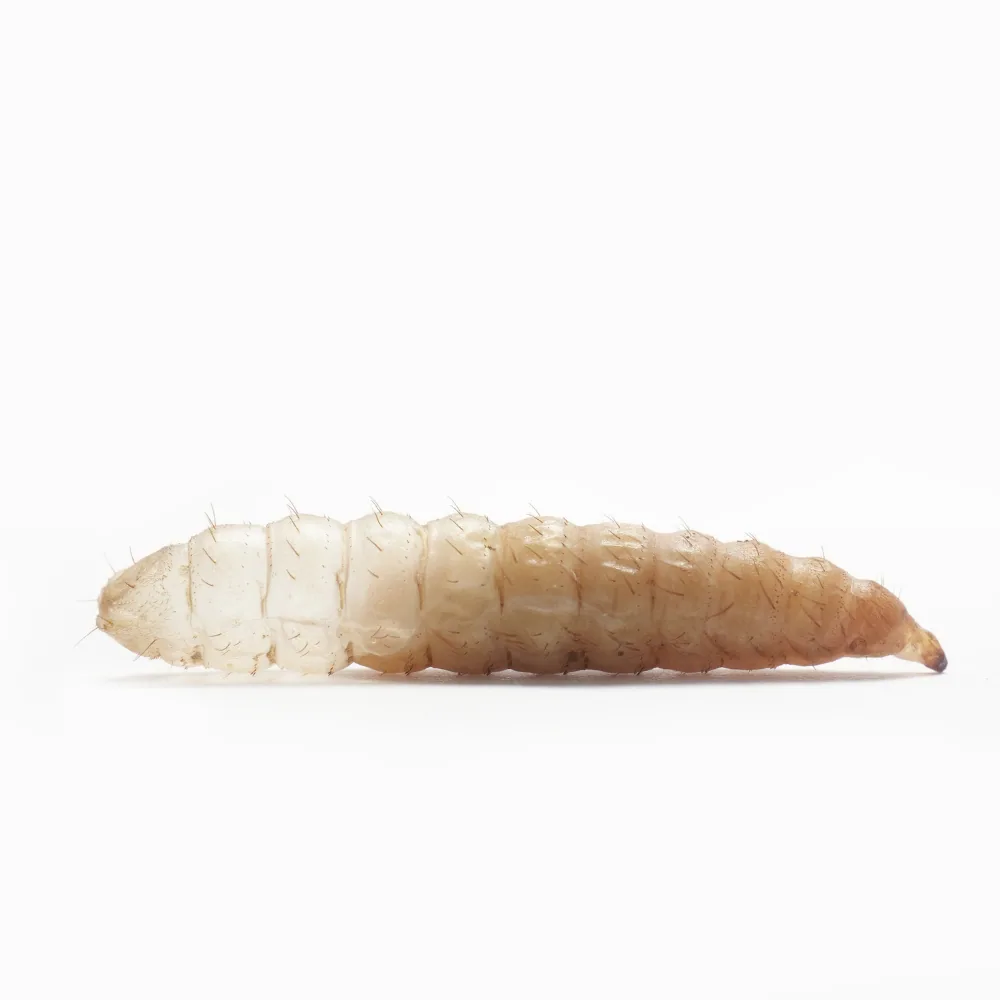
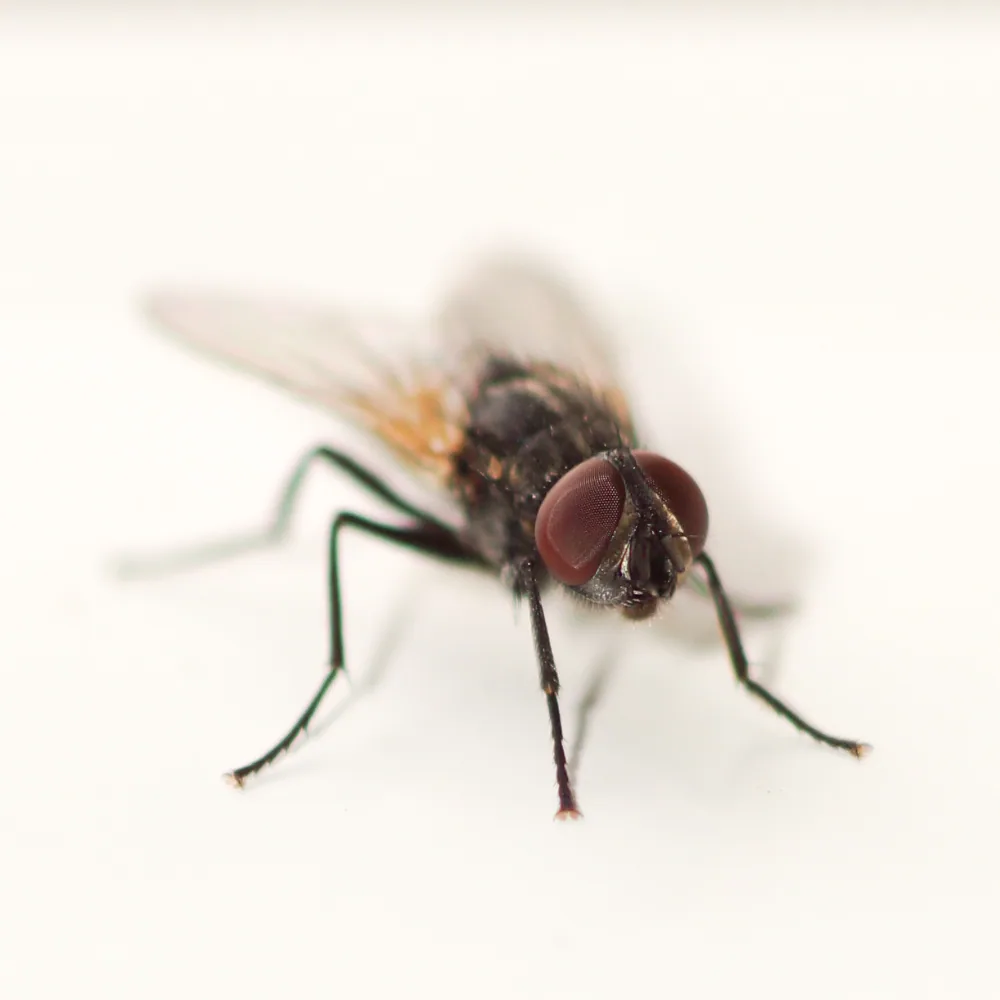
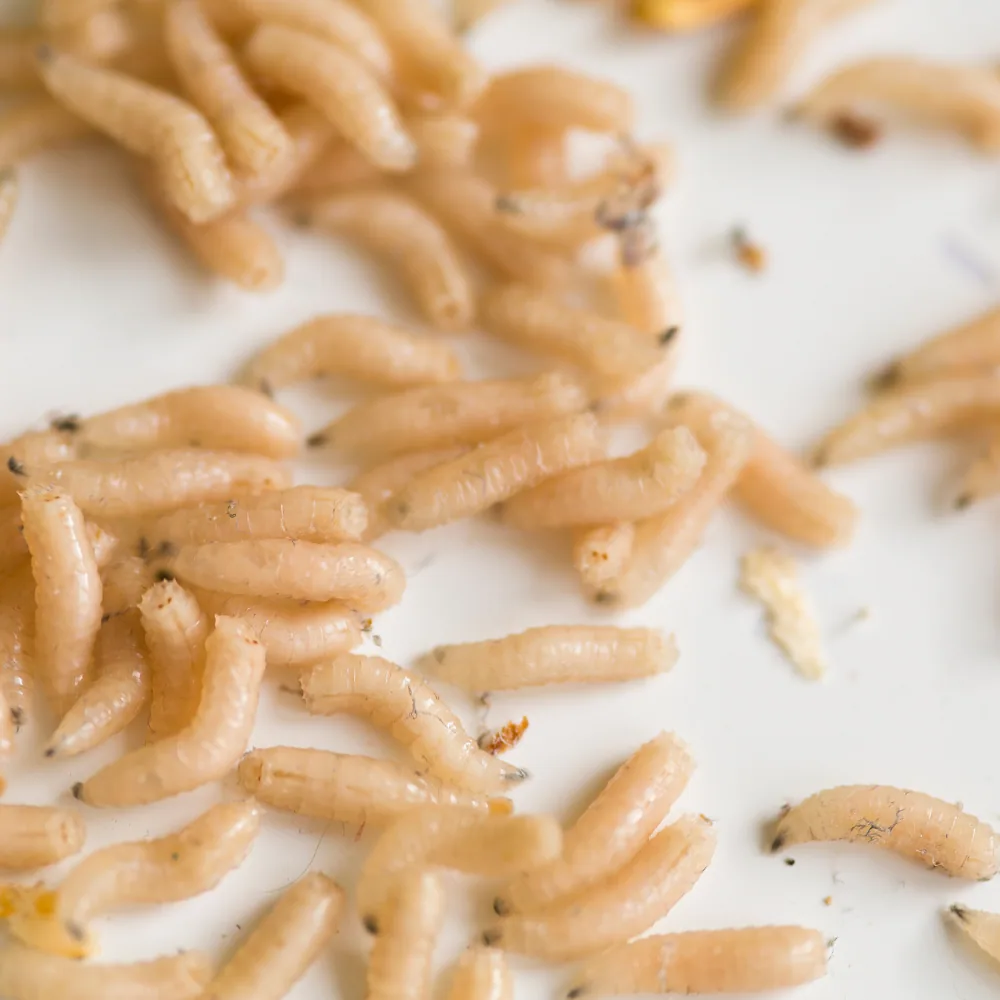
Maggots are the larvae of the house fly (Musca domestica) and the blow fly (Calliphora). They’re white, cylindrical, and measure between 5 and 15 mm. You’ll typically find them:
- In indoor or outdoor garbage bins, especially during hot weather
- In uncovered compost bins
- Around food scraps left out in the open
- Near animal carcasses or decomposing organic matter
Their presence means a fly found organic material to lay eggs on. In summer, eggs can hatch in under 24 hours when it’s warm enough, so the sooner you act, the better.
White Grubs in the Soil or Garden
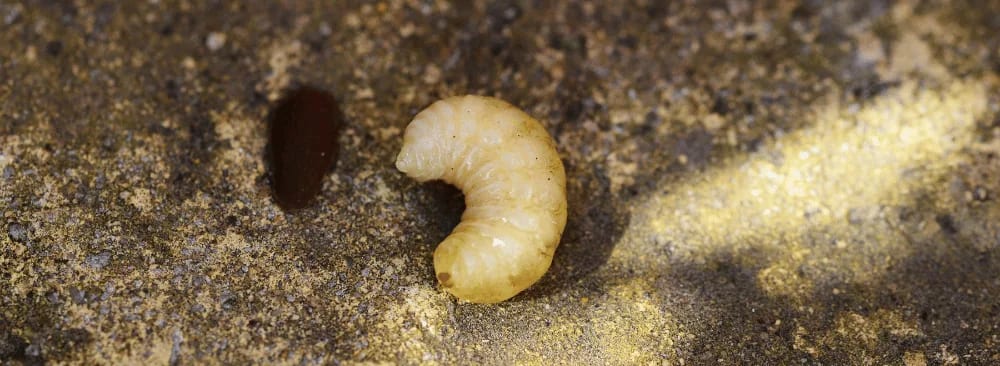
The C-shaped white grubs you dig up in the soil are usually crane fly larvae (Tipula) or seedcorn maggots (Delia platura), not house fly maggots. They’re recognizable by their curled body, creamy white colour, and larger size (up to 3 cm for some species). Look for them:
- Under yellowing lawn patches or thinning grass
- Around the roots of vegetables or ornamental plants
- In vegetable garden soil, especially in spring and fall
They can do real damage to plant root systems. One reliable sign: birds pecking aggressively at the lawn in a concentrated area often signals a grub infestation just below the surface.
Worms in the Pantry or Food Storage
If you’re finding tiny white worms in your cereals, flour, dried fruit, or stored foods, you’re likely dealing with fruit fly larvae (Drosophila) or pantry moth larvae, not house fly maggots. Watch for:
- Small worms inside open or poorly sealed packages
- Fruit flies hovering near dry goods
- Food that smells fermented or off
Toss the contaminated items immediately, wipe down shelves with white vinegar, and check everything nearby for signs of infestation before restocking.
How to Get Rid of Maggots Fast
Maggots in your garbage or home need to be dealt with right away. The longer you wait, the more they develop, giving adult flies more time to lay another round of eggs.
Quick Kills
- Boiling water: pour it directly over the maggots. It’s the fastest, most effective chemical-free option. Kills on contact.
- Salt: coat the maggots generously. Salt dehydrates them within minutes.
- White vinegar: mix equal parts with water and spray the affected area. Effective and non-toxic.
- Lime (calcium hydroxide): used in outdoor bins or compost, it kills maggots and neutralizes the odours that attract flies in the first place.
Once the maggots are dealt with, bag up all the organic waste in the area and get it out immediately.
Cleaning and Disinfecting the Area
Killing the visible maggots won’t solve anything if the source isn’t addressed. After the initial cleanup:
- Scrub the bin or container with hot soapy water, then rinse with a water-and-vinegar solution
- Let it dry completely before adding a new bag
- Check for food residue or liquid buildup at the bottom: that’s the prime egg-laying spot for flies
- If maggots turned up inside the house, search the surrounding area for the source: a forgotten piece of food, a dead animal in a wall cavity, or debris in a tight corner
Stopping Them from Coming Back: Bins and Waste Management
- Use bins with tight-fitting lids, both indoors and out
- Take out organic waste every two to three days in summer, especially during heat waves
- Rinse meat and fish packaging before tossing it
- Install window and door screens to block flies from getting in
- When composting, cover each green layer with brown material (cardboard, dry leaves) to keep odours down
How to Eliminate Fly Larvae in the Garden
Natural Methods
- Entomopathogenic nematodes: microscopic worms that actively hunt and kill larvae in the soil. They’re safe for plants, pets, and people. Mix into your watering can and apply in the evening. Available at specialty garden centres. The MAPAQ Pest Warning Network tracks fly larva activity periods in Quebec, which helps you time your application right.
- Diatomaceous earth: sprinkle around affected plants. It damages larvae on contact by breaking down their exoskeleton. Reapply after rain.
- Deep, infrequent watering: crane fly larvae thrive in consistently moist surface soil. Watering less often but more deeply makes conditions less hospitable for them.
- Natural predators: insect-eating birds are your allies here. Encouraging them to visit your yard provides ongoing, free pest control.
Commercial Solutions
- Biological larvicides based on Bacillus thuringiensis (Bt): effective against a wide range of fly larvae with minimal environmental impact. Follow the manufacturer’s instructions.
- Pyrethrin- or imidacloprid-based insecticides: stronger options, best saved for serious infestations. Always follow dosage guidelines and avoid applying before rain.
- Granular baits: scattered around affected plants, they draw larvae in and eliminate them before they reach the roots.
Protecting Plants After Treatment
Once treatment is done, a few habits help keep larvae from coming back:
- Turn the soil regularly with a fork to disrupt egg-laying cycles
- Avoid overwatering: consistently damp surface soil attracts egg-laying flies
- Cover vegetable garden beds with row cover fabric during fly activity peaks (spring and early fall in Quebec)
- Rotate crops from year to year to break the cycle of species tied to specific plants
How to Stop Flies from Laying Eggs in Your Home
The most effective strategy against fly larvae is preventing females from laying in the first place. Flies lay where they find accessible organic matter and humid conditions.
Indoors
- Install window and door screens on all openings during summer
- Never leave meat, fish, or leftovers uncovered, even for a few hours
- Regularly clean surfaces where food residue builds up: under the stove, inside the microwave, kitchen seams and joints
- Use sticky fly traps or plug-in fly repellers near high-risk areas
- Make sure sink and floor drains aren’t clogged. Drain flies (Psychoda) lay eggs in the organic buildup inside pipes
Outdoors
- Pick up fallen fruit promptly: it’s one of the biggest fly attractants in the yard. To tackle adult flies at the same time, check out our guide on how to get rid of flies
- Keep the compost bin covered and turn it regularly to speed up decomposition and cut down on odour
- Don’t leave piles of grass clippings or decomposing leaves against the house
- Clean pet and bird feeders on a regular basis
- Store bags of potting mix and compost in sealed containers
When to Call a Professional
In most cases, the methods above will take care of the problem. Professional treatment is worth considering when:
- The infestation keeps coming back despite repeated home treatments
- Larvae are appearing inside the house with no obvious source. This can point to a dead animal inside a wall, ceiling, or crawl space
- The garden infestation is widespread, affecting multiple areas at once
- You’re not sure which species you’re dealing with or which treatment to use
A certified pest management technician can pinpoint the species, track down the source, and apply a targeted treatment suited to your situation, along with structural recommendations to prevent a repeat.
Frequently Asked Questions
How do I know if I have fly larvae or something else?
Fly maggots are white, legless, and tapered at one end. They move by wriggling. If what you’re seeing has legs, a distinct head, or a pronounced C-shape, you’re likely looking at a different insect: beetle grubs or crane fly larvae, for example. When in doubt, take a photo and run it by a pest management technician for a quick ID.
How long does it take to get rid of a fly larva infestation?
For maggots in the garbage, boiling water or salt combined with a thorough cleanup usually sorts it out within a few hours. For garden larvae, nematode treatments take one to two weeks to show visible results. Either way, the real key is eliminating the source. Otherwise the next generation will just pick up where the last one left off.
Are fly larvae dangerous to human health?
Fly larvae don’t bite or sting. That said, their presence signals hygiene conditions that need correcting. The adult flies they become can spread bacteria by landing on food. In rare cases, accidentally ingesting larvae can cause intestinal myiasis, though this is uncommon. According to Health Canada, house flies can carry over 100 different pathogens, which is reason enough to address any infestation promptly.