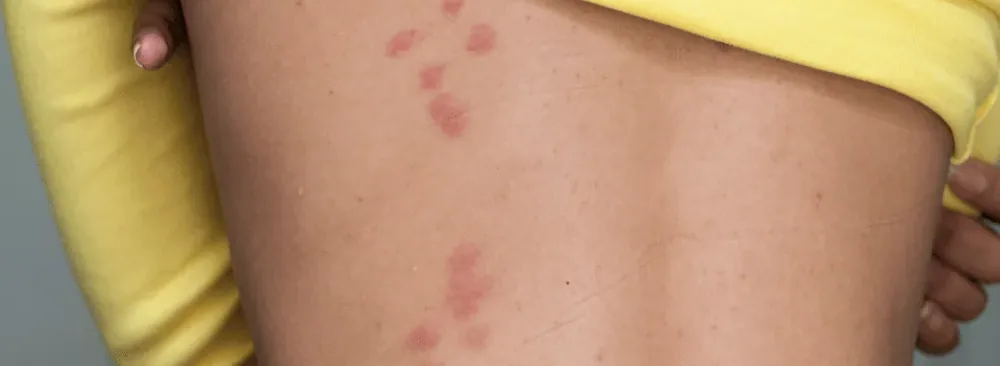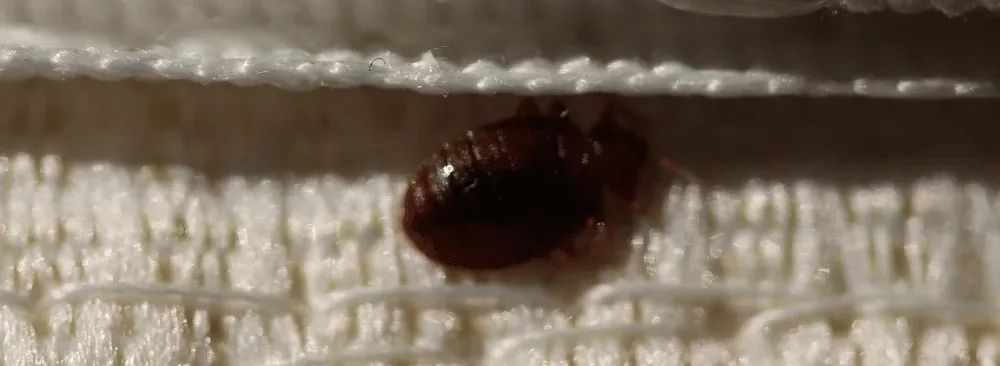
Seasonal Pest Dynamics in Quebec: Understanding Recurring Infestations in 2026
Seasonal pests are organisms—typically insects, mites, or pathogens—that exhibit predictable patterns of population growth and activity aligned with specific times of the year. In Quebec, as elsewhere, these cycles are closely tied to climatic conditions, host plant phenology, and the life histories of the pests themselves. The year 2026 continues to see the emergence and re-emergence of several key pest species, such as the spruce budworm, box tree moth, and emerald ash borer, each with distinct seasonal behaviors and ecological impacts.
Recurring infestations occur when environmental conditions, host availability, and pest life cycles converge to favor the survival and reproduction of these species year after year. Factors such as mild winters, increased movement of infested materials, and the absence of natural predators or effective management can amplify these cycles, leading to persistent or expanding outbreaks. In Quebec, the interplay between native and invasive species, climate variability, and human activities further complicates pest management efforts.
Understanding what constitutes a seasonal pest and the mechanisms behind recurring infestations is crucial for developing effective monitoring, prevention, and control strategies. This report examines the ecological, climatic, and anthropogenic drivers that underpin the persistence and resurgence of pest populations in Quebec, providing a foundation for evidence-based decision-making in plant health and ecosystem management for 2026 and beyond.
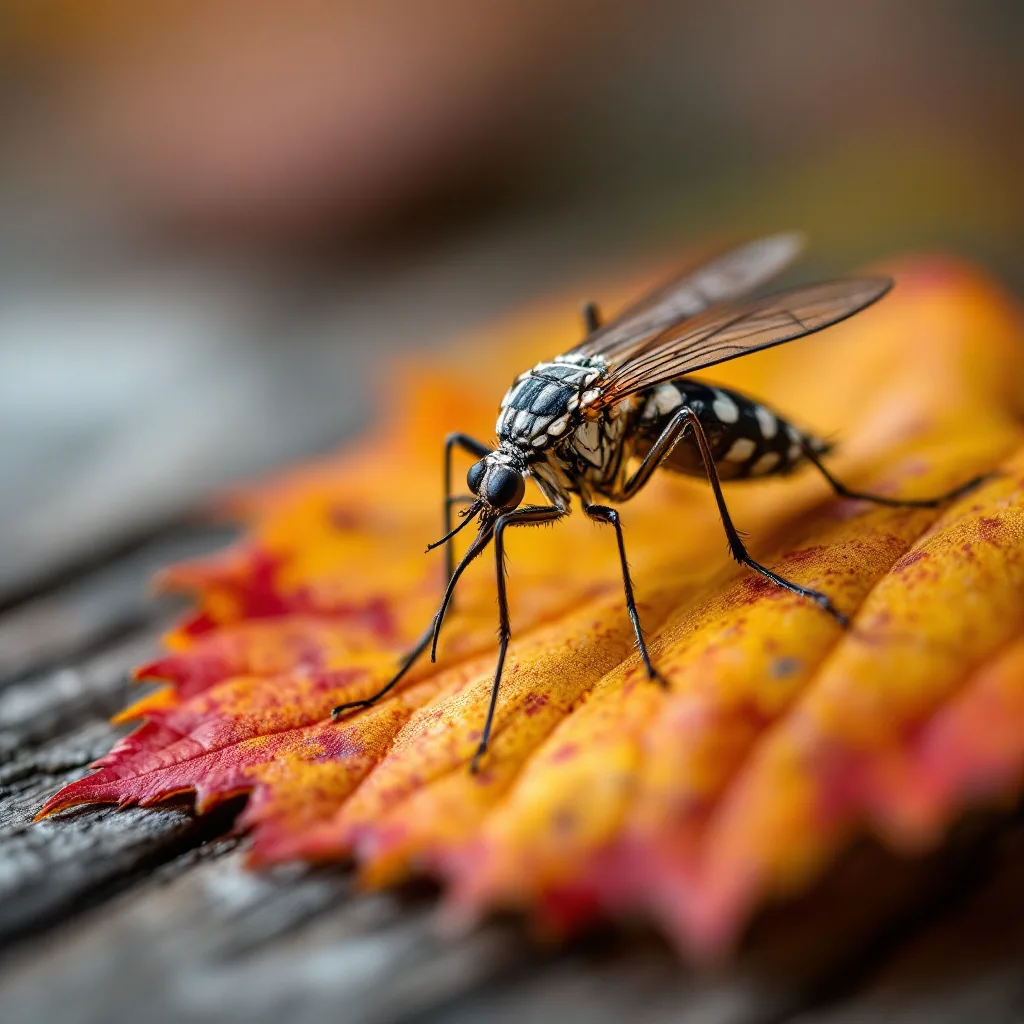
Definition and Examples of Seasonal Pests in Quebec (2026)
What is a seasonal pest in Quebec?
A seasonal pest in Quebec is any organism—such as an insect, rodent, or microbe—whose population surges or becomes problematic during specific times of the year due to environmental conditions, life cycles, or human activity. These pests often exploit seasonal changes like temperature, humidity, and food availability, leading to recurring infestations in homes, crops, or natural areas. For example, ants and wasps are common in summer, while rodents such as mice seek shelter indoors during the fall and winter months.
Seasonal pests in Quebec include insects (ants, wasps, mosquitoes), rodents (mice, rats), and plant pathogens that appear or peak at certain times annually.
The Réseau d’avertissements phytosanitaires (RAP) specifically monitors the presence and evolution of crop enemies, issuing weekly updates to inform stakeholders about seasonal pest risks. According to the Canadian Food Inspection Agency (CFIA), 26 sites in Quebec were surveyed in 2024 for forest pests, confirming detections in the Saguenay and Charlevoix regions, which illustrates the targeted, seasonal nature of pest surveillance.
Dr. Tom Strang, in a Government of Canada report, notes: “Integrating pest management principles into operations is a balance between over-concern on one hand, and being driven by a pest crisis on the other,” emphasizing the cyclical, predictable nature of many pest problems.
For more on specific seasonal pests like spiders, cockroaches, or mice, see our internal resource pages.
Which pests are most common in each season in Quebec (2026)?
In Quebec, spring and summer bring increased activity from ants, mosquitoes, wasps, and various agricultural pests, while autumn and winter see a rise in rodent activity indoors.
Spring: Ants emerge as temperatures rise, seeking food and nesting sites.
Summer: Wasps, mosquitoes, and agricultural pests like aphids and moths peak due to warmth and humidity. Fall: Rodents such as mice and rats move indoors as outdoor conditions cool.
Winter: Indoor pests like mice and cockroaches become more noticeable as they seek warmth and food.
The Canadian Conservation Institute describes a case where a rural museum faced ongoing lyctid wood borer infestations, which intensified seasonally and required both short-term and long-term management strategies. “Daily garbage removal was instituted. The access point was located, and an open path through the wall along a sink drainpipe was sealed,” demonstrating practical, seasonally adjusted control measures.
Why do some infestations keep coming back every year?
Recurring infestations in Quebec are driven by pest life cycles, environmental conditions, and human behaviors that provide ongoing access to food, shelter, or breeding sites. Many pests have adapted to survive harsh winters by overwintering in protected locations, emerging again when conditions improve. For example, mice and rats exploit small gaps in buildings to enter homes each autumn, while insect pests like ants and wasps rebuild colonies each spring.
Some infestations recur annually because pests exploit predictable shelter and food sources, and their life cycles are synchronized with seasonal changes.
The Canadian Conservation Institute reports that “improved exclusionary practices and continued trapping are required to cause the annual catch numbers to drop toward zero,” highlighting that incomplete control or environmental access points allow populations to rebound. The RAP network also notes that weekly surveillance and timely interventions are essential to break these cycles, but that environmental factors—like mild winters or abundant food—can sustain pest populations year after year.
Annual pest infestations persist in Quebec due to pest adaptation, environmental conditions, and recurring access to shelter and food.
For actionable strategies, see our advice on caulking against rodents and tips for eliminating mice in attics.

Factors Contributing to Recurring Infestations
How do climate and weather patterns in Quebec influence pest resurgence?
Climate variability and weather extremes in Quebec directly affect the timing, severity, and recurrence of pest infestations. Warmer winters and longer growing seasons allow more pests to survive and reproduce, while droughts and heat stress weaken natural plant defenses, making forests and crops more vulnerable to repeated attacks. For example, Natural Resources Canada reports that “warmer winter temperatures contribute to increases in bark beetle populations because fewer beetles are killed by cold weather” and that “droughts driven by climate change increase tree stress, making trees more vulnerable to insects and pathogens” .
Milder winters and longer growing seasons in Quebec enable more pests to survive, leading to repeated infestations.
In 2024, Quebec’s spruce budworm outbreak expanded, with affected areas rising to 2,965,714 hectares in Saguenay–Lac-Saint-Jean and 1,704,474 hectares in Outaouais, demonstrating how persistent favorable conditions drive recurring infestations. According to the Canadian Forest Service, “many areas of Canada’s forests are seeing more damage from insects and diseases than in the past” due to these climate-related shifts.
Forest pests such as the emerald ash borer and spongy moth are also expanding their range northward as temperatures rise, increasing the risk of annual outbreaks. These trends are expected to continue, with projections indicating that “growing seasons at the end of the 21st century will be 20 to 40 days longer than those currently experienced across much of Canada”.
What role do human activities and land management play in repeated pest problems?
Human actions—such as moving firewood, transporting plants, and altering landscapes—facilitate the spread and persistence of pests in Quebec. The Canadian Food Inspection Agency (CFIA) emphasizes that “the movement of commodities that have the potential to spread pests across Canada” is a key factor in recurring infestations. Inadequate sanitation, improper storage, and lack of exclusion measures in homes and businesses also create ongoing opportunities for pests to re-establish.
Human movement of infested materials and insufficient exclusion practices allow pests to return year after year in Quebec.
The CFIA’s public guidance states: “Assurez-vous donc de bien nettoyer tout votre matériel avant de le déplacer ou de l’entreposer… Cherchez des masses d’œufs ou des ravageurs envahissants sur les meubles de jardin et les décorations”. This advice reflects the agency’s experience that even small lapses in biosecurity—such as failing to inspect outdoor equipment—can perpetuate pest cycles.
Moving untreated firewood or plants often reintroduces pests, making infestations recur in new and previously managed sites.
Urban and peri-urban expansion also fragments habitats, sometimes reducing natural predator populations and increasing pest survival rates. The Réseau d’avertissements phytosanitaires (RAP) in Quebec relies on weekly surveillance and rapid alerts to mitigate these risks, but notes that “les activités humaines peuvent accroître leur propagation tout au long de l’année”.
How do pest biology and adaptation drive cycles of reinfestation?
Many pests in Quebec have evolved life cycles and survival strategies that ensure their populations rebound each season, even after control efforts. Overwintering behaviors, rapid reproduction, and resistance to certain control measures allow pests like the spruce budworm, emerald ash borer, and spongy moth to persist and recolonize treated areas. The CFIA highlights that “insects and diseases are a natural part of forest ecosystems… outbreaks of native insects like spruce budworm lead to regeneration that helps maintain a healthy, diverse forest”.
Pest species adapt to survive control measures and environmental stress, enabling them to reappear annually in Quebec ecosystems.
In 2024, the spruce budworm continued to expand despite aerial biological insecticide treatments, with the government reporting “les superficies touchées ont augmenté” in every major region. According to the CFIA, “surveillance is an obligation… with the aim to determine the presence, absence or distribution of regulated plant pests, thereby providing data to inform regulatory decisions”. This ongoing monitoring is necessary because pests can quickly recolonize after treatments if even a small population survives.
Pest adaptation and rapid reproduction allow infestations to return even after targeted interventions in Quebec. Some urban pests, such as bed bugs and mice, have developed behavioral resistance—avoiding baits or hiding in inaccessible areas.
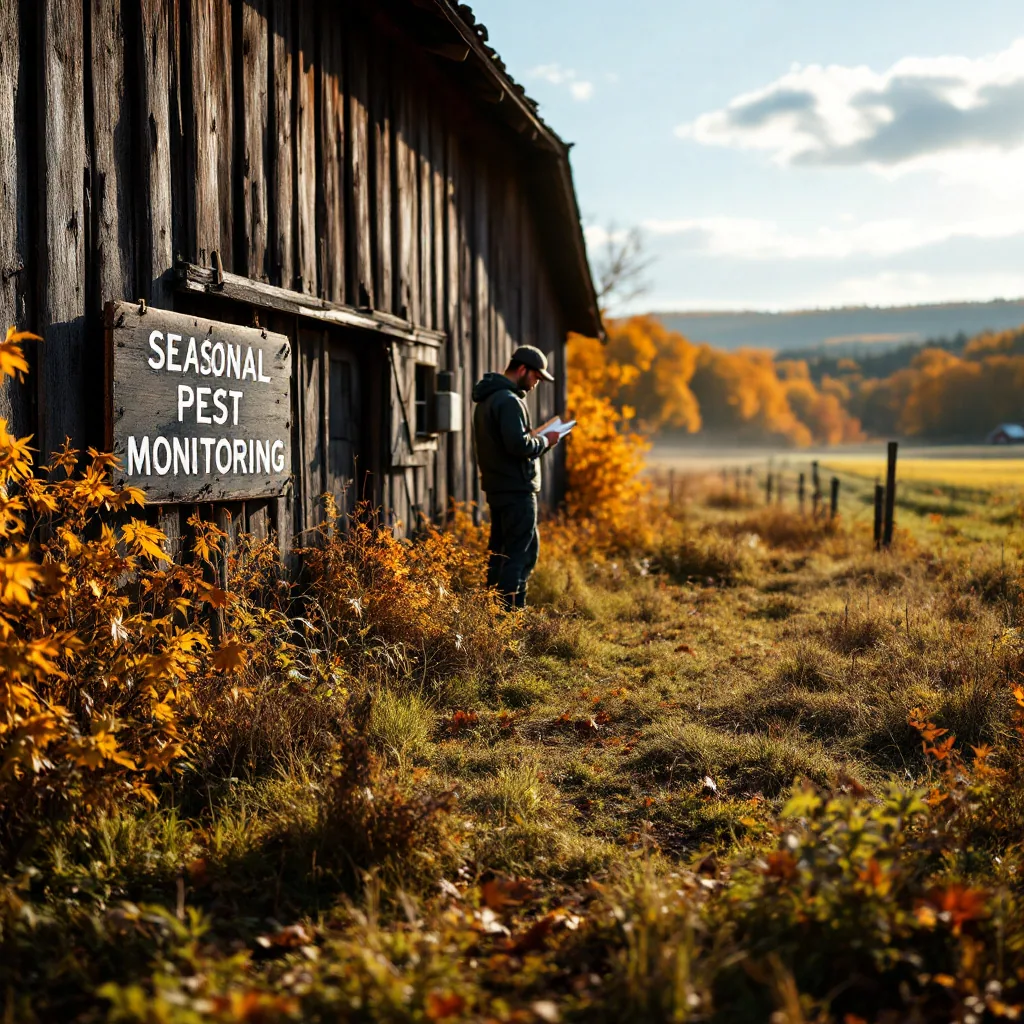
Strategies for Monitoring and Managing Seasonal Pests
How are seasonal pests monitored in Quebec in 2026?
Seasonal pest monitoring in Quebec relies on coordinated surveillance programs, aerial surveys, and targeted sampling to detect emerging infestations and track pest spread. The Canadian Food Inspection Agency (CFIA) and provincial agencies conduct annual surveys using visual inspection, trapping, and laboratory analysis, focusing on regulated pests and high-risk regions. In 2024, for example, Quebec authorities surveyed 26 sites for forest pests, confirming detections in the MRCs of Saguenay and Charlevoix, which directly informed regional management actions. Quebec monitors seasonal pests through annual surveys, aerial mapping, and targeted sampling, enabling early detection and rapid response to outbreaks.
Aerial surveys are pivotal for forest pests. In 2024, the Ministère des Ressources naturelles et des Forêts mapped over 14.3 million hectares of spruce budworm damage—the largest area since the current outbreak began. This data guides decisions on where to deploy aerial biological treatments. As Minister Maïté Blanchette Vézina stated, “La bonification du budget alloué aux arrosages aériens annoncée en mars dernier permettra d’augmenter et d’optimiser régionalement nos interventions,” emphasizing the link between monitoring and management funding.
Community reporting and public awareness campaigns supplement official surveillance. The CFIA encourages residents to report sightings of regulated pests, such as the emerald ash borer or spotted lanternfly, using online tools and educational materials. This participatory approach helps authorities detect new incursions quickly, especially in urban and peri-urban settings.
In 2024, Quebec surveyed 26 sites for forest pests, with detections guiding targeted interventions in Saguenay and Charlevoix.
What management strategies are used to control recurring infestations?
Recurring pest infestations in Quebec are managed through integrated approaches combining biological control, regulatory restrictions, and targeted chemical interventions. For forest pests such as the spruce budworm, the government invests heavily in aerial spraying of biological insecticides to protect vulnerable stands. In 2026, Quebec allocated $60.2 million for these efforts, aiming to “maintenir en vie les arbres touchés en préservant au moins la moitié du feuillage annuel des essences vulnérables”. Quebec controls recurring pest outbreaks with aerial biological treatments, movement restrictions, and strict monitoring, adapting interventions to pest biology and regional risk.
Movement restrictions and regulatory measures are key for pests that spread via human activity. The CFIA enforces domestic plant protection measures, including prohibiting the movement of firewood and regulated plant materials from infested to pest-free areas. For example, moving untreated firewood is a known vector for emerald ash borer spread, prompting public campaigns to “buy and burn your firewood that was cut less than 80 kilometres away”.
Expert quote: “Les arrosages aériens réalisés par la Société de protection des forêts contre les insectes et maladies (SOPFIM) couvriront donc cette année les 12 régions suivantes…” demonstrates the scale and targeting of interventions.
Urban and indoor pest management emphasizes exclusion, sanitation, and targeted treatments. Regular sealing of entry points, prompt removal of attractants, and professional extermination services are recommended for persistent pests like rodents and cockroaches.
Conclusion
This research highlights that seasonal pests in Quebec are organisms—primarily insects and rodents—whose populations predictably surge at certain times of the year due to environmental conditions, biological cycles, and human activities. Common examples include ants and mosquitoes in spring and summer, and mice and rats seeking shelter indoors during fall and winter. These pests exploit seasonal changes in temperature, humidity, and food availability, leading to recurring infestations in homes, crops, and natural areas. The persistence of these infestations is driven by pest adaptation, climate variability—such as milder winters and longer growing seasons—and human behaviors like moving untreated firewood or insufficient exclusion practices.
The most important findings underscore that recurring infestations are not merely the result of inadequate control measures, but are reinforced by the pests’ biological resilience and the ongoing influence of climate change and human activity. Integrated pest management—combining surveillance, biological controls, regulatory restrictions, and community engagement—is essential for effective, sustainable control. Notably, Quebec’s significant investment in aerial biological treatments and public awareness campaigns demonstrates the necessity of coordinated action at both governmental and community levels. Moving forward, continued monitoring, public participation, and adaptation of management strategies to evolving pest behaviors and environmental conditions will be critical to breaking the cycle of seasonal pest resurgence in Quebec.
FAQ: Seasonal Pests and Recurring Infestations in Quebec
1. What is a seasonal pest in Quebec?
A seasonal pest is any organism—such as an insect, rodent, or plant pathogen—whose population peaks or becomes problematic during specific times of the year, often in response to climate, food availability, and life cycle stages. Examples include ants and mosquitoes in summer, and mice and rats in fall and winter.
2. Why do some pest infestations keep coming back every year?
Recurring infestations are driven by the pests’ ability to survive harsh conditions (e.g., overwintering), rapid reproduction, and the continued availability of food and shelter. Environmental factors like mild winters and human behaviors—such as moving infested materials or inadequate building maintenance—also contribute to annual resurgence.
3. How does climate change affect seasonal pest cycles in Quebec?
Climate change leads to milder winters and longer growing seasons, allowing more pests to survive and reproduce. This results in increased frequency and severity of outbreaks, as seen with forest pests like the spruce budworm and emerald ash borer expanding their range and impact.
4. What are the most effective strategies for managing seasonal pests?
Integrated pest management (IPM) is the most effective approach, combining regular monitoring, biological controls (such as targeted insecticide spraying), regulatory measures (like movement restrictions), exclusion practices, and public education. These strategies must be adapted to pest biology and local risk factors.
5. How can individuals and communities help prevent recurring infestations?
Residents can help by inspecting and cleaning outdoor equipment before moving it, avoiding the movement of untreated firewood or plants, sealing entry points in buildings, maintaining good sanitation, and promptly reporting pest sightings to authorities. Community participation in surveillance and public awareness campaigns is vital for early detection and rapid response.
6. Are chemical pesticides recommended for seasonal pest control?
Chemical pesticides should be considered a last resort due to potential health and environmental risks. Non-chemical methods—such as exclusion, habitat modification, and biological controls—are preferred. When pesticides are necessary, they should be used according to regulations and integrated with other management practices for long-term effectiveness.