Tick Season 2026: Protecting Families and Pets in Quebec
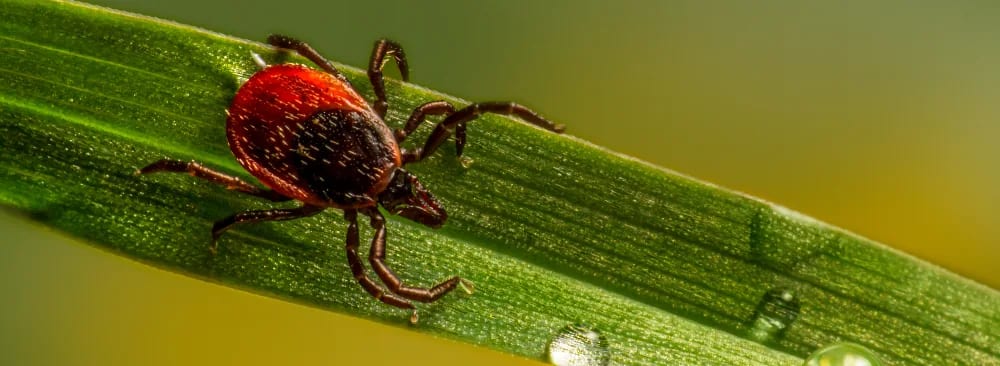
As the warmer months return to Quebec in 2026, tick activity is expected to rise, bringing renewed concerns about tick-borne diseases such as Lyme disease. Ticks are small, blood-feeding parasites that thrive in grassy, bushy, and wooded environments—habitats common throughout southern and eastern Quebec. With the expansion of tick populations in recent years, particularly the blacklegged tick (Ixodes scapularis), the risk of tick encounters has increased for both people and pets.
Tick season in Quebec typically begins in the spring and extends through late fall, with ticks becoming active whenever temperatures remain above freezing and the ground is not covered by snow. The risk is especially pronounced in known tick risk areas, which include much of southern Quebec, but isolated cases can occur outside these regions due to the movement of migratory birds and animals.
Families and pet owners need to be vigilant, as ticks can transmit serious illnesses to humans and animals. Children, outdoor enthusiasts, and pets that frequent parks, trails, and natural spaces are particularly at risk. Awareness and proactive prevention are essential to reduce exposure and protect health.
This report provides a comprehensive overview of tick season in Quebec for 2026, outlining the latest regional risks, effective prevention measures, and best practices for keeping your family and pets safe. By understanding the local tick landscape and adopting evidence-based strategies, Quebec residents can enjoy the outdoors with greater confidence and peace of mind.
Understanding Tick Risks and Tick-Borne Diseases in Quebec
Where and When Ticks Are a Threat in Quebec
If you live in Quebec or plan to spend time outdoors in 2026, knowing when and where ticks are most active is key to protecting your family and pets. Ticks, especially the blacklegged tick (also called the deer tick), are the main concern in this province. These tiny arachnids are the only species in Quebec proven to transmit the bacteria that causes Lyme disease, along with a few other nasty pathogens. But they’re not everywhere, all the time—there are patterns to their presence.
Ticks thrive in forests, wooded areas, gardens, tall grass, and piles of dead leaves. They don’t fly or jump. Instead, they wait on vegetation and grab onto you or your pet as you brush by. In Quebec, tick activity kicks in as soon as the temperature hits 4°C and there’s no snow left on the ground. That means tick season can start surprisingly early, sometimes even in late March or April, and stretch well into November if the weather stays mild.
Let’s look at the yearly rhythm. According to the Public Health Agency of Canada, most blacklegged ticks are collected from April to June, and again from October to November. These are the peak periods when you’re most likely to encounter ticks in Quebec’s risk zones. But don’t let your guard down in the summer—ticks don’t disappear, they’re just a bit less active during the hottest months.
The places with the highest risk are in southern Quebec, especially the Saint Lawrence valley and around the Montreal area. The Sainte-Anne-de-Bellevue Canal National Historic Site is specifically flagged as an area with significant Lyme disease risk. This isn’t just a theoretical warning—tick populations have been expanding northward and into new regions, partly due to climate change. Warmer winters and longer warm seasons allow ticks to survive and reproduce in places that used to be too cold for them.
Here’s a quick look at the main habitats and activity periods for blacklegged ticks in Quebec:
| Habitat Type | Typical Tick Activity Period | Risk Level |
|---|---|---|
| Forests, woodlands | April–June, Oct–Nov | High |
| Tall grass, brush, gardens | April–June, Oct–Nov | Moderate–High |
| Urban parks with leaf litter | April–June, Oct–Nov | Moderate |
| Open lawns, short grass | May–June, Oct–Nov | Low |
Ticks don’t respect property lines, so even suburban yards near wooded areas can become tick habitats if there’s enough vegetation, shade, and leaf litter. If you have pets that roam outdoors, or kids who play in the grass, you’ll want to be extra vigilant during these peak periods.
Tick-Borne Diseases: What’s Circulating in Quebec
When people think of ticks in Quebec, Lyme disease is usually the first thing that comes to mind. That makes sense—blacklegged ticks here are the main carriers of the bacterium Borrelia burgdorferi, which causes Lyme. But that’s not the only disease they can transmit. There are a few others to be aware of, though they’re less common.
Let’s break down the main tick-borne diseases found in Quebec, using the latest Canadian government surveillance data:
| Disease Name | Main Tick Vector | Symptoms Can Include | Quebec Presence |
|---|---|---|---|
| Lyme disease | Blacklegged tick | Rash, fever, fatigue, joint pain | Established |
| Anaplasmosis | Blacklegged tick | Fever, headache, muscle aches | Detected |
| Babesiosis | Blacklegged tick | Flu-like, anemia, chills | Rare |
| Powassan virus disease | Blacklegged, Squirrel, Groundhog ticks | Fever, confusion, seizures | Rare |
| Borrelia miyamotoi | Blacklegged tick | Fever, chills, headache | Very rare |
Lyme disease is by far the most common. The number of reported cases in Canada has climbed sharply over the past decade. Quebec is considered a high-risk province, especially in the southern regions. The risk is not evenly spread—some areas, like the Sainte-Anne-de-Bellevue Canal, have much higher rates of tick encounters and Lyme cases.
Other diseases, like anaplasmosis and babesiosis, are much rarer but have been detected. Powassan virus, which can cause severe neurological symptoms, is also possible but extremely uncommon. The main takeaway: if you get bitten by a tick in Quebec, Lyme disease is the primary concern, but it’s not the only one.
Here’s what the surveillance numbers tell us about infection rates in ticks:
| Pathogen Carried by Blacklegged Ticks | Estimated Infection Rate (Active Surveillance, Canada) |
|---|---|
| Borrelia burgdorferi (Lyme) | About 1 in 4 ticks |
| Anaplasma phagocytophilum | About 1 in 35 ticks |
| Babesia microti | About 1 in 397 ticks |
| Powassan virus | About 1 in 990 ticks |
These rates can vary by region and year, but they give a sense of how common each infection is in the tick population. Not every tick is infected, but the risk is real enough that public health officials recommend taking precautions in known risk areas.
It’s also worth noting that tick surveillance in Quebec uses both passive and active methods. Passive surveillance relies on ticks submitted by the public, veterinarians, or healthcare providers, sometimes with photos for identification. Active surveillance involves researchers collecting ticks directly from the environment using techniques like drag sampling. Both methods confirm that blacklegged ticks and their pathogens are well established in southern Quebec.
Recognizing and Responding to Tick Bites
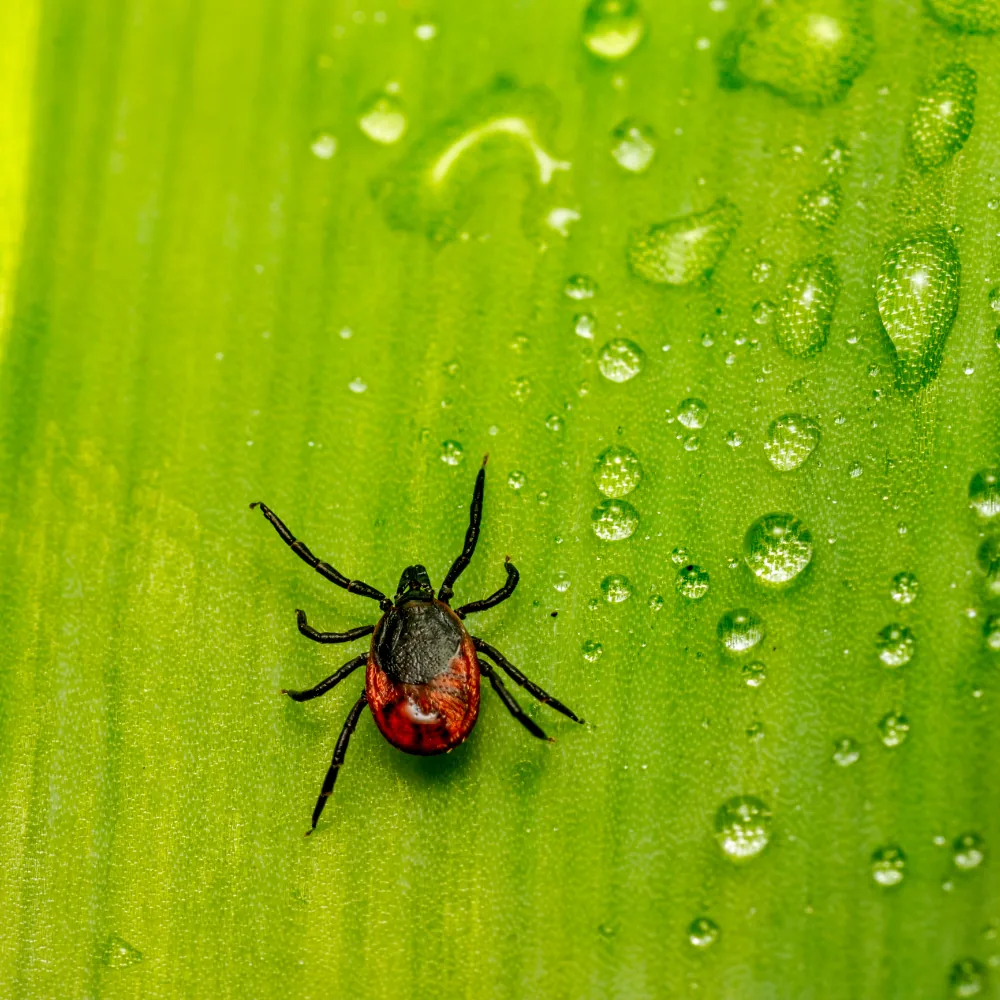
You might not even notice a tick bite when it happens. The bite is usually painless, and ticks are tiny—nymphs are about the size of a sesame seed, while adults are closer to an apple seed. After feeding, they can swell to several times their original size, but by then, they may have already transmitted pathogens.
The good news is that removing a tick within 24 hours of attachment greatly reduces the risk of getting Lyme disease. That’s because the bacteria usually need time to move from the tick’s gut into your bloodstream. Daily tick checks are your best defense, especially after spending time in tick-prone areas.
If you find a tick attached to your skin, here’s what the Public Health Agency of Canada recommends:
Use clean, fine-point tweezers to grasp the tick as close to the skin as possible. Pull upward slowly and steadily—don’t twist or crush the tick. If the tick’s mouthparts break off and remain in your skin, try to remove them with the tweezers. If you can’t, leave them alone and let your skin heal. After removal, wash the bite area and your hands with soap and water. Save the tick in a sealed container if you want to have it identified, and note the date and location of the bite.
Watch for symptoms for at least 30 days. Early Lyme disease often shows up as a circular rash (sometimes called a “bull’s-eye”) at the bite site, but not everyone gets this rash. Other early symptoms include fever, headache, fatigue, and muscle or joint pain. If you develop any of these, especially after a tick bite, see a healthcare provider and mention your tick exposure.
Here’s a table summarizing what to do if bitten:
| Step | What to Do |
|---|---|
| Remove the tick | Use fine-point tweezers, pull straight out, don’t twist |
| Clean the area | Wash with soap and water |
| Save the tick (optional) | Place in sealed container for ID |
| Watch for symptoms | Rash, fever, aches—monitor for 30 days |
| Seek medical advice | If symptoms develop, see a healthcare provider and mention the tick bite |
Pets are also at risk. Dogs, in particular, can pick up ticks and bring them into the home. If your pet spends time outdoors, check them daily for ticks, especially around the ears, neck, and between the toes. Talk to your veterinarian about tick prevention products suitable for your animal.
If you’re looking for more information on how to eliminate ticks from your property, there are practical steps you can take. Keeping grass short, removing leaf litter, and creating barriers between lawns and wooded areas can all help reduce tick habitats around your home.
In summary, tick risks in Quebec are highest in wooded and grassy areas from early spring through late fall, with Lyme disease being the main health concern. Other tick-borne diseases are possible but much less common. Prompt tick removal and daily checks are crucial, and both people and pets need regular attention after outdoor activities. The expansion of tick habitats due to climate change means that vigilance will remain important for the foreseeable future.
Preventing Tick Bites and Protecting Your Family and Pets in Quebec: 2026
Dressing Right and Using Repellents: Your First Line of Defense
The way you dress and the products you use can make a world of difference during tick season in Quebec. Ticks are sneaky—they don’t fly or jump, but they’re experts at latching on as you brush past tall grass, shrubs, or leaf litter. The right clothing and repellents can help keep them off your skin in the first place.
If you’re heading out for a hike, a picnic, or even just some gardening, start with closed-toe shoes. Sandals and flip-flops leave your feet exposed, and ticks love to crawl up from the ground. Long pants and long-sleeved shirts are your friends. Tuck your shirt into your pants, and your pants into your socks. It might not be the height of fashion, but it creates a physical barrier that’s tough for ticks to cross.
Light-coloured clothing is a smart choice, too. It’s not just about staying cool in the sun—ticks are much easier to spot against pale fabric. If you see one crawling, you can flick it off before it finds a place to bite.
Now, let’s talk about repellents. In Quebec, Health Canada recommends using insect repellents containing either DEET or Icaridin. Both are effective, but you need to follow the label directions closely. Apply the repellent to all exposed skin and even on your clothing. Don’t forget the backs of your knees, your ankles, and around your waistband—ticks love these hidden spots. For children, always use products approved for their age group and never apply repellent to their hands, eyes, or mouth.
Permethrin-treated clothing is another tool in your arsenal. This isn’t a spray you put on your skin, but a treatment for clothing and gear. Permethrin binds to the fabric and kills ticks on contact. In Canada, you can now buy pre-treated clothing or treat your own, but always stick to the manufacturer’s instructions. Never use permethrin directly on your skin.
Here’s a quick comparison of the main tick repellents available in Quebec:
| Repellent Type | Active Ingredient | Typical Duration | Approved for Children | Notes |
|---|---|---|---|---|
| Skin/Clothing Spray | DEET | 4–8 hours | Yes (age limits) | Use as directed, avoid over-application |
| Skin/Clothing Spray | Icaridin | 5–8 hours | Yes (age limits) | Less odour, gentle on skin |
| Clothing Treatment | Permethrin | Weeks (on fabric) | No (not for skin) | Treat clothing/gear only |
When you’re out and about, stick to cleared trails and paths. Ticks are more likely to be waiting in tall grass or brush. Animal trails—those little paths through the woods made by deer or other wildlife—are hotspots for ticks, so it’s best to avoid them. Keep your kids and pets from wandering off the main path, too.
If you’re planning a family outing, pack extra socks and a change of clothes. After your adventure, change out of your outdoor clothes and toss them in the dryer on high heat for at least 10 minutes. This simple step can kill any ticks that might be hiding in the fabric.
Making Your Yard a Tick-Unfriendly Zone
Ticks don’t just lurk in forests—they can show up right in your backyard. In Quebec, the climate and landscape mean that ticks can thrive in overgrown lawns, leaf piles, and shady corners. But with a little effort, you can make your property less inviting to these pests.
Start with the basics: mow your lawn regularly and keep the grass short. Ticks love long grass because it stays cool and moist. Rake up leaves and remove piles of brush or weeds, especially around the edges of your yard and near stone walls or woodpiles. These spots are prime tick habitat.
Sunlight is your ally. Prune back shrubs and low-hanging tree branches to let more light reach the ground. Ticks dry out quickly in sunny, open areas, so the more sunlight you can get into your yard, the better.
Creating a barrier between your lawn and wooded or brushy areas can also help. A border of wood chips, mulch, or gravel at least one metre wide is recommended by the Public Health Agency of Canada. This makes it harder for ticks to move from the woods into your play areas.
If you have patios, decks, or playground sets, place them in the sunniest parts of your yard and away from the edges where ticks are most likely to be found. For playgrounds, a mulch or wood chip surface is better than grass.
Here’s a breakdown of effective yard strategies:
| Yard Maintenance Task | Tick Reduction Benefit | Notes |
|---|---|---|
| Mow lawn often | Reduces tick habitat | Keep grass short all season |
| Remove leaf/brush piles | Eliminates hiding spots | Focus on yard edges and woodpiles |
| Prune shrubs/trees | Increases sunlight, dries out habitat | Target dense, shady areas |
| Create mulch/gravel border | Physical barrier to ticks | At least 1 metre wide between lawn and woods |
| Place play equipment in sun | Less attractive to ticks | Avoid shady, overgrown corners |
| Seal stone walls/openings | Keeps rodents (tick carriers) out | Prevents entry of mice and other small animals |
Ticks often hitch a ride into your yard on wildlife—especially deer, mice, and other small mammals. Sealing up stone walls and other openings can help keep these animals out. If you have fruit trees or bird feeders, consider moving them away from your main play and relaxation areas, since they can attract animals that carry ticks.
Family and Pet Habits That Lower Tick Exposure
Changing a few daily habits can make a big difference in keeping your family and pets safe during tick season in Quebec. Ticks are most active from spring through fall, but some species can be found any time temperatures are above freezing.
After spending time outdoors, make it a routine to check everyone for ticks. Ticks are tiny—some are no bigger than a poppy seed—so look closely. Pay extra attention to hidden spots: behind the knees, around the waist, underarms, behind the ears, and at the hairline. For kids, check their scalp and neck, especially if they’ve been rolling in the grass or playing in leaf piles.
Pets need daily tick checks, too. Run your fingers through their fur, feeling for small bumps. Focus on the ears, neck, and between the toes—these are favourite spots for ticks to attach. If you find a tick, remove it right away using fine-point tweezers. Grasp the tick as close to the skin as possible and pull straight out with steady pressure. Don’t twist or squeeze, as this can increase the risk of disease transmission. If the tick’s mouthparts break off and stay in the skin, try to remove them, but if you can’t, just let the skin heal naturally.
Showering or bathing as soon as possible after being outdoors can help wash off ticks before they attach. It’s also a good time to do a thorough tick check. Toss your outdoor clothes in the dryer on high heat for at least 10 minutes—this kills any ticks that might be hiding in the fabric.
If you’re planning a family picnic or outdoor event, bring a portable tick kit. Include tweezers, antiseptic wipes, and a small container for saving any ticks you remove. If you do remove a tick, you can take a photo and submit it to platforms like eTick for identification. This helps track which tick species are active in Quebec and can be useful information for your healthcare provider if anyone develops symptoms.
Here’s a look at daily habits that help reduce tick exposure:
| Habit/Action | Who Benefits | Why It Matters |
|---|---|---|
| Full-body tick checks | Family & pets | Early detection, reduces risk of disease |
| Showering after outdoor activity | Family | Washes off unattached ticks |
| Daily pet tick inspection | Pets & household | Prevents ticks from entering the home |
| Using tick prevention on pets | Pets | Lowers risk of tick-borne diseases |
| Drying clothes on high heat | Family | Kills ticks hiding in fabric |
| Submitting tick photos for ID | Family & pets | Helps with monitoring and healthcare decisions |
If you’re adopting a pet or bringing one into Quebec from abroad, make sure it’s up to date on all vaccinations and has been checked for ticks and other parasites. This is especially important for dogs, as they are more likely to pick up ticks during travel.

Tick Checks, Removal, and Next Steps After a Bite in Quebec: 2026
Mastering the Tick Check: Daily Habits That Matter
In Quebec, as tick season ramps up, the idea of a “tick check” isn’t just a suggestion—it’s a daily ritual that can make all the difference for your family and pets. They’re tiny, often no bigger than a poppy seed in their nymph stage, and their bites are painless. That means you probably won’t feel a thing when one latches on. But the clock starts ticking the moment a tick attaches, especially when it comes to Lyme disease, which is transmitted by blacklegged ticks. According to the Government of Canada, removing a tick within 24 hours dramatically lowers your risk of getting Lyme disease.
So, what does a thorough tick check look like? First, timing matters. The best time to check is right after you come in from the outdoors—especially if you’ve been in grassy, shrubby, or wooded areas. Don’t wait until bedtime. Ticks can crawl for hours before settling in, so catching them early is key.
Start at the top and work your way down. Use your fingers to feel for bumps and a mirror to check hard-to-see places. Ticks love to hide in warm, protected spots. In children, favorite locations include the hairline, behind the ears, under the arms, inside the belly button, around the waist, between the legs, and behind the knees. For adults, add the groin, back of the knees, and even between the toes. Pets are a whole other story—ticks gravitate to the ears, neck, under the collar, between the toes, and around the tail.
Here’s a look at the most common tick “hot spots” for humans and pets :
| Body Area (Humans) | Body Area (Pets) |
|---|---|
| Hairline and scalp | Ears |
| Behind the ears | Neck and under collar |
| Underarms | Between toes |
| Around waist | Under front legs |
| Behind knees | Groin area |
| Groin | Tail base |
| Between toes | Around eyes/muzzle |
If you find a tick, don’t panic. Most ticks don’t carry disease, and even those that do need time to transmit pathogens. But the sooner you remove it, the better. If you’ve got kids, make tick checks a game—who can find the most “hidden spots”? For pets, use a fine-toothed comb or your hands, and reward them with a treat afterward.
Some people in Quebec have started using lint rollers on clothing and gear after hikes. It’s not a replacement for a full-body check, but it can pick up crawling ticks before they attach. And don’t forget your outdoor gear—backpacks, hats, and even picnic blankets can bring ticks indoors.
A daily tick check is your best defense, but it’s not foolproof. Ticks can be missed, especially in thick hair or on dark fur. That’s why showering or bathing within two hours of coming inside is recommended. It helps wash off ticks before they bite and gives you another chance to spot them.
The Right Way to Remove a Tick: Step-by-Step for Families and Pets
If you spot a tick attached to skin—yours, your child’s, or your pet’s—the next steps are crucial. Forget the old wives’ tales about burning, painting with nail polish, or smothering the tick with petroleum jelly. These methods don’t work and can actually make things worse by causing the tick to regurgitate, increasing the risk of infection.
The gold standard is simple: use clean, fine-point tweezers. Grasp the tick as close to the skin as possible, right at the head or mouthparts. Pull upward with steady, even pressure. Don’t twist, jerk, or squeeze the tick’s body. If the mouthparts break off and stay in the skin, try to remove them with the tweezers. If you can’t, leave them alone—your body will expel them naturally over time.
Once the tick is out, wash the bite area and your hands with soap and water, or use an alcohol-based sanitizer if you’re not near a sink. It’s a good idea to save the tick in a sealed plastic bag or small container, especially if you plan to consult a healthcare provider. Label it with the date and location of the bite. This can help with identification if symptoms develop later, and it contributes to tick surveillance efforts in Quebec.
For pets, the process is the same. Use tweezers or a tick removal tool (available at most pet stores or vet clinics). If you’re unsure or the tick is in a tricky spot—like inside the ear canal—call your veterinarian for advice.
Here’s a breakdown of the tick removal process and animal health resources:
| Step | Action |
|---|---|
| 1. Prepare | Wash your hands. Get fine-point tweezers and a small container for the tick. |
| 2. Grasp | Use tweezers to grasp the tick as close to the skin as possible, at the head/mouth. |
| 3. Pull | Pull upward with steady, even pressure. Don’t twist or squeeze. |
| 4. Remove fragments | If mouthparts remain, try to remove with tweezers. If not, leave them alone. |
| 5. Clean | Wash the bite area and your hands with soap and water or sanitizer. |
| 6. Save the tick | Place the tick in a sealed bag/container. Label with date and location. |
Disposal is straightforward if you don’t need to save the tick: flush it down the toilet or wrap it tightly and throw it in the garbage. Never crush a tick with your fingers.
Pets deserve the same attention. After every walk or outdoor adventure, check your dog or cat thoroughly. If you find a tick, remove it promptly. Some veterinarians in Quebec recommend monthly tick prevention products, especially in high-risk areas. Always consult your vet before starting any new treatment.
After the Bite: Monitoring, Documentation, and When to Seek Help
Once the tick is out, you’re not quite done. The next few weeks are critical, both for people and pets. Lyme disease symptoms can appear anywhere from 3 to 30 days after a bite, and not everyone gets the classic bull’s-eye rash. Other tick-borne diseases, like anaplasmosis or Powassan virus, can also be present in Quebec, though they’re less common.
Start by documenting the bite. Write down the date, where on the body the tick was attached, and where you were when you think the bite happened. If you saved the tick, keep it in the fridge (not the freezer) in case your healthcare provider wants to see it. Tick testing isn’t always available or recommended, but identification can help guide next steps if symptoms appear.
Monitor for symptoms every day for at least a month. For humans, early signs of Lyme disease include fever, headache, fatigue, muscle or joint aches, and swollen lymph nodes. About 70-80% of people will get a rash at the bite site, but it doesn’t always look like a bull’s-eye. Sometimes it’s just a red, expanding patch. More severe symptoms—like facial paralysis, severe headaches, or heart rhythm problems—can show up weeks or months later if the infection isn’t treated.
For pets, watch for signs like limping, reluctance to move, swollen joints, fever, or sudden tiredness. Some dogs may develop kidney problems or neurological symptoms if Lyme disease progresses. Cats are less commonly affected but can still carry ticks into the home.
Here’s a table summarizing what to watch for after a tick bite, based on Canada.ca:
| Timeframe After Bite | What to Monitor (Humans) | What to Monitor (Pets) |
|---|---|---|
| 0-48 hours | Redness at bite site (normal irritation) | Redness, swelling at bite site |
| 3-30 days | Rash (bull’s-eye or expanding patch), fever, headache, muscle/joint pain, fatigue | Limping, swollen joints, fever, lethargy |
| Weeks to months | Facial paralysis, severe headaches, heart rhythm changes, nerve pain | Loss of appetite, persistent lameness, kidney issues |
If you or your child develop any symptoms, especially a rash or flu-like illness, contact your healthcare provider right away and mention the tick bite. Early Lyme disease is usually treated successfully with antibiotics. The same goes for pets—if your dog seems off or starts limping, call your vet and mention the recent tick exposure.
In Quebec, public health authorities encourage people to report tick bites and submit ticks for identification when possible. This helps build a clearer picture of tick activity and disease risk across the province. Some regions may offer tick testing programs, but these are primarily for surveillance, not diagnosis.
It’s also important to avoid unpasteurized milk and milk products, especially if you’re traveling to regions where tick-borne encephalitis is present, as infected animals can transmit the virus through their milk. While this isn’t a major concern in Quebec, it’s worth remembering if you travel abroad.
For families who want to go the extra mile, consider keeping a “tick diary” during peak season (April to October). Jot down outdoor activities, locations, and any tick encounters. This can help identify patterns and high-risk areas, and it’s useful information for your healthcare provider if anyone gets sick.
Finally, remember that prevention doesn’t end after a bite. Continue daily tick checks, keep up with pet tick prevention, and stay informed about tick activity in your area through local public health updates. The landscape of tick-borne disease is changing in Quebec, and staying vigilant is the best way to protect your family and pets in 2026.
Conclusion
The research highlights that tick season in Quebec is becoming longer and more intense, with blacklegged ticks—primary carriers of Lyme disease—now established across much of southern Quebec and expanding northward due to climate change. Peak tick activity occurs from April to June and again from October to November, but vigilance is needed from early spring through late fall. Lyme disease remains the most significant tick-borne threat, with other illnesses like anaplasmosis and babesiosis present but rare. The research underscores the importance of daily tick checks, prompt and proper tick removal, and ongoing monitoring for symptoms in both humans and pets. Preventive strategies—including appropriate clothing, use of repellents, yard maintenance, and pet protection—are essential for reducing tick exposure and safeguarding family health.
The findings imply that as tick habitats expand and disease risks rise, proactive measures and public awareness are more critical than ever. Families and pet owners in Quebec should integrate tick prevention into their daily routines, especially during high-risk months and in known tick habitats. Collaboration with healthcare providers and veterinarians, use of government resources for tick identification, and participation in surveillance efforts can further enhance protection. Continued education and adaptation of prevention strategies will be necessary as environmental changes influence tick populations and disease patterns in the coming years.
FAQ: Tick Season in Quebec – 2026
1. When is tick season in Quebec, and where are the highest risk areas?
Tick season in Quebec typically runs from early spring (as soon as temperatures reach 4°C and snow melts) through late fall, with peak activity from April to June and October to November. The highest risk areas are in southern Quebec, especially the Saint Lawrence valley and around Montreal, including places like the Sainte-Anne-de-Bellevue Canal. Ticks are most commonly found in forests, tall grass, gardens, and areas with leaf litter.
2. What diseases can ticks transmit in Quebec, and how common are they?
The main concern is Lyme disease, caused by Borrelia burgdorferi and transmitted by blacklegged ticks. About 1 in 4 blacklegged ticks may carry this bacterium in high-risk areas. Other diseases, such as anaplasmosis, babesiosis, and Powassan virus, are present but much less common. Lyme disease cases have increased in recent years, making it the primary focus for prevention.
3. How can I protect my family and pets from tick bites?
Wear long, light-coloured clothing and use Health Canada-approved repellents containing DEET or Icaridin. Stick to cleared trails, avoid tall grass, and perform daily tick checks after outdoor activities. For pets, use veterinarian-recommended tick prevention products and check them thoroughly after they’ve been outside. Yard maintenance—like mowing lawns, removing leaf litter, and creating mulch barriers—also reduces tick habitats.
4. What should I do if I find a tick on myself, my child, or my pet?
Remove the tick promptly using fine-point tweezers, grasping it close to the skin and pulling straight out without twisting. Clean the area with soap and water. Save the tick in a sealed container for possible identification, and note the date and location of the bite. Monitor for symptoms for at least 30 days and consult a healthcare provider or veterinarian if any develop.
5. What symptoms should I watch for after a tick bite, and when should I seek medical help?
In humans, watch for a rash (often but not always a bull’s-eye), fever, headache, fatigue, and muscle or joint pain within 3–30 days after a bite. In pets, look for limping, swollen joints, fever, or lethargy. Seek medical or veterinary attention if any of these symptoms develop, and always mention the tick bite and when it occurred.
6. How can I contribute to tick surveillance and stay informed about tick risks in Quebec?
You can submit photos of removed ticks to platforms like eTick for identification, which helps public health officials track tick species and disease risks. Stay updated through local public health bulletins and government websites, and consider keeping a tick diary to track outdoor activities and tick encounters for your own records and healthcare consultations.