Tick Species to Know in Quebec and Their Potential Dangers: Essential Guide in 2026
Worried about tick bites in Quebec? You’re not alone—tick species are expanding their range, and understanding which ones pose real dangers is crucial for your health and your pets’ safety. This report delivers exactly what you need: a clear, science-backed overview of the tick species you’re most likely to encounter in Quebec, and the specific risks each brings.
Drawing on the latest surveillance data and regional case trends, you’ll get precise identification tips, up-to-date information on diseases like Lyme and anaplasmosis, and practical prevention strategies. We’ll break down which ticks are established in Quebec, how to recognize them, which ones transmit disease, and what steps you can take to minimize risk. By the end, you’ll be equipped with the knowledge to stay safe and informed throughout the 2026 tick season.
Key Tick Species in Quebec
Which tick species are most relevant for public health and pets in Quebec?
The blacklegged tick (Ixodes scapularis) is the primary public health concern in Quebec, as it transmits Lyme disease. The moose winter tick (Dermacentor albipictus) affects wildlife but does not transmit diseases to humans.
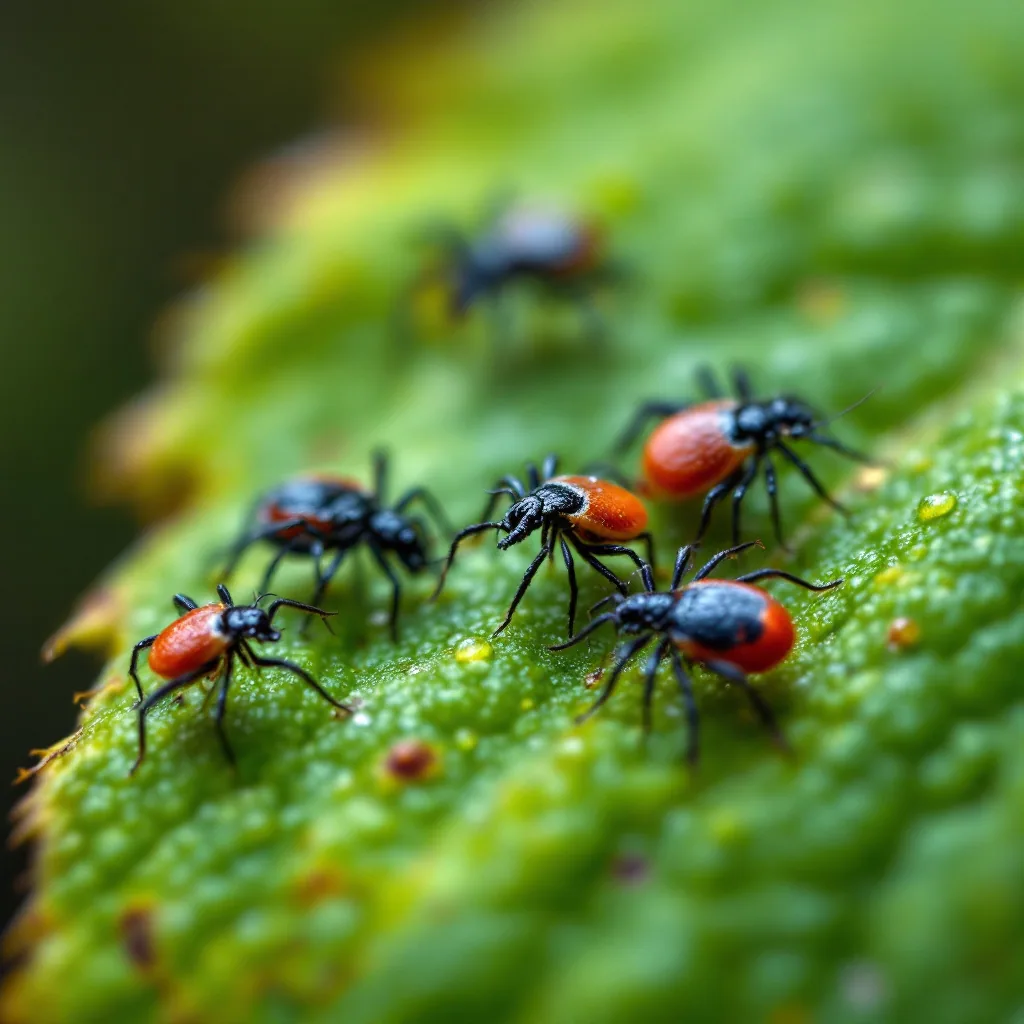
The tick landscape in Quebec is dominated by a few species with distinct impacts. The blacklegged tick, also called the deer tick or Ixodes scapularis, is the only species proven to transmit Lyme disease in Quebec and northeastern North America. Its populations are now established in the southern regions and are expanding northward, increasing the risk for both humans and domestic animals. Surveillance data confirm that blacklegged ticks are present in nearly all regions of Quebec, except the far north, due to their ability to be transported by birds and mammals.
The moose winter tick (Dermacentor albipictus) is another species found in Quebec, but it primarily parasitizes moose and does not transmit infectious diseases to humans. Even when these ticks attach to people by accident, their bites are not considered a health risk. This distinction is crucial: while blacklegged ticks are a vector for pathogens like Borrelia burgdorferi, moose winter ticks are mainly a wildlife management concern.
The Public Health Agency of Canada and Quebec’s veterinary network actively monitor these species. Ticks found on pets in regions such as Bas-Saint-Laurent, Saguenay–Lac-Saint-Jean, and Gaspésie–Îles-de-la-Madeleine are analyzed to track the spread of blacklegged ticks and assess infection rates. Notably, the proportion of blacklegged ticks carrying Lyme disease bacteria in Quebec is generally low, rarely exceeding 20% in most areas.
Other tick species exist in Quebec but are not currently linked to significant human disease transmission. For example, the American dog tick and groundhog tick may be present but have not been shown to play a major role in Lyme disease ecology here. If you want to learn more about how to eliminate ticks or other pests, specialized pest control resources are available.
Where are blacklegged ticks established in Quebec, and how is their spread monitored?
Blacklegged ticks are established mainly in southern Quebec, with populations expanding northward. Their spread is monitored through active and passive surveillance of ticks collected from people, pets, and the environment.
Ixodes scapularis, the blacklegged tick, has become a fixture in southern Quebec’s landscape. Municipalities with established populations are those where ticks survive and reproduce year after year, signaling a higher risk for Lyme disease and other tick-borne infections. The current distribution of these ticks is mapped using both active field studies and passive collection—ticks are submitted by the public, veterinarians, and healthcare professionals for identification and pathogen testing.
Active surveillance involves researchers collecting ticks from natural habitats, while passive surveillance relies on ticks found on humans or domestic animals. The Laboratoire de santé publique du Québec identifies tick species and sends blacklegged ticks to the National Microbiology Laboratory for further analysis. This dual approach allows for real-time tracking of tick expansion and infection rates.
The risk of encountering blacklegged ticks is highest from spring to fall, but ticks can be active whenever temperatures remain above freezing and there is no snow cover. Surveillance data show that the percentage of blacklegged ticks carrying Borrelia burgdorferi is usually below 20%, but this varies by region and year. The eTick platform allows citizens to submit tick photos for species identification, enhancing community engagement in monitoring efforts.
If you’re concerned about other pests in your home or business, see our guides on bed bug extermination and mouse extermination for comprehensive prevention strategies.
What diseases or risks do Quebec’s main tick species pose to humans and animals?
Blacklegged ticks transmit Lyme disease, anaplasmosis, and babesiosis to humans and animals. Moose winter ticks harm wildlife but do not transmit diseases to people or pets.
The blacklegged tick is the only species in Quebec confirmed to transmit Lyme disease, caused by Borrelia burgdorferi. This tick can also carry pathogens responsible for anaplasmosis and babesiosis, though these are less common. The risk of infection is highest in areas where established tick populations overlap with human and pet activity, especially in southern Quebec. Surveillance indicates that the proportion of infected ticks is generally low, but even a small percentage can lead to significant public health impacts given the rising number of reported Lyme disease cases.
Moose winter ticks, by contrast, do not transmit any infectious diseases to humans. Their primary impact is on wildlife health: heavy infestations can cause hair loss, blood loss, and poor condition in moose, but these ticks do not carry zoonotic pathogens. Meat from moose infested with winter ticks remains safe to eat, and accidental bites to humans are harmless.
It’s important to recognize that not all ticks in Quebec are vectors for disease. The Institut national de santé publique du Québec confirms that only Ixodes scapularis is a proven vector for Lyme disease in the province. Other species, such as the American dog tick or groundhog tick, are monitored but have not been implicated in major disease outbreaks here.
| Tick Species | Main Host(s) | Disease Risk to Humans | Disease Risk to Animals | Geographic Range in Quebec |
|---|---|---|---|---|
| Blacklegged tick | Humans, pets, deer | Lyme, anaplasmosis, babesiosis | Lyme, anaplasmosis, babesiosis | Southern and expanding north |
| Moose winter tick | Moose, elk | None | Blood loss, hair loss in moose | South of St. Lawrence, wildlife areas |
| American dog tick | Dogs, wildlife | Not major in Quebec | Not major in Quebec | Present, not established risk |
| Groundhog tick | Groundhogs, wildlife | Not major in Quebec | Not major in Quebec | Present, not established risk |
For a full list of Quebec’s threatened wildlife species, visit the official government list.
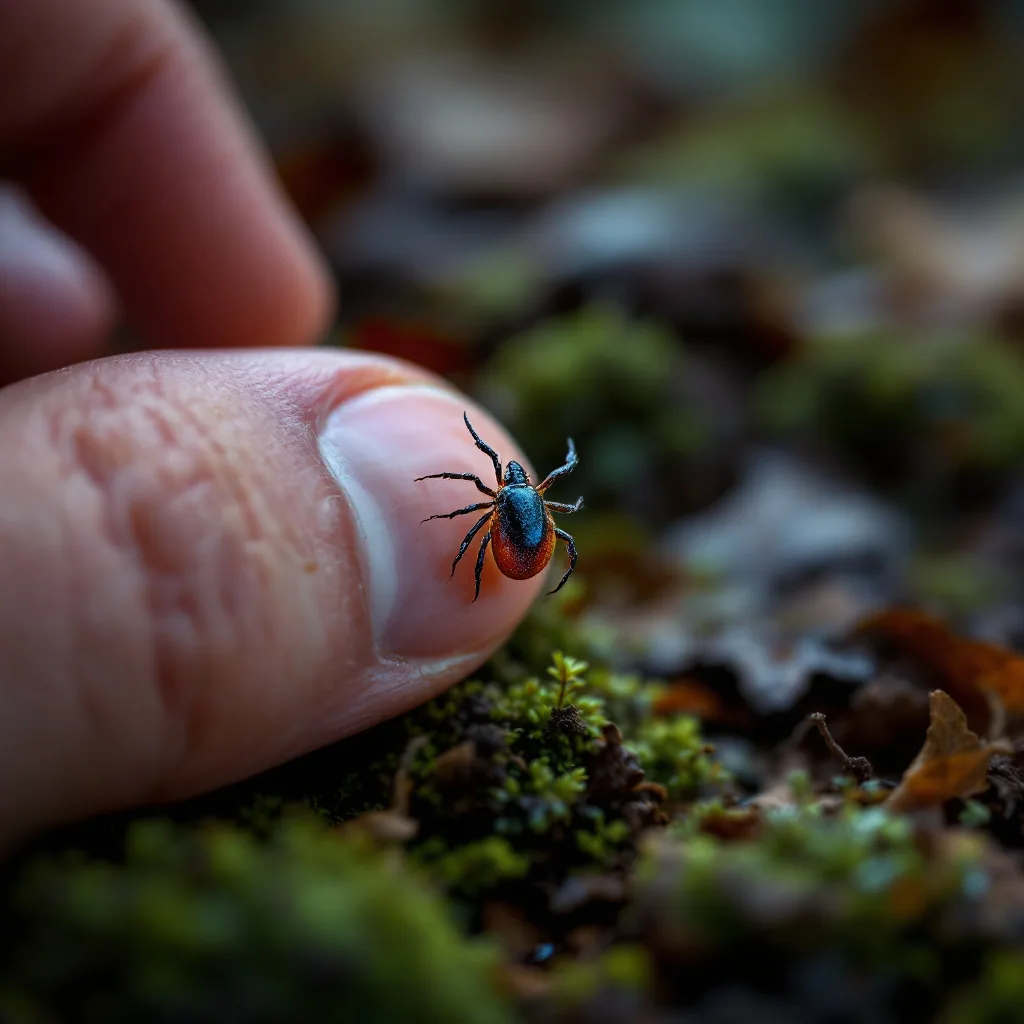
Potential Dangers and Diseases Transmitted by Ticks
What diseases can ticks in Quebec transmit to humans, and which species are responsible?
Blacklegged ticks in Quebec transmit Lyme disease, anaplasmosis, and, less commonly, babesiosis and Powassan virus. Moose winter ticks do not transmit diseases to humans.
Blacklegged ticks (Ixodes scapularis), also called deer ticks, are the only tick species in Quebec proven to transmit infectious diseases to humans. The most significant is Lyme disease, caused by the bacterium Borrelia burgdorferi. This pathogen is transmitted exclusively by infected blacklegged ticks in Quebec and northeastern North America. According to official surveillance data, Lyme disease cases have risen in Quebec, with 652 cases reported in 2023, reflecting the expanding range of these ticks.
Beyond Lyme disease, blacklegged ticks can also transmit anaplasmosis (caused by Anaplasma phagocytophilum) and, less frequently, babesiosis and Powassan virus. These diseases are considered emerging in Quebec, with anaplasmosis now a notifiable disease in the province. In 2023, 46 cases of anaplasmosis were reported, primarily in Estrie and Montérégie. Powassan virus transmission is rare but possible, as blacklegged ticks and related species are competent vectors.
Moose winter ticks (Dermacentor albipictus), despite their abundance on wildlife, are not recognized as vectors of infectious diseases for humans. Their bites, though possible, do not pose a health risk. This distinction is crucial for public health messaging: only blacklegged ticks are a proven threat to humans in Quebec.
Other tick species present in Quebec, such as the American dog tick and groundhog tick, are not currently linked to significant human disease transmission in the province. However, ongoing tick surveillance programs monitor for changes in tick distribution and disease risk.
What are the symptoms and health impacts of tick-borne diseases in Quebec?
Lyme disease can cause fever, rash, joint pain, and neurological symptoms; anaplasmosis may lead to fever, muscle aches, and fatigue. Severity ranges from mild to severe if untreated.
Lyme disease, the most common tick-borne illness in Quebec, typically begins with flu-like symptoms such as fever, headache, and fatigue. A hallmark sign is the expanding “bull’s-eye” rash (erythema migrans), but not all patients develop this rash. If untreated, Lyme disease can progress to joint pain, severe headaches, facial paralysis (Bell’s palsy), irregular heartbeat, and neurological complications such as memory loss or nerve pain. These symptoms can persist for months or even become chronic.
Anaplasmosis, also transmitted by blacklegged ticks, often presents with high fever, chills, muscle aches, and fatigue. Symptoms usually appear 5 to 21 days after a tick bite. In rare cases, severe complications can develop, particularly in immunocompromised individuals or the elderly. Babesiosis and Powassan virus infections are less frequent but can cause severe illness, including neurological symptoms and, in rare cases, death.
Pets are also at risk. Dogs may exhibit sore muscles, joint pain, fever, or fatigue if infected with Lyme disease. Regular tick checks and prompt removal are essential for both humans and animals.
Most tick bites are painless and may go unnoticed, increasing the risk of delayed diagnosis. Early detection and treatment are critical to prevent long-term complications. If you develop symptoms after a tick bite, seek medical attention promptly.
Are all ticks in Quebec dangerous to humans, and how can you reduce your risk?
Only blacklegged ticks are proven vectors of disease for humans in Quebec. Moose winter ticks and most other species do not transmit human diseases. Preventive measures significantly reduce risk.
Not every tick species in Quebec poses a threat to human health. The moose winter tick (Dermacentor albipictus) may attach to humans by accident but is not a vector for infectious diseases. Its bite is considered harmless, and meat from infested moose is safe to eat. This is confirmed by government guidance, which states that only blacklegged ticks are a public health concern.
Blacklegged ticks, however, are established in southern Quebec and expanding northward. Their ability to transmit Lyme disease and other pathogens makes them the focus of public health surveillance. Ticks can be active whenever temperatures are above 4°C and the ground is not snow-covered, so risk is not limited to summer months.
You can dramatically lower your risk by following evidence-based prevention strategies:
- Wear light-colored, long-sleeved clothing and tuck pants into socks.
- Use insect repellents containing DEET or icaridin.
- Walk on cleared paths and avoid tall grass or brush.
- Perform daily tick checks on yourself, children, and pets.
- Shower soon after outdoor activities.
- Remove attached ticks promptly with fine-point tweezers.
Climate change is expanding the suitable habitat for blacklegged ticks, increasing both their range and the length of the tick season. Ongoing surveillance and public education are essential to adapt to these changing risks.
Table: Tick Species in Quebec and Human Disease Risk
| Tick Species | Disease Risk to Humans | Disease Risk to Animals | Key Notes |
|---|---|---|---|
| Blacklegged tick | Lyme, anaplasmosis, babesiosis, Powassan virus | Same as humans | Only proven human vector in Quebec |
| Moose winter tick | None | Blood loss, hair loss in moose | No disease transmission to humans |
| American dog tick | Not significant | Not significant | Monitored, not major disease vector locally |
| Groundhog tick | Rare (Powassan virus) | Rare | Not a major public health concern |
Conclusion
Quebec’s tick landscape is defined by a small number of species with distinct public health and ecological impacts. The blacklegged tick (Ixodes scapularis) stands out as the primary concern for humans and pets, being the only species in Quebec proven to transmit Lyme disease, as well as emerging threats like anaplasmosis and, less commonly, babesiosis and Powassan virus. This tick’s range is expanding northward, driven by climate change and animal movement, increasing the risk of tick-borne diseases in new regions. In contrast, the moose winter tick (Dermacentor albipictus) poses no disease risk to humans but can significantly affect wildlife health, particularly moose populations.
The most significant finding is that, while several tick species are present in Quebec, only the blacklegged tick is a proven vector for human disease. Surveillance data show that the proportion of infected ticks remains relatively low (generally under 20%), but even this small percentage can have a notable public health impact given the rising incidence of Lyme disease and the potential for other tick-borne illnesses. Preventive measures—such as wearing protective clothing, using repellents, and conducting regular tick checks—are highly effective in reducing risk.
Looking ahead, ongoing surveillance, public education, and adaptation to climate-driven changes in tick distribution are essential for managing tick-borne disease risks in Quebec. Residents and visitors should remain vigilant, especially in southern and expanding northern regions, and consult official resources for up-to-date prevention and treatment guidance. While the overall risk remains manageable with proper precautions, continued monitoring and research will be critical as tick populations and disease patterns evolve.
Frequently Asked Questions (FAQ)
1. What are the most common tick species in Quebec, and which ones should I be most concerned about?
The most common tick species in Quebec are the blacklegged tick (Ixodes scapularis), moose winter tick (Dermacentor albipictus), American dog tick, and groundhog tick. Of these, the blacklegged tick is the only one proven to transmit diseases to humans, including Lyme disease, anaplasmosis, and, less commonly, babesiosis and Powassan virus. The moose winter tick primarily affects wildlife and does not transmit diseases to humans. The American dog tick and groundhog tick are present but are not significant vectors of human disease in Quebec. Therefore, your primary concern should be the blacklegged tick, especially in southern and expanding regions.
2. Where in Quebec are blacklegged ticks most commonly found, and how is their spread tracked?
Blacklegged ticks are most commonly established in southern Quebec, including regions like Montérégie, Estrie, and the south of the St. Lawrence River. However, their range is expanding northward due to climate change and animal movement. Their spread is tracked through active surveillance (field collection by researchers) and passive surveillance (ticks submitted by the public, veterinarians, and healthcare professionals). The eTick platform also allows residents to submit photos for species identification, helping authorities monitor tick distribution in real time.
3. What diseases can you get from ticks in Quebec, and how common are they?
The primary disease transmitted by ticks in Quebec is Lyme disease, caused by the bacterium Borrelia burgdorferi and spread exclusively by blacklegged ticks. Other emerging tick-borne diseases include anaplasmosis, babesiosis, and Powassan virus infection, though these are less common. In 2023, there were 652 reported cases of Lyme disease and 46 cases of anaplasmosis in Quebec. The risk of infection depends on tick species, whether the tick is carrying a pathogen, and how long it remains attached.
4. How can I identify a blacklegged tick, and why is this important?
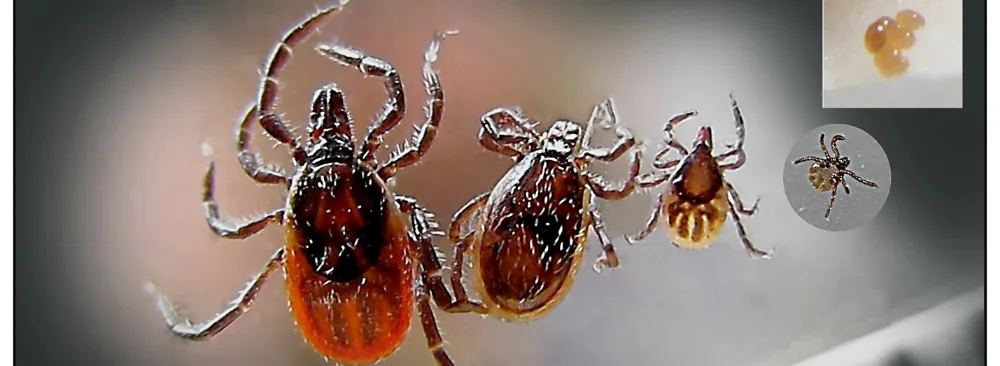
Blacklegged ticks are small, with adult females measuring about 3-5 mm (about the size of a sesame seed) and having a reddish-brown body with black legs and a dark shield near the head. Nymphs are even smaller and can be difficult to spot. Correct identification is crucial because only blacklegged ticks transmit Lyme disease and other significant pathogens in Quebec. If you find a tick, you can use the eTick platform or consult your local public health authority for identification and guidance on next steps.
5. What are the symptoms of tick-borne diseases like Lyme disease and anaplasmosis in Quebec?
Lyme disease often starts with flu-like symptoms (fever, headache, fatigue) and may include a distinctive “bull’s-eye” rash (erythema migrans). If untreated, it can progress to joint pain, neurological issues (such as facial paralysis), and heart problems. Anaplasmosis typically causes high fever, chills, muscle aches, and fatigue, and can lead to severe complications in vulnerable individuals. Babesiosis and Powassan virus infections are rare but can cause severe illness, including neurological symptoms. Early detection and treatment are critical for preventing long-term complications.
6. What are the best ways to prevent tick bites and reduce the risk of tick-borne diseases in Quebec?
To prevent tick bites and lower your risk of tick-borne diseases in Quebec, follow these evidence-based strategies:
- Wear light-colored, long-sleeved clothing and tuck pants into socks when in grassy or wooded areas.
- Use insect repellents containing DEET or icaridin.
- Stick to cleared paths and avoid tall grass or brush.
- Perform daily tick checks on yourself, children, and pets after outdoor activities.
- Shower soon after being outdoors to help remove unattached ticks.
- Remove attached ticks promptly with fine-point tweezers, grasping as close to the skin as possible.
These measures are highly effective and recommended by public health authorities to minimize your risk.