Understanding Earwig Intrusion in Quebec Homes During Summer
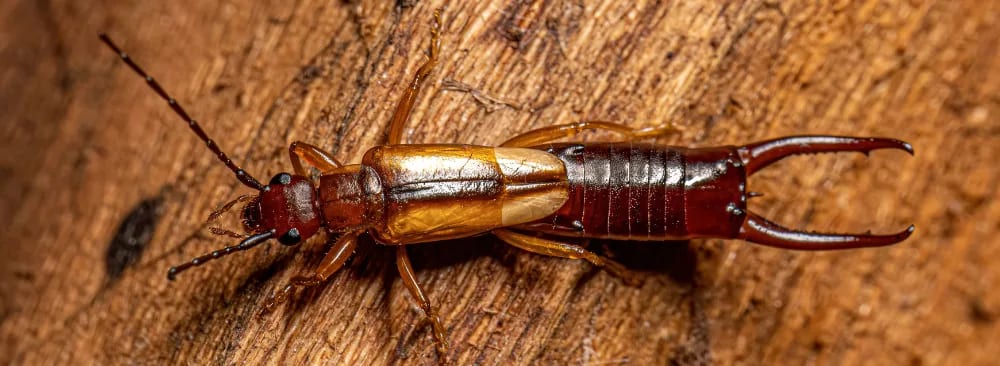
The European earwig, Forficula auricularia, is a common insect in Quebec, particularly during the warmer months. Known for their distinctive pincers and nocturnal habits, earwigs often become unwelcome guests in homes during the summer. This introduction explores the reasons behind their seasonal intrusion, drawing on scientific insights into their behavior and environmental preferences.
Earwigs are primarily nocturnal creatures, seeking shelter during the day in dark, moist environments such as under leaf debris or within crevices. Their activity is significantly influenced by weather conditions. Stable temperatures and higher minimum temperatures encourage their movement, while high humidity tends to suppress it. In Quebec, the summer season provides an ideal climate for earwigs, with warm nights and moderate humidity levels that facilitate their nocturnal foraging activities.
The propensity of earwigs to enter homes during summer can be attributed to several factors. Firstly, as scavengers, they are attracted to environments where food sources are abundant. This includes gardens and areas with decaying organic matter, which are often found near residential properties. Additionally, earwigs are known to seek out new habitats when their current environment becomes overcrowded or when conditions become less favorable, such as during periods of excessive moisture or when their natural shelters are disturbed.
Moreover, earwigs produce an aggregation pheromone that encourages them to gather in groups, which can lead to significant numbers entering homes if they find suitable entry points. These entry points often include cracks in foundations, gaps around windows and doors, and other small openings that provide access to the interior of a house.
Understanding the behavior and environmental preferences of earwigs is crucial for developing effective strategies to prevent their intrusion. By addressing potential entry points and managing the outdoor environment to make it less attractive to earwigs, homeowners can reduce the likelihood of these insects becoming a nuisance indoors. This report will delve deeper into the specific measures that can be taken to mitigate earwig intrusion and maintain a comfortable, pest-free home environment during the summer months in Quebec.
Earwig Behavior and Seasonal Patterns
Why Do Earwigs Enter Homes in Summer?
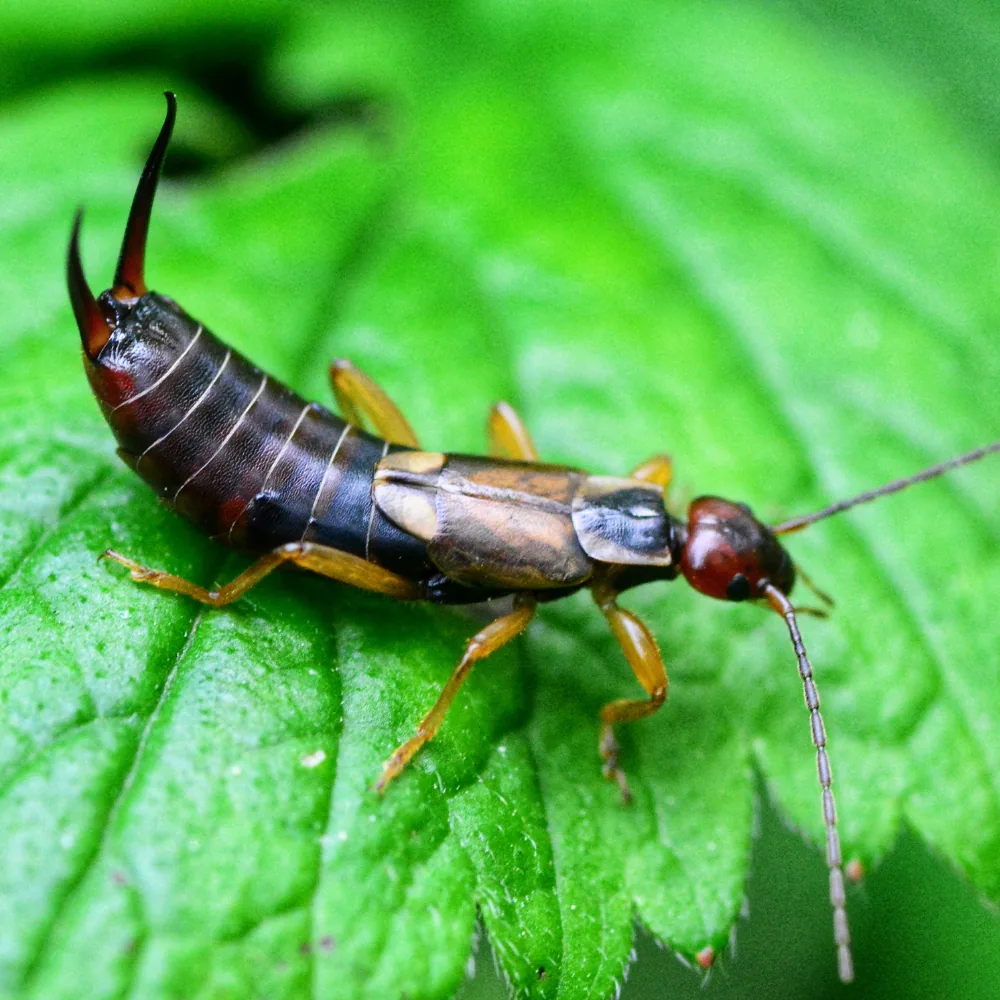
Earwigs enter homes during the summer primarily in search of food and shelter. As nocturnal creatures, they are drawn to dark, moist environments, which homes often provide. Earwigs are not directly harmful to humans, but they can be a nuisance when they invade living spaces. Their presence is often linked to the availability of decaying organic matter, which forms a significant part of their diet. In Quebec, the summer months provide optimal conditions for earwig activity due to the warm temperatures and increased humidity.
Earwigs are known to be more active during stable weather conditions, as higher minimum temperatures encourage their movement. According to a study by Chant and McLeod (1952), earwig activity is discouraged by high maximum temperatures but favored by higher minimum temperatures. Additionally, earwigs produce an aggregation pheromone in their feces, which attracts both sexes and nymphs, further explaining their tendency to cluster in homes.
How Do Seasonal Patterns Affect Earwig Behavior?
Seasonal patterns significantly influence earwig behavior, particularly in temperate regions like Quebec. Earwigs complete one generation annually, with adults overwintering and laying eggs in late winter. In Quebec, egg-laying occurs in late winter, with eggs hatching in May and nymphs reaching adulthood by August, as noted by Tourneur and Gingras (1992). This lifecycle aligns with the summer months when earwigs are most likely to enter homes.
The environmental conditions during different seasons play a crucial role in earwig activity. For instance, high relative humidity suppresses their movement, while greater cloud cover and higher wind velocities encourage it. This behavior is supported by research indicating that earwigs are more active under specific weather conditions, which are prevalent in Quebec’s summer climate.
Earwigs’ preference for temperate climates explains their abundance in Quebec, as they are less tolerant of arid environments. They are often intercepted in shipments of produce and other products, which contributes to their spread in non-native regions.
What Are the Implications of Earwig Behavior for Homeowners?
Understanding earwig behavior and seasonal patterns can help homeowners manage and prevent infestations. Earwigs are attracted to decaying organic matter and can be found hiding in cool, dark, and moist places during the day. They often invade homes accidentally while searching for food and shelter. To minimize their presence, homeowners should maintain a clean, low-moisture perimeter around their homes by trimming vegetation and removing mulch or organic debris.
Physical control methods, such as setting up traps in areas where earwigs commonly seek shelter, can be effective. Traps can include pieces of corrugated cardboard or flower pots stuffed with moistened straw. These traps should be checked regularly, and trapped earwigs can be disposed of in soapy water.
In cases where physical control methods are insufficient, pesticides can be used as a last resort. It’s essential to choose the right product for the pest and follow all label directions carefully. Treating the outdoor source of the infestation is more effective and long-term than indoor treatments.
By understanding these patterns and behaviors, homeowners can better manage earwig presence and reduce the likelihood of infestations.
Reasons for Earwig Infestation in Homes
Why Do Earwigs Seek Shelter Indoors?
Earwigs often enter homes in search of shelter from environmental conditions that are unfavorable to them. These insects are nocturnal and prefer dark, moist environments, which homes can inadvertently provide. Earwig activity is encouraged by higher minimum temperatures and stable weather conditions. This makes homes an attractive refuge during the summer months when these conditions are prevalent.
Earwigs are not directly harmful to humans, but their presence can be a nuisance. They often hide in crevices, under furniture, or in basements where conditions are cool and damp. The Canadian Food Inspection Agency (CFIA) emphasizes that prevention is key to managing pest populations, including earwigs, by maintaining a clean and dry environment indoors.
How Does Moisture Influence Earwig Infestations?
Moisture is a significant factor in earwig infestations, as these insects thrive in damp environments. Homes with high humidity levels, leaky pipes, or poor drainage can become hotspots for earwigs.
In Quebec, the summer months bring increased humidity, which can exacerbate earwig infestations. It’s recommended to create a clean, low-moisture perimeter around the house by trimming vegetation and removing mulch or organic debris. This practice can significantly reduce the likelihood of earwigs entering the home.
What Role Does Organic Matter Play in Attracting Earwigs?
Decaying organic matter is a primary food source for earwigs, making homes with abundant organic debris more susceptible to infestations. Earwigs feed on decaying plant material, which is often found in gardens, compost piles, and even within homes if organic waste is not properly managed.
In addition to plant material, earwigs are also known to prey on other insects, which can be found in organic-rich environments. A study by Walker et al. (1993) noted that earwigs release aggregation pheromones that attract others to food sources, further increasing the likelihood of infestation if organic matter is present. Regular cleaning and proper waste management are crucial in reducing the attractiveness of homes to earwigs.
For more detailed strategies on managing pest infestations, consider exploring resources on how to get rid of earwigs.

Prevention and Control Measures for Earwigs
How to Create an Earwig-Resistant Environment?
Creating an earwig-resistant environment involves reducing moisture and organic debris around your home. Earwigs are attracted to damp, dark places, so ensuring proper drainage and fixing leaks is crucial. Trimming vegetation and removing mulch are important steps to maintain a dry perimeter around the home. This reduces potential hiding spots and makes your home less attractive to these pests.
To further deter earwigs, consider using barriers such as caulking around windows and doors to seal entry points. Earwigs can be accidental invaders, often entering homes through small cracks. Regularly inspect and repair any gaps in your home’s exterior to prevent their entry. Additionally, setting up traps using moistened rolled-up newspapers or cardboard can help capture earwigs, which you can then dispose of in soapy water.
What Are Effective Natural Remedies for Earwig Control?
Natural remedies for earwig control focus on using non-toxic methods to repel or eliminate these insects. One effective approach is to use diatomaceous earth, a natural powder that dehydrates and kills earwigs upon contact. Sprinkle it around the foundation of your home and in areas where earwigs are commonly found. Earwigs release aggregation pheromones, so disrupting their gathering spots with diatomaceous earth can be effective.
Another natural remedy involves using essential oils, such as peppermint or eucalyptus, which are known to repel earwigs. Mix a few drops with water in a spray bottle and apply it around doors, windows, and other potential entry points. These oils create an environment that earwigs find unpleasant, reducing their likelihood of entering your home.
For those interested in organic gardening, introducing natural predators like toads or birds can help control earwig populations. These animals naturally prey on earwigs, providing a balanced ecosystem in your garden. Additionally, maintaining a clean garden by removing fallen leaves and debris can further deter earwigs from settling in.
How Can Community Efforts Enhance Earwig Control?
Community efforts can significantly enhance earwig control by fostering a collective approach to pest management. In populated areas, coordinated actions such as neighborhood clean-ups and information sharing can lead to more effective control measures. The Canadian Food Inspection Agency (CFIA) suggests that community-based initiatives can help manage invasive species, including earwigs, by reducing their preferred habitats.
Organizing workshops or informational sessions can educate residents about the importance of maintaining clean, dry environments to prevent earwig infestations. Sharing resources and strategies, such as the use of natural repellents or setting up traps, can empower communities to tackle the issue collectively. These efforts not only benefit individual households but also contribute to the overall reduction of earwig populations in the area.
Moreover, community initiatives can include regular monitoring and reporting of earwig activity, allowing for timely interventions. By working together, communities can create a more comprehensive and sustainable approach to managing earwig populations, ultimately leading to a more comfortable living environment for everyone.
For further insights on pest management, explore resources on how to get rid of earwigs and related topics.
Conclusion
The research on earwig behavior in Quebec during the summer months reveals that these insects primarily enter homes in search of food and shelter, driven by their preference for dark, moist environments. Earwigs are not harmful to humans but can become a nuisance when they invade living spaces. Their activity is influenced by seasonal patterns, with higher minimum temperatures and stable weather conditions encouraging their movement into homes. The presence of decaying organic matter, a significant part of their diet, further attracts them to residential areas.
The implications of these findings suggest that homeowners can effectively manage and prevent earwig infestations by maintaining a clean, low-moisture perimeter around their homes. This involves trimming vegetation, removing mulch or organic debris, and ensuring proper drainage to reduce humidity levels indoors. Physical control methods, such as traps and natural remedies like diatomaceous earth and essential oils, offer non-toxic solutions for managing earwig populations. Community efforts, including neighborhood clean-ups and educational initiatives, can enhance these individual strategies by fostering a collective approach to pest management.
FAQ
1. Why do earwigs enter homes during the summer?
Earwigs enter homes in the summer primarily to seek food and shelter. They are attracted to dark, moist environments that homes often provide, especially during the warmer months when their activity is heightened by favorable weather conditions.
2. Are earwigs harmful to humans?
Earwigs are not directly harmful to humans. They do not bite or transmit diseases, but their presence can be a nuisance due to their tendency to cluster in homes, attracted by decaying organic matter and moisture.
3. What attracts earwigs to my home?
Earwigs are attracted to homes by the presence of decaying organic matter, high humidity, and dark, moist areas. They often enter homes accidentally while searching for food and shelter, especially during the summer months when these conditions are prevalent.
4. How can I prevent earwig infestations?
To prevent earwig infestations, maintain a clean, dry perimeter around your home by trimming vegetation, removing mulch, and ensuring proper drainage. Seal entry points with caulking and use traps or natural repellents like diatomaceous earth and essential oils to deter them.
5. What are some effective natural remedies for controlling earwigs?
Effective natural remedies include using diatomaceous earth, which dehydrates and kills earwigs, and essential oils like peppermint or eucalyptus, which repel them. These methods are non-toxic and can be applied around entry points and areas where earwigs are commonly found.
6. How can community efforts help in managing earwig populations?
Community efforts can enhance earwig control by organizing neighborhood clean-ups, sharing information, and coordinating pest management strategies. These collective actions can reduce earwig habitats and improve the overall effectiveness of individual control measures.