Bed Bug Bites: Pictures, Symptoms and How to Identify Them
Did you wake up with small, itchy red bumps, often lined up on your arm or back? Bed bug bites look a lot like mosquito bites, which makes them hard to identify. Here is how to recognize them, tell them apart from other insect bites, soothe them and, above all, confirm whether bed bugs are really hiding in your home.
What does a bed bug bite look like?
The bite itself is painless: bed bug saliva contains an anaesthetic, so it doesn’t wake you up. The reaction shows up later, as:
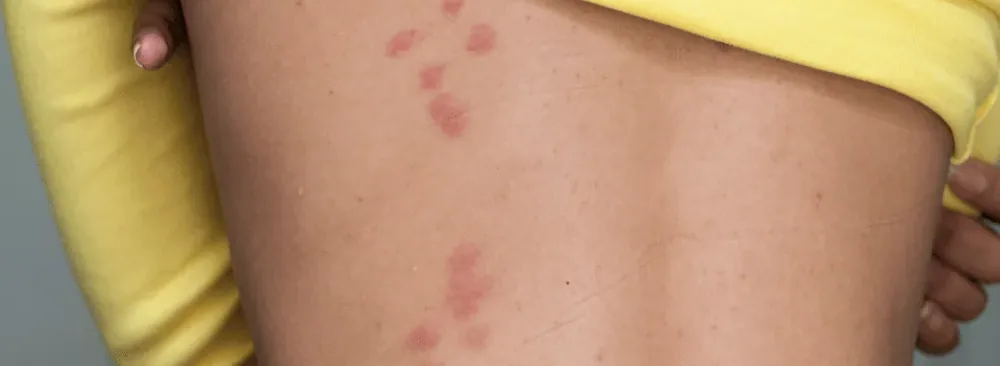
- small red welts similar to mosquito bites, sometimes with a darker dot in the centre;
- itching that is usually strongest early in the morning and eases during the day;
- a typical pattern of three or four bites in a row, or small clusters, because the bed bug bites several times as it moves across the skin.
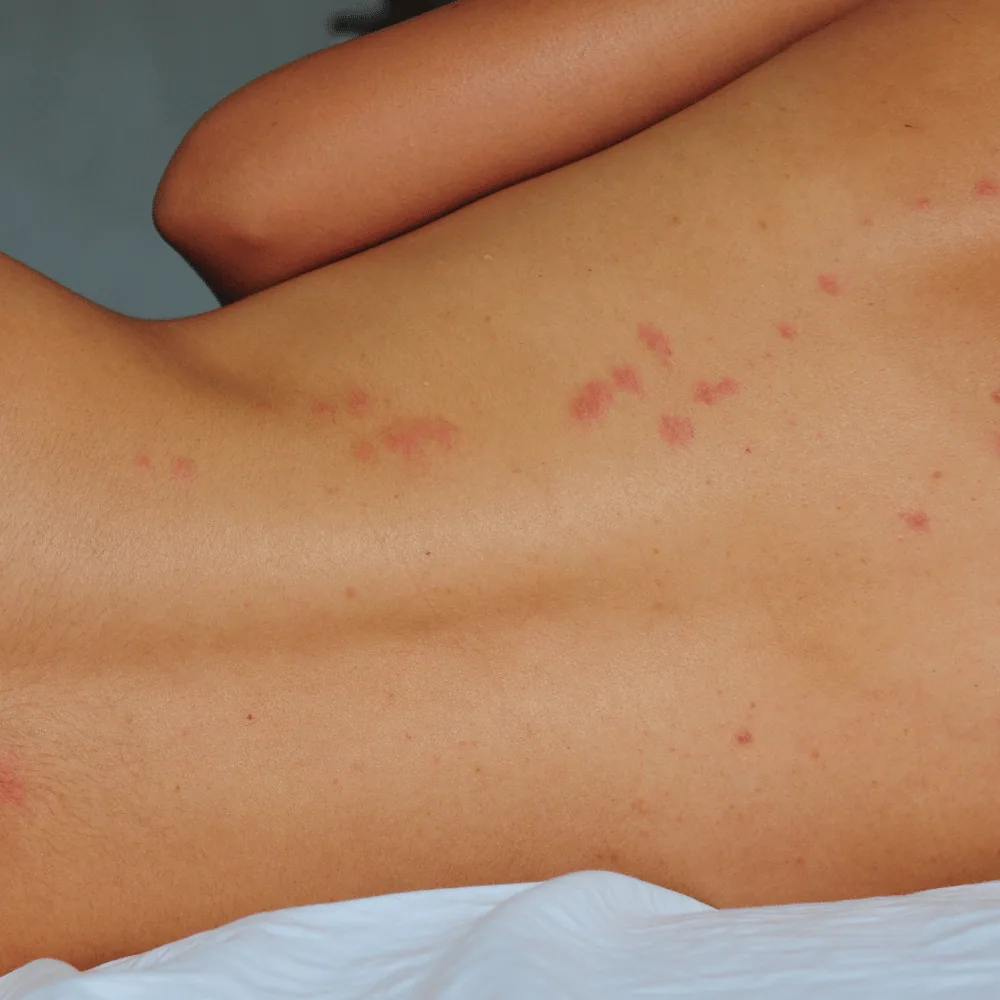
In more sensitive people, bites can form large swollen patches or even blisters.
Where do bed bugs bite?
Bed bugs bite skin that stays uncovered during sleep. According to Québec.ca and Health Canada, bites are most often found:
- on the arms and shoulders;
- on the neck and face;
- on the back and stomach;
- on the legs.
Bites concentrated around the ankles, on the other hand, point more to fleas.
When do bites appear?
This is what makes things tricky. According to Health Canada, bed bug bites can take up to 14 days to become visible. And some people don’t react at all. As a result, one person in a bed can be covered in bites while the other has none, and the first marks can appear after a trip even though the hotel was the source.
Bed bug, mosquito or flea bite?
| Clue | Bed bug | Mosquito | Flea |
|---|---|---|---|
| Timing | Noticed when you wake up | After time outdoors, mostly in summer | Any time of day |
| Pattern | In a row or small clusters | Scattered, one at a time | Tight clusters |
| Location | Arms, shoulders, neck, back | Any exposed skin | Ankles and lower legs |
| Context | Night after night, in any season | Linked to being outside | Often a dog or cat at home |
Other skin problems can also be mistaken for bed bug bites: hives, allergies, scabies or spider bites. If you are unsure where a rash comes from, a health professional can make a diagnosis. For more on telling them apart from fleas, read our article on how to tell fleas and bed bugs apart.
How to soothe a bed bug bite
Most bites clear up on their own within a few days. In the meantime, Québec.ca recommends:
- not scratching, to avoid infecting the skin;
- washing the area with cool water and a mild, unscented soap.
If the itching persists, a pharmacist or doctor can recommend a cream, an antiseptic lotion or an antihistamine. See a doctor if you notice an allergic reaction, blisters, significant swelling, or red, hot and painful skin, which can signal an infection. In Québec, Info-Santé 811 can also guide you. This article does not replace medical advice.
Bites aren’t enough: look for the other signs
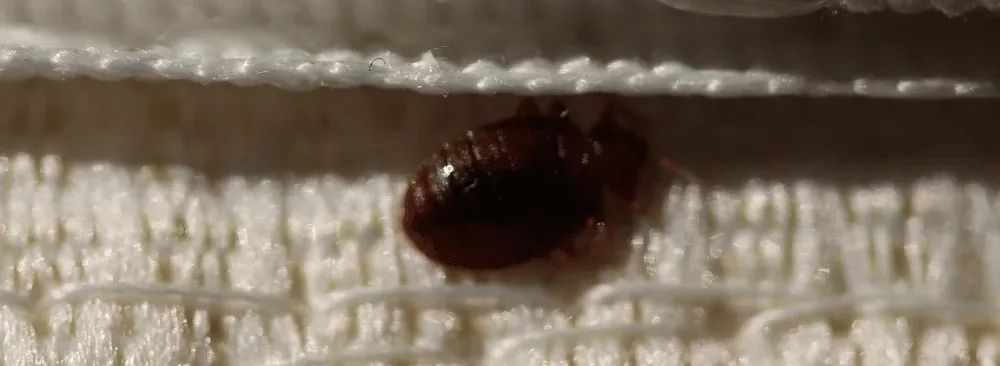
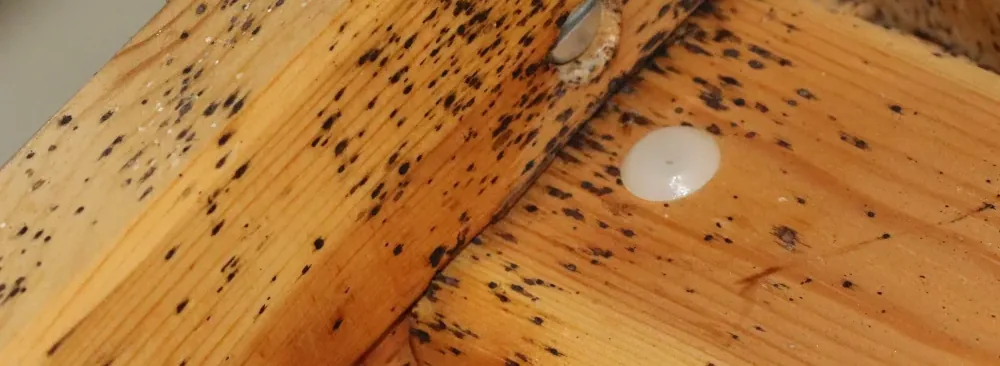
Bites raise suspicion, but only the insect itself or the traces it leaves can confirm an infestation. Before drawing conclusions, inspect the bed for black spots in mattress seams, small blood stains on the sheets, translucent shed skins or live insects. Our illustrated guide What do bed bugs look like? shows each of these signs in pictures.
New bites every morning: what should you do?
- Inspect the mattress, box spring and bed frame with a flashlight.
- Catch any suspicious insect with clear tape and photograph it.
- Keep sleeping in your bed: moving to another room spreads bed bugs.
- Avoid over-the-counter insecticides, which drive bed bugs into other rooms.
- Have the infestation confirmed by an exterminator, then prepare your home for treatment.
Our complete guide explains how to identify bed bugs and get rid of them, step by step.
Frequently asked questions
How long do bed bug bites last?
Most bites clear up on their own within a few days, without treatment, as long as you aren’t bitten again. In people who react strongly, the marks can last longer.
Why does only one person in the bed have bites?
Because not everyone reacts to bites. Both people are probably being bitten, but only one develops bumps. So the absence of marks on one person doesn’t mean there are no bed bugs.
Do bed bugs bite during the day?
They mostly feed at night, when you are still. In a heavy infestation, or if they haven’t fed for a long time, they can also bite during the day, for example on a couch.
Are bed bug bites dangerous?
According to Health Canada, bed bugs are not known to spread disease. The main risks are infections caused by scratching, allergic reactions and the impact on sleep.
Get your suspicions confirmed
Bites that come back every morning call for a professional inspection. Our certified technicians confirm whether bed bugs are present and act quickly across Greater Montreal. Learn about our bed bug extermination service, call us at 514-677-7526 or request a quote.