RAT OR MOUSE, HOW TO DIFFERENTIATE THEM?
Correctly identifying a rat from a mouse is not just a matter of curiosity, but an important step in implementing an effective pest management strategy. These two rodents, though similar at first glance, have significant differences that directly influence control and elimination methods. This article aims to provide you with the necessary knowledge to distinguish these pests and adopt appropriate measures to protect your home or business in Quebec.
Distinctive Characteristics
Size and Appearance
The first notable distinction between a rat and a mouse lies in their size. Rats, particularly brown rats or sewer rats, are significantly larger than mice, with a body that can reach up to 25 cm in length, not including the tail. Mice, on the other hand, are much smaller, with their bodies rarely measuring more than 7.5 cm in length.
Behavior
Rats and mice display behaviors that reflect their adaptations to different environments. Rats are known for their wariness of new things, which can make traps less effective at the beginning of an infestation. Mice, on the other hand, are more curious and therefore more likely to be captured quickly.
Traces and Clues
The traces left by these rodents can also help identify them. Mouse droppings are small and pointed at the ends, while rat droppings are larger and cylindrical. Bite marks on materials and food packaging can also indicate the type of rodent present.
Identifying a Rat

Rats, with their imposing size and wary behavior, require specific strategies for control. They tend to establish their nest in high places and can cause significant damage to structures and electrical cables.
Identifying a Mouse
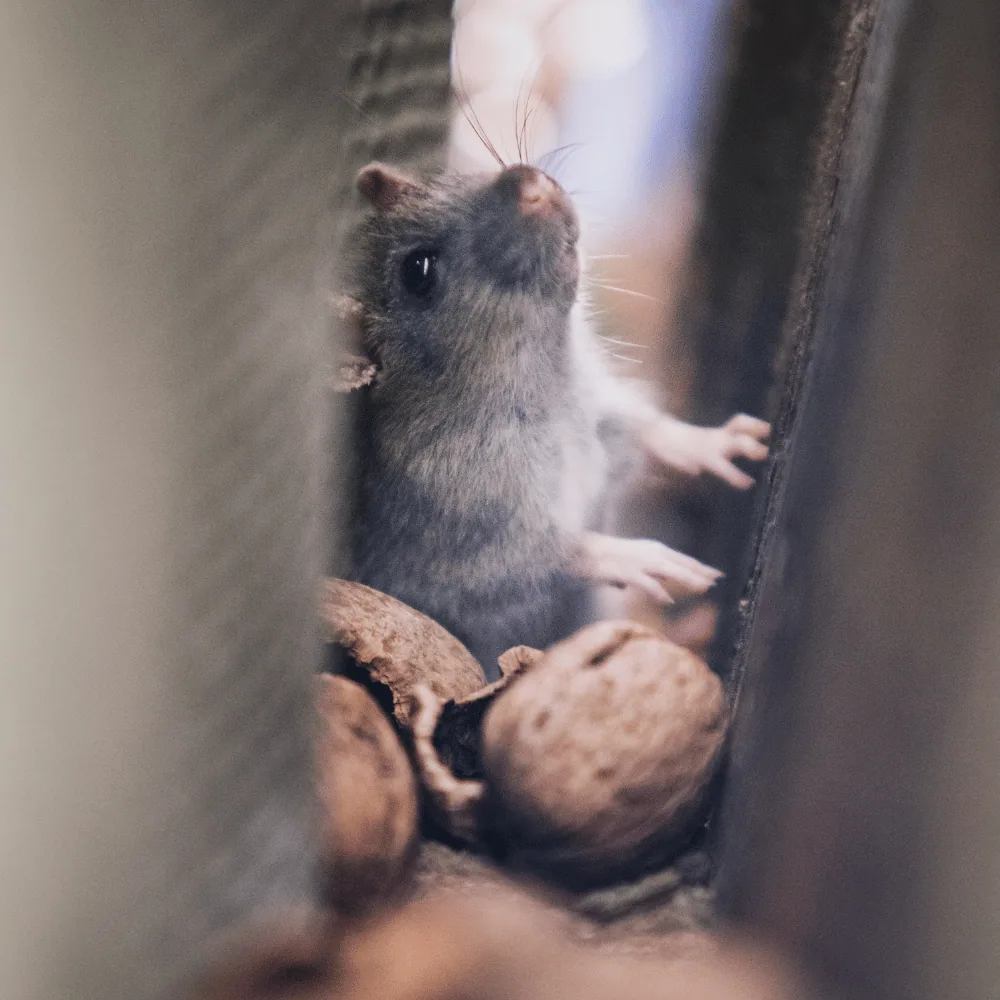
Mice, despite their small size, can prove to be major pests. Their ability to sneak into very small spaces allows them to enter homes more easily, requiring constant vigilance to detect and eliminate any infestation.
Key Differences Between Rats and Mice
Understanding the differences between these two types of rodents is essential for successful pest management. This includes not only physical and behavioral differences but also the implications of these differences for choosing control methods.
Consequences of an Infestation
The risks associated with a rodent infestation should not be taken lightly. In addition to material damage, rats and mice can transmit diseases and contaminate food supplies, posing a significant health risk.
Prevention and Control
Prevention is key in managing rodent populations. This can include measures such as securing food sources, reducing potential shelters, and strategically using traps and repellents. When an infestation is established, the intervention of a pest management professional often becomes necessary to effectively eliminate the pests.
Choosing a Pest Management Professional
Choosing an experienced professional is crucial for successful and lasting rodent elimination. It’s important to select a provider with in-depth knowledge of local specifics and who offers a comprehensive range of services tailored to your situation.
Correctly identifying a rat from a mouse is the first step towards effective pest management. By understanding their differences and implementing tailored prevention and control strategies, you can protect your property from these pests. In case of an infestation, do not hesitate to call a professional to ensure a quick and lasting solution.