CARPENTER ANTS OR TERMITES
Many homeowners struggle to distinguish between carpenter ants and termites, and this confusion can delay taking effective action to protect a home from potentially significant damage. Although both insects attack wood and can cause considerable structural damage, their behaviors and how they interact with wood are very different. Learning to differentiate between them is crucial to prevent and manage infestations before they become costly.
1. Why do people confuse these two insects?
The confusion between carpenter ants and termites is not surprising. Both insects often live near human dwellings and are known to damage wood, which leads many homeowners to mistake one for the other. However, while their actions may seem similar, their methods of infestation and how they interact with wood are very different.
Carpenter ants do not eat wood. They tunnel into wooden structures to establish their nests, creating smooth, clean galleries that weaken structures over time. In contrast, termites consume and digest wood, causing more internal and widespread damage to a house’s framework.
2. Physical appearance differences between carpenter ants and termites
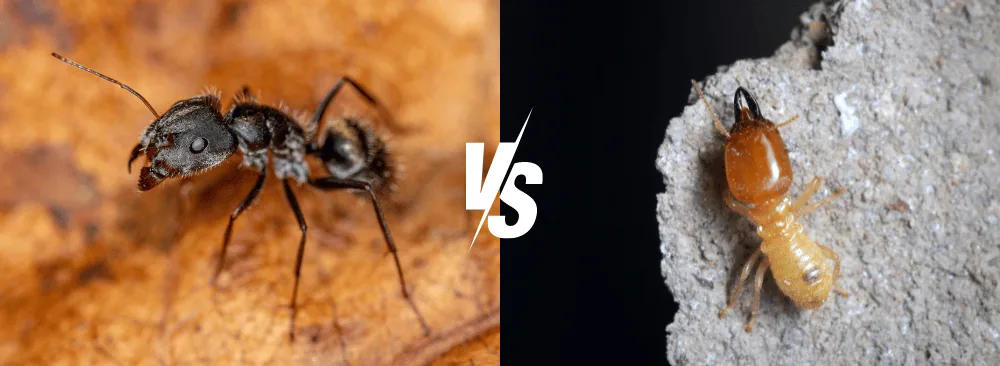
One of the most effective ways to distinguish between carpenter ants and termites is to examine their physical appearance. Although similar in size, these two pests have clear physical characteristics that set them apart.
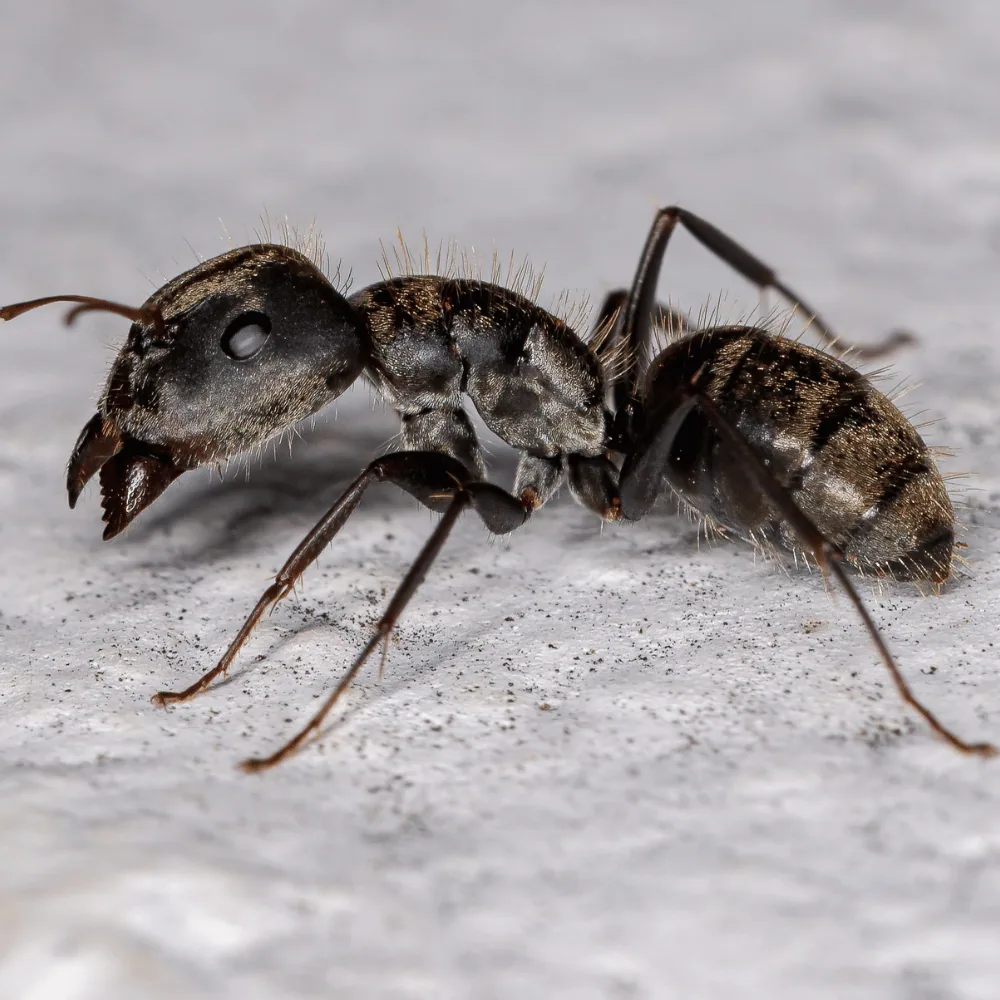
– Carpenter ants: They have a segmented body with a well-defined waist between the abdomen and thorax. Their antennae are bent, and winged carpenter ants have longer front wings than their hind wings. They are typically black or reddish, and their body size ranges from 6 to 12 mm.
– Termites: Termites have a more uniform and cylindrical body, without the narrow waist seen in carpenter ants. Their antennae are straight, and winged termites have wings of equal size. They are often beige or creamy white, making them harder to spot.
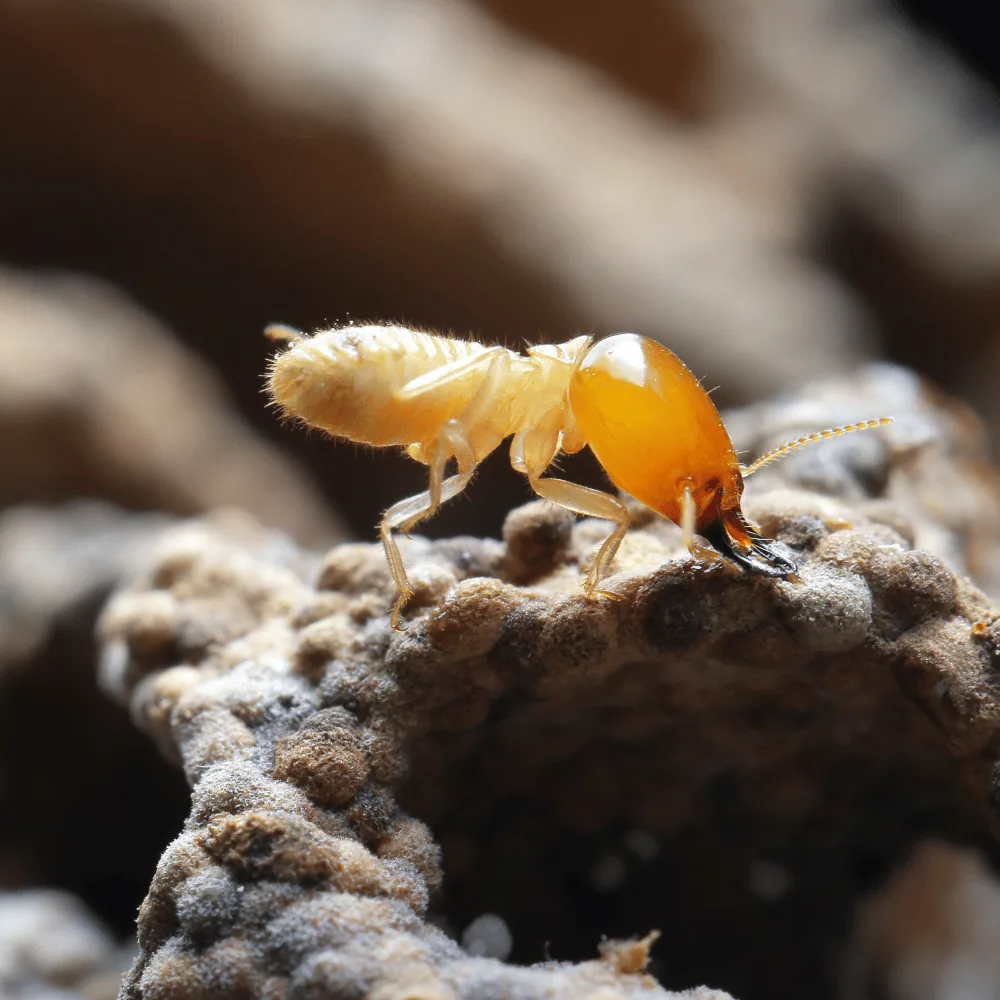
These physical distinctions are particularly important to observe if you notice flying insects inside or around your home, as both termites and carpenter ants can produce winged reproductives during their mating season.
3. How to recognize the signs of an infestation
The signs of a carpenter ant or termite infestation may look similar at first glance, but there are distinct clues that can help you identify which pest is responsible for the damage.
– Carpenter Ant Infestation: Carpenter ants tunnel into wood to create their nests, leaving behind piles of sawdust or wood shavings near the infested areas. You may also spot workers moving in a line, especially in damp areas like window frames, doors, or exposed beams.
– Termite Infestation: Termites consume wood from the inside, often leaving a thin outer layer intact. A typical sign of a termite infestation is the presence of mud tubes along walls or foundations, which subterranean termites use to travel. Unlike carpenter ants, they do not leave visible sawdust.
4. Types of damage caused
While both carpenter ants and termites cause wood damage, the nature and extent of the damage vary significantly.
– Damage caused by carpenter ants: These insects create smooth galleries inside wood to establish their colony. Even though they do not eat wood, their tunneling activities can weaken structures over time, especially if the infestation persists. Beams, frames, and other wooden elements may become fragile and unstable.
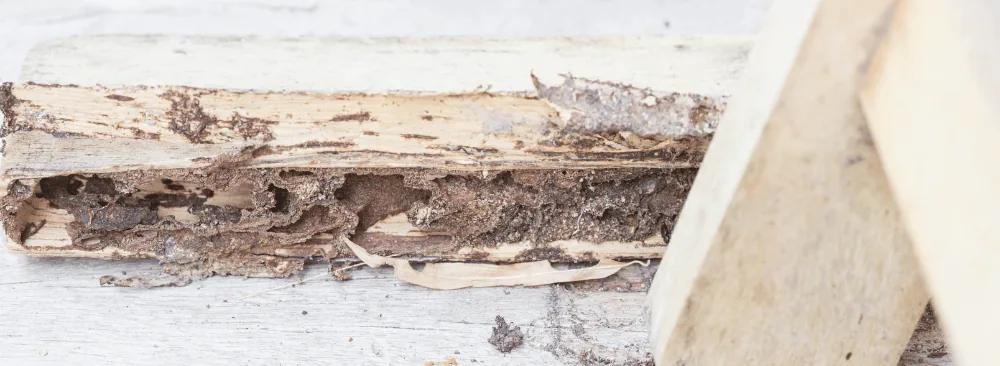
– Damage caused by termites: Termites, on the other hand, actively consume wood, which can lead to more severe and hidden damage. They often leave the surface of the wood intact, making their presence difficult to detect. As a result, termite damage can be much more extensive and costly to repair, as they compromise the internal structure of the wood.
5. Prevention and protection of your home
The best defense against carpenter ant and termite infestations is prevention. Here are some key measures you can take to protect your home:
– Eliminate moisture: Carpenter ants and termites are attracted to damp environments. Repair leaks, properly ventilate areas prone to moisture, and ensure rainwater drains away from your home’s foundation.
– Inspect and maintain wood: Replace damaged or rotting wood, particularly around windows, doors, and foundations. Use protective products to treat exterior woodwork.
– Store firewood properly: Never store firewood directly against your home. Keep it at a safe distance and elevate it off the ground.
– Schedule regular inspections: Regular inspections by a pest management professional are essential to quickly detect a potential infestation.
Several other methods can also help get rid of termites. For carpenter ants, here are 5 tips to eradicate a carpenter ant infestation.
6. When to call a professional?
If you suspect a carpenter ant or termite infestation, it is best to call a professional exterminator. A pest management expert can correctly identify the insect responsible for the infestation and apply the appropriate treatments to eliminate the problem and protect your home in the long term. A professional inspection is often the key to preventing costly repairs and ensuring a lasting solution to the infestation.