How to Keep Groundhogs Out of Your Garden in Quebec: Humane and Effective Strategies
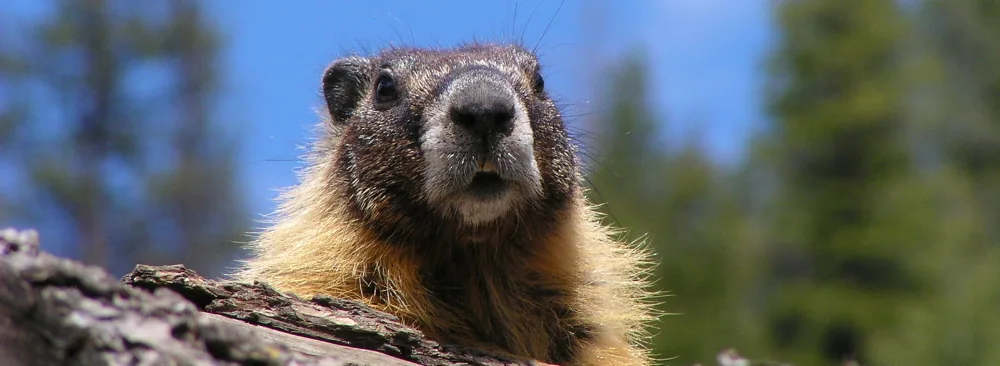
Groundhogs (Marmota monax), also known as woodchucks or marmottes in Quebec, are common burrowing rodents found throughout the province. While they play a role in local ecosystems, their presence in residential gardens can lead to significant challenges. From devouring vegetables and flowers to undermining structures with their extensive burrow systems, groundhogs can quickly become a nuisance for homeowners and gardeners alike.
In Quebec, where groundhogs are widespread in both rural and suburban settings, managing their impact requires a regionally appropriate and environmentally responsible approach. The province’s climate, wildlife regulations, and seasonal groundhog behavior—particularly their hibernation from late fall to early spring—must all be considered when planning deterrent strategies.
This report provides a comprehensive overview of effective, humane, and ecologically sound methods to prevent groundhog damage in Quebec gardens. Drawing on guidance from provincial wildlife authorities, pest control experts, and integrated pest management (IPM) principles, it outlines practical solutions such as fencing techniques, natural repellents, habitat modification, and professional removal options. Whether you’re a backyard gardener or a property manager, this guide will help you safeguard your green space while respecting local wildlife.
Understanding Groundhog Behavior and Risks in Quebec
What’s Really Going On Beneath the Soil?
If you’ve ever walked out into your backyard in Quebec and noticed a fresh mound of dirt near your shed or under your garden fence, chances are you’ve just been introduced to your new neighbour—the groundhog. Known locally as the “marmotte,” these chunky rodents are more than just weather prophets on February 2nd. They’re full-time diggers, part-time garden wreckers, and surprisingly clever survivalists.
Groundhogs, or Marmota monax, are part of the squirrel family, though you’d never guess it by looking at their pudgy bodies and lumbering gait. They’re solitary creatures, except during mating season or when a mother is raising her young. In Quebec, they’re active from early spring through late fall, spending the rest of the year in deep hibernation. And when I say deep, I mean it—heart rate drops, body temp plummets, and they basically become furry little ice cubes until the thaw.
But while they’re awake, they’re busy. A single groundhog can dig a burrow system that stretches over 15 metres long, with multiple exits and chambers. These tunnels aren’t just cozy homes—they’re escape routes, nurseries, and food storage lockers. You might think, “Okay, so they dig. Big deal.” But here’s the rub: those burrows can collapse under patios, weaken building foundations, and even mess with drainage systems. And that’s just the structural side of things.
Why Your Garden Is Basically a Buffet
Let’s talk food. Groundhogs are vegetarians with a serious appetite. In a single day, one groundhog can eat over a pound of vegetation. That might not sound like much—until you realize that’s your lettuce, your beans, your sunflowers, and your strawberries. They’re not picky. If it’s green and growing, it’s fair game.
In Quebec, where the growing season is already short and precious, losing even a few days of crop growth to a hungry marmotte can be frustrating. And they don’t just nibble. They yank entire plants from the ground, roots and all, leaving behind a mess of snapped stems and chewed leaves. If you’ve ever gone out to harvest your first ripe tomato only to find it half-eaten on the ground, you know the feeling.
They also have a taste for clover, alfalfa, and dandelions—so if you’ve been letting your lawn go a bit wild in the name of pollinators, you might be rolling out the red carpet for them. And once they’ve found a good food source, they’ll keep coming back. They’re creatures of habit. If your garden fed them once, it’s on their mental map now.
The Hidden Risks That Don’t Get Talked About
Now here’s where things get a little more serious. Groundhogs aren’t just a nuisance—they can be a health risk. They’re known carriers of parasites like ticks, fleas, and lice. In some rare cases, they’ve also been found to carry rabies, tularemia, and leptospirosis. While human transmission is rare, pets that interact with groundhogs or their burrows are at higher risk.
And then there’s the issue of zoonotic diseases—those that can jump from animals to humans. According to the Canadian Centre for Occupational Health and Safety, any wild animal, including groundhogs, can be a vector for disease. If you’re working in your garden and accidentally come into contact with contaminated soil or water near a burrow, you could be exposed.
There’s also the physical risk. Groundhog burrows can be deceptively deep and wide. If you’re mowing the lawn and your foot sinks into a hidden tunnel, you could easily twist an ankle or worse. Same goes for pets and kids. It’s not just about aesthetics—it’s about safety.
And let’s not forget the damage to infrastructure. Their burrowing can weaken the ground under sheds, decks, and even driveways. In rural Quebec, where many homes have older foundations or outbuildings, this can lead to expensive repairs. Some farmers have even reported livestock injuries from animals stepping into collapsed burrows.
Why They Love Quebec (and Your Backyard)
Quebec is practically a groundhog paradise. Think about it: long summers, plenty of green space, and lots of quiet, semi-rural areas where they can dig in peace. They favour well-drained, sandy soils—exactly the kind you find in many suburban and countryside gardens across the province.
They’re also smart about where they build. You’ll often find burrows near fences, under sheds, or along the edge of wooded areas. These spots offer cover from predators and easy access to food. And once they’ve settled in, they’re not easy to evict.
In fact, groundhogs are so well adapted to human environments that they’re now common in parks, golf courses, and even cemeteries. They’re not shy. If they feel safe, they’ll sun themselves right in the open, often near their burrow entrance. That’s where the nickname “whistle pig” comes from—when startled, they emit a high-pitched whistle to warn others before diving underground.
And while they’re solitary, they’re not territorial in the way some animals are. Multiple burrows can exist close together, especially in areas with abundant food. So if you’ve seen one, there’s a good chance there are more nearby.
Table: Quick Facts About Groundhogs in Quebec
| Feature | Details |
|---|---|
| Scientific Name | Marmota monax |
| Common Names | Groundhog, woodchuck, marmotte, whistle pig |
| Active Months | March to October |
| Hibernation Period | Late fall to early spring |
| Diet | Grasses, vegetables, fruits, flowers, clover, dandelions |
| Burrow Length | Up to 15 metres (50 feet) |
| Health Risks | Rabies, tularemia, leptospirosis, ticks, fleas |
| Structural Risks | Foundation damage, tunnel collapse, drainage issues |
| Behaviour | Diurnal (active during the day), solitary, territorial around burrows |
What Makes Them So Hard to Deter?
Here’s the thing—groundhogs are persistent. You can scare them off once, maybe twice, but if the conditions are right, they’ll come back. They’re not just reacting to threats—they’re calculating risk. If your garden is quiet most of the day, and the food is good, they’ll take their chances.
They’re also surprisingly good climbers. Yep, despite their stocky build, they can scale fences if they’re motivated. And they’re strong diggers. A basic wire fence won’t stop them unless it goes deep into the ground—at least 30 cm, preferably more.
Some folks try natural deterrents like garlic, cayenne pepper, or predator urine. Sometimes it works. Sometimes it doesn’t. Groundhogs have individual personalities. What scares one might not faze another.
And let’s be honest—trapping is tricky. You need the right bait, the right placement, and the right timing. Plus, in Quebec, relocating a wild animal without proper authorization can be illegal. So you can’t just drive them out to the woods and hope for the best.
The Cultural Quirk That Makes It Complicated
You can’t talk about groundhogs in Quebec without mentioning Fred la Marmotte. Every February 2nd, people gather in Val-d’Espoir to see if Fred sees his shadow. It’s a beloved tradition, even if it’s more folklore than science. But here’s the twist: Fred isn’t just a mascot—he’s a symbol. And that makes the groundhog a bit of a cultural icon.
So while they might be a pest in your backyard, they’re also a part of Quebec’s identity. That’s why lethal control methods are frowned upon. Humane solutions are the way to go—not just ethically, but socially. No one wants to be the person who “took care of” a groundhog problem and ended up on the local Facebook group as the villain of the week.
Final Thought: It’s Not Just About the Holes
If you’re dealing with groundhogs on your property, it’s easy to focus on the damage. The chewed plants, the collapsed soil, the frustration. But the real issue is deeper—literally and figuratively. These animals are survivors. They’ve adapted to our spaces because we’ve made them comfortable. Gardens full of food, quiet corners to dig, and few natural predators.
The more you know about how they think and what they need, the better your chances of convincing them to move along. It’s not about fighting nature—it’s about making your space less appealing to them without harming them or the ecosystem.
And if you’ve tried everything and they’re still sticking around? It might be time to call in the pros. Just like you wouldn’t try to handle a rat infestation on your own, groundhogs can require expert help too.
They’re cute. They’re clever. But they’re not harmless. And in Quebec, where the seasons are short and the soil is precious, keeping them out of your garden isn’t just a preference—it’s a necessity.
Preventive Measures to Keep Groundhogs Out of Gardens in Quebec
Why Fencing Isn’t Just a Backyard Decoration
Let’s start with the obvious. You’ve probably heard that fencing is the go-to solution for keeping groundhogs out. But here’s the catch: most people don’t install it right. They think a simple chicken wire fence will do the trick. It won’t.
Groundhogs are like furry little tanks with built-in shovels. They can dig, climb, and squeeze through gaps you didn’t even know existed. So if you’re going to fence them out, you need to think like one.
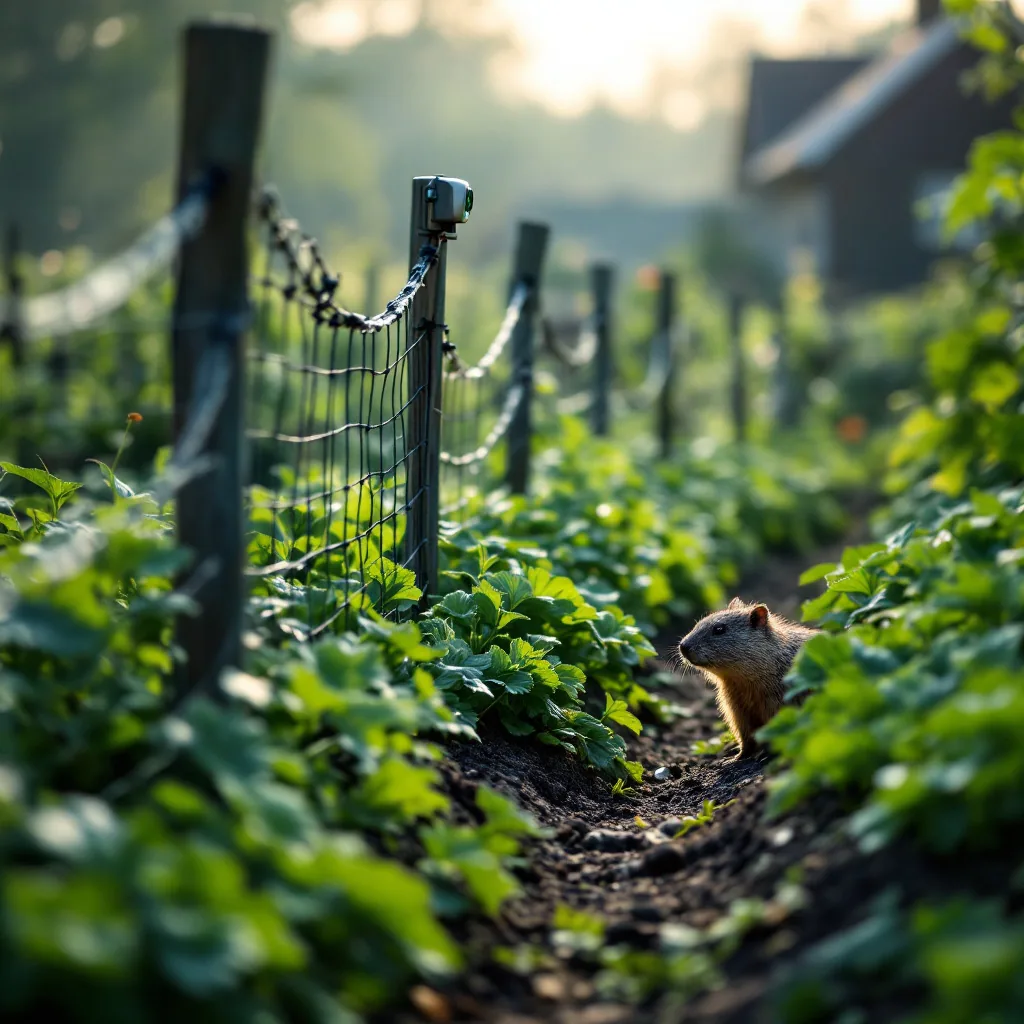
In Quebec, where the soil can be soft and sandy in summer and frozen solid by November, the fence has to do double duty—above and below ground. Experts recommend a fence that’s at least 3 feet high. But height alone isn’t enough. The top should bend outward at a 45-degree angle. Why? Because these guys can climb. That angled top makes it awkward and unstable, and most groundhogs will give up.
Now, let’s talk about the bottom. This is where most DIY jobs fall apart. Groundhogs can dig tunnels that go several feet deep, but for garden protection, burying the fence 12 inches underground is usually enough. Or, you can do the “L-shape” trick—bend the bottom of the fence outward underground. It’s like a hidden tripwire. They dig, hit the wire, and back off.
And don’t forget the material. Skip the plastic stuff. It’s not going to stop a determined marmotte. Use heavy-duty galvanized steel mesh—ideally with openings no larger than 1 inch. That way, you’re not just stopping groundhogs, but rabbits, skunks, and even raccoons.
If you already have a fence but it’s too short or doesn’t go underground, you can retrofit it. There are fence extension kits that let you add height and bury mesh without tearing everything down. It’s not cheap, but neither is replacing your lettuce every week.
And if you’re dealing with raised beds? You’re in luck. A removable fence with a metal base and a top cover can work wonders. Just make sure the base has that same buried or overlapped mesh to stop diggers.
The Plants That Say “No Thanks” to Groundhogs
Here’s something most people don’t realize: groundhogs are picky eaters. Yes, they’ll eat a lot. But they don’t like everything.
If your garden is basically a buffet of beans, peas, lettuce, and carrots, you’re asking for trouble. But if you mix in plants they hate, you can make your space less appealing.
In Quebec, where growing seasons are short and every plant counts, this can be a game-changer. Think of it like planting a moat around your veggies. Herbs like lavender, mint, sage, and rosemary? They hate the smell. Same with garlic and onions. Even ornamental plants like marigolds and snapdragons can help—they’re bitter and unappetizing to groundhogs.
Some gardeners swear by castor bean plants. They’re toxic and the smell alone can be enough to keep critters away. But be careful—these are poisonous to pets and kids too.
You can also try planting “decoy” crops. Put a patch of clover or alfalfa far from your main garden. It might keep them busy and away from your tomatoes. It’s not foolproof, but in some cases, it buys you time.
And don’t forget the scent-based stuff. Sprinkling crushed garlic, cayenne pepper, or even used cat litter near burrows can send a strong message. Just be ready to reapply after rain.
For a more permanent solution, some folks in Quebec are turning to natural deterrents like essential oils—clove, lemongrass, and thyme mixed with water and sprayed around the garden. It’s not magic, but it can tip the balance in your favour.
Don’t Feed the Problem (Literally)
Here’s the part that stings a little: sometimes, we’re the problem.
You leave a compost bin open. You toss apple cores into the yard. You forget to harvest that zucchini that’s now the size of a baseball bat. And guess who notices? Groundhogs.
They’re not just eating your garden. They’re scavenging around it. So the first step in prevention is cutting off the food supply.
In Quebec’s humid summers, compost piles can get ripe fast. That smell travels. If you’re composting, use a sealed bin. Better yet, bury food scraps deep in the pile and cover them with dry leaves or soil. No scent, no visitors.
Same goes for bird feeders. Spilled seeds attract more than just chickadees. If you must feed the birds, use a catch tray. And clean up underneath every few days.
Got fruit trees? Pick up fallen fruit. Every. Single. Day. A single rotting apple can draw in a groundhog from 100 metres away. They’ve got excellent noses.
And don’t forget your trash. In rural Quebec, raccoons and skunks get all the blame, but groundhogs will absolutely root through bags if they smell something good. Use animal-proof bins and keep them away from the garden.
Even your pets can help—or hurt. Dog fur and urine can act as a deterrent. But if your dog’s food bowl is outside? That’s an invitation.
If you’re serious about prevention, think like a groundhog. If it smells good, looks easy to reach, and nobody’s watching, they’ll go for it. So make your garden boring. Clean, tidy, and scent-free.
Scare Tactics That Actually Work (Sometimes)
Let’s be honest—most scare tactics are hit or miss. You hang up a shiny CD, tie a balloon to a stick, or put out a fake owl. It works for a day. Maybe two. Then the groundhog figures it out and goes right back to munching your kale.
But that doesn’t mean you should give up on scare tactics. You just need to mix it up.
Motion-activated sprinklers are one of the best tools out there. They’re not cheap, but they’re effective. The sudden burst of water startles the groundhog and makes the area feel unsafe. Just don’t put it where you walk every day unless you enjoy surprise showers.
Some folks in Quebec have had luck with motion-sensor lights or ultrasonic sound devices. The science on these is shaky—some animals get used to them, others don’t seem to notice. But if you combine them with other methods, they can add an extra layer of defense.
One trick that’s surprisingly effective? Human hair. Seriously. Next time you get a haircut, ask your barber for the clippings. Put them in mesh bags and stake them near burrow entrances. The scent of humans can spook groundhogs enough to make them think twice.
You can also try predator urine. Fox or coyote urine (available at garden centres) can trigger a fear response. Just be prepared to reapply often, especially after rain.
And if you’re dealing with a particularly bold groundhog? Try a rotating schedule. Move your deterrents every few days. Change the scent. Switch the location of the sprinkler. Keep them guessing.
Consistency is key. One scare won’t do it. But a garden that feels unpredictable and unsafe? That’s a place they’ll avoid.
Table: Groundhog Deterrent Comparison
| Method | Effectiveness | Cost | Maintenance | Notes |
|---|---|---|---|---|
| Buried Steel Mesh Fence | High | $$$ | Low | Best long-term solution |
| Motion-Activated Sprinkler | Medium-High | $$ | Medium | Works well if repositioned regularly |
| Predator Urine | Medium | $ | High | Needs frequent reapplication |
| Human Hair Clippings | Medium | Free | Medium | Works best near burrows |
| Garlic/Cayenne Spray | Low-Medium | $ | High | Washes off in rain |
| Raised Bed Enclosures | High | $$ | Low | Great for small gardens |
| Scare Balloons/Fake Owls | Low | $ | High | Groundhogs adapt quickly |
When It’s Time to Call in the Pros
Sometimes, no matter what you do, the groundhog wins.
You’ve buried the fence. You’ve sprayed the garlic. You’ve played predator sounds on a loop. And still, every morning, there’s a new hole. A new pile of dirt. Another half-eaten squash.
That’s when it might be time to bring in backup.
In Quebec, wildlife control is regulated. You can’t just trap and relocate animals on a whim. In fact, relocating a groundhog more than 1 km from your property is illegal without a permit. And even if you do it right, there’s no guarantee they won’t come back—or that another one won’t move in.
That’s why many people turn to licensed pest control services that specialize in humane removal. They know how to trap safely, legally, and effectively. And they can help you figure out why the groundhog chose your yard in the first place.
They’ll look at your landscaping, your fencing, your compost, your shed. They’ll spot things you missed. And they’ll help you fix them.
It’s not about declaring war on wildlife. It’s about setting boundaries.
And sometimes, the smartest move is knowing when to call someone who’s done this a hundred times before.
That’s the thing with groundhogs. They’re not evil. They’re just opportunists. If your garden looks like a good place to eat, sleep, and raise a family, they’ll move in.
But if you make it inconvenient, unpredictable, and just a little bit scary?
They’ll move on.
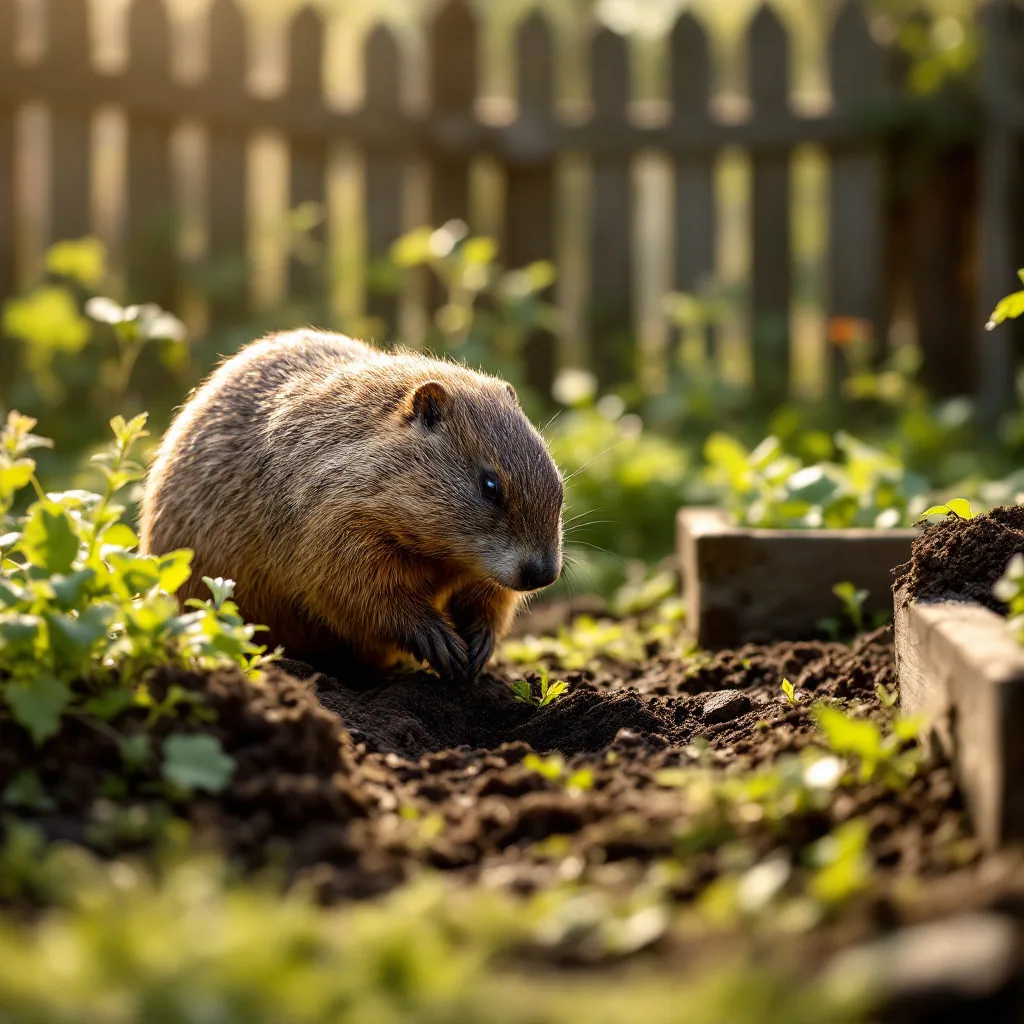
Humane Control and Removal Strategies for Groundhogs in Quebec
Why Trapping Isn’t Just About a Cage and a Carrot
So, you’ve spotted the telltale signs: a fresh mound of soil near your shed, a few half-eaten zucchinis, maybe even a glimpse of that chunky marmotte waddling across your lawn like it owns the place. And now you’re thinking: “Should I trap it?”
Here’s the thing. In Quebec, you can’t just grab a trap from Canadian Tire, bait it with an apple, and release the groundhog in the woods. That’s illegal. Wildlife relocation laws in the province are strict, and for good reason. Moving a groundhog even a kilometre away can cause more harm than good. They’re territorial. They don’t adapt well to new areas. And if you drop one off in a random forest, odds are it won’t survive long.
But that doesn’t mean trapping is off the table. It just means it has to be done right.
Live traps—those wire cages with spring-loaded doors—are the most humane option if you’re going to go that route. Look for one that’s at least 30 inches long. Anything smaller, and you risk injuring the animal. Bait it with cantaloupe or apple slices (they love the sweet stuff), and place it near the burrow entrance. But don’t just set it and forget it. You need to check it at least twice a day. A trapped groundhog left in the sun too long can die from heat stress. And if you catch the wrong animal—say, a skunk—you’ll want to know before it sprays your entire backyard.
Now, if you do catch a groundhog, you can’t just drive it to the Laurentians and set it free. You’ll need to contact a licensed wildlife control service. They’ll handle the relocation legally and safely. Some even offer exclusion services after removal, sealing up burrows and advising on how to keep the next one from moving in.
If you’re not sure where to start, a mouse exterminator may also offer humane wildlife control services or referrals. Many of the same principles apply—sealing entry points, removing attractants, and using live traps when needed.
Trapping works best when it’s part of a bigger plan. Remove food sources. Close off hiding spots. Make your yard less inviting. Otherwise, you’ll just end up playing whack-a-mole with groundhogs all summer.
The Smells That Say “You’re Not Welcome Here”
Groundhogs have a great sense of smell. That’s how they find your garden in the first place. But it’s also how you can convince them to leave.
Let’s talk scent-based deterrents. Some are homemade. Some are store-bought. All of them play on the same idea: make the area smell like danger or discomfort.
Predator urine is a classic. Fox or coyote urine, usually sold in garden centres or online, can be sprinkled around burrow entrances or garden beds. It tells the groundhog, “Hey, something bigger and toothier lives here.” But it fades fast, especially after rain. You’ll need to reapply every few days.
Another trick? Human hair. Seriously. Next time you get a haircut, ask for the clippings. Put them in mesh bags and stake them near burrows. The scent of humans can be enough to spook a groundhog into finding a new home.
Some folks use used kitty litter. It’s gross, yes. But it works. The ammonia smell mimics predator urine and sends a clear message. Just don’t dump it directly into the burrow—that’s not humane. Sprinkle it around the entrance instead.
If you want to go the DIY route, mix castor oil with water and a bit of dish soap. Spray it around the garden. Groundhogs hate the smell and taste. Garlic, cayenne pepper, and crushed red pepper flakes can also be used as a perimeter barrier. They irritate the nose and mouth, making your plants less appealing.
But here’s the catch: none of these are permanent. They’re part of a rotation. Use one for a week, then switch. Groundhogs are smart. They’ll adapt. Keep them guessing.
And if you’re looking for a more automated solution, motion-activated sprinklers can be surprisingly effective. A sudden blast of water? That’s enough to send most groundhogs running. Combine that with scent deterrents, and you’ve got a solid defense plan.
Still, if you’re dealing with multiple burrows or a particularly stubborn groundhog, you might need backup. That’s when a professional wildlife control service can step in with more advanced tools and strategies.
Closing the Door Without Slamming It
Let’s say the groundhog’s gone. Maybe it moved on. Maybe you had it removed. Either way, you’re left with a burrow—a hole in the ground that’s basically an open invitation for the next critter to move in.
You can’t just fill it with dirt and hope for the best. If the groundhog is still inside, you’ll trap it underground. That’s not humane. And if it’s not, but the burrow’s still open, another animal might claim it. Skunks. Raccoons. Even foxes.
So here’s how to do it right.
First, check for activity. Stuff the entrance loosely with leaves or crumpled newspaper. If it’s still there after 48 hours, the burrow is likely abandoned. If it’s pushed aside, you’ve got a tenant.
Once you’re sure it’s empty, you can seal it. Fill the tunnel with gravel or soil. Then cover the entrance with heavy-gauge wire mesh. Bury the edges at least 30 cm deep to prevent digging. Some people pour in used kitty litter or castor oil-soaked rags before sealing, just to make the space less appealing.
If you’re not confident the burrow is empty, wait until late summer. That’s when young groundhogs have left the nest, and adults haven’t started prepping for winter yet. It’s the safest window for eviction.
And if you’re dealing with a burrow under a shed or deck, you’ll need to go a step further. Install an L-shaped barrier—wire mesh that goes down into the ground and out horizontally. That way, even if a groundhog tries to dig, it’ll hit the mesh and give up.
This kind of exclusion work is tedious, but it’s worth it. It’s the difference between solving a problem and postponing it.
If you’re not sure how to do it—or you’re worried about damaging your structure—consider reaching out to a pest control service that specializes in exclusion. Many of them offer consultations and can even do the work for you.
Conclusion
Groundhogs, or marmottes, are a common and persistent nuisance for gardeners across Quebec, particularly during the active months from March to October. Their burrowing habits can cause significant structural damage to sheds, decks, and foundations, while their voracious appetite for vegetables and flowers can quickly devastate a garden. Beyond the visible destruction, groundhogs also pose health risks by carrying parasites and zoonotic diseases. Their adaptability to suburban and rural environments, combined with their intelligence and persistence, makes them a challenging pest to deter.
The most effective strategies for keeping groundhogs out of gardens in Quebec involve a combination of physical barriers, habitat modification, and humane deterrents. Properly installed fencing—buried at least 12 inches underground and angled outward at the top—is the most reliable long-term solution. Complementary measures such as planting unappealing herbs, removing attractants like fallen fruit and open compost, and using motion-activated sprinklers or scent-based deterrents can further reduce the likelihood of groundhog intrusion. In cases where DIY methods fail, professional wildlife control services offer legal and humane removal and exclusion options. Ultimately, success lies in understanding groundhog behavior and making your garden an unattractive and unpredictable environment for them.
FAQ: Groundhogs in Quebec Gardens
1. What is the most effective way to keep groundhogs out of my garden?
The most effective method is installing a heavy-duty galvanized steel mesh fence that is at least 3 feet high, with the top angled outward at 45 degrees and the bottom buried at least 12 inches underground or bent outward in an L-shape. This prevents both climbing and digging. Combining this with other deterrents like motion-activated sprinklers and scent repellents increases effectiveness.
2. Are there any plants that groundhogs dislike and can be used as natural deterrents?
Yes. Groundhogs tend to avoid strongly scented or bitter plants. Herbs like mint, lavender, rosemary, sage, and garlic are effective natural repellents. Ornamental flowers such as marigolds and snapdragons can also help. Planting these around the perimeter of your garden can create a natural barrier.
3. Is it legal to trap and relocate groundhogs in Quebec?
No, it is illegal to relocate groundhogs more than 1 km from your property without a permit in Quebec. Improper relocation can harm the animal and disrupt local ecosystems. If trapping is necessary, it should be done using humane live traps and in coordination with a licensed wildlife control professional.
4. How can I tell if a groundhog burrow is still active?
Stuff the burrow entrance loosely with leaves or crumpled newspaper. If the material is undisturbed after 48 hours, the burrow is likely inactive. If it’s pushed aside, the burrow is still in use. Only seal burrows once you’re certain they are abandoned to avoid trapping animals underground.
5. What should I do if deterrents aren’t working and the groundhog keeps returning?
If multiple deterrents fail, it’s time to consult a professional wildlife control service. They can legally and humanely trap and remove the animal, assess your property for vulnerabilities, and implement exclusion techniques to prevent future intrusions. This is especially important if the groundhog is causing structural damage or health concerns.
6. Can compost or bird feeders attract groundhogs to my yard?
Absolutely. Open compost bins, fallen fruit, and spilled birdseed are major attractants. Use sealed compost containers, clean up fallen produce daily, and install seed catchers under bird feeders. Keeping your yard tidy and free of food sources is a critical step in preventing groundhog visits.