HOW TO DIFFERENTIATE FLEAS FROM BEDBUGS?
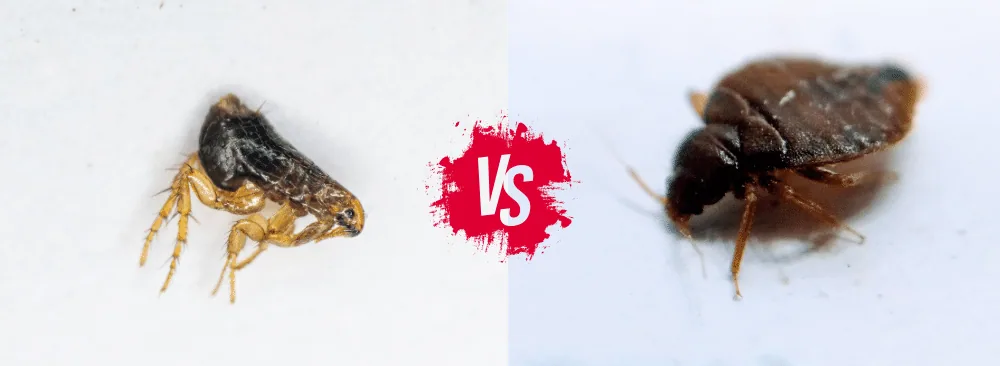
Distinguishing fleas from bed bugs is crucial for adopting the most suitable pest control strategy. Although these two pests can cause similar discomforts, such as itching and discomfort, their significant differences in appearance, feeding habits, and signs of infestation require distinct control approaches. Here’s how to effectively identify them.
Physical Appearance
Fleas
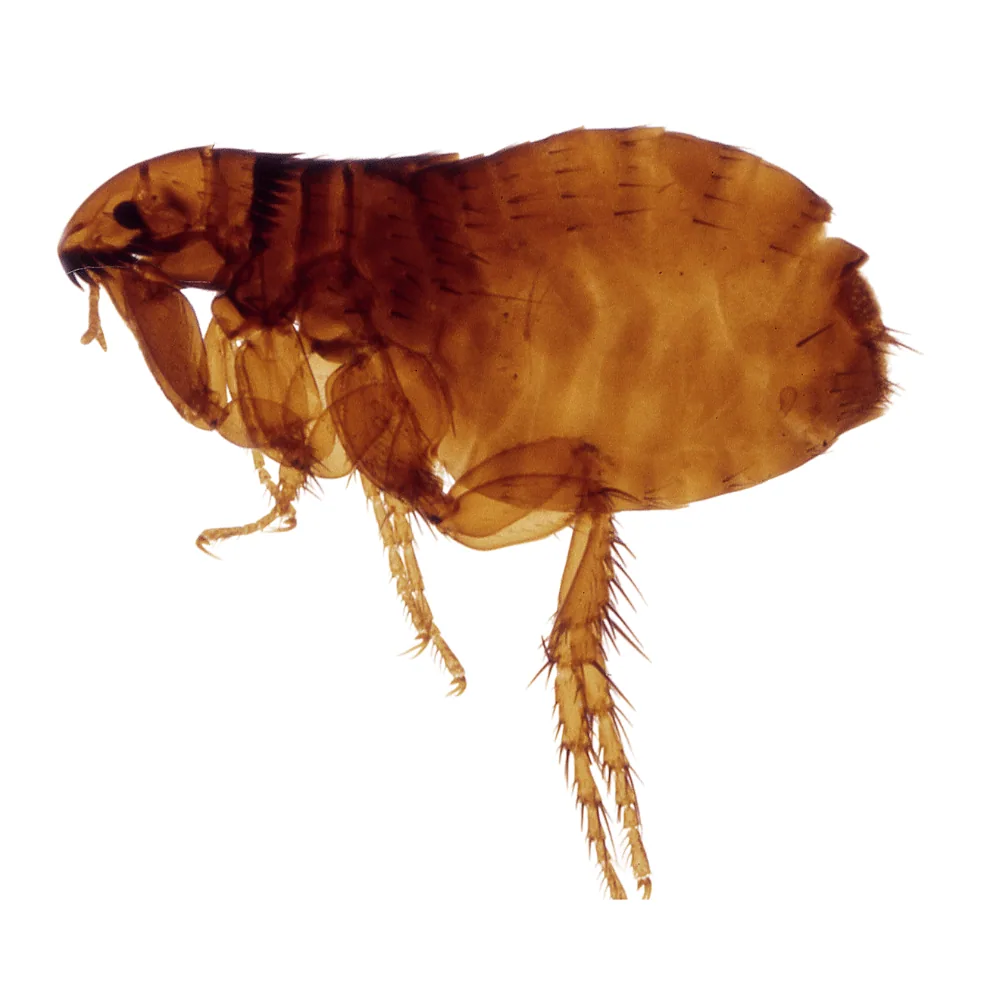
– Size: Fleas measure about 1 to 4 mm in length.
– Color: They are generally dark brown.
– Shape: Their body is laterally flat, allowing them to move easily through animal fur or fabric fibers.
– Distinctive Feature: Fleas have long hind legs, enabling them to jump great distances.
Bed Bugs
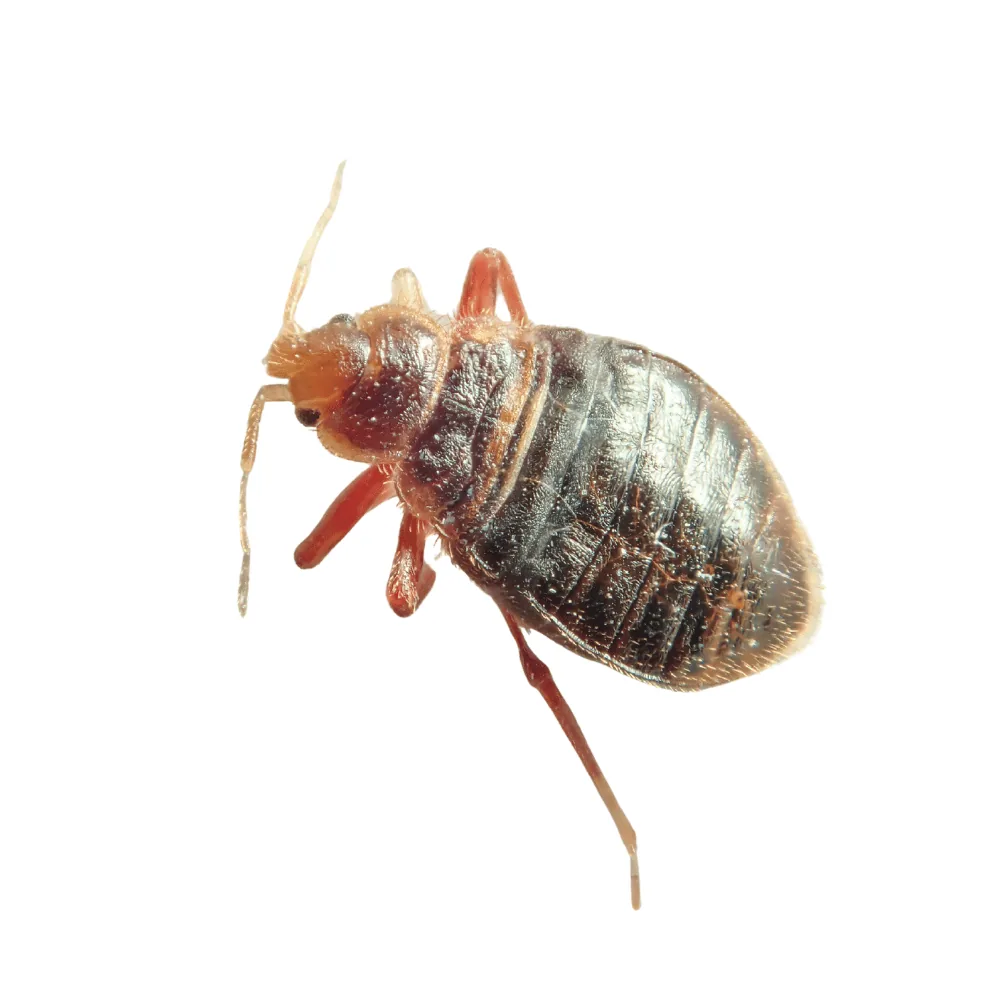
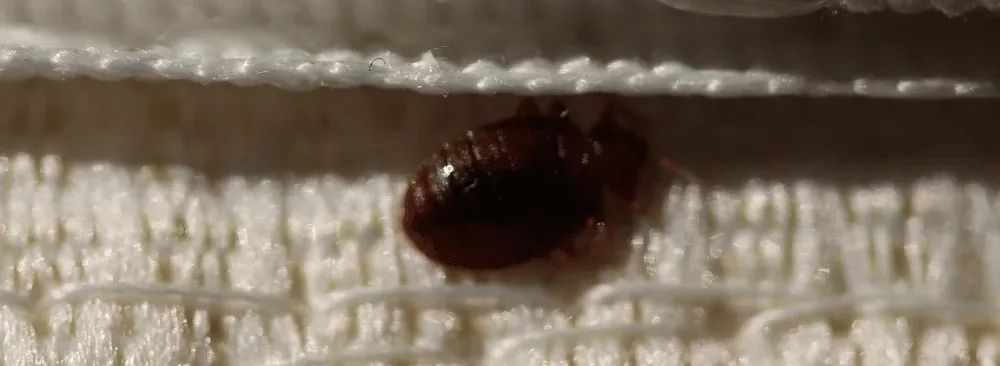
– Size: Bed bugs measure about 5 to 7 mm in length as adults.
– Color: Their color varies from light brown to reddish-brown, especially after feeding.
– Shape: They have an oval and vertically flattened body.
– Distinctive Feature: Bed bugs do not jump or fly but move quickly across surfaces.
Feeding Habits
Fleas

Fleas are parasites that primarily feed on the blood of domestic animals like dogs and cats, though they can also bite humans.
Bed Bugs
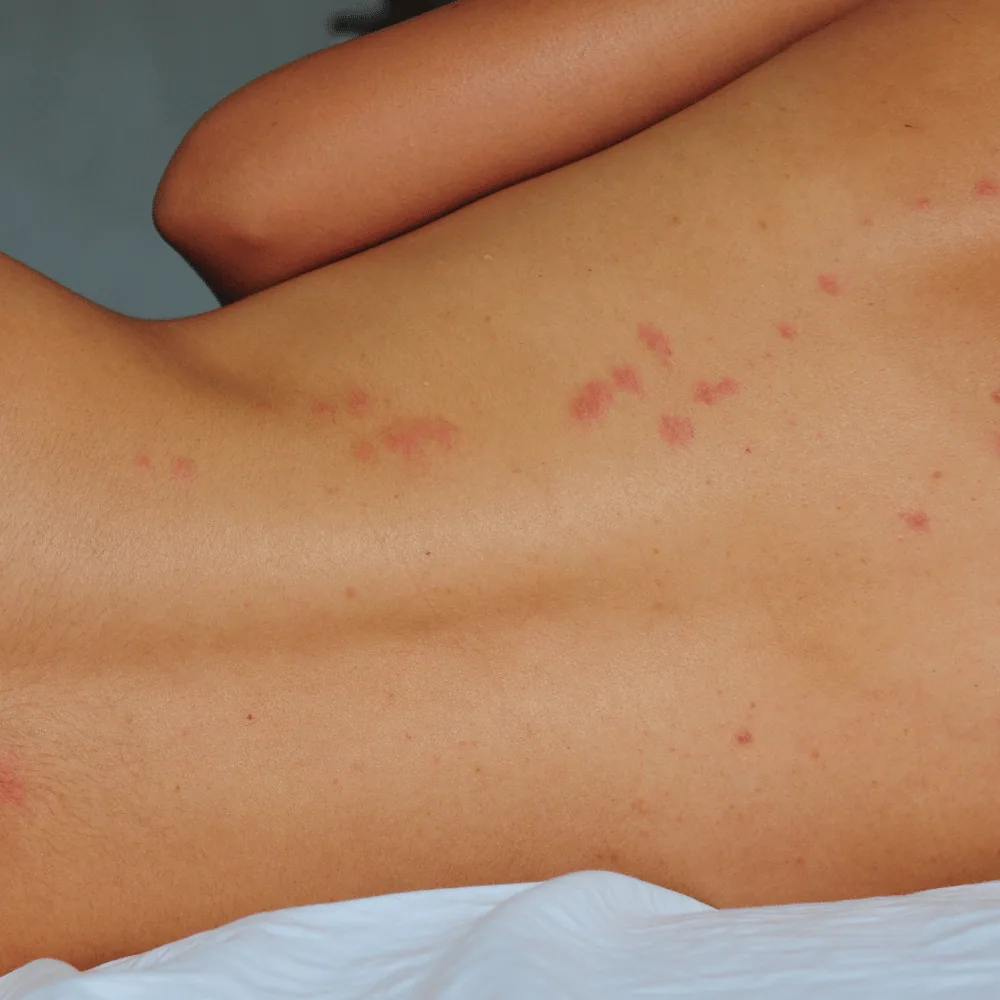
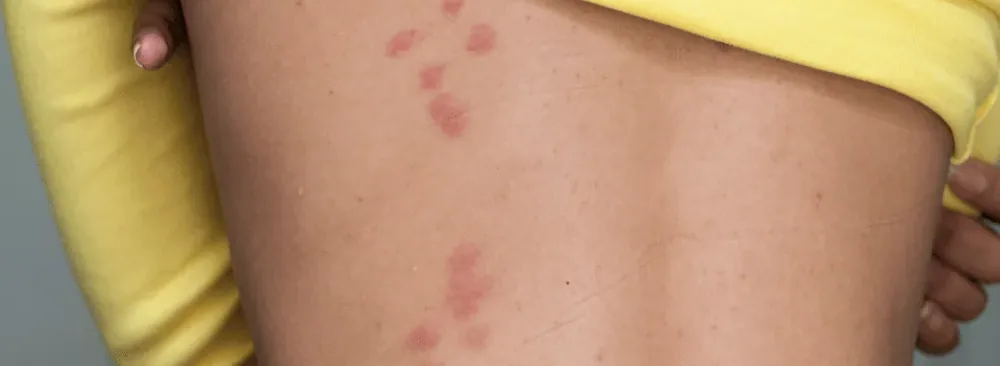
Bed bugs exclusively feed on human blood, usually at night. Bites often appear in lines or groups on skin exposed during sleep.
Signs of Infestation
Fleas
– Bites: Flea bites are small, red, and can appear in clusters or lines. They are often concentrated on the legs and feet.
– Pets: Excessive scratching and hair loss in pets can indicate a flea infestation.
– Observation: Fleas can be seen jumping on upholstered furniture, carpets, or pets.
Bed Bugs
– Bites: Bed bug bites can cause significant itching and are usually found on areas of skin exposed during sleep. See our article on bed bug bites for pictures.
– Traces: Signs of infestation include black or red spots on bedding, due to feces or dried blood.
– Direct Observation: Bed bugs are often found in mattress seams, bed frames, behind wallpapers, and in other hiding spots close to resting areas.
Conclusion
Correctly identifying between fleas and bed bugs is the first step towards a successful elimination. The differences in appearance, feeding habits, and signs of infestation between these two pests require specific treatment approaches. Once the infestation is accurately identified, appropriate control measures can be implemented to solve the problem effectively and safely.