IDENTIFYING TICK-LIKE INSECTS: A COMPREHENSIVE GUIDE
In the field of entomology, the task of distinguishing ticks from their many look-alikes is both important and difficult. As we approach 2025, the need to accurately identify these insects becomes increasingly important due to the health risks associated with ticks, such as Lyme disease and other tick-borne illnesses. Ticks, being small arachnids, are often confused with various insects of similar size and appearance, leading to misidentification and unwarranted concern.
The main objective of this report is to provide a detailed analysis of tick-like insects, highlighting their unique characteristics, behaviors and habitats. The most common tick-like insects are poplar weevils, marmorated stink bugs, clover mites and spiders. Although similar in appearance, these insects differ considerably in their ecological roles and potential threats to humans and domestic animals.
Understanding the differences between ticks and their impostors is essential for effective pest control and public health safety. This guide will look at the physical characteristics that distinguish ticks, such as their eight-legged structure, lack of antennae and parasitic nature. On the other hand, many tick-like species are harmless and play beneficial roles in the ecosystem, such as pollination and decomposition.
Identify tick-like species
Morphological characteristics
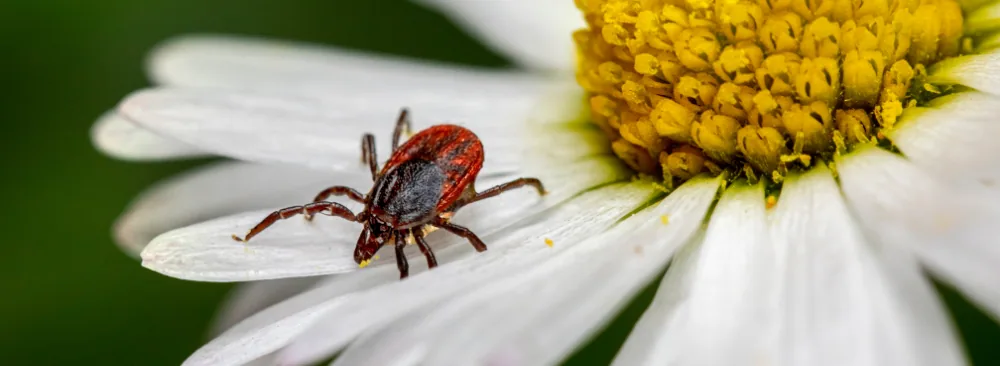
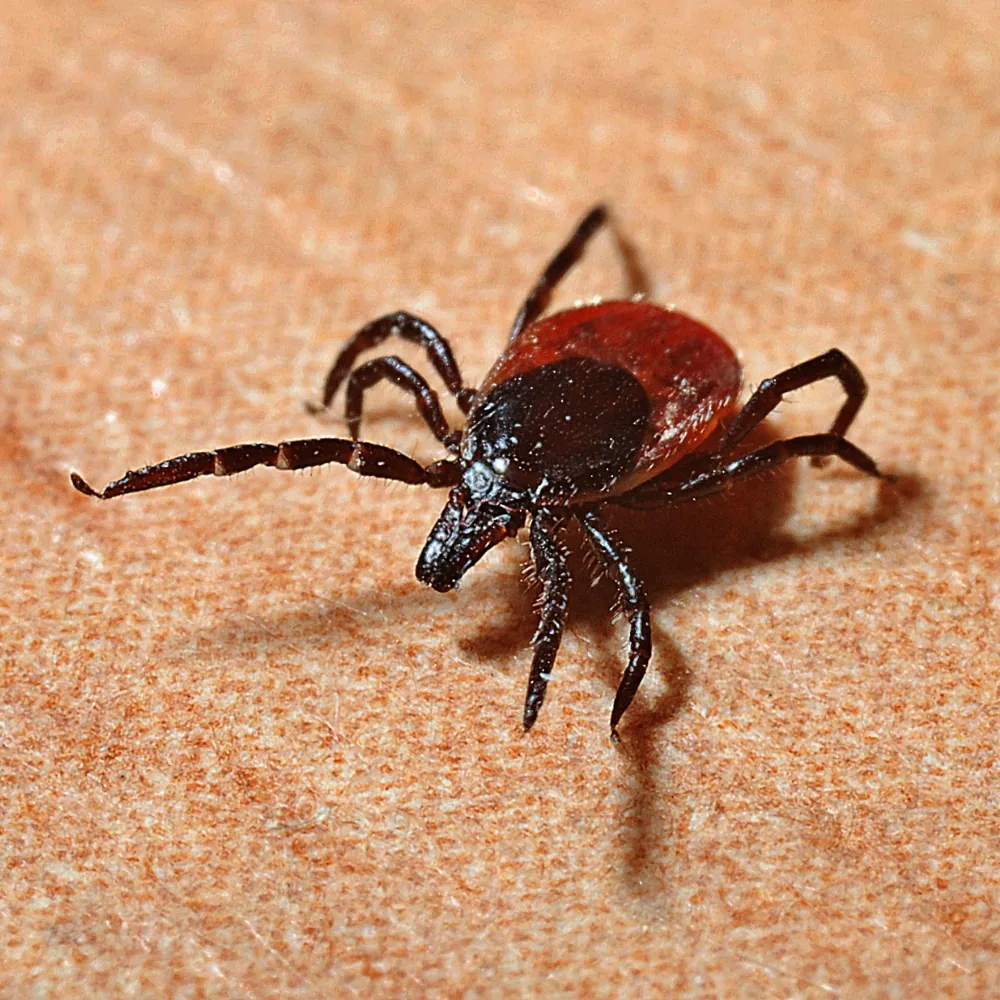
Ticks are small arachnids, not insects, and have distinct morphological characteristics that can help differentiate them from insects that resemble them. Ticks have an oval-shaped body and eight legs, a characteristic feature of arachnids. Insects, on the other hand, generally have six legs. A tick’s body is divided into two main parts: the cephalothorax and the abdomen. These arachnids have no wings or antennae, which is common to many insects.
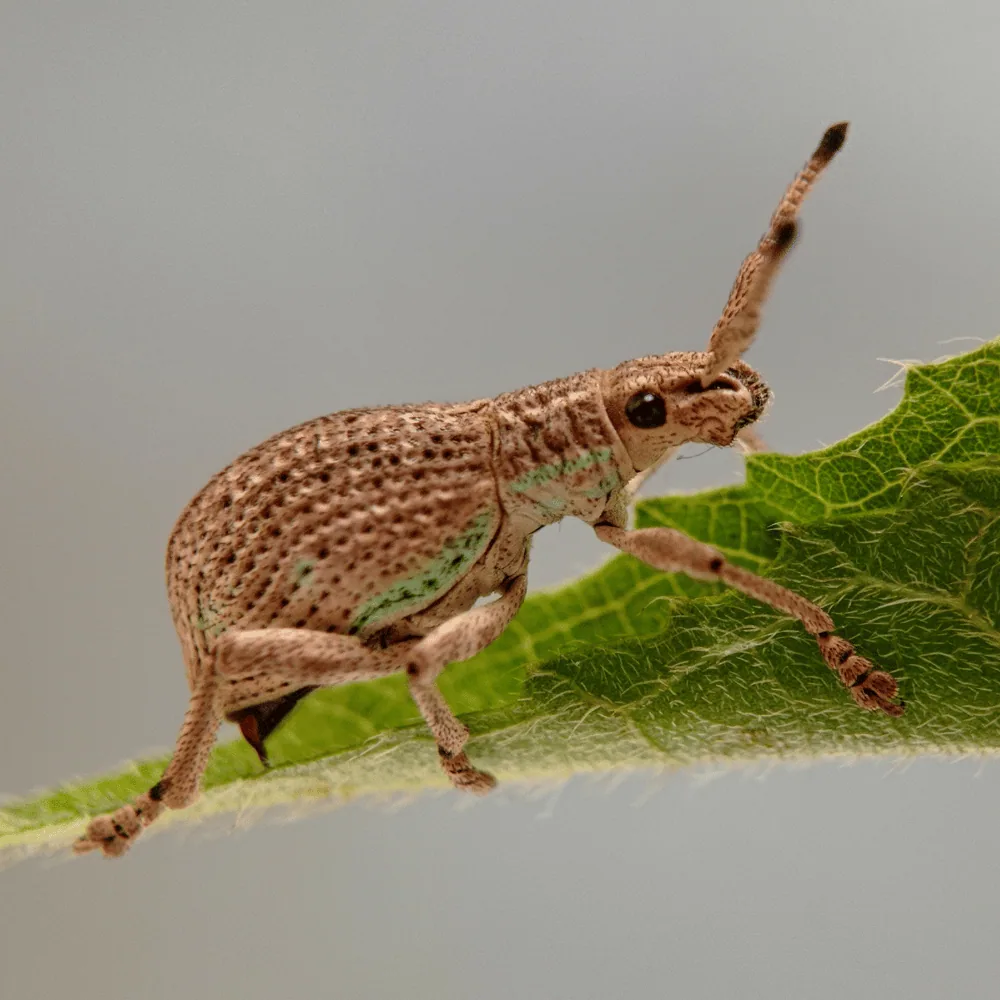
Insects often confused with ticks are weevils, small beetles with hard shells and pronounced snouts. Weevils, like the poplar weevil, have six legs and antennae, which distinguish them from ticks. Another common example is the clover mite, which is often confused with ticks due to its small size and reddish color. However, clover mites are true mites and have a more elongated body shape than ticks, which are more rounded.
Behavioral differences
Ticks are obligate hematophagous parasites, meaning they feed on the blood of their hosts, which include mammals, birds and sometimes reptiles. They are often found in wooded areas, tall grasses and shrubs, waiting for a host to pass by. Once they have latched onto a host, they can remain attached for several days, feeding on blood. This behavior is a key distinguishing factor from tick-like insects.
On the other hand, many insects mistaken for ticks have no parasitic behavior. For example, weevils are herbivores, feeding on plants rather than blood. They are often found in gardens and agricultural areas, where they can damage crops. Clover mites, although similar in appearance to ticks, feed on plant matter and are often found in large numbers on the outside walls of buildings, particularly in spring and autumn.
Habitat and distribution
Ticks are widespread in various regions, and different species are adapted to particular environments. In Canada, for example, the black-legged tick (Ixodes scapularis) is widespread in southern regions, particularly in densely vegetated areas. Ticks thrive in humid environments where they can easily find hosts. Their distribution is influenced by factors such as climate, vegetation and the presence of animal hosts.
Tick-like insects, such as weevils and clover mites, have different habitat preferences. Weevils are generally found in agricultural environments, where they can be harmful to crops. They are also found in stored foodstuffs, as some species are known to infest cereals. Clover mites prefer dry, sunny areas and are often found on the outside walls of buildings, particularly those with southern exposure. Unlike ticks, these insects are not dependent on a host for survival, which influences their choice of habitat.
Table: Comparison of ticks and their common look-alikes
| Functionality | Ticks | Weevils | Clover mites |
| Classification | Arachnids | Insects | Arachnids |
| Number of legs | 8 | 6 | 8 |
| Body shape | Oval | Elongated with snout | Lying down |
| Eating habits | Blood supply | Feeding plants | Feeding plants |
| Habitat | Wooded areas, tall grasses | Gardens, crops, stored food | Exterior walls, sunny areas |
| Antennas | Absent | Present | Absent |
Identification techniques
Accurate identification of ticks and their look-alikes is essential to understanding their potential impact on human health and agriculture. One effective method of distinguishing ticks from similar insects is to examine them closely under a microscope or magnifying glass. This allows detailed observation of the number of legs, body shape and presence of antennae, which are essential characteristics for identification.
Those without access to microscopic equipment can still make a visual identification by observing the behavior and habitat of the specimen. Ticks are often attached to hosts and move slowly, while insects such as weevils and clover mites are more active and can be found in different environments. In addition, consulting identification guides and resources, such as those provided by entomological societies or pest control organizations, can help in the accurate identification of these creatures.
Characteristics of common tick-like species
Physical characteristics and distinctive features
The weevil is a small beetle with a pronounced snout and six legs, often confused with ticks due to its size and coloring. Poplar weevils have a hard carapace and antennae, which are absent in ticks.
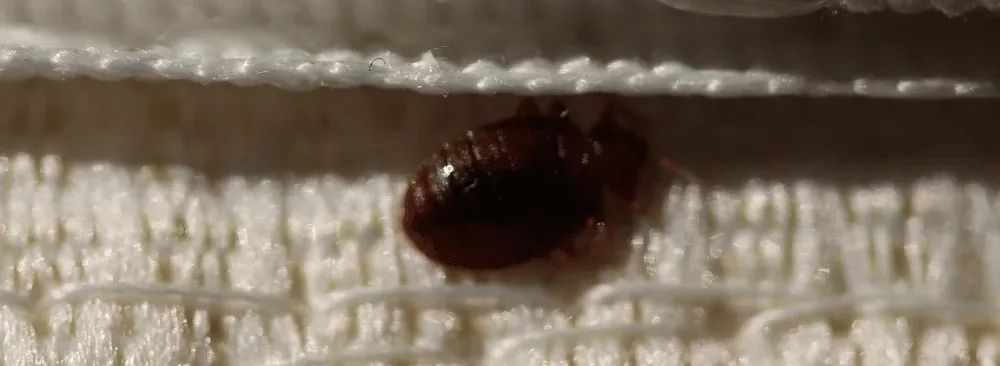
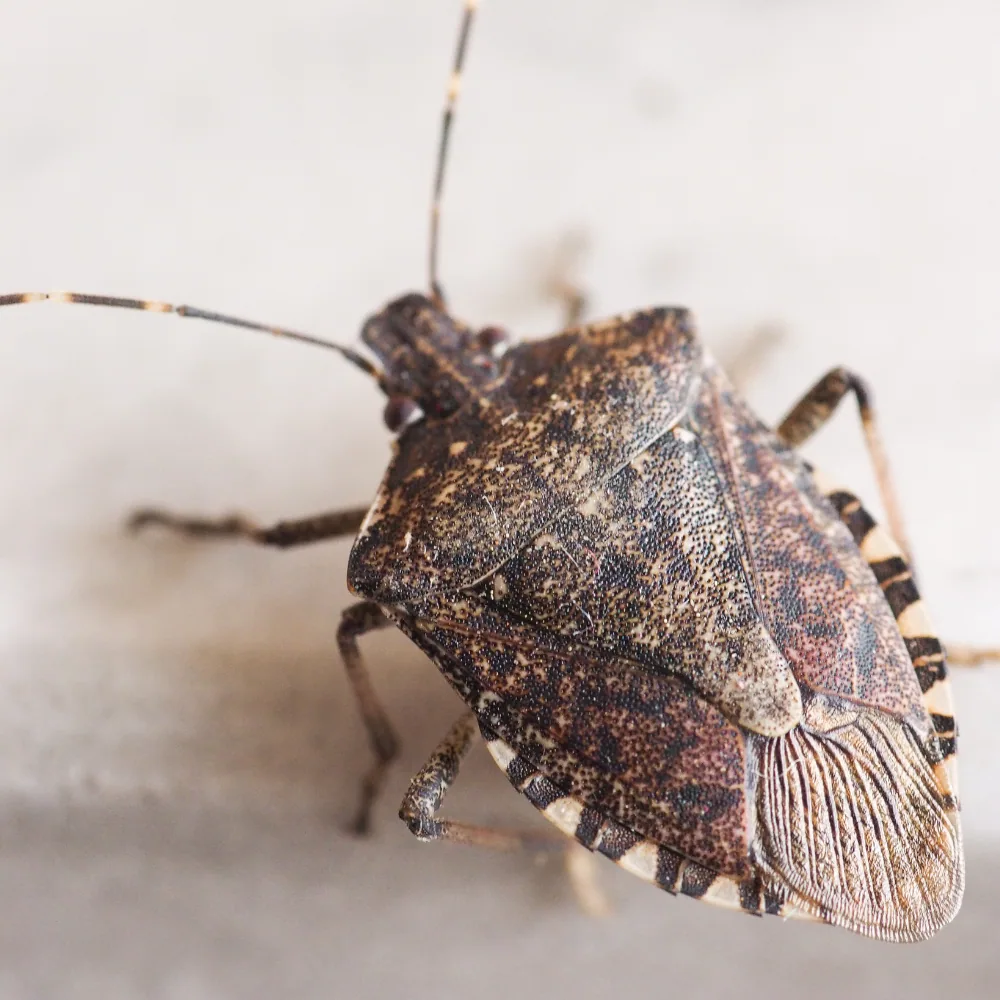
The marble bug is another common species, with a shield-shaped body and six legs. These insects are often confused with ticks due to their similar size and shape, but they have distinct antennae with white stripes, which ticks do not have. In addition, bedbugs have a more angular body shape than the rounded body of ticks.
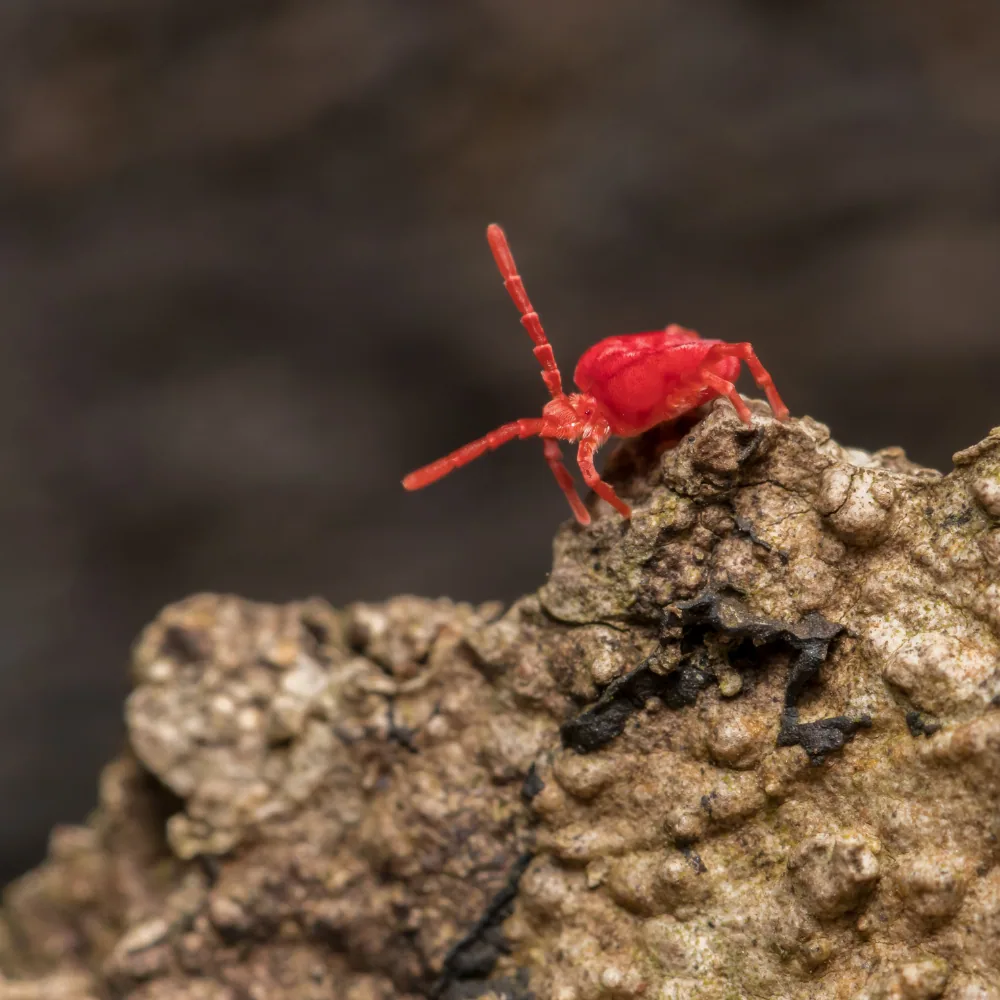
Clover mites are another example of tick-like species, often confused with them due to their small size and reddish color. However, clover mites are true mites with a more elongated body shape and are generally smaller than ticks. They also have a pair of long front legs that resemble antennae, which can confuse observers.
Patterns of behavior and eating habits
Weevils are herbivorous insects that feed on plant matter, particularly leaves. They are often found in gardens and wooded areas, where they can damage plants. Unlike ticks, weevils do not attach themselves to hosts, nor do they feed on blood.
The marmorated stink bug is another tick-like species, but with its own particular feeding habits. These insects are known to feed on a wide variety of fruits and vegetables, causing significant agricultural damage. They are not parasitic and do not feed on blood, which distinguishes them from ticks.
Clover mites are also herbivores, feeding on plant matter such as clover and grass. They are often found on the outside walls of buildings, particularly in spring and autumn. Unlike ticks, clover mites don’t need a host to survive and don’t feed on blood.
Environmental preferences and distribution
Poplar weevils are generally found in gardens and wooded areas, where they feed on plants. They prefer environments with abundant vegetation and are often found in areas with a high density of host plants.
The marmorated stink bug an invasive species that has spread throughout North America. It is often found in agricultural areas, where it feeds on crops. It is also known to invade homes during the colder months, seeking shelter from the cold.
Clover mites prefer dry, sunny areas and are often found on the outside walls of buildings. They are particularly common in south-facing areas, where they can bask in the sun. Unlike ticks, clover mites are not dependent on a host for survival, which influences their choice of habitat.
Implications for pest control
Understanding the characteristics of tick-like species is important for effective pest control. While ticks present significant health risks due to their ability to transmit disease, many tick-like species do not pose the same threats. However, they can still be a nuisance, causing damage to plants and property.
Poplar weevils can cause significant damage to plants, particularly in gardens and agricultural areas. Effective control strategies include monitoring plant health and using insecticides where necessary.
The marmorated stink bug is a major agricultural pest that can cause considerable damage to crops. Control strategies include the use of traps and barriers to prevent them from entering homes, and the use of insecticides to control their populations.
Clover mites can be a nuisance when they invade homes in large numbers. Strategies for controlling clover mites include sealing cracks and crevices to prevent entry, and using insecticides to control their populations.
By understanding the characteristics and behaviors of common tick-like species, individuals can implement appropriate pest management strategies to effectively control these pests.
Ecological impact and disease transmission
Ticks are important vectors of various diseases, including Lyme disease, transmitted by the blacklegged tick. This disease can have serious health consequences for humans and animals, making accurate tick identification crucial to public health. Ticks can also transmit other diseases such as anaplasmosis and babesiosis, further underlining their role as important disease vectors.
On the other hand, tick-like insects such as weevils and clover mites do not present the same health risks. While weevils can be agricultural pests, they do not transmit diseases to humans. Clover mites, while a nuisance when they invade homes in large numbers, are harmless to humans and pets. Understanding the ecological impact and disease transmission potential of ticks via versus their look-alikes is essential to implementing appropriate control measures and reducing the risk of disease transmission.
Health risks and management of tick-like species
Potential health risks associated with tick-like species
Although ticks are known for their role in transmitting diseases such as Lyme disease, their look-alikes don’t generally present the same health risks. However, understanding the potential health implications of these look-alikes is important for effective management and prevention strategies. Many tick-like insects are harmless to humans, but some can cause allergic reactions or act as vectors for other pests.
For example, the marmorated stink bug is often mistaken for a tick due to its similar size and shape. Although they do not transmit disease to humans, their presence can cause agricultural damage, which indirectly affects human health through economic repercussions and potential food shortages. What’s more, the smell these insects give off when crushed can cause mild allergic reactions in sensitive individuals.
Clover mites, another common tick look-alike, are harmless to humans and pets. However, they can become a nuisance when they invade homes in large numbers, potentially causing skin irritation on contact. Although they don’t transmit disease, their presence can cause psychological distress, particularly in people with entomophobia.
Management strategies for tick-like species
Effective management of tick-like species involves understanding their behavior and habitat preferences. Unlike ticks, which often live in moist environments and are attached to hosts, many tick-like species have different environmental preferences and behaviors. For example, weevils are generally found in gardens and wooded areas, where they feed on plant matter. Management strategies for these insects focus on monitoring plant health and using targeted insecticides where necessary to avoid significant plant damage.
Control strategies include the use of physical barriers such as screens and caulking to prevent entry into dwellings. In agricultural environments, pheromone traps can be used to monitor and control their populations. In addition, natural predators such as birds and certain parasitic wasps can help to reduce bedbug numbers in a sustainable way.
Clover mites can be controlled by sealing cracks and crevices around windows and doors to prevent them from entering the home. Vacuuming can help remove mites that have already entered the home, and insecticide sprays can be used in the event of a severe infestation. However, it’s important to use these chemicals judiciously to avoid harming non-target organisms and the environment.
Table: Comparison of health risks and management strategies
| Tick look-alike | Health risks | Management strategies |
| Brown marmorated stink bug | Mild allergic reactions, agricultural impact | Use of physical barriers, pheromone traps and natural predators |
| Clover mite | Skin irritation, psychological distress | Seal entry points, vacuum and use insecticide sprays judiciously |
| Poplar weevil | Plant damage, economic impact | Plant health monitoring, targeted insecticides and promotion of natural predators |
Conclusion
Research into the identification of insects tick-like highlights important morphological, behavioral and ecological differences between ticks and their common look-alikes, such as weevils, clover mites and marmorated stink bugs. As arachnids, ticks are characterized by their eight legs and bloodthirsty behavior, which distinguishes them from insects, which generally have six legs and feed on plant matter. The study highlights the importance of accurate identification to avoid unnecessary alarm and implement appropriate pest management strategies. Although ticks present considerable health risks due to their role as vectors of diseases such as Lyme disease, their look-alikes do not generally transmit diseases to humans, although they can cause agricultural damage or become household pests.
The results highlight the need to raise awareness and educate the public about the distinction between ticks and their look-alikes in order to reduce health risks and effectively manage pest populations. Future research could focus on developing more advanced identification tools and public education programs to improve understanding and management of these pests.
FAQ
What are the main differences between ticks and their look-alikes? Ticks are eight-legged arachnids, with a two-part body and hematophagous behavior, whereas their look-alikes, such as weevils and clover mites, are generally six-legged insects and feed on plants. Ticks have no antennae or wings, which are often present in insect look-alikes.
Why is it important to distinguish between ticks and similar insects? Accurate identification is essential, as ticks can transmit serious diseases such as Lyme disease, representing a major health risk. On the other hand, similar species generally do not transmit diseases to humans, although they can cause agricultural damage or become household nuisances.
How can I identify ticks and their look-alikes without a microscope? Observing the number of legs, body shape and presence of antennae can help distinguish ticks from their look-alikes. Ticks are often found attached to hosts and moving slowly, while look-alikes such as weevils and clover mites are more active and found in different environments.
Do tick-like species present health risks? Although tick-like species don’t generally transmit disease, they can cause other problems. For example, marmorated stink bugs can cause agricultural damage, and clover mites can cause skin irritation or psychological distress when they invade homes in large numbers.
How can public awareness contribute to the management of tick-like species? Public awareness campaigns can teach individuals to identify and report tick-like species, strengthen surveillance efforts and implement targeted management strategies. By improving public knowledge, communities can proactively manage these pests and reduce their impact on human health and agriculture.
For more information on pest management strategies, visit Exterminatek .