HOW TO MANAGE A SQUIRREL NEST AT HOME
Imagine yourself comfortably settled at home on a sunday morning, when an unusual noise in the attic catches your attention. Upon closer inspection, you discover that a group of squirrels has made your house their new home. This situation is more common than you might think and can cause various problems if not handled properly. In this article, we will explain how to identify the presence of a squirrel nest, the safe steps to remove it, and practical tips to protect your home from future intrusions.
Identification of squirrel nests
Signs of a squirrel nest:
- Unusual noises: Squirrels are active during the day, especially early in the morning and late in the afternoon. If you hear scratching or movement in the attic or walls, it is possible that they are caused by squirrels.
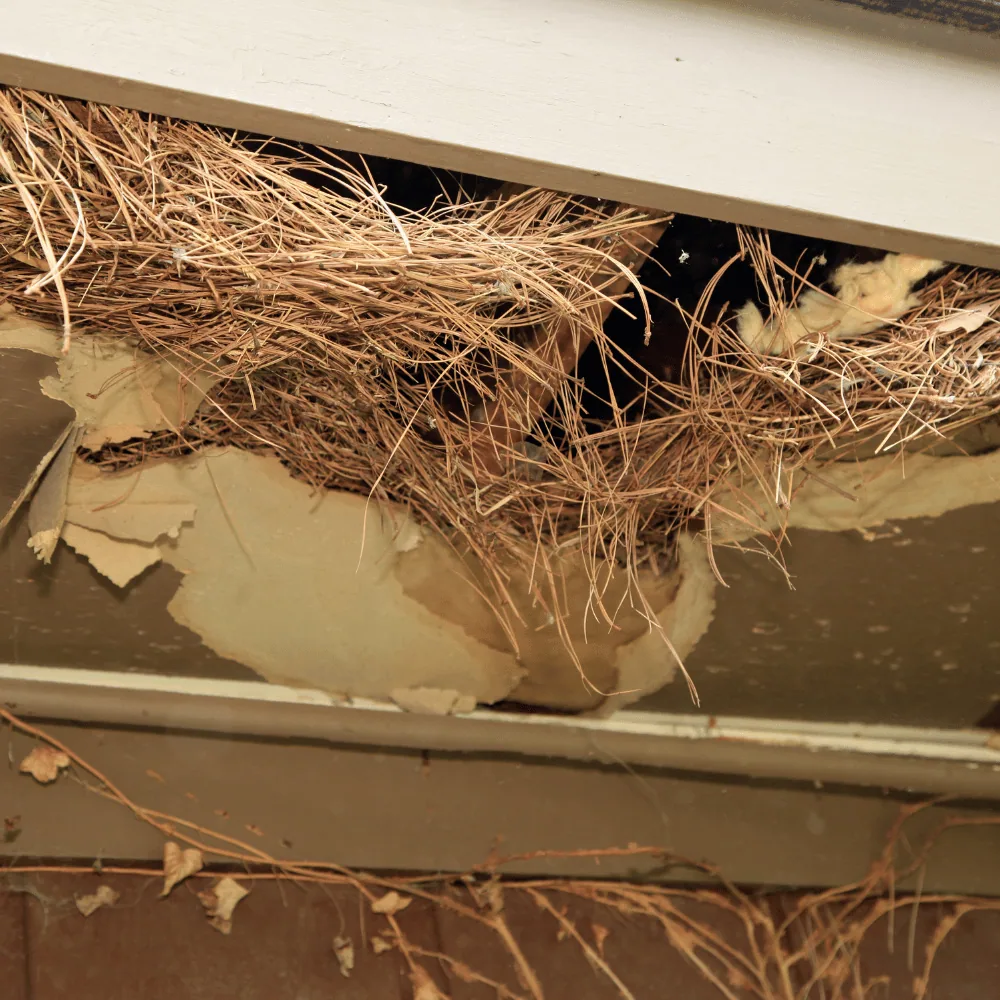
- Nesting materials: Squirrels use leaves, branches, paper, and other materials they can find to build their nests. The presence of these materials in or around your home may indicate a squirrel nest.
- Direct observation: Seeing squirrels entering and exiting certain parts of your home, such as attics, chimneys, or vents, is a clear sign of nesting.
Prime nesting periods:
Squirrels are more likely to build their nests in early spring and late summer when females prepare a safe place for their young.
Types of squirrels in quebec
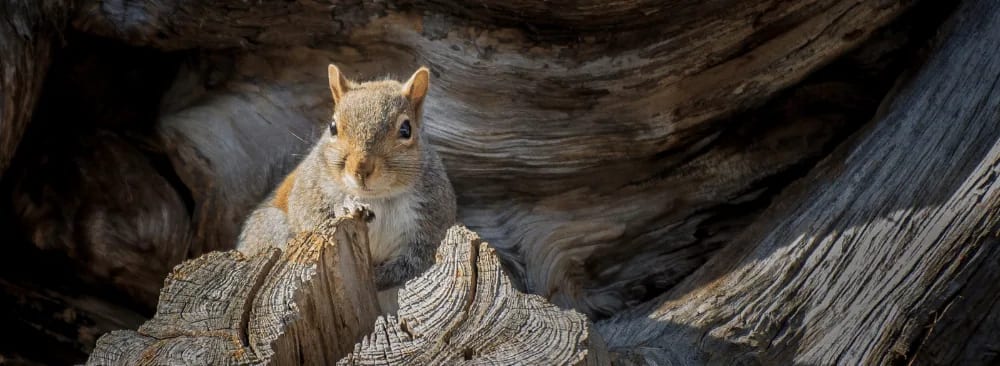
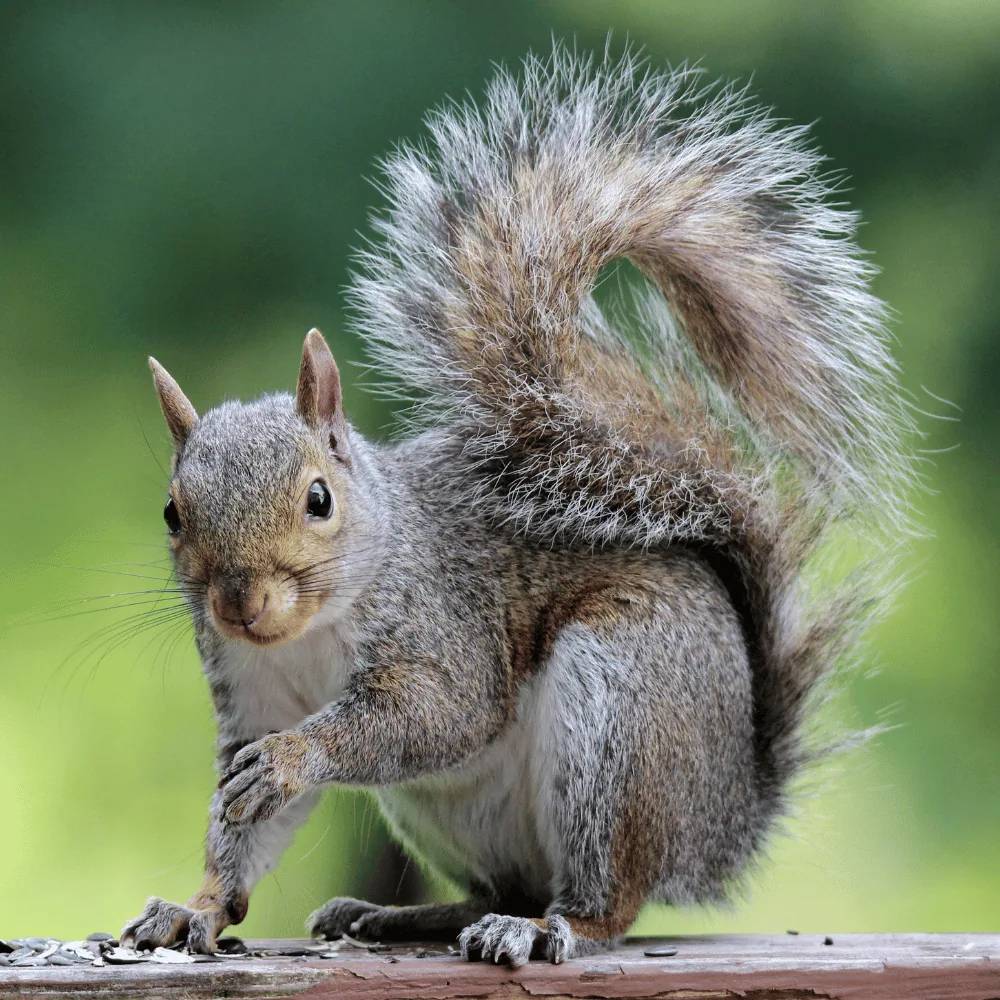
– Gray squirrel: The gray squirrel is the most common species and is easily recognizable by its gray fur and large bushy tail.
– Red squirrel: Smaller than the gray squirrel, the red squirrel is agile and often found in forests as well as urban areas.

Risks associated with squirrel nests
Material damage:
- Degradation of insulation and structures: Squirrels can tear the insulation of your home to build their nests, leading to energy loss and repair costs.
- Fire risk: Squirrels tend to chew on electrical wires, which can cause short circuits and fire hazards.
Health problems:
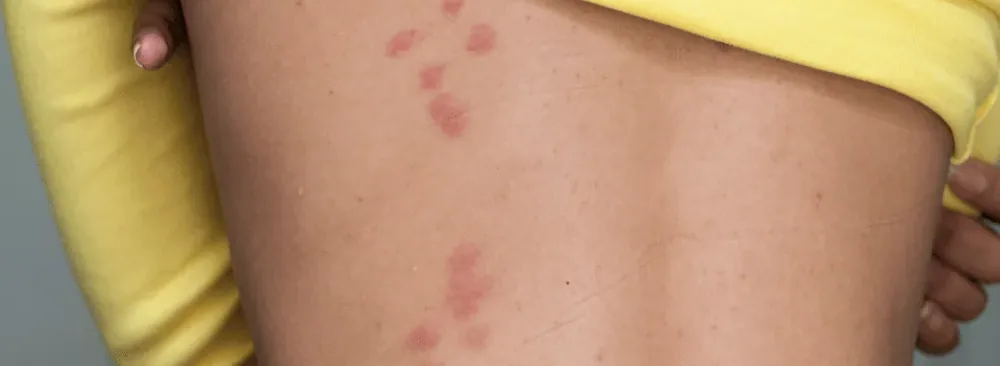
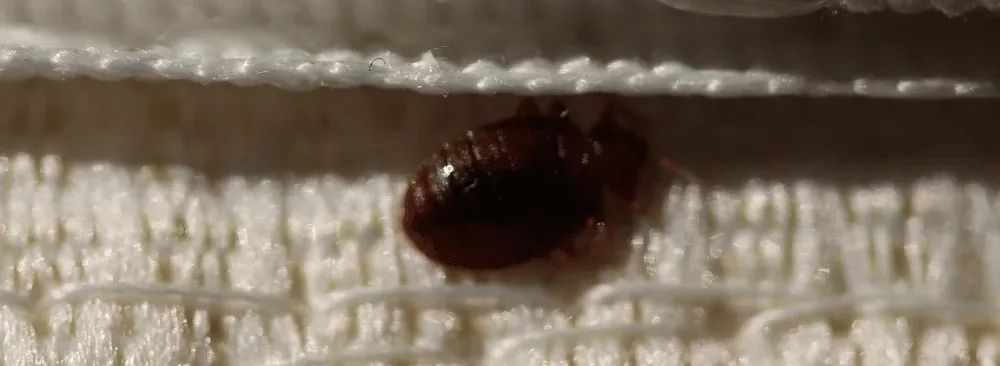
Squirrels can introduce parasites such as fleas and ticks into your home, which can carry diseases. If you want to learn more about what ticks are and how to get rid of them, please consult this article.
Steps to safely remove a squirrel nest
Situation assessment:
- Visual and uditory inspection: Use a flashlight to inspect suspicious areas of your home, and listen for noises to precisely locate the nest.
- Consultation with a professional: If you have doubts or if the situation seems complex, it is recommended to call a pest management professional.
Safe procedures to remove a nest:
- Personal protective equipment: Wear gloves, a mask, and protective goggles to avoid injuries and infections.
- Gentle methods: Use non-invasive techniques to encourage the squirrels to leave the nest, such as the exclusion technique, installing one-way devices that allow squirrels to exit but not return.
- After removal: Clean and disinfect the area to eliminate odors and traces that might attract other animals. Repair any damage caused by the squirrels to prevent future intrusions.
Preventing squirrel returns
Securing the house:
- Sealing entry points: Identify and seal all potential openings around your home, including chimneys, vents, and holes in the walls.
- Installing physical barriers: Use mesh to cover vents and chimneys to prevent squirrels from entering.
- Exclusion technique: To learn more about this effective and humane method, check out our article on animal exclusion.
Regular maintenance:
Conduct periodic inspections to detect and quickly repair vulnerable points. Keep tree branches away from your home, as they can serve as bridges for squirrels.
Conclusion
It is essential to quickly identify the presence of a squirrel nest to avoid material damage and health problems. You can remove the nest appropriately while taking preventive measures to prevent their return. If you suspect the presence of a squirrel nest in your home, it may be helpful to consult professionals for a safe evaluation and removal. For more tips and information, you can check our other articles and resources available on our website.