RAT INFESTATIONS IN MONTREAL: THE IMPORTANCE OF REGULAR INSPECTIONS
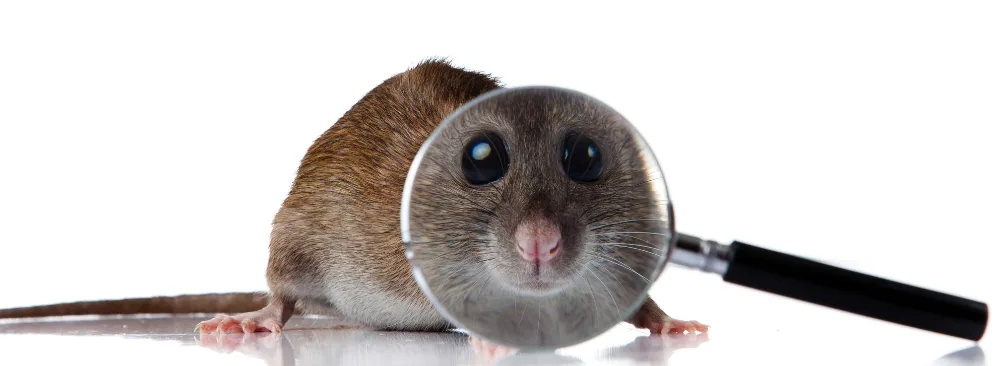
In Montreal, rat infestations are becoming an increasingly common problem, especially in urban areas. With their ability to sneak into even the smallest spaces, these rodents can cause significant damage to your home or business while posing public health risks. Effective prevention is key to tackling these pests, and regular inspections are at the heart of this strategy.
This article explores why regular inspections are essential, how they help prevent infestations, and what you can do to protect your space from these invaders.
Why are rats a problem in Montreal?
Montreal is a dense city with an extensive sewer network, high human activity, and extreme temperatures that often force rats to seek refuge in buildings. Here are some reasons why rat infestations are so frequent:
- Food availability: Poorly managed food waste is a major attraction for rats.
- Urban infrastructure: Sewers, tunnels, and old buildings provide ideal hiding and breeding spaces for rats.
- Climate changes: Cold winters and hot summers drive rats to seek shelter in homes, businesses, and warehouses.
Rat infestations are not just unpleasant; they can cause costly property damage and transmit serious diseases such as leptospirosis, salmonellosis, or hantavirus. Don’t worry, though—several types of traps are designed to control rats.
The importance of regular inspections
Rats are particularly prolific pests, capable of producing multiple litters per year. This rapid reproduction can quickly turn a minor problem into a major infestation if no action is taken. Regular inspections are a proactive measure essential to identifying and managing risks before an infestation occurs. Here’s why they’re important:
1. Early detection of problems
Rats are often discreet, hiding in hard-to-reach places like walls, attics, or basements. Regular inspections allow you to detect the early signs of their presence, such as:
- Droppings: Often visible near food sources or along pathways.
- Gnaw marks: On electrical wires, furniture, or food packaging.
- Nests: Usually made from soft materials such as paper, fabric, or insulation.
Detecting these signs early enables swift action before the colony becomes uncontrollable.
2. Preventing property damage
Rats have powerful teeth that allow them to gnaw through almost anything, including electrical cables, potentially causing fires. They can also damage wooden structures, walls, and plumbing systems. Inspections help identify and repair these damages before they worsen.
3. Reducing health risks
Rats carry numerous diseases that can be transmitted to humans and pets. Quickly identifying their presence reduces the risk of contamination from their droppings, urine, or saliva.
4. Proactively managing entry points
Inspections help identify cracks, holes, or openings that rats use to enter your building. Once these entry points are identified, they can be sealed to keep pests out.

What does a professional inspection include?
A thorough inspection should cover several aspects to ensure optimal protection. Here are the key steps:
1. Assessing entry pointsInspectors check for cracks in walls, foundations, windows, and doors. Even a hole the size of a dime can be enough for a rat to get in.
2. Examining high-risk areasBasements, attics, crawl spaces, and kitchens are inspected for signs of presence, such as droppings, nests, or unusual odors.
3. Managing wasteThe inspector evaluates how waste is stored and offers recommendations to prevent attracting rats.
4. Identifying attractantsAreas where food is stored or handled are examined, with tips provided to minimize attractants.
5. Preventive recommendationsThe inspector provides a detailed report with recommendations for sealing entry points, eliminating attractants, and planning any necessary interventions.
When should you schedule an inspection?
For optimal effectiveness, it is recommended to schedule inspections:
- Annually: Even without visible signs, an annual inspection ensures your space is protected.
- After renovations: Construction or renovation work can create new entry points for rats.
- If neighbors report infestations: If your neighbors report problems, it’s wise to check your own property.
- Before winter: Rats often seek shelter indoors as temperatures drop.
- When there are drainage issues: Rats are often attracted to damaged drainage systems, which offer direct access to your home or business.
Conclusion
Rats are tenacious pests, but with regular inspections, you can keep your home or business safe from their damage. These inspections allow for early detection, prevention of property damage, and reduced health risks, giving you peace of mind.
In Montreal, where rat infestations are common, adopting a proactive approach is essential. If you haven’t yet scheduled an inspection, now is the perfect time to act. Reach out to professionals to protect your space and avoid the hassles associated with these invaders. For choosing a pest control company, choose a certified and experienced team.