Are Rats Damaging Your Drains Without You Knowing It? Understanding Hidden Risks and Prevention Strategies
Rats are among the most adaptable and elusive pests in urban environments, and one of their most insidious entry points into homes is through the drainage system. While many homeowners focus on visible signs of infestation, rats often exploit hidden vulnerabilities underground—gnawing through pipes, nesting in sewer lines, and using these networks as highways into buildings. This covert activity can lead to serious consequences, including structural damage, water contamination, foul odors, and the spread of diseases such as leptospirosis and salmonellosis.
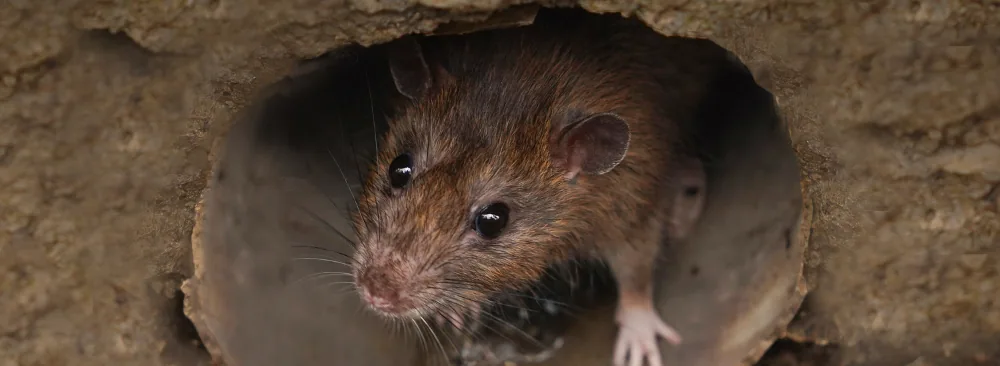
The problem is more common than many realize. Rats can squeeze through openings as small as half an inch and are capable of navigating complex plumbing systems. Once inside, they can chew through PVC, cast iron, and even concrete pipes, creating entry points into kitchens, bathrooms, and basements. These infestations often go unnoticed until secondary symptoms—like slow drains, gurgling sounds, or foul smells—begin to surface.
Compounding the issue is the fact that sewer systems provide an ideal habitat for rats: they offer warmth, moisture, and access to food waste. Without regular inspection and maintenance, these systems can become breeding grounds for rodent colonies. Moreover, as urban rat populations continue to rise, the risk of drain-based infestations increases, especially in densely populated areas.
This report explores the hidden dangers of rats in drainage systems, how to identify early warning signs, and the most effective prevention and control strategies. Whether you’re a homeowner, property manager, or municipal planner, understanding the risks and taking proactive measures can help safeguard your property and health from these persistent pests.
Understanding the Risks of Rats in Sewer Systems
The Hidden Highways Beneath Our Feet
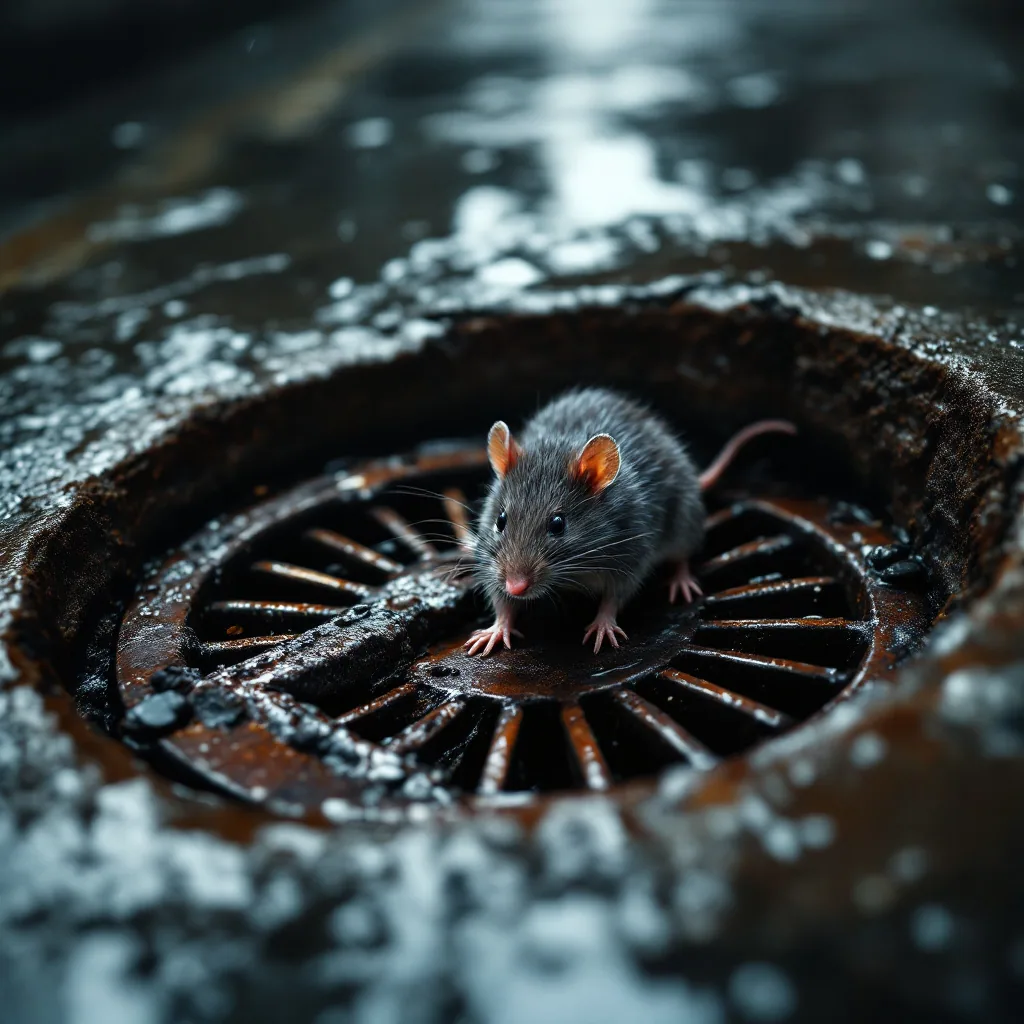
Beneath the sidewalks and streets of our cities lies a parallel world—dark, damp, and humming with microbial life. It’s a place we rarely think about unless something goes wrong: a backed-up toilet, a foul odour wafting up from a storm drain, or the unmistakable scratching of claws behind a basement wall. But for rats—especially the Norway rat, Rattus norvegicus—these underground corridors are not just shelter. They are home, highway, and hunting ground.
Sewer systems offer rats everything they need to thrive: warmth, moisture, and a buffet of organic waste. Their presence there is not new. What is newer, and more unsettling, is the growing body of evidence suggesting that rats are not just passive inhabitants of these systems—they are active agents of damage. And that damage often begins in places we can’t see.
The architecture of a sewer system is not designed with rodents in mind. But rats are opportunists. They exploit small cracks in clay or PVC pipes, chew through aging cast iron, and squeeze through joints that have shifted with time. Once inside, they don’t just travel. They gnaw. Constantly. Their teeth, which grow continuously, must be worn down. Pipes, insulation, and even concrete become chew toys. In some cases, rats have been known to chew through lead and aluminium. The damage is slow, silent, and cumulative.
This isn’t just a matter of inconvenience or repair bills. Damaged sewer lines can leak wastewater into the soil, undermining foundations and contaminating groundwater. In rare but documented cases, rats have even chewed their way into the interiors of homes through broken drain lines, emerging unexpectedly in toilets or under sinks. The line between outside and inside becomes porous.
And then there’s the biological risk. Rats are not just mechanical threats. They are biological vectors, carrying with them a microbial entourage that includes bacteria, viruses, and parasites. When they breach a sewer line, they don’t just bring their teeth—they bring their pathogens.
Rats as Disease Reservoirs in Urban Plumbing
The rat’s body is a vessel of biological complexity. It carries organisms that have evolved alongside it for centuries—some benign, others dangerous. In the confined, moist environment of a sewer, these microbes find ideal conditions to persist and spread. And when rats damage or infiltrate drain systems, they create new pathways for these pathogens to reach human environments.
Take leptospirosis, a bacterial disease transmitted through rat urine. In urban settings, it’s often associated with floodwaters or contaminated soil. But it can also spread through cracked sewer lines. If a rat urinates into a breached pipe, and that pipe leaks into the soil around a home’s foundation, the bacteria can migrate—slowly, invisibly—into basements or crawl spaces. People may never see a rat, but they may still become infected.
Other pathogens follow similar routes. Hantaviruses, which are shed in rat droppings and urine, can become aerosolized when disturbed. If a rat has nested in a dry section of a sewer line or drainpipe and dies there, the decomposition process can release particles into the air. Ventilation systems, especially in older buildings with shared ductwork, can carry these particles into living spaces.
And then there’s SARS-CoV-2. In 2021, researchers in New York City trapped 79 Norway rats from the city’s sewer system and found that some had been exposed to the virus. While the implications of this are still being studied, it raises uncomfortable questions. Can rats act as reservoirs for human viruses? Could they reintroduce pathogens into human populations after outbreaks have subsided? The answers are not yet clear, but the potential is there.
This microbial risk is compounded by the rat’s mobility. A single rat can travel hundreds of metres in a night, moving between sewer lines, storm drains, and surface-level food sources. In doing so, it connects microbiomes—those of the sewer, the street, and the home. It becomes a bridge between biological worlds that were never meant to meet.
Structural Damage and the Slow Erosion of Infrastructure
When we think of infrastructure failure, we often imagine dramatic events: a sinkhole swallowing a car, a water main bursting in a geyser. But much of the real damage is quieter. It happens over years, not minutes. And rats are part of that story.
Sewer lines, especially those built before the 1980s, were often constructed from vitrified clay or cast iron. Both materials are vulnerable in different ways. Clay can crack under pressure or shift with soil movement. Iron corrodes. Rats exploit these weaknesses. They widen cracks with their teeth, burrow through joints, and nest in voids left by soil erosion. Over time, a small breach becomes a large one. Wastewater begins to leak. Soil becomes saturated. Foundations shift.
In some cases, rats contribute directly to sinkhole formation. When they burrow around leaking pipes, they displace soil. When water follows, it carries that soil away. The result is a hollowing out of the ground beneath roads or buildings. Eventually, the surface collapses.
This kind of damage is often misattributed. A plumber might diagnose a “collapsed pipe” without asking why it collapsed. A contractor might repair a foundation without realizing that the soil instability was caused by rodent activity. The rat remains unseen, its role unacknowledged.
And yet, the signs are there for those who know how to look. A sudden drop in water pressure. Gurgling drains. Unexplained dampness in a basement wall. These are not just plumbing issues. They may be symptoms of a biological presence within the system.
In some cities, smart sensors are being installed in sewer lines to detect rat activity. These devices pick up movement, heat, and even the sounds of gnawing. They are part of a new wave of urban pest surveillance—one that treats rats not just as nuisances, but as agents of infrastructure risk. As Dr. Bobby Corrigan, a rodentologist who advises major cities, puts it: “If you want to understand the health of a city, look at its rats. They’re telling you something.”
The Intersections of Public Health, Urban Design, and Pest Control
The presence of rats in sewer systems is not just a plumbing issue. It’s a public health issue, an urban planning issue, and a question of equity. Rats do not distribute themselves evenly across a city. They concentrate in areas where infrastructure is aging, waste management is inconsistent, and housing is overcrowded. These are often the same areas where residents have the least access to pest control services or legal recourse.
In cities like Chicago and New York, rat complaints are highest in low-income neighbourhoods. This is not because people there are less clean. It’s because the systems that surround them—sewers, garbage collection, housing maintenance—are more likely to fail. And when they do, rats move in.
The mental health toll of this is real. A 2024 study found that frequent rat sightings were associated with increased depressive symptoms, especially among renters and women. The presence of rats—especially when they emerge from toilets or drains—can make a home feel unsafe in a deeply personal way. It erodes the boundary between public and private, between outside and in.
Solutions exist, but they require coordination. Integrated pest management (IPM) strategies emphasize prevention over reaction: sealing entry points, improving waste storage, maintaining sewer infrastructure. But these strategies only work when they are applied systemically. A single homeowner can seal their drains, but if the sewer line under the street is compromised, rats will find another way.
Professional intervention is often necessary. Specialists trained in rodent behaviour can identify vulnerabilities that others miss. They know that a rat doesn’t need a hole—it needs a gap the width of a thumb. They understand how rats use scent trails to navigate, how they test new food sources, how they avoid traps. If you suspect your sewer system may be compromised, consulting a rat exterminator with experience in subterranean infestations is not paranoia—it’s prudence.
But even the best exterminator cannot fix a broken pipe. That requires plumbers, engineers, and city officials. It requires investment in infrastructure, especially in the hidden parts of the city that most people never see. It requires us to think of rats not just as pests, but as indicators—of decay, of neglect, of systems under strain.
And perhaps, in that way, they are offering us a kind of service. Not one we asked for, but one we ignore at our peril.
Identifying Signs of Rat Infestation in Drains
Rats are not just creatures of alleyways and attics. They are anatomists of infrastructure, slipping through the unseen and often unconsidered arteries of our homes: the drains. These rodents are not merely intruders; they are opportunists, exploiting the smallest structural lapse to transform a pipe into a passageway. And because they move in silence and shadows, their presence often goes unnoticed—until it doesn’t.
To understand whether rats are damaging your drains without you knowing it, you must learn to read the signs they leave behind. These signs are rarely dramatic. They are quiet, cumulative, and often mistaken for something else. But once you know what to look for, the story begins to unfold.
The Sounds Beneath: Listening for Clues
The first sign is often not seen but heard. A faint rustling beneath the floorboards. A soft scurry behind the kitchen wall. These sounds are easy to dismiss—pipes settling, the wind, the house breathing. But rats are nocturnal, and their activity peaks when the rest of the home is still. If you find yourself pausing at night, ears tilted toward a vent or drain, wondering if you imagined that movement, you might not have.
Rats navigating through drainage systems produce a distinct kind of sound: rhythmic, purposeful, and often repetitive. It’s the sound of claws on PVC or cast iron, of bodies brushing against pipe walls. In older homes, where clay or concrete drains are common, the acoustics can amplify these noises, making them seem closer than they are. Some homeowners describe it as a scratching that seems to echo from the base of the toilet or the back of the sink cabinet.
These sounds are not constant. Rats are cautious. They pause often. They retreat. But the repetition over days or weeks—especially in the same location—should not be ignored. It’s a kind of whisper from the infrastructure, telling you something is moving where it shouldn’t be.
Visual Traces: Marks, Droppings, and the Geometry of Entry
If sound is the first clue, sight is the second. But again, the signs are subtle. Rats are creatures of habit. They follow the same paths, over and over, until their bodies leave behind a kind of signature. In drain-related infestations, this often appears as greasy smudges or rub marks around pipe openings, especially where pipes enter walls or floors.
These marks are not dramatic. They might look like a faint shadow or a patch of dust that never quite wipes clean. But they are made by the oils in a rat’s fur, deposited as it squeezes through tight spaces. Over time, these marks darken. They become a kind of map, showing where the rat has been and where it prefers to go.
Droppings are another sign, though they are rarely found inside the drain itself. Instead, look near floor drains, under sinks, or around utility rooms where pipes are exposed. Rat droppings are capsule-shaped, about the size of a raisin, and often found in clusters. If fresh, they are dark and moist; older ones turn grey and brittle.
In some cases, you may find gnaw marks on plastic pipe fittings or wooden cabinetry near plumbing. Rats must gnaw constantly to keep their teeth from overgrowing, and they are not picky about materials. A chewed pipe insulation wrap or a frayed edge on a plastic drain cover may be more than a cosmetic issue—it may be a sign that your drainage system is being explored from the inside out.
For those unsure whether they’re dealing with rats or mice, this guide on how to identify rats versus mice offers a practical breakdown of the differences in droppings, behaviour, and entry points.
The Smell of Presence: Odours That Linger
There is a particular scent that clings to a rat-infested space. It is musky, sour, and slightly ammonia-like. In the context of drains, this odour often wafts up from floor drains, utility sinks, or even the base of toilets. It’s not the typical sewer smell—though that too can be a sign of broken or compromised drain lines—but something more organic. More alive.
This smell is produced by a combination of rat urine, droppings, and the pheromones they use to mark territory. In enclosed spaces like drainpipes, these scents concentrate. And because drains are connected to air vents and traps, the odour can travel. A persistent bad smell in a bathroom or laundry room, especially if it seems to come and go without obvious cause, may be a sign that rats are using your drainage system as a thoroughfare—or worse, a nesting site.
In some cases, the smell intensifies following rainfall or plumbing use. This is because water movement can dislodge droppings or disturb nesting material, releasing a fresh wave of scent. If you’ve ruled out mould, mildew, and sewer gas leaks, but the smell remains, it may be time to consider what else could be living in your pipes.
Plumbing Anomalies: When the System Behaves Strangely
Not all signs of rats in drains are biological. Some are mechanical. Homeowners have reported toilets that bubble unexpectedly, slow-draining sinks, or gurgling sounds in pipes when no water is running. These symptoms are often attributed to ventilation issues or partial blockages—but rats can be the hidden cause.
When rats enter a drain system, they sometimes bring nesting material with them: shredded insulation, bits of plastic, even leaves or paper. Over time, this material can accumulate and create partial obstructions. These obstructions may not fully block water flow but can disrupt air pressure within the system, leading to odd plumbing behaviour.
In more severe cases, rats can physically damage the pipes themselves. PVC pipes are particularly vulnerable to gnawing. A small hole chewed into a waste pipe can allow sewer gases to escape—or worse, allow rats to exit the pipe and enter wall cavities or subfloors. Once inside the structure, they are no longer just a drain problem. They become a house problem.
Some pest control professionals use smoke testing to identify these breaches. A non-toxic smoke is pumped into the drain system, and any leaks—whether from cracks, holes, or missing caps—become visible as smoke escapes. It’s a method that reveals the hidden architecture of infestation, showing not just where rats are, but how they got there.
Rats in drains are not a myth. They are not a rare curiosity. They are a biological reality of urban and suburban life, especially in older neighbourhoods with aging infrastructure. But they do not announce themselves. They do not knock. They slip in through cracks, swim up from sewers, and make themselves at home in the dark, wet places we rarely think about.
The signs are there, if you know how to look. A sound. A smear. A smell. A drain that doesn’t quite behave. These are not just inconveniences. They are signals—quiet, persistent, and worth listening to.
Preventative Measures and Long-Term Solutions to Keep Rats Out
The Hidden Architecture of Entry: How Rats Slip In
Rats are not invaders in the dramatic sense. They don’t storm the gates. They seep in — like water through a crack, like cold air under a door. A quarter-inch gap is all it takes. That’s the width of a pencil. And yet, through that sliver, a Norway rat can compress its body, flex its ribs, and enter your home as if it belonged there.
What’s more unsettling is how often that sliver is overlooked. The underside of a garage door. The seam where a pipe meets drywall. The vent that was never screened. These are not dramatic breaches. They are mundane, almost invisible — and that’s the point. Rats exploit the ordinary.
This is why exclusion is not about sealing one hole. It’s about understanding the building as a living structure, one that breathes and shifts and ages. Caulking a single crack may feel satisfying, but unless it’s part of a wider, more thoughtful inspection, it’s like patching a leak in a sinking boat while ignoring the hole in the hull.
According to the CDC’s rodent control guidelines, the first step in prevention is sealing up — not just reacting to rats, but anticipating them. That means inspecting the perimeter of your home with the eyes of a rat: low to the ground, alert to warmth, moisture, and the scent of food.
Materials matter. Steel wool, copper mesh, and hardware cloth are not just suggestions — they are the difference between a barrier and an invitation. Foam alone won’t stop a rat. They chew through it like cotton candy. Cement, metal, and wire mesh offer resistance. The kind that makes a rat pause, reassess, and move on.
The Drain Connection: Rats Beneath the Floorboards
Drains are not just plumbing. They are passageways — dark, damp, and often forgotten. In older neighbourhoods, especially those with clay or cast iron pipes, cracks and disjoints are common. These flaws become on-ramps for rats, who navigate sewer systems with the same ease that we use sidewalks.
A rat in the sewer is not your problem. A rat in your drain is. And the difference between the two is often a single break in a pipe, buried beneath your lawn or foundation. From there, it’s a short climb up the vertical stack and into your toilet, your kitchen sink, or the cavity between your walls.
This is not theoretical. In cities like Montreal and Toronto, municipal records show a steady uptick in rat-related plumbing complaints. Homeowners report strange sounds in the walls, unexplained leaks, or — in rare but unforgettable cases — a rat emerging from the toilet bowl.
The solution is not just to trap the rat. It’s to understand the route. Sewer camera inspections can reveal hidden damage in drain lines. If a pipe is cracked or misaligned, rats will find it. And once they do, they will return.
Installing a backwater valve or rat flap — a one-way gate that allows water to exit but blocks entry — can help. But these are mechanical solutions to a biological problem. The deeper fix is to repair or replace compromised sections of pipe. That’s not cheap. But neither is repeated infestation.
Long-term, the best defence is layered: mechanical barriers, structural repairs, and regular monitoring. Rats are persistent, but they are not omniscient. If the path is blocked, they will move on.
The Ecology of Prevention: Sanitation as Strategy
Rats are not just opportunists. They are ecologists. They map their surroundings by scent and sound, by the availability of food and the absence of threat. If your home offers calories and cover, it becomes part of their territory. If it doesn’t, it becomes irrelevant.
This is where sanitation becomes more than just cleanliness. It becomes a signal. A home with tightly sealed garbage, no standing water, and no accessible pet food is not just less attractive — it’s less legible to a rat. It doesn’t smell like a place worth exploring.
The EPA’s rodent prevention guide emphasizes this point. Rodents are drawn to food waste, compost piles, bird feeders, and pet bowls. Each one is a breadcrumb on a trail that leads to your door.
Removing these cues is not a one-time task. It’s a rhythm. Garbage bins need lids that actually close. Compost must be turned and buried. Bird feeders, if used at all, should be cleaned regularly and placed far from the house. Pet food should be stored in sealed containers and never left out overnight.
Landscaping plays a role too. Dense vegetation, wood piles, and overgrown shrubs create cover. Rats don’t like crossing open ground. If your yard offers them a corridor of concealment, they will use it. Trimming back bushes, removing debris, and keeping grass short can disrupt these routes.
Inside, the same logic applies. A cluttered basement or garage is a rat’s dream. It offers nesting material, hiding spots, and warmth. Reducing clutter, storing items in plastic bins (not cardboard), and keeping floors clear makes the space less hospitable.
This is not about perfection. It’s about consistency. Rats don’t need a feast. They need a crumb. And if that crumb is always there, they will be too.
Surveillance and Response: Knowing Before You See
By the time you see a rat, you’re late. Not catastrophically late, but late enough that the rats are already established. They’ve scouted, nested, and possibly bred. The goal is to know they’re there before they make themselves visible.
This is where monitoring becomes a form of quiet vigilance. Tracking powders, motion-activated cameras, and even chew cards — simple blocks of wax that record bite marks — can reveal rat activity without waiting for a sighting.
In urban studies, like those conducted in Chicago and New York, researchers found that rat sightings were often preceded by subtle signs: gnaw marks on baseboards, greasy rub marks along walls, or the faint sound of movement at night. These are not dramatic. But they are consistent.
Professional pest control services often use a combination of these tools to build a picture of rat activity. Integrated pest management (IPM) strategies rely on data — not just traps. They track where rats move, what they eat, and how they respond to changes in the environment.
For homeowners, the same principles apply. Regular inspections — monthly, not yearly — can catch problems early. Look for droppings in corners, shredded paper or insulation, or unexplained holes near baseboards. Trust your nose. A musky, ammonia-like smell is often the first sign of a hidden nest.
If you suspect activity, acting quickly matters. But so does acting wisely. Traps placed without understanding rat behaviour are often ignored. Rats are cautious. They avoid new objects for days. Bait must be fresh, and placement must align with their travel paths — usually along walls, not in open spaces.
For those unsure where to start, choosing a rat exterminator with experience in long-term management — not just one-time removal — can make the difference between a temporary fix and a lasting solution.
The goal is not to wage war. It’s to make your home uninteresting. Boring. Not worth the risk. Rats are survivors, but they’re not reckless. If your home offers no food, no shelter, and no easy access, they will look elsewhere.
And that, in the quiet arithmetic of prevention, is a kind of victory.
Conclusion
The research reveals that rats are not only common inhabitants of urban sewer systems but also active agents of structural and biological damage within home drainage systems—often without homeowners realizing it. Their ability to exploit even the smallest vulnerabilities in aging or compromised pipes allows them to gnaw through materials, create entry points into homes, and introduce harmful pathogens like leptospirosis and hantaviruses. These intrusions can lead to costly infrastructure damage, such as leaking sewer lines, soil erosion, and even foundation instability. Moreover, the presence of rats in drains is often subtle, signaled by faint noises, greasy rub marks, odd plumbing behavior, or persistent odors—signs that are frequently misattributed to routine plumbing issues.
The implications are significant. Rats in drains represent a convergence of public health, infrastructure decay, and pest control challenges. Addressing the issue requires a multi-layered approach: proactive monitoring, structural repairs, sanitation improvements, and professional pest management. Homeowners, especially those in older neighborhoods or areas with aging infrastructure, should consider regular sewer inspections, install mechanical barriers like rat flaps, and maintain high sanitation standards to deter infestations. Ultimately, rats are not just pests—they are indicators of deeper systemic vulnerabilities. Recognizing and responding to their presence early can prevent more serious and costly problems down the line.
FAQ: Rats in Drains – What You Need to Know
How do rats get into home drains in the first place?
Rats typically enter home drainage systems through cracks, disjointed pipes, or damaged sewer lines—especially in older homes with clay or cast iron plumbing. They can swim through sewer systems and climb vertical stacks, using even a quarter-inch gap to gain access. Once inside, they may travel through pipes and emerge in toilets, sinks, or wall cavities.
What are the signs that rats are damaging my drains?
Common signs include scratching or scurrying sounds near drains, gurgling toilets, slow-draining sinks, greasy rub marks near pipe openings, and a persistent musky odor. You may also notice rat droppings near floor drains or under sinks, or see gnaw marks on pipe insulation or cabinetry. These subtle clues often precede visible sightings.
Can rats in drains pose health risks to my family?
Yes. Rats are carriers of several diseases, including leptospirosis, hantavirus, and salmonella. These pathogens can spread through urine, droppings, or contaminated water leaking from damaged pipes. In some cases, airborne particles from decomposing rats or nesting material can enter living spaces via ventilation systems, posing respiratory risks.
What should I do if I suspect rats in my drainage system?
Start by documenting any signs—sounds, smells, or visual evidence. Then, contact a professional pest control expert with experience in subterranean infestations. They may conduct a sewer camera inspection or smoke test to identify breaches. Installing a rat flap or backwater valve can prevent further entry, but repairing damaged pipes is essential for a long-term solution.
How can I prevent rats from entering my drains in the future?
Prevention involves a combination of structural and behavioral strategies. Seal all potential entry points with durable materials like steel wool or hardware cloth. Maintain clean surroundings—store food in sealed containers, secure garbage bins, and eliminate standing water. Regularly inspect your home’s perimeter and plumbing for signs of wear or damage. Consider annual sewer inspections, especially in older homes.
Are rats in drains a city or homeowner responsibility?
Responsibility often depends on where the breach occurs. If the damage is in the public sewer line, it may fall under municipal jurisdiction. However, once rats enter the private portion of the drainage system—typically from the property line inward—it becomes the homeowner’s responsibility. Regardless, collaboration between city services and homeowners is crucial for effective long-term control.