Fruit Flies or Houseflies? How to Tell Them Apart and Respond at Home in Quebec
In the bustling environment of a Quebec home, the presence of small, buzzing insects can become a persistent nuisance. Two common culprits are fruit flies and houseflies, each with distinct characteristics and behaviors. Understanding these differences is crucial for effective management and prevention.
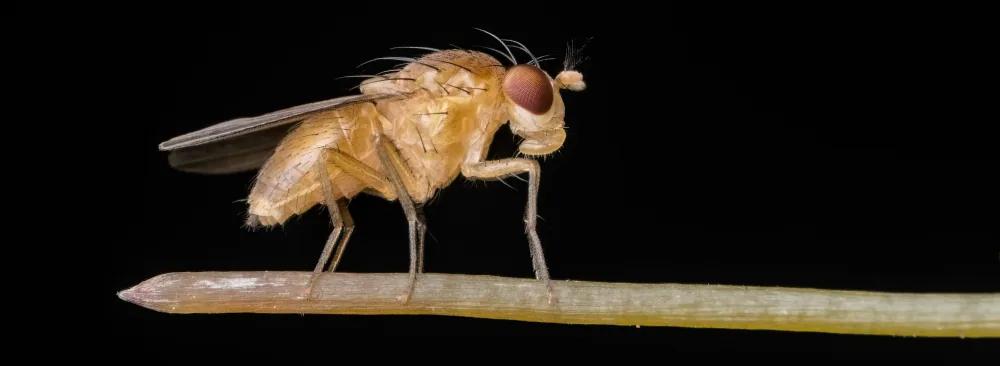
Fruit flies, belonging to the family Drosophilidae, are typically attracted to fermenting fruits and vegetables. They are small, about 1/16 to 1/8 inch in size, and are often identified by their red or dark eyes and tan to dark-gray bodies. Their life cycle is rapid, with eggs hatching into larvae that feed on yeast found in decaying organic matter, completing the cycle in as little as ten days under optimal conditions.
Houseflies, on the other hand, are larger, measuring about 1/4 inch in length. They are part of the Muscidae family and are recognized by their grayish bodies with distinct black stripes on the thorax. Houseflies are generalists, often found around garbage, manure, and decaying organic matter, where they lay eggs that develop into maggots.
In Quebec, managing these pests involves a combination of sanitation and trapping. For fruit flies, maintaining clean kitchen surfaces, storing produce properly, and using vinegar-baited traps can significantly reduce their numbers. Houseflies require more robust measures, such as ensuring waste is properly sealed and using flypaper or light traps to capture adults.
By understanding the specific habits and preferences of fruit flies and houseflies, Quebec residents can implement targeted strategies to minimize their impact, ensuring a more pleasant and hygienic living environment.
Identification of Fruit Flies and Houseflies
Physical Characteristics and Size
Identifying fruit flies and houseflies can be a bit tricky due to their small size and similar environments. However, there are distinct physical characteristics that can help differentiate between the two.
Fruit Flies: These flies are generally smaller, with the red-eyed fruit fly measuring about 1/16 inch (2 mm) and the dark-eyed fruit fly being slightly larger at 1/8 inch (3 to 4 mm). The red-eyed fruit fly is tan to beige in color with distinctive red eyes, while the dark-eyed fruit fly is dark-gray to black. Both types of fruit flies are known for their hovering flight patterns, often seen around overripe or decaying fruit.
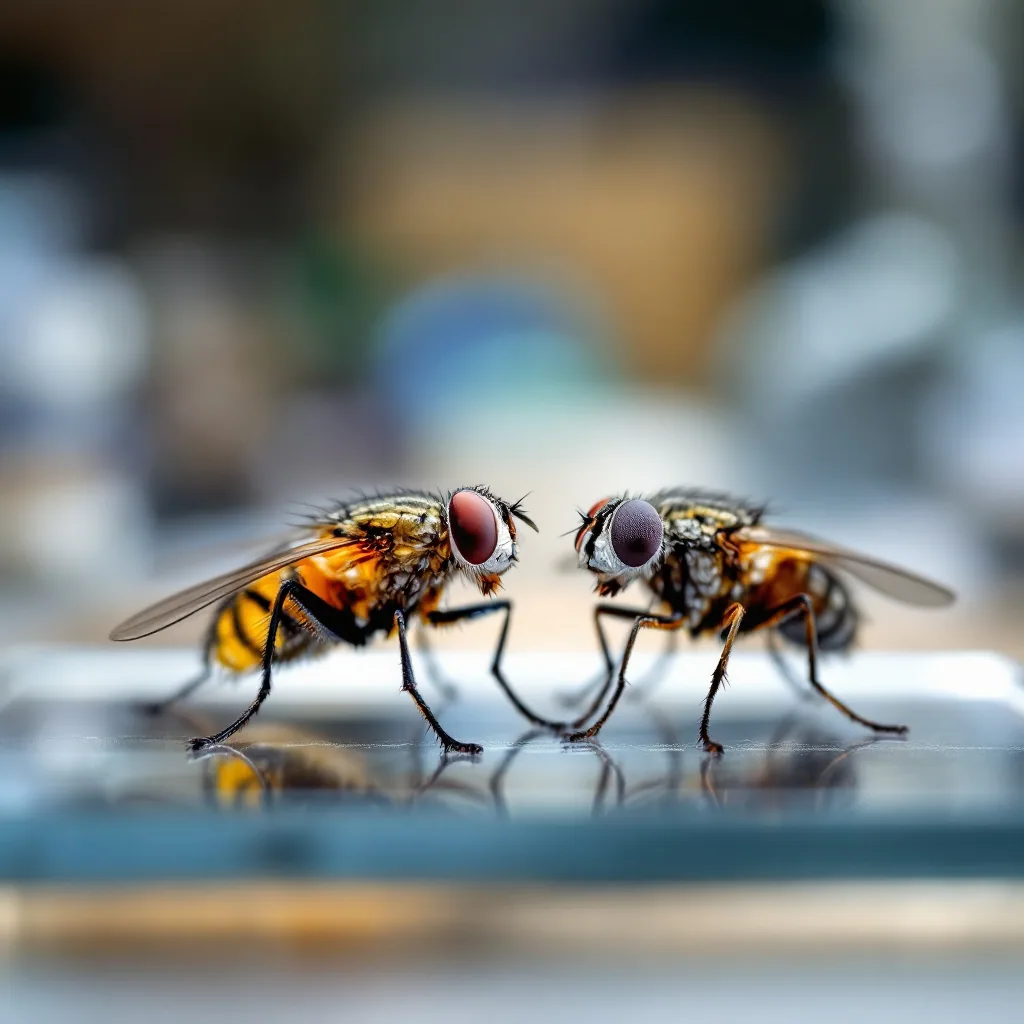
Houseflies: In contrast, houseflies are larger, typically measuring around 6 to 7 mm (~1/4 inch) in length. They have a grayish body with four narrow black stripes on the thorax. The abdomen is gray or yellowish with dark midline and irregular dark markings on the sides. Houseflies have reddish eyes and sponging mouthparts, which are adapted for their feeding habits.
Behavior and Habitat
Understanding the behavior and preferred habitats of fruit flies and houseflies can further aid in their identification and management.
Fruit Flies: These flies are primarily attracted to fermenting fruits and vegetables, where they lay their eggs. The larvae feed on the yeast found in decaying plant and animal material. Common breeding sites include wet food spillage areas in restaurants, grocery stores, and homes. Fruit flies are often seen hovering over fruit bowls or near garbage disposals, where they can complete their life cycle in as little as ten days under optimal conditions.
Houseflies: Houseflies are more versatile in their choice of habitat. They are commonly found in homes, barns, poultry houses, and food-processing plants. Houseflies are attracted to warm organic material such as animal and poultry manure, garbage, and decaying vegetables and fruits. They have a rapid breeding cycle, with a generation being produced in less than two weeks during warmer months. Houseflies are known for their ability to transport disease-causing organisms, making them a significant public health concern.
Control and Management Strategies
Effective management of fruit flies and houseflies involves a combination of sanitation, exclusion, and, when necessary, chemical control measures.
Fruit Flies: The key to controlling fruit flies is to eliminate their breeding sites. This involves regular cleaning of areas where food is prepared and stored. Dispose of overripe fruits and vegetables promptly, and ensure that garbage bins are tightly sealed. Homemade traps using vinegar or red wine can be effective in capturing adult fruit flies. For more detailed strategies on how to manage fruit flies, you can refer to resources like How to Get Rid of Fruit Flies.
Houseflies: Sanitation is also crucial in managing houseflies. This includes keeping food preparation areas clean, using tight-fitting garbage containers, and ensuring that doors and windows are screened to prevent entry. In cases of severe infestation, chemical controls such as residual sprays and baits may be necessary. For comprehensive tips on controlling flies, particularly in commercial settings, you might find How to Control Flies in a Restaurant useful.
Life Cycle and Reproduction
Understanding the life cycle of these flies can help in targeting control measures more effectively.
Fruit Flies: The life cycle of a fruit fly begins when the female lays eggs on the surface of fermenting fruits or vegetables. The eggs hatch into larvae, which feed on the yeast present in the decaying matter. After feeding, the larvae pupate and eventually emerge as adults. This entire process can take as little as ten days, allowing for rapid population growth if not controlled.
Houseflies: Houseflies undergo a complete metamorphosis, starting from eggs laid on decaying organic matter. The eggs hatch into larvae, commonly known as maggots, which feed voraciously before pupating. The pupal stage is typically brown and cigar-shaped. Adult flies emerge from the pupae, ready to continue the cycle. Houseflies can produce multiple generations in a single season, especially in warmer climates.
Impact on Human Health and Food Safety
Both fruit flies and houseflies can impact human health and food safety, albeit in different ways.
Fruit Flies: While fruit flies are not known to spread diseases, they can significantly reduce food quality and spoil drinks. Their presence in kitchens and dining areas can be a nuisance, detracting from the enjoyment of meals and beverages.
Houseflies: Houseflies pose a greater health risk as they are capable of transmitting diseases. They can carry pathogens on their bodies and in their digestive tracts, contaminating food and surfaces. This makes them a concern in both residential and commercial settings, particularly where food is handled.
Preventive Measures and Best Practices
Implementing preventive measures can help minimize the risk of infestation by fruit flies and houseflies.
Fruit Flies: Regularly inspect and clean areas where food is stored and prepared. Use airtight containers for food storage and dispose of waste promptly. Consider using traps to monitor and reduce fruit fly populations.
Houseflies: Maintain cleanliness in and around your home or business. Ensure that windows and doors are properly sealed and screened. Use fly traps and baits as needed to control populations.
By understanding the differences between fruit flies and houseflies, and implementing appropriate control measures, you can effectively manage these pests and reduce their impact on your home or business environment.
Strategies for Preventing and Controlling Fruit Flies
Understanding the Breeding Environment
Fruit flies are notorious for their rapid reproduction and ability to exploit even the smallest food sources. Understanding their breeding environment is crucial for effective prevention and control. These pests are primarily attracted to fermenting fruits and vegetables, where they lay their eggs. The larvae feed on the yeast found in decaying plant material, which is why they are commonly found in kitchens, grocery stores, and restaurants. In Quebec, where fresh produce is abundant, maintaining a clean environment is essential to prevent infestations.
To minimize the risk of fruit fly infestations, it is important to regularly inspect and clean areas where food is stored and prepared. This includes checking for overripe fruits and vegetables, which should be disposed of promptly. Garbage bins should be tightly sealed to prevent access to potential breeding sites. Additionally, wet food spillage areas should be cleaned immediately, as these can serve as breeding grounds for fruit flies.
Implementing Sanitation Measures
Sanitation is the cornerstone of any effective pest control strategy, and fruit flies are no exception. Regular cleaning and maintenance of food preparation and storage areas can significantly reduce the likelihood of fruit fly infestations. In Quebec, where the climate can vary, it is important to adapt sanitation practices to the season.
During warmer months, fruit flies are more active and can reproduce rapidly. This makes it crucial to maintain a rigorous cleaning schedule. Kitchen surfaces, including countertops, sinks, and cutting boards, should be cleaned with soap and water regularly. It is also important to clean under appliances and in hard-to-reach areas where food particles may accumulate.
In addition to cleaning, proper storage of food is essential. Fruits and vegetables should be stored in airtight containers or in the refrigerator to prevent access by fruit flies.
Utilizing Traps and Baits
Traps and baits can be effective tools for monitoring and reducing fruit fly populations. There are several types of traps that can be used, ranging from homemade solutions to commercial products. One popular homemade trap involves using a jar or cup baited with apple cider vinegar and a drop of soap. The container is covered with plastic wrap, and small holes are poked in the top to allow flies to enter. Once inside, the flies are unable to escape and eventually drown in the vinegar solution.
Commercial traps are also available and often use pheromones or other attractants to lure fruit flies. These traps can be placed near potential breeding sites, such as fruit bowls or garbage disposals, to capture adult flies. It is important to regularly check and clean traps to maintain their effectiveness.
In addition to traps, baits can be used to attract and kill fruit flies. Protein-based baits, such as those containing yeast or sugar, can be particularly effective. These baits can be placed in areas where fruit flies are active, such as near compost bins or in kitchen corners.
Biological Control Methods
Biological control methods involve using natural predators or parasites to reduce fruit fly populations. While this approach is more commonly used in agricultural settings, it can also be applied in residential environments. In Quebec, where sustainable practices are valued, biological control can be an attractive option for managing fruit flies.
One example of biological control is the use of parasitic wasps, which lay their eggs inside fruit fly larvae. As the wasp larvae develop, they consume the fruit fly larvae, effectively reducing the population. While this method may not be practical for small-scale infestations, it can be effective in larger agricultural settings.
Another biological control method is the use of nematodes, which are microscopic worms that infect and kill fruit fly larvae. Nematodes can be applied to soil or compost where fruit flies are breeding, providing a natural and environmentally friendly solution to pest control.
Chemical Control Options
While chemical control should be used as a last resort, it can be effective in severe infestations. In Quebec, where regulations on pesticide use are strict, it is important to choose products that are safe and approved for use in residential settings.
Insecticidal sprays and foggers can be used to kill adult fruit flies, but they should be applied with caution to avoid contamination of food and surfaces. It is important to follow the manufacturer’s instructions and to ensure that treated areas are well-ventilated.
For a more targeted approach, insect growth regulators (IGRs) can be used to disrupt the life cycle of fruit flies. IGRs prevent larvae from developing into adults, effectively reducing the population over time. These products are typically applied to breeding sites and can provide long-term control when used in conjunction with other methods.
Monitoring and Assessment
Regular monitoring and assessment are essential components of any pest control strategy. By keeping track of fruit fly populations and identifying potential breeding sites, you can take proactive measures to prevent infestations.
In Quebec, where seasonal changes can affect pest activity, it is important to adjust monitoring practices accordingly. During peak fruit fly season, which typically occurs in late summer and early fall, more frequent inspections may be necessary. This can involve checking traps, inspecting food storage areas, and assessing the effectiveness of control measures.
By maintaining a comprehensive monitoring plan, you can quickly identify and address any issues before they become major problems. This not only helps to protect your home from fruit fly infestations but also ensures a safe and healthy environment for you and your family.
In conclusion, effective prevention and control of fruit flies require a combination of strategies, including sanitation, traps and baits, biological control, and monitoring. By understanding the breeding environment and implementing these measures, you can significantly reduce the risk of fruit fly infestations in your home.
Effective Housefly Prevention and Control Methods
Sanitation and Environmental Management
Houseflies are notorious for their ability to thrive in unsanitary conditions, making sanitation a cornerstone of any effective control strategy. In Quebec, where seasonal changes can influence fly activity, maintaining a clean environment is crucial year-round. Houseflies are drawn to decaying organic matter, so it’s essential to manage waste effectively. This means ensuring that garbage cans have tight-fitting lids and are emptied regularly to prevent the accumulation of waste that can serve as breeding grounds. In addition, all food waste should be promptly disposed of in sealed bags to minimize odors that attract flies.
Regular cleaning of food preparation areas is also vital. This includes wiping down surfaces, cleaning up spills immediately, and ensuring that food is stored in airtight containers. In commercial settings, such as restaurants, maintaining a high standard of cleanliness is not only important for pest control but also for meeting health and safety regulations.
Physical Barriers and Trapping
Physical barriers are an effective way to prevent houseflies from entering homes and businesses. Installing screens on windows and doors is a simple yet effective method to keep flies out while allowing ventilation. Make sure that screens are in good repair and free of holes. In addition to screens, using air curtains or fly fans at entrances can create a barrier that deters flies from entering.
Trapping is another method that can help control housefly populations. There are various types of traps available, ranging from sticky traps to ultraviolet (UV) light traps. Sticky traps are useful for capturing flies indoors and can be placed near windows or other fly entry points. UV light traps attract flies with ultraviolet light and capture them on a sticky surface or with an electrified grid. These traps are particularly effective in commercial settings where flies are a persistent problem.
When using traps, it’s important to place them strategically. For instance, UV light traps should be positioned away from competing light sources and at a height where flies are most active, typically around 1.5 meters from the ground. Regularly monitoring and maintaining traps ensures they remain effective in reducing fly populations.
Biological and Chemical Control
Biological control involves using natural predators or pathogens to reduce housefly populations. One common biological control agent is the parasitic wasp, which lays its eggs inside fly pupae. The wasp larvae then consume the developing fly, effectively reducing the number of flies that reach adulthood. This method is particularly useful in agricultural settings where flies can be a significant problem.
Chemical control should be considered a last resort due to the potential risks associated with pesticide use. However, in cases of severe infestation, chemical treatments may be necessary. It’s important to choose products that are safe and approved for use in residential settings, especially in Quebec where pesticide regulations are stringent. Insecticidal sprays can be used to target adult flies, but they should be applied carefully to avoid contaminating food and surfaces. Always follow the manufacturer’s instructions and ensure treated areas are well-ventilated.
For a more targeted approach, insect growth regulators (IGRs) can be used to disrupt the life cycle of houseflies. IGRs prevent larvae from developing into adults, effectively reducing the population over time. These products are typically applied to breeding sites and can provide long-term control when used in conjunction with other methods.
Monitoring and Assessment
Regular monitoring is essential for effective housefly control. By keeping track of fly populations and identifying potential breeding sites, you can take proactive measures to prevent infestations. In Quebec, where seasonal changes can affect pest activity, it’s important to adjust monitoring practices accordingly. During peak fly season, which typically occurs in the warmer months, more frequent inspections may be necessary. This can involve checking traps, inspecting waste disposal areas, and assessing the effectiveness of control measures.
By maintaining a comprehensive monitoring plan, you can quickly identify and address any issues before they become major problems. This not only helps to protect your home from fly infestations but also ensures a safe and healthy environment for you and your family. Regular monitoring also allows you to evaluate the success of your control strategies and make adjustments as needed.
Integrated Pest Management (IPM) Approach
An Integrated Pest Management (IPM) approach combines multiple strategies to effectively manage housefly populations. This holistic approach emphasizes the use of non-chemical methods as the first line of defense, with chemical controls used only when necessary. By integrating sanitation, physical barriers, trapping, and biological control, you can create a comprehensive plan that minimizes the risk of fly infestations.
IPM is particularly beneficial in environments where chemical use is restricted or undesirable, such as in homes with children or pets. By focusing on prevention and using a combination of methods, IPM reduces the reliance on chemical treatments and promotes a healthier living environment.
Community and Public Health Considerations
Houseflies are not just a nuisance; they can also pose significant public health risks. Flies are known to carry and spread disease-causing organisms, making them a concern in both residential and commercial settings. In Quebec, where public health regulations are stringent, it’s important to implement effective fly control measures to protect the health and safety of the community.
Public awareness and education are key components of a successful fly control program. By educating the public about the importance of sanitation and proper waste management, communities can work together to reduce fly populations. Community-wide efforts, such as neighborhood clean-up days, can also help eliminate potential breeding sites and reduce the risk of infestations.
In conclusion, effective housefly prevention and control require a multifaceted approach that combines sanitation, physical barriers, trapping, and biological control. By implementing these strategies and maintaining regular monitoring, you can significantly reduce the risk of fly infestations and protect the health and safety of your home and community.
Conclusion
The research report provides a comprehensive analysis of the identification, behavior, and management of fruit flies and houseflies, particularly in the context of Quebec. Fruit flies are distinguished by their smaller size, red or dark eyes, and attraction to fermenting fruits and vegetables, while houseflies are larger, with gray bodies and a preference for decaying organic matter. Both species have rapid life cycles, enabling quick population growth if not managed effectively. The report emphasizes the importance of sanitation as a primary control strategy for both fruit flies and houseflies, highlighting the need for regular cleaning, proper waste disposal, and the use of physical barriers such as screens to prevent entry.
The findings underscore the necessity of an integrated pest management (IPM) approach, combining sanitation, physical barriers, traps, and biological controls to manage fly populations effectively. This approach minimizes reliance on chemical treatments, which should be reserved for severe infestations and used in accordance with local regulations. The implications of this research are significant for public health, as houseflies can transmit diseases, making effective control measures crucial in both residential and commercial settings. Future steps should include community education and public health initiatives to raise awareness about the importance of fly control and to encourage collective efforts in maintaining clean environments.
FAQ
- How can I tell the difference between fruit flies and houseflies?
Fruit flies are smaller, measuring about 2-4 mm, with red or dark eyes and a tan to dark-gray color. They are often found around fermenting fruits. Houseflies are larger, around 6-7 mm, with gray bodies and four black stripes on the thorax. They are attracted to decaying organic matter. - What are the main habitats for fruit flies and houseflies?
Fruit flies thrive in environments with fermenting fruits and vegetables, while houseflies prefer warm organic material like manure and garbage. Both species can be found in homes, restaurants, and food-processing areas. - What are effective strategies for controlling fruit flies at home?
Effective control involves eliminating breeding sites by disposing of overripe fruits, cleaning food preparation areas, and using traps with vinegar or red wine to capture adult flies. Regular monitoring and sanitation are key. - How can I prevent houseflies from entering my home?
Install screens on windows and doors, use air curtains, and maintain cleanliness by managing waste effectively. Regularly clean food preparation areas and use traps to monitor and reduce fly populations. - Are there biological control methods for managing fly populations?
Yes, parasitic wasps and nematodes can be used to control fly populations by targeting larvae. These methods are more common in agricultural settings but can be adapted for residential use. - What are the health risks associated with houseflies?
Houseflies can carry and spread disease-causing organisms, contaminating food and surfaces. This makes them a significant public health concern, especially in areas where food is handled.