Tips for getting rid of fruit flies in your home
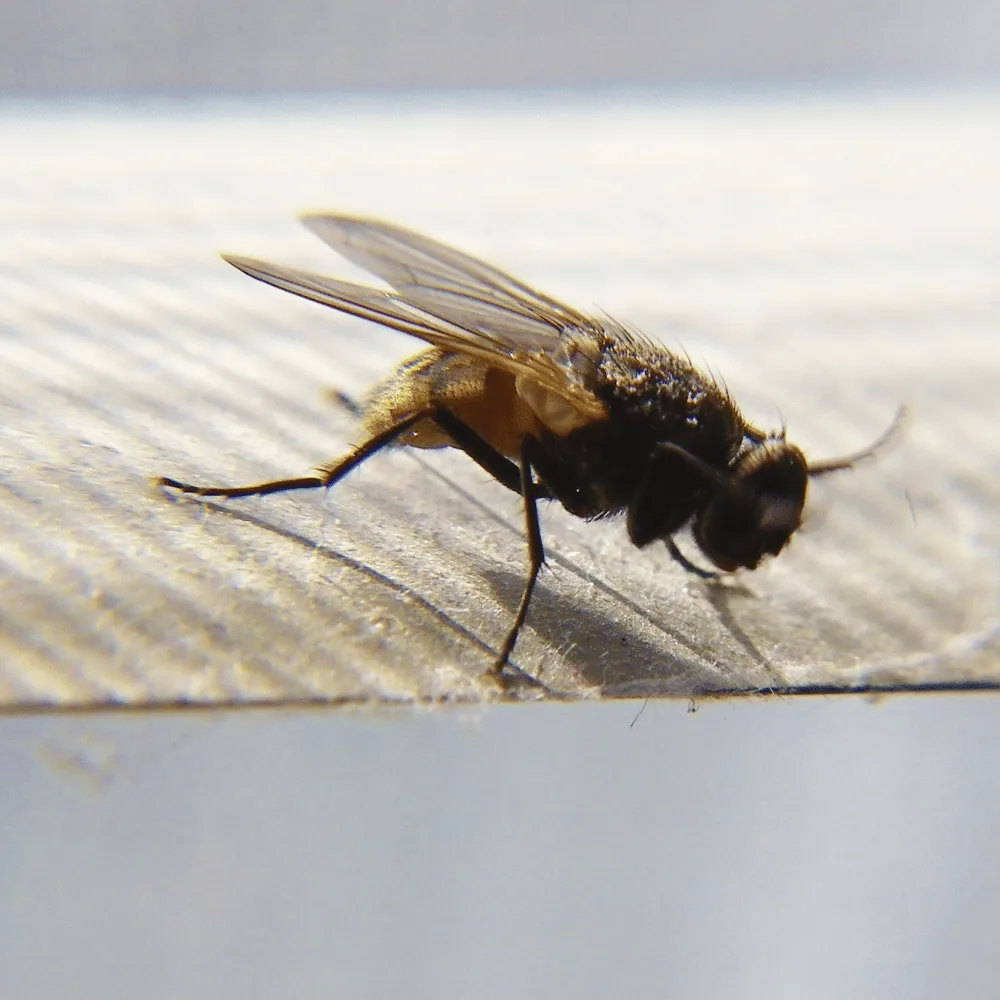
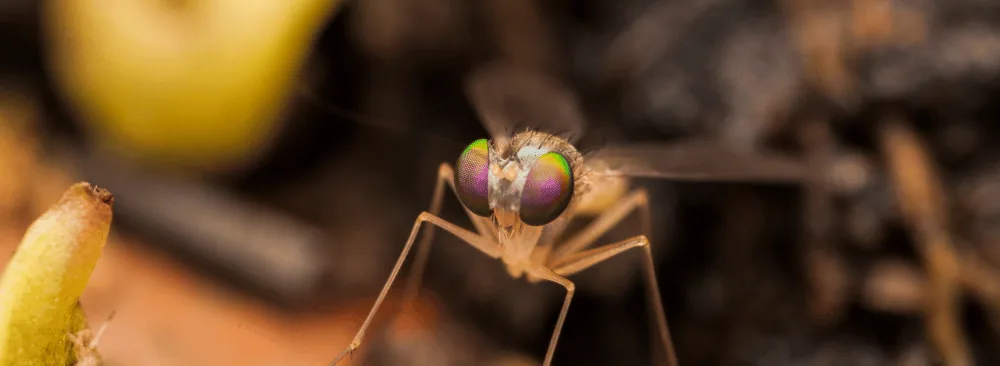
Drosophila, better known as fruit flies, tend to show up in the kitchen without warning. These insects don’t bite and don’t carry viruses, but they can contaminate your food, which is unpleasant to say the least. Here’s where these tiny flies come from, what draws them in, and how to get rid of fruit flies in your home, from prevention to professional treatment.
Where Do Fruit Flies Come From?
Fruit flies are found all over the world. They’re especially common in summer, when heat, humidity and the sweet smell of fruit and vegetables create ideal breeding conditions. They’re often brought home from the grocery store without anyone noticing, as eggs laid on the produce we buy. Above 20°C, those eggs hatch in 5 to 6 days, producing a new generation of fruit flies.
To confirm what you’re dealing with, see our fruit fly profile. If you’re not sure whether it’s a fruit fly or another small fly, our article on fruit flies vs houseflies will help you pick the right approach.
What Attracts Fruit Flies?
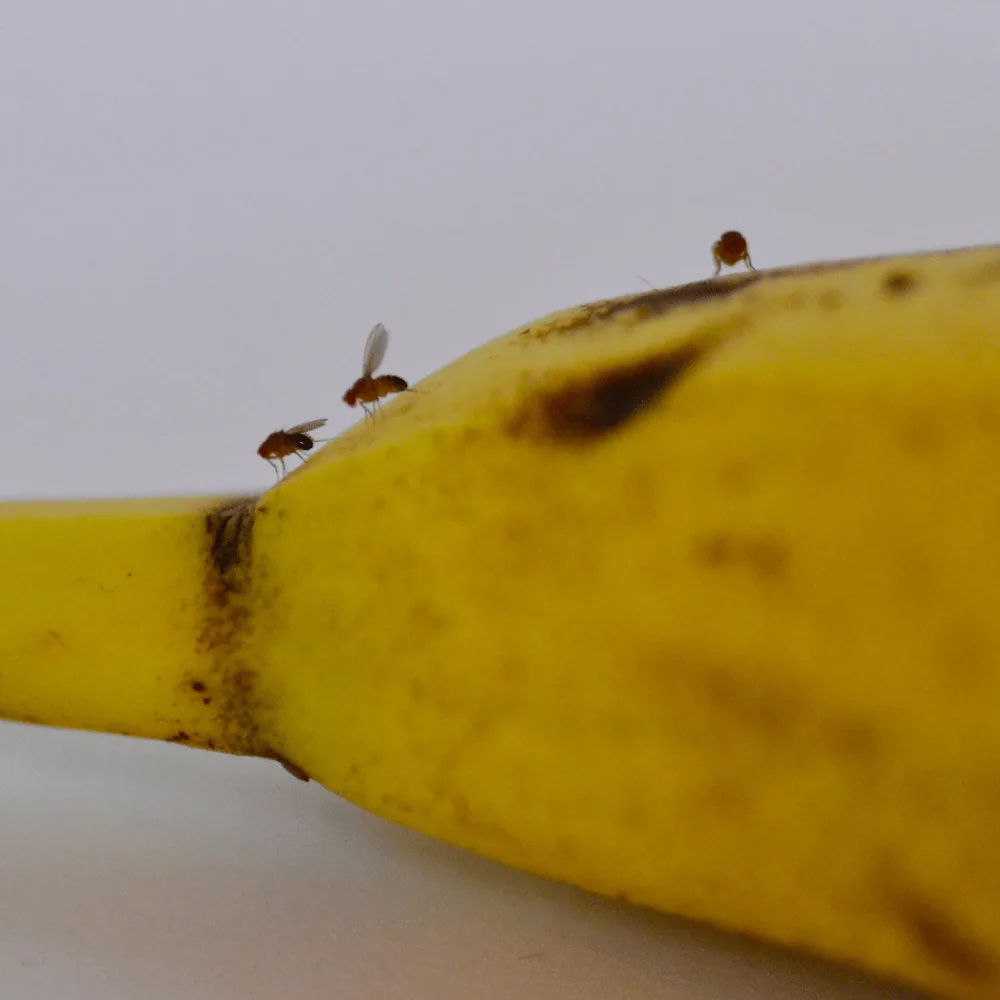
Fruit flies are irresistibly drawn to sweet, fermenting matter. As the name suggests, they’re usually spotted around fruit bowls. Depending on the species, they can also infest decaying organic matter, garbage and compost, canned fruit and vegetables, pop cans and liquor bottles.
Are Fruit Flies a Health Risk?
Don’t underestimate these little flies. Like other fly species, they can carry and transmit pathogens that cause illness. The risk is generally low and short-lived, but eating contaminated food can lead to gastrointestinal problems such as diarrhea.
How to Get Rid of Fruit Flies: Our Tips
Even though fruit flies pose little danger to your health, it’s important to keep them in check to keep your kitchen clean. Here are the most effective methods, from prevention to traps.
Break the Egg Cycle
Wash your fruit and vegetables as soon as you get home from the grocery store. A soak in water with one or two tablespoons of vinegar helps remove fruit fly eggs. Store fruit in the fridge to slow ripening, and wash or wipe down with a damp cloth any produce you keep at room temperature. Fruit that’s about to go bad can be frozen for later or composted in a closed bin outside the house.
Keep Things Dry
Fruit flies love moisture. Get rid of unnecessary sources of humidity: don’t leave wet sponges or dishcloths on the sink, and make sure dishes are fully dry after washing.
Keep Countertops Clear
Food scraps are paradise for fruit flies. Don’t leave meal leftovers on the counter, empty your compost often, and don’t leave glasses of juice, wine or any other sweet or alcoholic drink sitting around. Wipe up sugary spills right away, and keep garbage bins tightly closed and emptied regularly.
Degrease and Clean Drains and Sinks
Drains and sinks give some species ideal egg-laying conditions, since fruit flies look for moist environments. Degreasing and cleaning them regularly keeps the flies from settling in. If small flies keep coming out of the drain anyway, you may be dealing with drain flies, which call for a deeper cleaning of the plumbing.
Rinse Food and Drink Containers
The containers you throw out can become a food source or a breeding site. Rinse food containers and cans before they go in the recycling to remove sugary residue: your waste area will be far less attractive.
Set Up Fruit Fly Traps
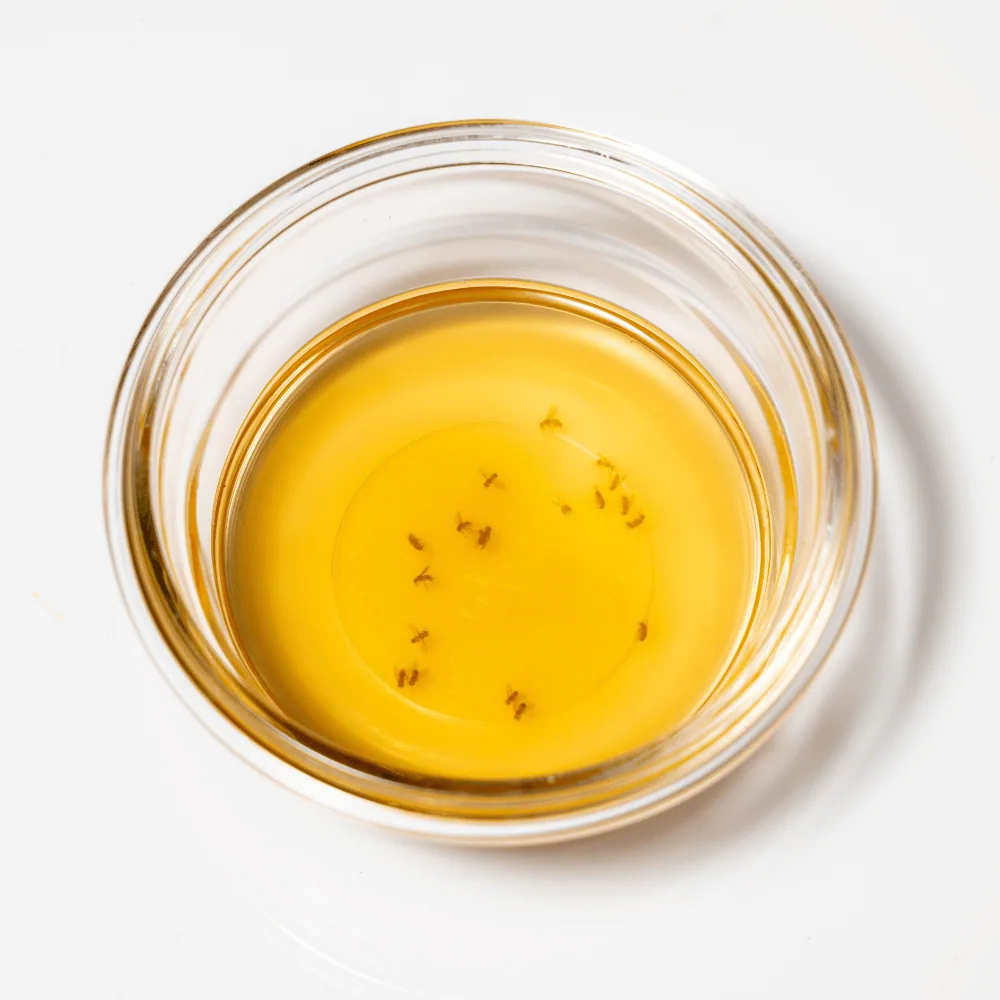
If flies still show up despite these precautions, homemade traps work well. Pour a little apple cider vinegar, wine or beer into a bowl and cover it with plastic wrap poked with a few small holes: the flies follow the smell in and can’t find their way out. Add a few drops of dish soap to the cider vinegar to make the surface sticky, so escape is even harder. Place traps close to the source (fruit bowl, garbage, sink).
Use Insecticide as a Last Resort
Products based on natural pyrethrum, an insecticide derived from certain chrysanthemum flowers, can be sprayed in infested areas. Use them sparingly and follow the label instructions to limit the impact on health and the environment. Without removing the source, an insecticide won’t solve the problem for long.
When Should You Call an Exterminator for Fruit Flies?
For a persistent or large infestation, especially in a food business, a pest management professional may be needed. The technician starts with a thorough assessment to find the sources of attraction and the entry points: decaying fruit, fermented material, drains, garbage and other food sources. They then carry out a deep cleaning to eliminate those sources and advise you on food storage and waste management to prevent another infestation. Fruit fly traps may be installed to catch the remaining flies and, if needed, a targeted insecticide treatment is applied using products approved for sensitive environments.
For other flies around the house, see our guide on how to eradicate flies and our overview of flying insect control in Quebec. Restaurant owners will find specific advice in our article on how to control flies in a restaurant.
Frequently asked questions
Why do I have fruit flies in my house?
Most of the time, they arrive as eggs on fruit and vegetables brought home from the grocery store. Above 20°C, the eggs hatch in 5 to 6 days. The adults are then drawn to anything sweet and fermenting: overripe fruit, compost, glasses of juice or wine, unrinsed cans.
How do I get rid of fruit flies fast?
Remove the source first: overripe fruit, compost, sugary waste. Then set a trap with apple cider vinegar and a few drops of dish soap under perforated plastic wrap. Wash produce when you get home and keep the kitchen dry to break the breeding cycle.
Are fruit flies dangerous?
They don’t bite and don’t carry viruses. Like other flies, though, they can carry pathogens onto food. The risk is generally low, but eating contaminated food can cause gastrointestinal problems such as diarrhea.
Need Help With Fruit Flies?
By keeping the kitchen clean and dry, washing your produce and setting a few traps, you’ll get the better of most fruit fly infestations. If the problem persists or affects your business, the technicians at Exterminatek have the knowledge and experience to find the source and deal with the infestation. Contact us for professional help.