Safe Ways to Deal with a Wasp Nest at Home in Quebec: Identification, Risks, and Removal Methods
As warmer months approach in Quebec, the likelihood of encountering wasps around your home increases significantly. By mid-summer, wasp colonies—especially those of species like the Eastern Yellowjacket, European Paper Wasp, and Bald-faced Hornet—reach peak activity, often building nests in eaves, attics, shrubs, or even underground. While these insects play a vital ecological role as pollinators and natural pest controllers, their presence near human activity can pose serious safety risks, particularly for individuals with allergies or young children.
Understanding the behavior, nesting habits, and seasonal patterns of wasps is essential for homeowners aiming to manage infestations safely and responsibly. In Quebec, where native and invasive species coexist, identifying the type of wasp and the location of the nest is the first step toward determining the appropriate course of action. Some nests may be best left undisturbed if they are located far from human traffic, while others—especially those near entrances, play areas, or within structures—require prompt and careful removal.
This report provides a comprehensive guide tailored to the Quebec region, outlining safe and effective strategies for dealing with wasp nests. It emphasizes personal safety, environmental responsibility, and when to seek professional help. Whether you’re facing a small paper wasp nest under your deck or a large hornet colony in a tree, this guide will help you make informed decisions to protect your home and family.
Identifying Common Wasp Species and Nest Types in Quebec
So… What Kind of Wasps Are Buzzing Around Your Place?
If you’ve ever tried to enjoy a backyard BBQ in Quebec and suddenly found yourself doing a panicked dance with a soda can in one hand and a fly swatter in the other, you’re not alone. Wasps are part of summer here—like maple syrup and potholes—but not quite as welcome. The thing is, not all wasps are out to get you. Some are just passing through, others are hunting garden pests, and a few… well, a few are building nests way too close to your front door.
Knowing what kind of wasp you’re dealing with—and what their nests look like—can make a huge difference in how you handle the situation. Because trust me, the way you deal with a Fraternal Potter Wasp is not the same way you’d want to approach a colony of Eastern Yellowjackets. One might ignore you completely. The other might chase you across your lawn like you owe them rent.
Let’s break down the usual suspects in Quebec and what their nests look like, so you can stop guessing and start planning.
The Big Four: Who’s Who in Your Backyard
Across Quebec, there are four main types of wasps you’re most likely to run into. Each has its own vibe, nesting habits, and level of aggression. Here’s a quick table to help you keep track before we dig deeper.
| Wasp Species | Nest Type | Aggression Level | Common Nest Locations |
|---|---|---|---|
| Eastern Yellowjacket | Underground paper nest | Very high | Lawns, under shrubs, wall voids |
| European Paper Wasp | Open paper comb, umbrella-like | Moderate | Eaves, attics, light fixtures |
| Dark Paper Wasp | Open paper comb, umbrella-like | Low to moderate | Garages, sheds, wooden structures |
| Fraternal Potter Wasp | Mud pot-shaped nest | Very low | Plants, walls, fences |
Now, let’s get into what each of these wasps actually looks like, how they behave, and—most importantly—how to spot their nests before you accidentally mow over one.
Eastern Yellowjackets: The Underground Menace
Let’s start with the one that causes the most chaos: the Eastern Yellowjacket. These are the wasps that turn mowing the lawn into a survival sport.
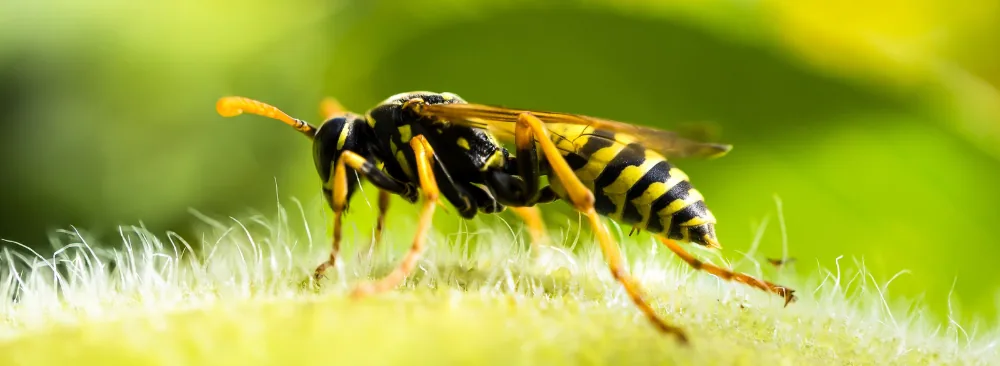
They’re small, stocky, and wear the classic black-and-yellow stripes that scream “danger.” You’ll often see them zipping around garbage bins, soda cans, or anything sweet. But what makes them tricky is their nesting style—they go underground. Literally.
Their nests are usually hidden in old rodent burrows, under shrubs, or even inside wall cavities. You won’t see the nest itself unless you’re unlucky enough to disturb it. What you might notice is a steady stream of wasps coming and going from a small hole in the ground. If you see that, back away. Slowly.
These nests can house thousands—yes, thousands—of wasps by late summer. And they’re not shy about defending their turf. One wrong step and you could be facing a full-on aerial assault. If you suspect you’ve got one of these nests nearby, it’s best to call in a professional wasp exterminator before things escalate.
European Paper Wasps: The Sneaky Lookalikes
Now, these guys are the masters of disguise. European Paper Wasps look almost identical to Yellowjackets, but they’re a different breed altogether. They’re longer, slimmer, and tend to have orange antennae if you look closely (though, let’s be honest, most of us aren’t getting that close).
They’re an invasive species in Quebec and have spread like wildfire over the past decade. They build open, umbrella-shaped nests that hang from horizontal surfaces—think eaves, porch ceilings, or even inside your BBQ grill if you haven’t used it in a while.
Their nests are made of a papery material, and you’ll usually see the hexagonal combs exposed. Unlike Yellowjackets, they don’t cover their nests with an outer shell. It’s like a wasp condo with no privacy.
European Paper Wasps are less aggressive than Yellowjackets, but they will defend their nests if provoked. The good news? Their colonies are smaller, usually topping out at a few dozen wasps. Still, if you’ve got one near your front door, it’s not exactly a stress-free situation.
If you’re trying to ID a nest and you see it hanging like a little grey umbrella with visible combs, chances are it’s one of these. And if you’re not sure, don’t poke it. Just don’t.
Dark Paper Wasps: The Chill Builders
Dark Paper Wasps, also known as Northern Paper Wasps, are the more laid-back cousins in the wasp family. They’re native to Quebec and, honestly, they’re not out to ruin your day.
These wasps are reddish-brown to black with some yellow markings. They’re a bit longer than Yellowjackets and have a more “waspy” waist—narrow and dramatic, like they’re wearing a corset.
Their nests are similar in shape to the European Paper Wasp’s—open combs hanging from a single stalk—but they tend to build in quieter, less trafficked areas. You’ll find them under decks, in sheds, or tucked into the corners of garages.
What makes them stand out is their behavior. They’re not aggressive unless you mess with their nest. So if you see one of these papery structures and it’s not in your way, you can probably leave it alone until fall, when the colony naturally dies off.
Still, if it’s too close for comfort, or if you’ve got kids or pets running around, it’s worth looking into safe removal options.
Fraternal Potter Wasps: The Tiny Architects
These are the introverts of the wasp world. Fraternal Potter Wasps are solitary, meaning they don’t build massive colonies or swarm you when threatened. Honestly, they’re kind of adorable—if you’re into insects.
They’re small, dark-colored, and often go unnoticed. But their nests? That’s where things get interesting.
Potter Wasps build little mud pots—yes, actual pot-shaped structures—usually attached to walls, fences, or even plants. They look like miniature clay jars, and inside each one is a single egg suspended above a stash of paralyzed caterpillars. It’s like a baby shower gift, but for wasps.
These nests are harmless and kind of fascinating. The female wasp does all the work herself, from gathering mud to hunting prey to sealing up the pot. Once she’s done, she moves on. No maintenance. No drama.
If you find one of these little mud pots on your property, you can leave it alone. The wasp won’t bother you, and she’s actually helping control garden pests. But if it’s in a spot where it’s likely to get knocked down—or if you just don’t want it there—you can gently remove it with a putty knife once you’re sure it’s empty.
How to Tell Who Built That Nest
Okay, so you’ve found a nest. Now what? Before you go full DIY exterminator, take a beat and figure out what you’re dealing with. Here’s how to tell the difference based on nest appearance and location:
If the nest is underground, and you only see a hole with wasps flying in and out, it’s almost certainly an Eastern Yellowjacket. Do not disturb it. These nests can contain up to 25,000 wasps by late summer (Bird Watching HQ).
If the nest is hanging from a single stalk and looks like an open umbrella with visible combs, it’s probably a Paper Wasp—either European or Dark. Check the wasps’ coloring to tell them apart. European Paper Wasps are more yellow, while Dark Paper Wasps are, well, darker.
If the nest looks like a tiny clay pot stuck to a wall or plant, it’s a Fraternal Potter Wasp. These are solitary and non-aggressive. You’re safe.
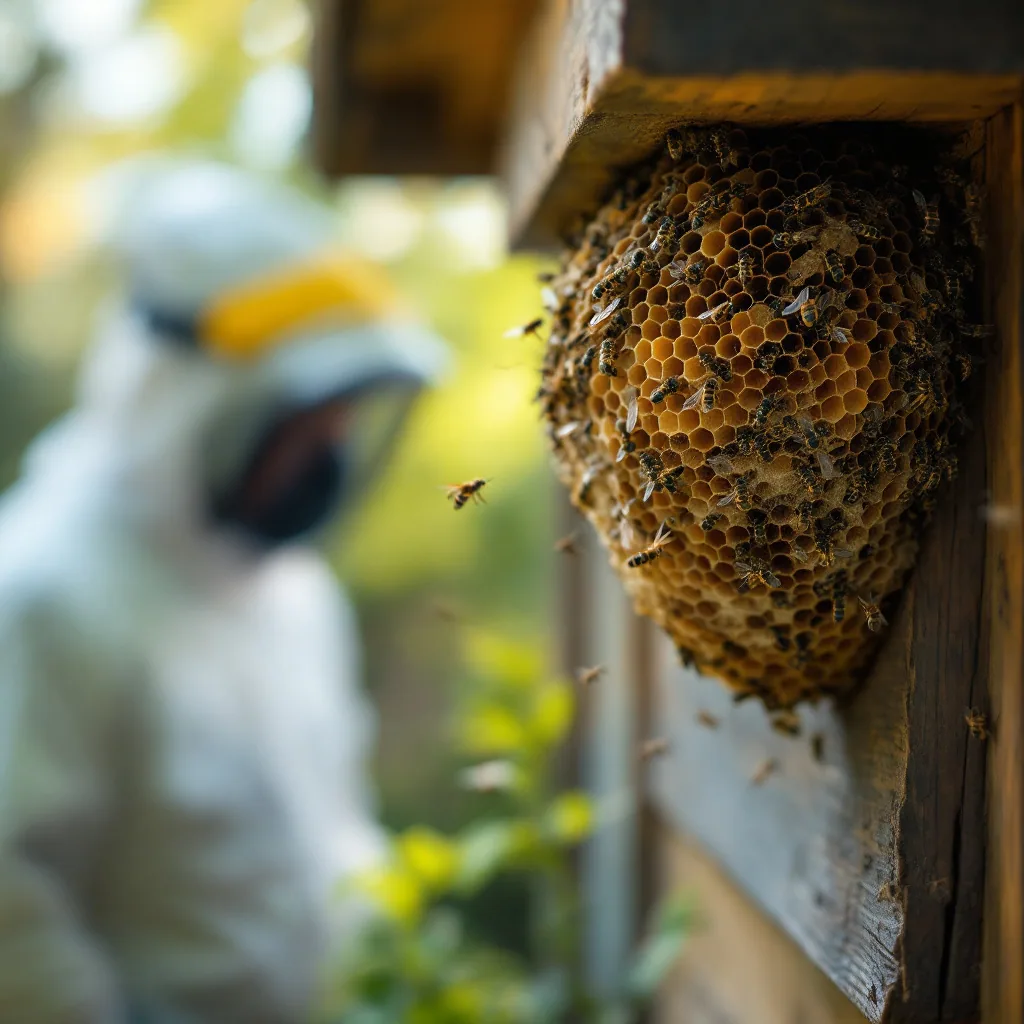
If the nest is large, enclosed, and hanging from a tree or under a roof, you might be dealing with a hornet—specifically the European Hornet, which is the only true hornet in Quebec. These nests are football-shaped and made of layered paper. Hornets are less common in urban areas but can still show up in rural or wooded regions.
Why It Matters
Knowing which wasp you’re dealing with isn’t just trivia—it’s the difference between a calm afternoon and a trip to the ER. Some wasps, like Yellowjackets, can sting multiple times and are known to swarm. Others, like Potter Wasps, are more likely to ignore you completely.
And then there’s the environmental angle. Many wasps are beneficial. They eat garden pests, pollinate plants, and help keep ecosystems balanced. So if you can avoid killing them, that’s a win for your yard and for nature.
But if the nest is in a high-traffic area—like near your front door, kids’ play area, or BBQ zone—it’s okay to take action. Just make sure it’s the right action. Spraying a Yellowjacket nest during the day? Bad idea. Trying to knock down a hornet nest with a broom? Worse.
If you’re unsure, don’t risk it. A licensed wasp exterminator can safely identify and remove the nest without turning your yard into a war zone.
Final Thoughts (But Not a Conclusion, Promise)
Wasps are complicated. They’re helpful and terrifying, beautiful and annoying. But once you know who’s who and what their nests look like, you’re in a much better position to deal with them safely.
Next time you hear that ominous buzzing near your porch light or spot a papery structure under your eaves, take a breath. Look closely. Ask yourself: is this a chill paper wasp just trying to live its life? Or is it a Yellowjacket death trap waiting to happen?
And if you’re still not sure—well, that’s what the pros are for.
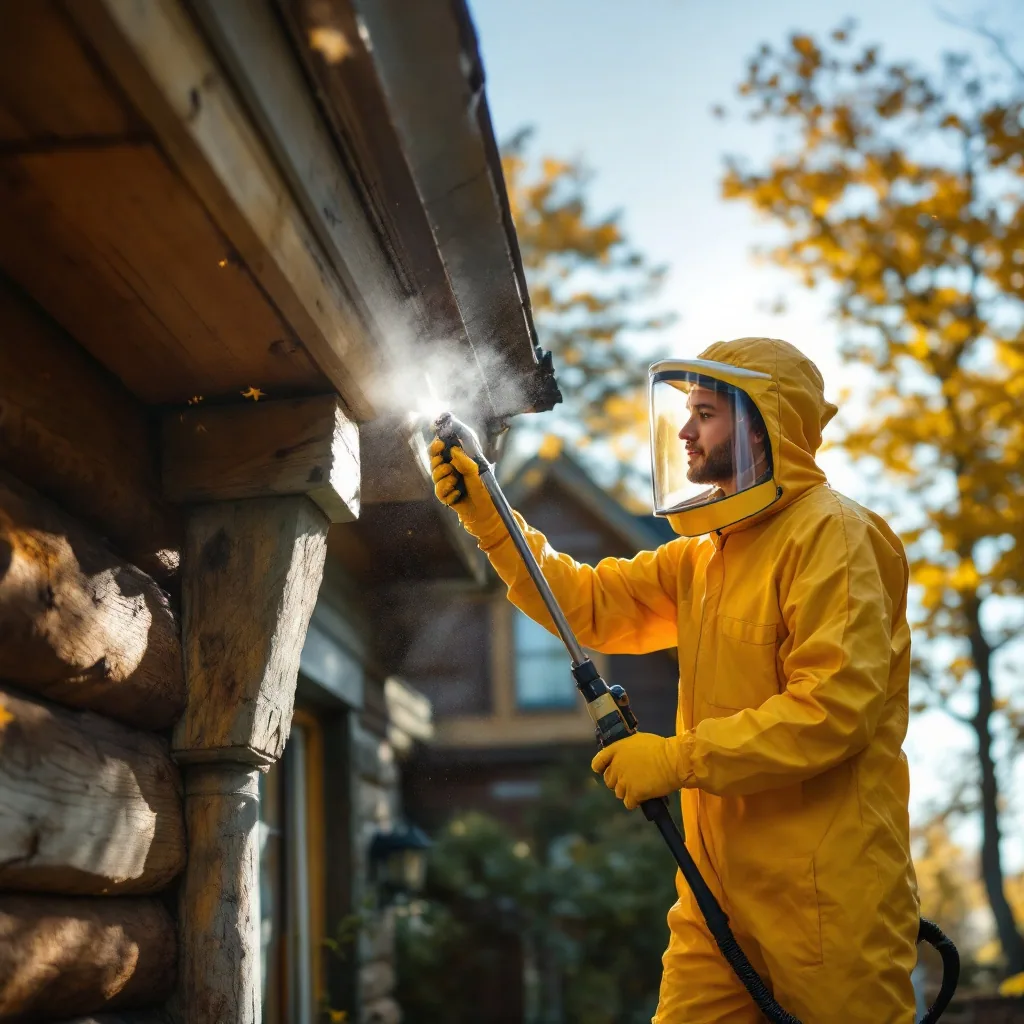
Safe DIY Methods for Wasp Nest Removal (Without Getting Stung or Starting a Fire)
So You Found a Wasp Nest in Quebec… Now What?
Let’s be real for a second. Finding a wasp nest near your home in Quebec is like discovering a ticking time bomb made of wings and rage. You’re standing there, maybe coffee in hand, staring at this papery blob under your eaves or tucked into a bush, thinking, “Can I handle this myself?” And the answer? Sometimes. But only if you’re smart about it.
Before we get into the nitty-gritty, here’s the deal: Quebec summers are short, sweet, and full of wasps. They get aggressive by late July, especially the Eastern Yellowjackets. If you’re dealing with a small nest in spring or early summer, DIY might be safe. But if it’s the size of a grapefruit or bigger? Or if it’s underground? You’re better off calling a professional. No shame in that.
Still here? Alright. Let’s talk about how to do this without ending up in the ER.
Timing Is Everything
Here’s the first thing you need to know: wasps have a bedtime. They’re most docile just before sunrise and right after sunset. That’s your window. If you try to mess with their home during the day, you’re basically asking for a swarm.
And don’t use a regular flashlight. White light wakes them up. Use a flashlight with a red filter or wrap it in red cellophane. Wasps can’t see red light, so you can sneak up like a ninja. A very cautious, slightly sweaty ninja in a hoodie and ski goggles.
Also, check the weather. You want a calm, cool evening. Windy nights make it harder to spray accurately, and rain can dilute whatever you’re using. Plus, slipping off a ladder while holding a wasp spray can is not the kind of multitasking anyone needs.
The Soapy Water Trick (Old School, Still Works)
You’ve probably heard this one before, but let’s break it down properly. Soapy water isn’t just a Pinterest hack—it’s actually effective. The soap clogs the wasps’ spiracles (those tiny holes they breathe through), and they suffocate. Brutal, but quick.
Mix about 2 tablespoons of dish soap with a full spray bottle of water. Shake it up. You want it to be foamy. Then, approach the nest slowly. If it’s hanging from a branch, under a deck, or on a shed wall, you’re in business.
Stand a few feet back, aim for the entrance, and soak it. You want the whole thing dripping. Then walk away. Slowly. Don’t run. Running triggers their chase instinct. Just back away like you’re trying not to wake a sleeping baby made of knives.
Come back the next morning and check for activity. If you still see wasps flying in and out, repeat the process. If it’s quiet, you can remove the nest with a long stick or scraper and drop it into a sealed bag.
This method works best for small nests—like golf ball to tennis ball size. Anything bigger, and you’re pushing your luck.
Aerosol Wasp Sprays: The Good, the Bad, and the Spray-Back
Let’s talk about the store-bought stuff. You know the kind—those cans that claim to shoot 20 feet and kill on contact. They’re not lying. These sprays are powerful, and they work. But they’re also flammable, toxic, and a little unpredictable.
If you go this route, read the label. Look for products approved by Health Canada with a Pest Control Products (PCP) number. That means it’s been tested and isn’t just some random chemical cocktail.
Wear long sleeves, pants, gloves, goggles, and a mask. Yes, even if it’s hot. Wasps sting through thin fabric, and you don’t want pesticide mist in your lungs. Trust me.
Spray at night, aim for the entrance, and empty the can if you have to. Then leave. Don’t poke the nest. Don’t shine a light on it. Just go back inside and watch from a window like a curious raccoon.
If you’re dealing with a nest in a tricky spot—like under roof eaves or inside a wall—don’t try to MacGyver it with a broom and a prayer. That’s how people end up Googling “how to treat multiple wasp stings.”
Underground Nests: Proceed With Caution (Or Don’t Proceed at All)
Here’s where things get dicey. If you see wasps flying in and out of a hole in the ground, you’re probably dealing with Eastern Yellowjackets. These guys are aggressive, territorial, and they don’t mess around.
Their nests can go deep—sometimes several feet—and hold thousands of wasps. You can’t just pour water down the hole and hope for the best. That’s like throwing a rock at a hornet’s nest and asking it nicely to go away.
Some people try pouring soapy water or even gasoline into the hole. Please don’t. Not only is that dangerous and illegal, but it also doesn’t work well. The wasps just dig another exit.
If you’re absolutely set on trying something, wait until nightfall, then sprinkle diatomaceous earth or boric acid around the entrance. These powders damage their exoskeletons and can kill them over time. But again, this is a slow process and not always effective.
DIY Fake Nests: The Passive-Aggressive Approach
Okay, this one’s more prevention than removal, but it’s worth mentioning. Wasps are territorial. They don’t like building nests near other colonies. So if they see what looks like an existing nest, they’ll usually move on.
You can make a fake nest using a crumpled paper bag or buy one online. Hang it under your eaves, in trees, or near your deck. It’s not foolproof, but it’s cheap and chemical-free.
Just don’t expect it to work if there’s already a nest nearby. Wasps aren’t that easily tricked once they’ve moved in.
What Not to Do (Seriously, Don’t Be That Person)
Let’s just get this out of the way. Do not set the nest on fire. I know it sounds obvious, but every summer someone in Quebec ends up on the news because they tried to torch a wasp nest and burned down their shed. Or worse, their house.
Don’t spray it with a hose either. Water doesn’t kill wasps. It just makes them mad and soggy. And a soggy, angry wasp is still a wasp with a stinger.
Don’t try to knock it down with a broom, baseball bat, or hockey stick. You’re not in a cartoon. You will get stung. A lot.
And don’t forget about allergies. If you or anyone in your household is allergic to stings, don’t even think about DIY. One sting can be life-threatening. Keep an EpiPen nearby and call a pro.
How to Know If It Worked
After your DIY attempt, give it 24 to 48 hours. Watch the nest from a safe distance. No activity? Great. You can remove it. Still seeing wasps? Time for round two—or time to admit defeat and call in backup.
When you finally take the nest down, use a long stick or scraper. Drop it into a garbage bag, seal it tight, and toss it in an outdoor bin. Don’t bring it inside. Don’t compost it. Just get rid of it.
And if you’re curious, cut it open and take a look. The inside of a wasp nest is weirdly beautiful—layers of combs, little chambers, and sometimes larvae. Just make sure it’s really empty first.
Quick Comparison Table: DIY Methods at a Glance
| Method | Best For | Risk Level | Cost | Effectiveness |
|---|---|---|---|---|
| Soapy Water | Small hanging nests | Low | Under $5 | Moderate |
| Aerosol Spray | Medium nests, eaves | Medium | $10–$20 | High |
| Diatomaceous Earth | Underground nests | Low | $10–$15 | Low to Medium |
| Fake Wasp Nest | Prevention only | None | Free–$15 | Low |
| Fire/Hose/Broom | None (don’t do it) | High | Your dignity | Zero |
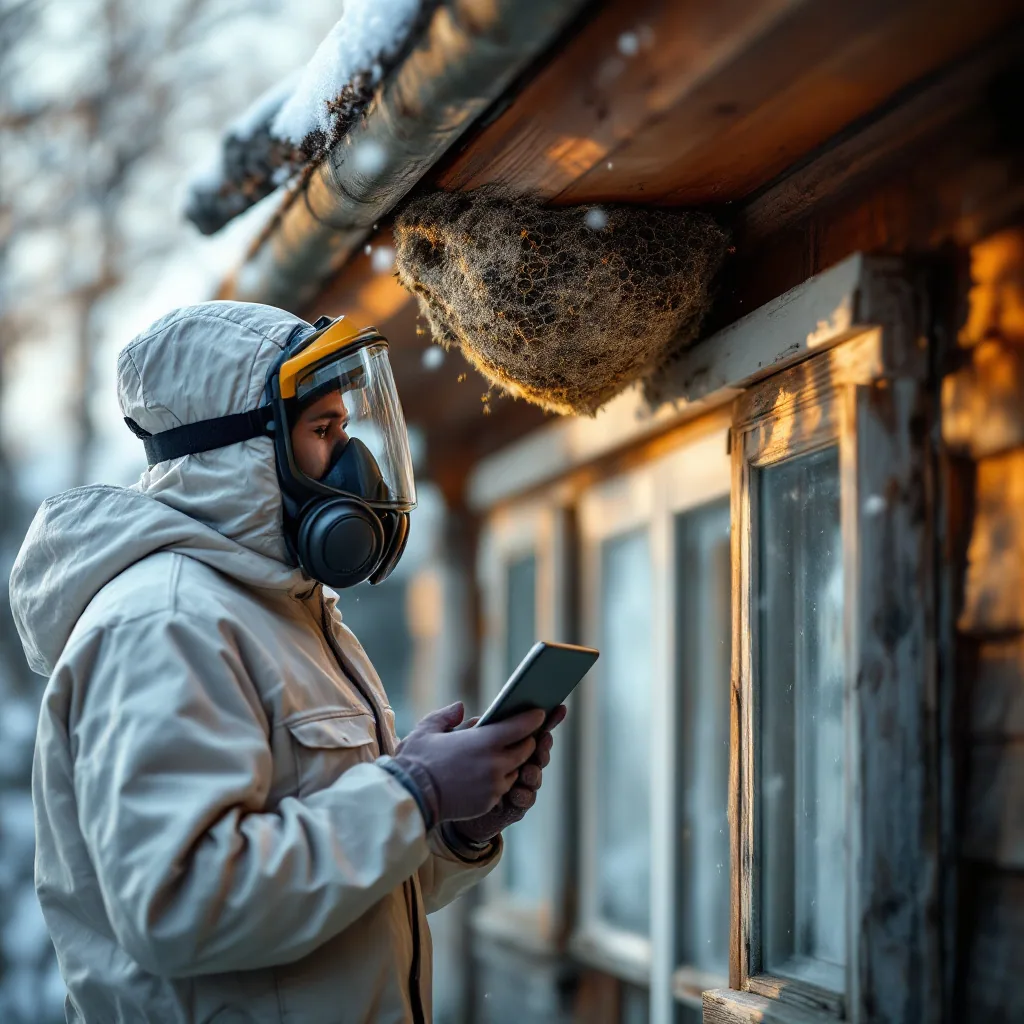
When and Why to Call Professional Pest Control Services
So… You’ve Got a Wasp Nest and You’re Debating the Hero Move
Let’s be honest: the moment you spot a wasp nest near your front door or tucked under the eaves, your brain goes into overdrive. Do you grab a broom and channel your inner ninja? Or do you back away slowly and pretend you didn’t see it?
Now, if you’re in Quebec, where summers are short and wasps are… not, this question hits different. One wrong move and suddenly you’re sprinting across your lawn, flailing like a windmill, while a squadron of angry insects chases you down. Not ideal.
So here’s the real talk: when should you actually call in the pros? And why is that sometimes the smartest thing you can do?
Let’s break it down.
When DIY Isn’t Just Risky — It’s a Bad Idea
You might’ve already read about the soapy water trick or the aerosol sprays that promise to “kill on contact.” And sure, they can work — if the nest is small, the wasps are chill, and you’ve got the reflexes of a cat.
But in real life? Things get messy.
Picture this: it’s 7 p.m., the sun’s setting, and you’re standing on a shaky ladder with a can of spray in one hand and your phone flashlight in the other. You aim. You spray. And then — nothing. Until suddenly, they pour out like a horror movie in fast-forward.
This is where the line between “brave” and “reckless” gets blurry.
If the nest is bigger than a tennis ball, if it’s underground, or if it’s inside your walls or attic, you’re not just dealing with a few bugs. You’re dealing with a colony. Hundreds, maybe thousands. And they don’t like being disturbed.
That’s when it’s time to stop playing exterminator and call someone who actually knows what they’re doing.
How to Know It’s Time to Call a Professional
Let’s say you’re still on the fence. You’re thinking, “Maybe I can handle it. I’ve watched a few YouTube videos. I’ve got gloves.”
Here’s a quick gut-check: if any of these sound familiar, it’s time to pick up the phone.
You’ve seen wasps going in and out of a hole in your siding. That’s not a nest you can just knock down. That’s a structural problem waiting to happen.
You hear buzzing inside your walls. Not outside. Inside. That means they’ve set up shop where you can’t reach — and where DIY sprays won’t help.
You or someone in your home is allergic. This one’s non-negotiable. Even one sting can send someone into anaphylaxis. Don’t risk it.
The nest is high up, like under the roofline or in a tree. Ladders and wasps don’t mix. One wrong step and you’re not just stung — you’re injured.
You’ve tried to remove it before and failed. Wasps remember. They rebuild. And they get meaner.
What Professionals Do That You Can’t (And Why It Matters)
So what exactly does a pest control expert bring to the table that you don’t?
For starters, they’ve got gear. Not just gloves and goggles — we’re talking full-body suits, respirators, and ladders that don’t wobble like a shopping cart.
They also know how to identify the species. That matters more than you think. A yellowjacket nest in the ground needs a totally different approach than a paper wasp nest under your deck. One wrong move and you’re not solving the problem — you’re making it worse.
And then there’s the treatment itself. Professionals use products that are approved by Health Canada’s PMRA, which means they’re effective but also safe for your pets, your kids, and your garden.
They don’t just spray and walk away. They inspect. They remove the nest. They treat the area to prevent re-nesting. And they’ll usually give you tips to keep wasps from coming back — like sealing up entry points or trimming back that overgrown hedge where they love to hide.
Why It’s Different in Quebec (And Why That Matters)
Here’s the thing about Quebec: our seasons are weird.
Spring arrives late. Summer hits hard. And by August, wasps are everywhere — drawn to your BBQ, your recycling bin, your kid’s juice box.
They’re aggressive because they’re desperate. Their food sources are drying up, and they’re trying to protect the nest at all costs.
That’s why timing matters. If you spot a nest in May or June, it’s usually smaller and easier to deal with. Wait until August or September? You’re looking at a full-blown colony with scouts, guards, and a queen who’s not going down without a fight.
And because winters here are cold, wasps often build nests in sheltered spots — inside walls, attics, sheds. Places where you might not even notice until it’s too late.
That’s why professionals in Quebec are trained for this specific climate. They know where to look. They know how to treat nests without damaging your home. And they know how to do it without turning your backyard into a war zone.
What Happens If You Wait Too Long
Let’s say you decide to wait. Maybe the nest isn’t bothering you. Maybe you think the wasps will just leave when it gets cold.
Sometimes they do.
But sometimes, they don’t.
Some species — like European paper wasps — will reuse old nests if they’re not removed. Others will die off, but leave behind pheromones that attract new queens next spring. And if the nest is inside your walls, the dead wasps can attract other pests — ants, beetles, even rodents.
So by ignoring the problem, you’re not just avoiding one pest. You’re inviting more.
And if you try to remove the nest yourself after it’s grown too large? You’re not just risking stings. You’re risking damage to your home, your health, and your sanity.
Conclusion
Dealing with a wasp nest at home in Quebec requires a careful, informed approach that prioritizes safety, species identification, and environmental responsibility. The research highlights that four main wasp species are commonly found in Quebec—Eastern Yellowjackets, European Paper Wasps, Dark Paper Wasps, and Fraternal Potter Wasps—each with distinct nesting habits and aggression levels. While some, like the solitary Potter Wasp, are harmless and even beneficial to gardens, others, such as the highly aggressive Eastern Yellowjacket, pose significant risks, especially when nests are hidden underground or near high-traffic areas.
Safe DIY removal methods, such as using soapy water or approved aerosol sprays, can be effective for small, accessible nests when performed at the right time (dusk or dawn) and with proper precautions. However, larger or hidden nests—particularly those underground or inside walls—should be handled by licensed pest control professionals. These experts bring the necessary equipment, knowledge, and safety protocols to ensure effective and humane removal, often with follow-up services to prevent re-infestation. For homeowners in Quebec, especially during peak wasp season in late summer, early identification and prompt action are key to avoiding stings, property damage, or allergic reactions. Prevention strategies, like hanging fake nests in early spring, can also help deter wasps from settling in the first place.
Frequently Asked Questions (FAQ)
1. How can I tell what kind of wasp nest I have?
Identifying the nest type is crucial. Eastern Yellowjackets build underground nests with no visible structure—look for a hole in the ground with wasps flying in and out. European and Dark Paper Wasps create open, umbrella-shaped nests with visible combs, usually under eaves or in sheds. Fraternal Potter Wasps make small, mud pot-shaped nests on walls or plants. If the nest is large, enclosed, and hanging from a tree or roof, it may belong to a hornet. Observing the nest’s shape, location, and the wasps’ coloring can help you identify the species and choose the safest removal method.
2. When is the best time to remove a wasp nest?
The safest time to remove a wasp nest is at night or early morning when wasps are less active and inside the nest. Avoid removal during the day, as wasps are more aggressive and likely to swarm. Also, early summer is ideal for DIY removal because nests are smaller and less populated. By late summer, nests can house thousands of wasps, making professional removal the safer choice.
3. Are there any safe DIY methods for removing a wasp nest?
Yes, for small, accessible nests, soapy water is a safe and effective method. Mix dish soap with water in a spray bottle and soak the nest at night. Aerosol wasp sprays are also effective but must be used with caution—wear protective gear and follow label instructions. Avoid using fire, water hoses, or physical force, as these can provoke wasps and cause injury. For underground nests or those in hard-to-reach places, DIY is not recommended.
4. What should I do if I find a wasp nest in the ground?
Underground nests, typically built by Eastern Yellowjackets, are dangerous and difficult to treat. DIY methods like pouring water or chemicals into the hole are ineffective and hazardous. Instead, sprinkle diatomaceous earth around the entrance at night as a mild deterrent, but the most effective and safest solution is to call a licensed pest control professional who can treat the nest properly without putting you at risk.
5. Are wasps beneficial, and should I always remove their nests?
Not all wasps are harmful. Many, like the Fraternal Potter Wasp and Dark Paper Wasp, are beneficial pollinators and natural pest controllers. If the nest is in a low-traffic area and the species is non-aggressive, it’s often best to leave it alone until the colony dies off in the fall. However, nests near doors, patios, or play areas should be removed to prevent accidental stings, especially if anyone in the household is allergic.
6. When should I call a professional exterminator?
Call a professional if the nest is large, underground, inside walls or attics, or in a high or hard-to-reach location. Also, if you or someone in your home is allergic to stings, avoid DIY methods altogether. Professionals have the tools, knowledge, and safety equipment to remove nests effectively and can provide follow-up treatments to prevent future infestations. In Quebec, where wasps become more aggressive by late summer, timely professional intervention can prevent serious health risks and property damage.